Organic vs. Mineral Fertilizer: All the Differences Explained
Organic vs. Mineral Fertilizer: All the Differences Explained
The question “organic or mineral?” divides the gardening world. Both types of fertilizer have their place, but the differences between them are fundamental, affecting not just where they come from, but how they work, their environmental footprint, and how they’re used. In this article, we clear up all the differences, debunk a few myths, and help you choose what’s right for your plants.
What is organic fertilizer?
Organic fertilizers come from natural sources; they’re organic in the truest sense of the word. Typical examples include horn shavings and horn meal (made from cattle horns, rich in nitrogen), guano (bird or bat droppings, rich in phosphate), compost (from plant waste, with a balanced nutrient profile), blood meal, bone meal, horse manure, and seaweed preparations. The key advantage: microorganisms in the soil have to break organic fertilizers down before the plant can absorb the nutrients. This produces a slow, steady release with little risk of over-fertilizing. At the same time, organic fertilizers build humus and support soil life; they nourish not just the plant, but the whole soil ecosystem.
What is mineral fertilizer?
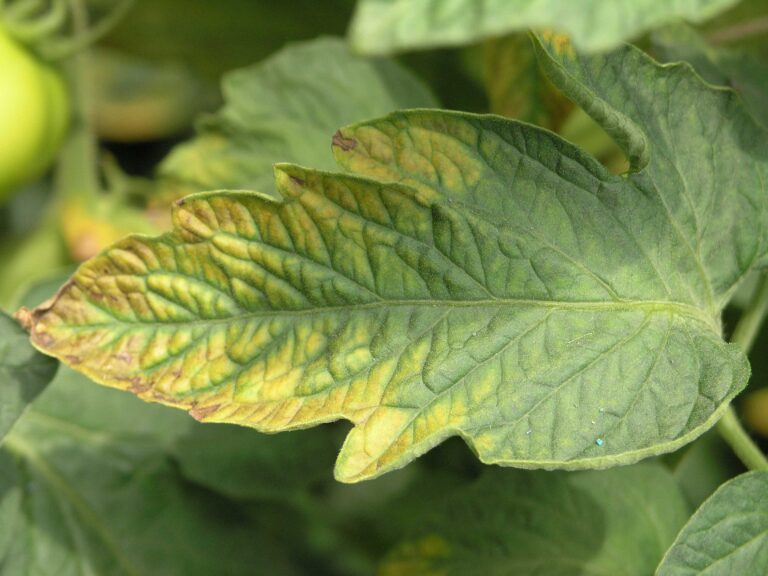
Mineral fertilizers are manufactured industrially or mined from mineral deposits. They contain nutrients in pure form as chemical salts that are immediately available to the plant. Examples include all-purpose blue fertilizer granules (a complete NPK fertilizer), calcium nitrate (nitrogen), superphosphate (phosphorus), and potassium magnesium sulfate (potassium and magnesium). The advantage is precision: you know exactly which nutrients are being delivered and in what amount, with effects appearing within hours. This makes mineral fertilizer ideal for acute deficiencies, for example, when a plant shows yellow leaves and needs iron or nitrogen fast. The downside: excess nutrients get washed out with watering and can end up polluting groundwater.
| Trait | Organic | Mineral |
|---|---|---|
| Onset of action | Slow (days to weeks) | Immediate (hours) |
| Duration | Long-lasting | Short, needs reapplying |
| Risk of over-fertilizing | Low | High if dosed incorrectly |
| Soil improvement | Yes (builds humus) | No |
| Environmental footprint | Good (renewable) | Energy-intensive to produce |
| Precision | Harder to control | Exact dosing possible |
Popular organic and mineral products
| Product | Category | Price Tier | Best For |
|---|---|---|---|
| Espoma Plant-tone | Organic | $$ | Long-term soil health, vegetable gardens |
| FoxFarm Grow Big Liquid Fertilizer | Organic-based liquid | $$ | Fast-growing plants needing a boost |
| Miracle-Gro Water Soluble All Purpose Plant Food | Mineral | $ | Quick correction of nutrient deficiencies |
| Jack’s Classic All Purpose 20-20-20 Fertilizer | Mineral | $$ | Precise, professional-grade feeding |
Combining both: the best of both worlds
In practice, a combination works well: organic fertilizer as a base for long-term soil and plant health, supplemented with mineral fertilizer when there’s an acute need. Many good-quality fertilizers combine both approaches, offering both fast-acting and slow-release nutrients in one product.
Conclusion
“Organic or mineral?” is the wrong question to ask. Both have their place: organic for long-term soil health, mineral for fast, precise action. The best strategy combines both worlds; your plants and the environment benefit either way.
This article may contain affiliate links. If you purchase a product through one of these links, Plantgecko may earn a commission at no extra cost to you. This never influences our editorial independence or which products we recommend.