Repotting Without Stress: How Your Plant Survives the Move
Avoiding repotting shock
Every plant experiences some degree of shock when repotted; the roots are disturbed, and the microclimate changes. The good news: with the right approach, your plant will bounce back within a few days. Here’s how to keep the stress to a minimum.
3 days before repotting: preparation
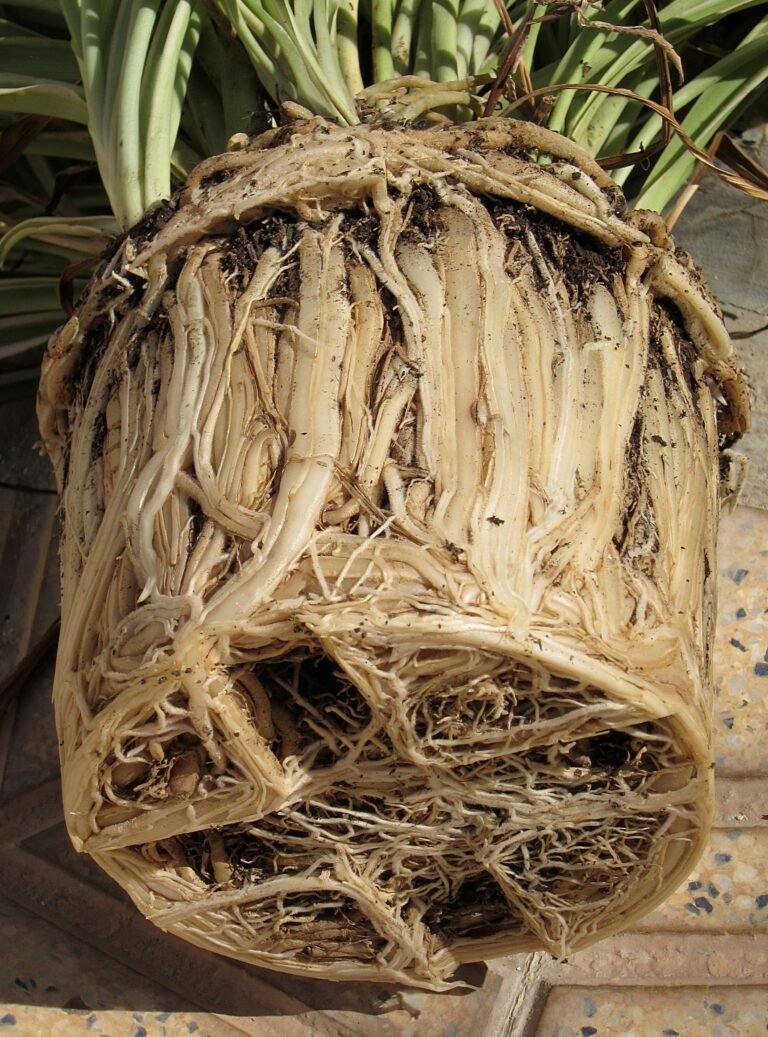
Water the plant normally 2-3 days before you plan to repot it. A root ball that’s slightly moist but not soaking wet comes out of the pot most easily and holds together well. Completely dry soil falls away from the roots, while completely soaked soil turns everything into mud.
On repotting day
- Cleanliness: Clean pots, clean hands, clean tools. This prevents fungal infections
- Work quickly: Don’t leave the roots exposed to air longer than necessary
- Root trimming: Only remove diseased, brown, or mushy roots. Disturb healthy roots as little as possible
- Correct depth: Never plant deeper than before. The root crown needs to stay at the same level
After repotting: the first 2 weeks
Water thoroughly right after repotting, until water runs out of the drainage hole. This closes air pockets and re-establishes soil contact. Then comes the critical recovery period:
- Location: Bright, but no direct sun for 1-2 weeks. The stress makes the plant more sensitive to sunlight
- Temperature: No drafts, no cold windowsills. 18-22°C (64-72°F) is ideal
- Watering: Keep the soil only lightly moist for the first few days, don’t soak it
- Fertilizing: Wait at least 6-8 weeks! Fresh soil already contains nutrients to get the plant started
- Humidity: For tropical plants, mist the leaves regularly
Warning signs after repotting
Drooping leaves for the first 2-3 days are normal; the plant needs time to recover. Red flags: yellow leaves after a week, black stems, moldy soil, or persistent wilting despite adequate moisture. These usually mean the plant has been overwatered or the pot doesn’t have adequate drainage.
With the right supplies, a properly sized pot, expanded clay pebbles for drainage, and a watering can suited to precise pouring, repotting can go off without a hitch.