Repotting Step by Step: The Complete Guide
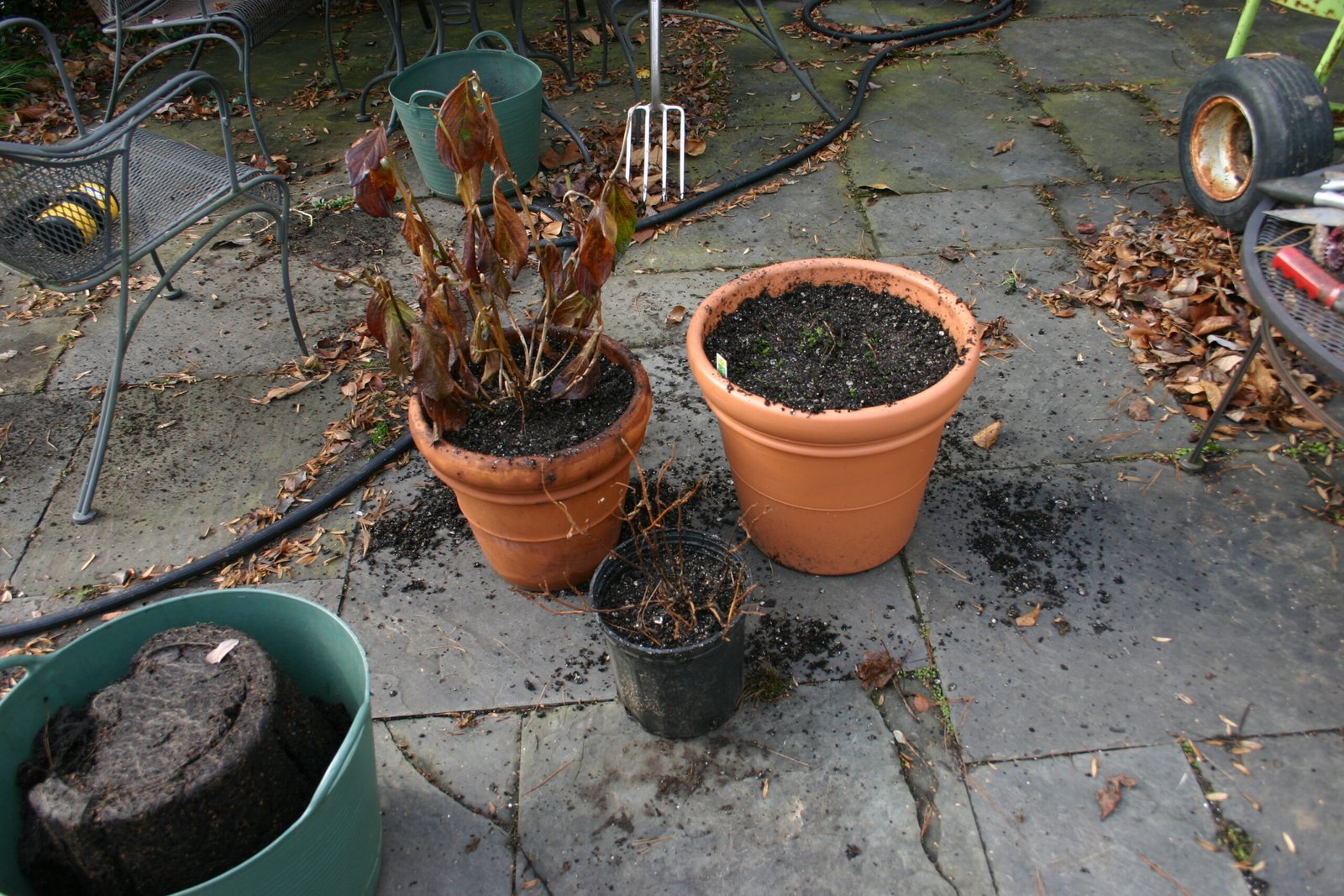
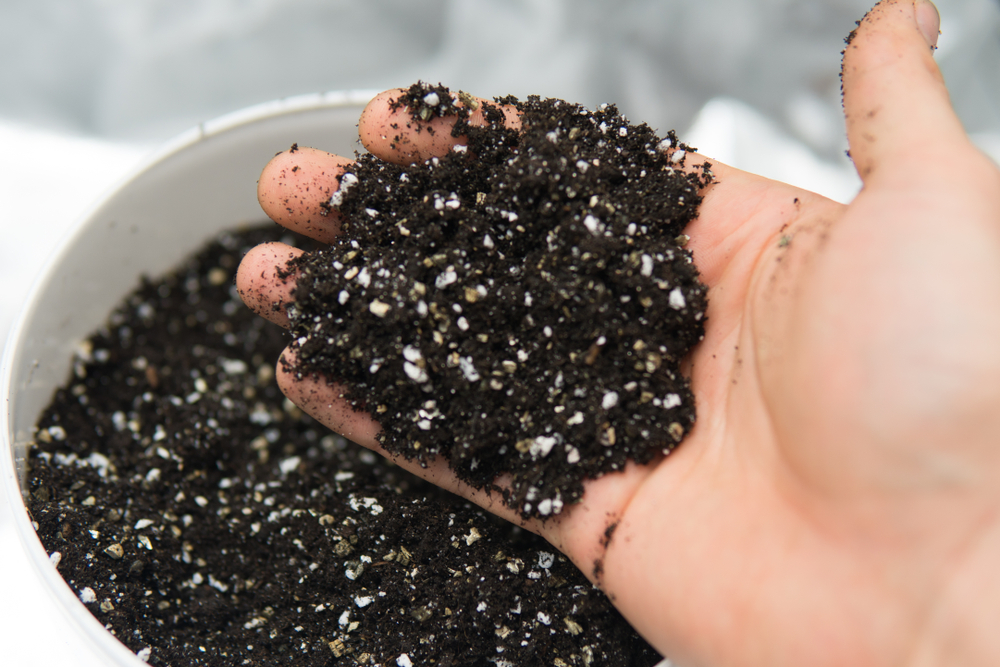
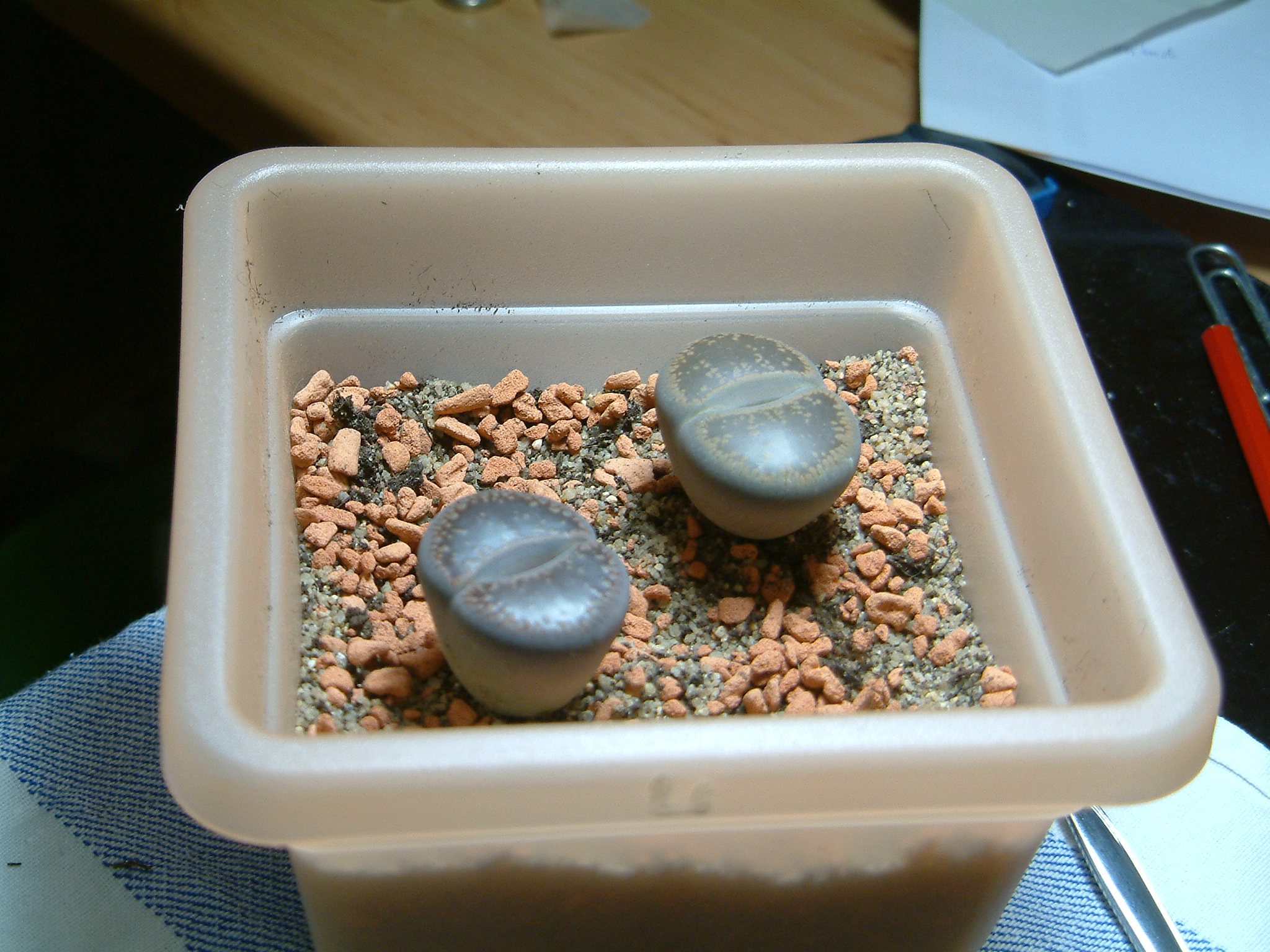
Repotting gives a houseplant fresh soil, more root space, and renewed vigor, but doing it carelessly can shock the plant. Following a consistent process minimizes stress and helps the plant settle into its new pot quickly.
Gather What You Need
Before starting, have a new pot ready that is only one to two inches larger in diameter than the current one, along with fresh potting mix suited to the species, clean scissors or pruning snips, and a work surface you don’t mind getting dirty. Water the plant a day beforehand so the root ball is easier to work with and less prone to snapping fine roots.
Remove the Plant
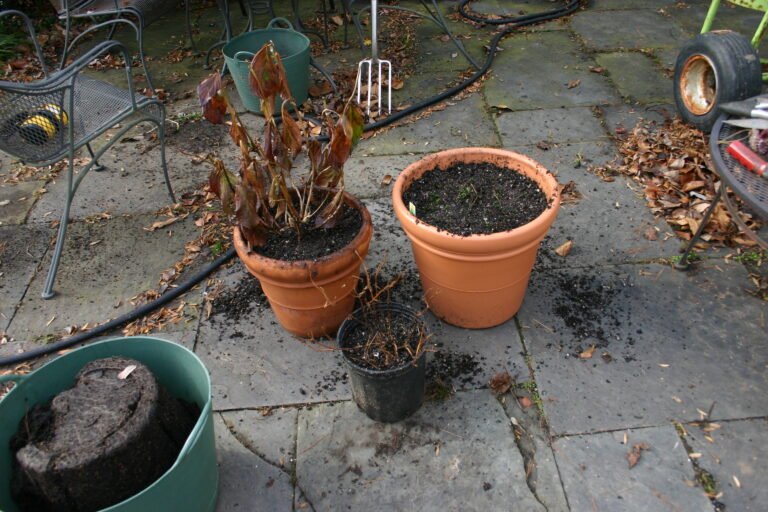
Tip the pot on its side and gently squeeze the sides to loosen the root ball, or run a butter knife around the inside edge. Ease the plant out by supporting the base of the stem rather than pulling on foliage. If it resists, avoid yanking; instead, keep loosening the edges.
Inspect and Prepare the Roots
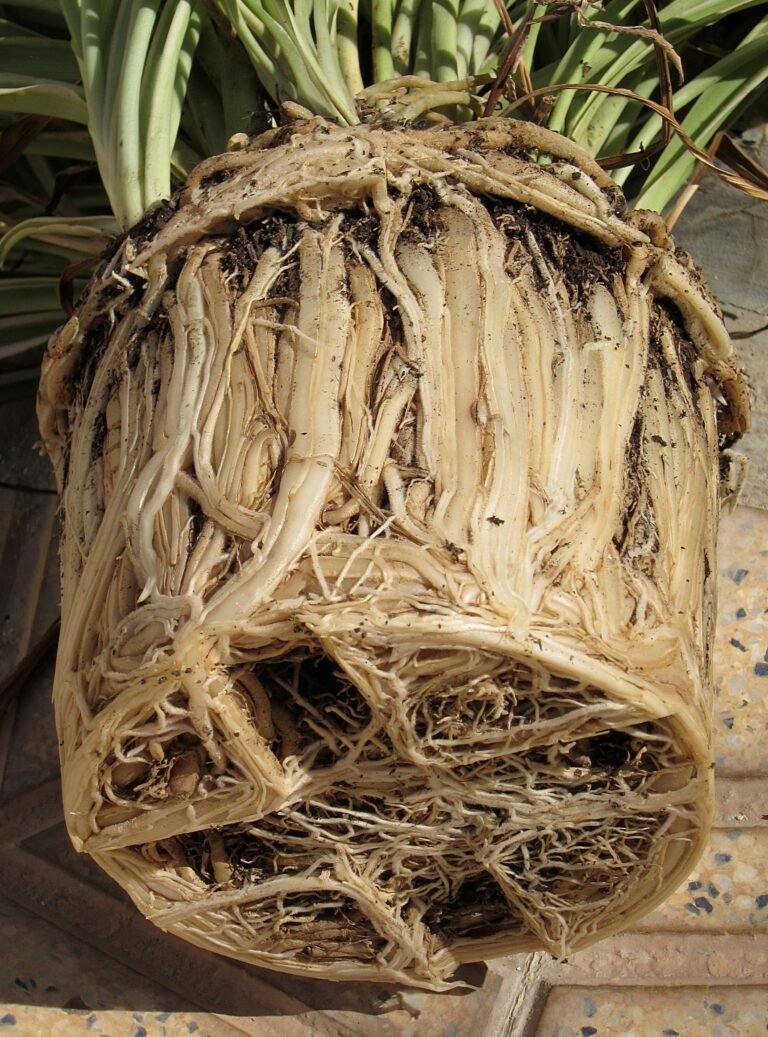
Gently tease apart any roots circling the outside of the root ball with your fingers. Trim away roots that are mushy, black, or clearly dead, which can signal past overwatering. For a heavily root-bound plant, lightly scoring the sides of the root mass with a clean blade in a few places encourages new roots to grow outward into the fresh soil rather than continuing to circle.
Set the New Pot
Add a layer of fresh potting mix to the bottom of the new pot so the plant sits at the same depth it was growing before; burying the stem too deep can cause rot. Center the plant and fill in around the sides with soil, gently firming it to eliminate large air pockets, but avoid packing it so tightly that drainage suffers.
Water and Settle
Water thoroughly right after repotting until it runs from the drainage holes; this helps settle soil around the roots and eliminates remaining air gaps. Add a bit more soil if the level sinks noticeably.
Aftercare
Keep the freshly repotted plant out of direct sun and away from drafts or heating vents for one to two weeks while it recovers. Hold off on fertilizing for three to four weeks, since fresh potting mix usually contains some nutrients already and tender new roots are easily burned by fertilizer salts. Some temporary drooping or a leaf drop or two is normal; steady growth within a few weeks is the sign that the transition was a success.
This article may contain affiliate links. If you purchase a product through one of these links, Plantgecko may earn a commission at no extra cost to you. This never influences our editorial independence or which products we recommend.