Root Care When Repotting: How to Keep Roots Healthy
Roots do the quiet work of anchoring a plant and drawing up water and nutrients, yet they are the part most easily damaged during repotting. Handling them carefully, and knowing when to intervene versus leave them alone, makes the difference between a smooth transition and a setback.
Handle Roots Gently
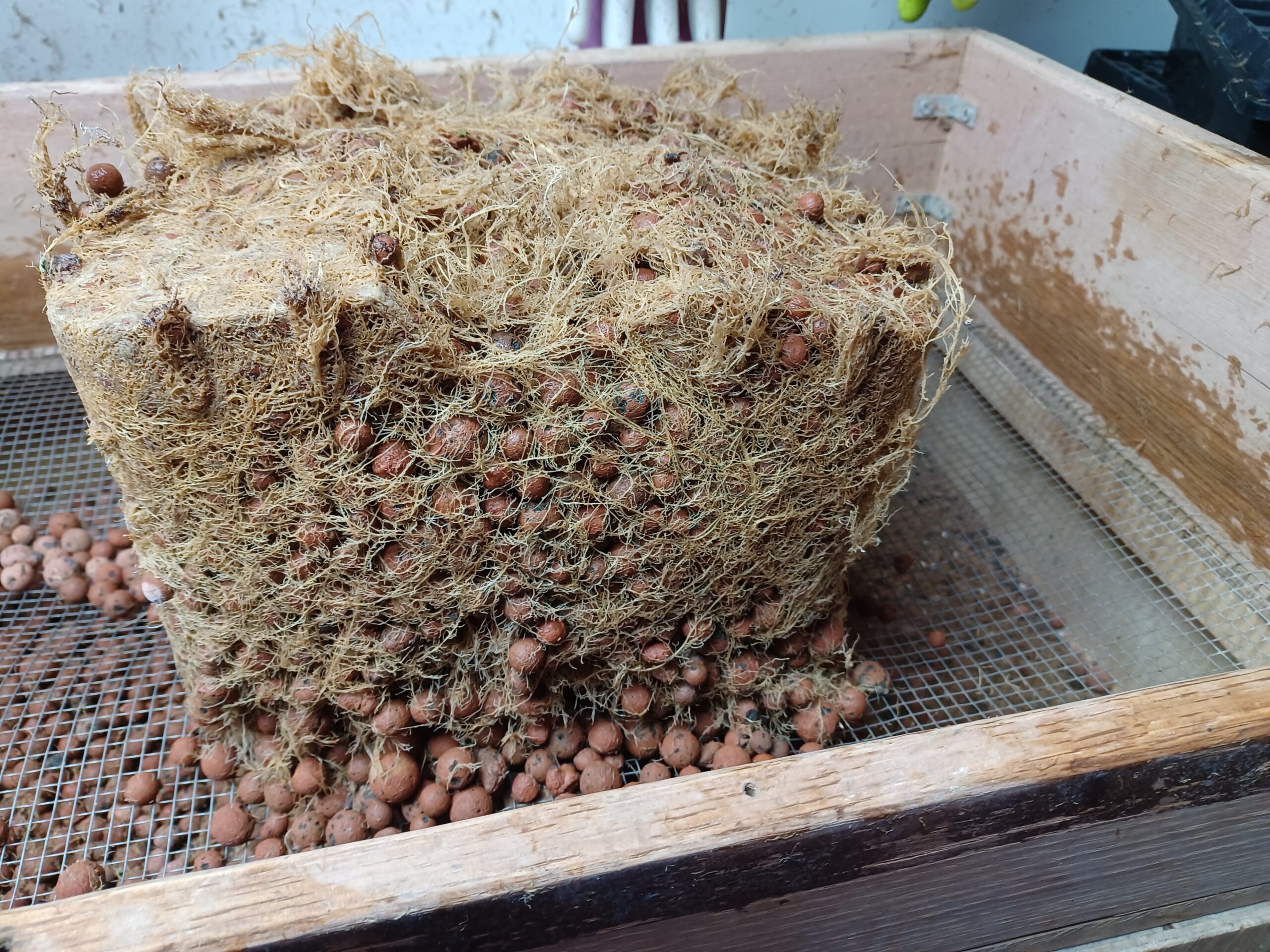
Fine feeder roots, the thin white threads responsible for most water and nutrient uptake, tear easily and take time to regrow. When removing a plant from its pot, support the base of the stem and let the root ball come free gradually rather than pulling. Work over a surface so you can see what you’re doing, and avoid excessive handling once the roots are exposed to air, since they can dry out within minutes.
Untangling Root-Bound Plants
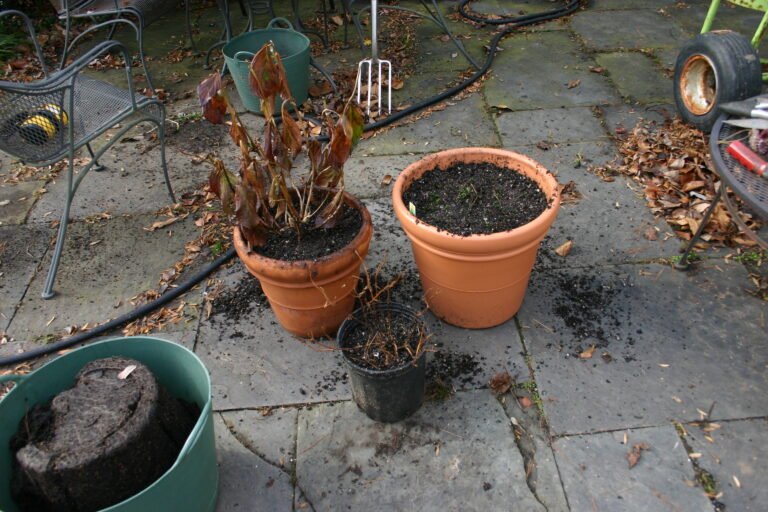
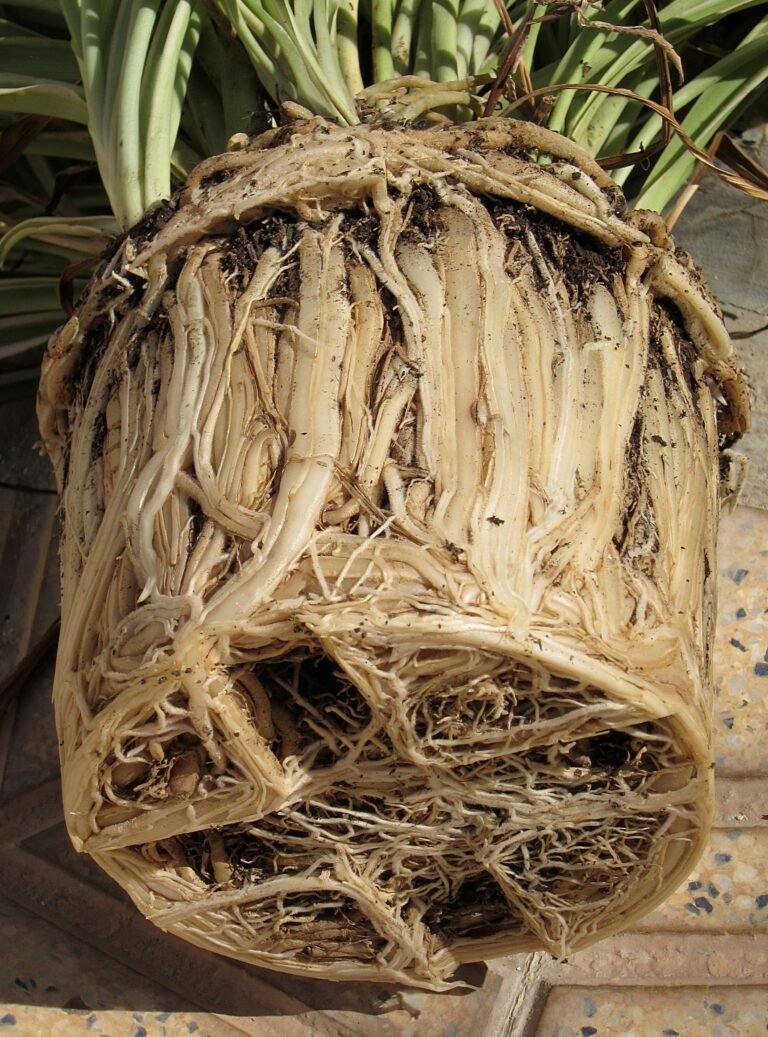
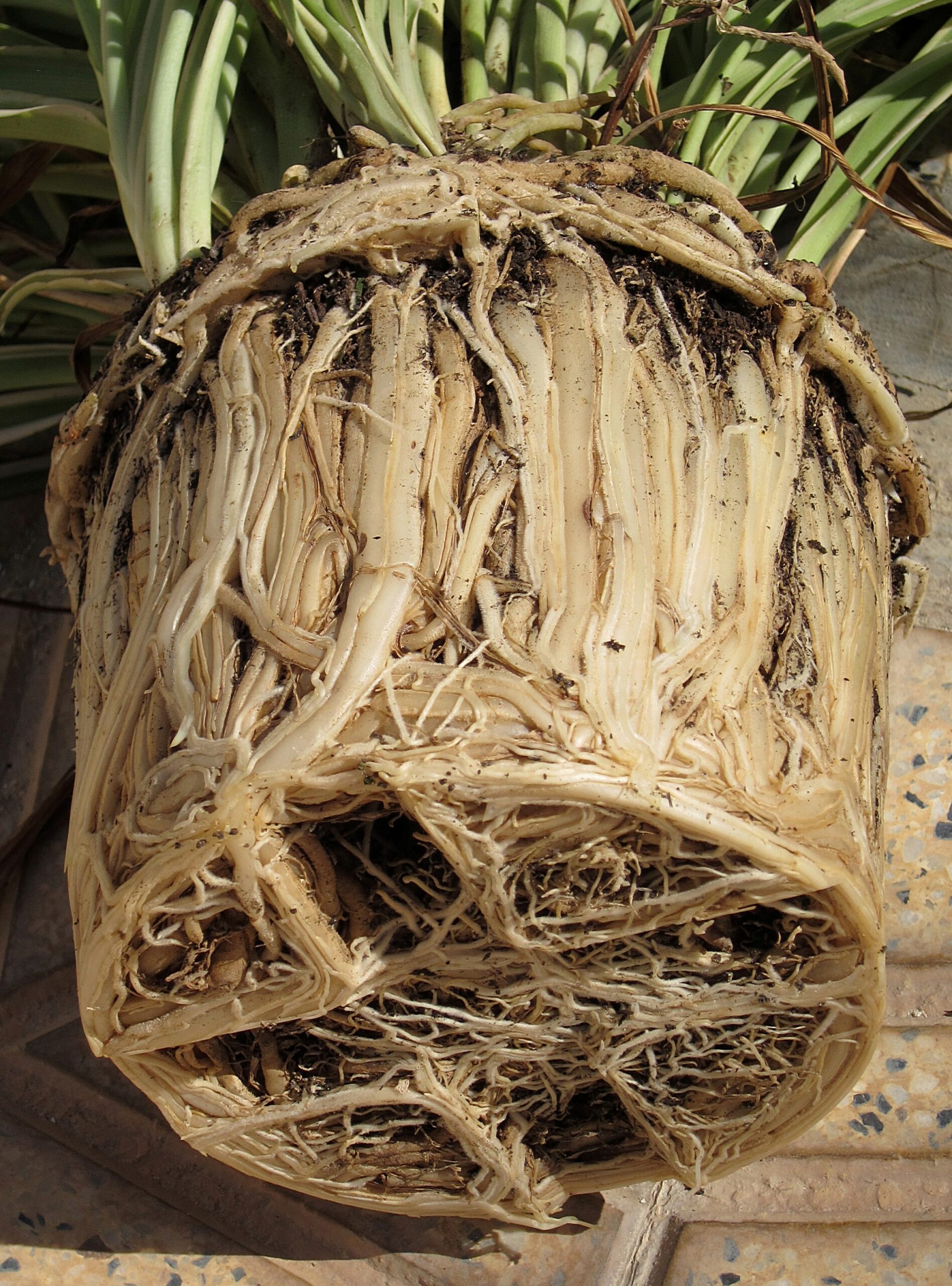
When roots have circled the pot so many times they form a dense, tangled mass, simply placing that mass into a bigger pot doesn’t help; the roots will often keep circling in their old pattern instead of spreading into the new soil. Use your fingers to gently loosen and spread the outer roots outward. For a very congested root ball, some gardeners make two or three shallow vertical cuts with a clean, sharp blade around the root mass to sever the worst of the circling roots and stimulate fresh growth outward. This looks aggressive but is well tolerated by most vigorous houseplants.
Removing Damaged Roots
Healthy roots are typically firm and pale, cream, tan, or white depending on species. Roots that are dark brown or black, mushy, hollow, or foul-smelling are dead or rotting and should be trimmed back to healthy tissue with clean, sharp scissors. Removing rotten roots prevents the rot from spreading further into the plant and reduces the source of fungal or bacterial contamination in the new pot.
Sanitizing Your Tools
Wipe scissors or blades with rubbing alcohol before and after trimming roots, especially when moving between plants. This simple habit prevents transferring root rot pathogens or other diseases from one plant to another.
After the Cut
Plants that have had significant root pruning benefit from a period of reduced light and stable humidity while new roots establish, since the reduced root mass temporarily limits how much water the plant can take up. Hold off on fertilizer for several weeks, and resist the urge to repot again soon afterward; let the plant recover fully in its current pot before considering another change.
This article may contain affiliate links. If you purchase a product through one of these links, Plantgecko may earn a commission at no extra cost to you. This never influences our editorial independence or which products we recommend.