Getting Rid of Aphids: 7 Effective Chemical-Free Methods
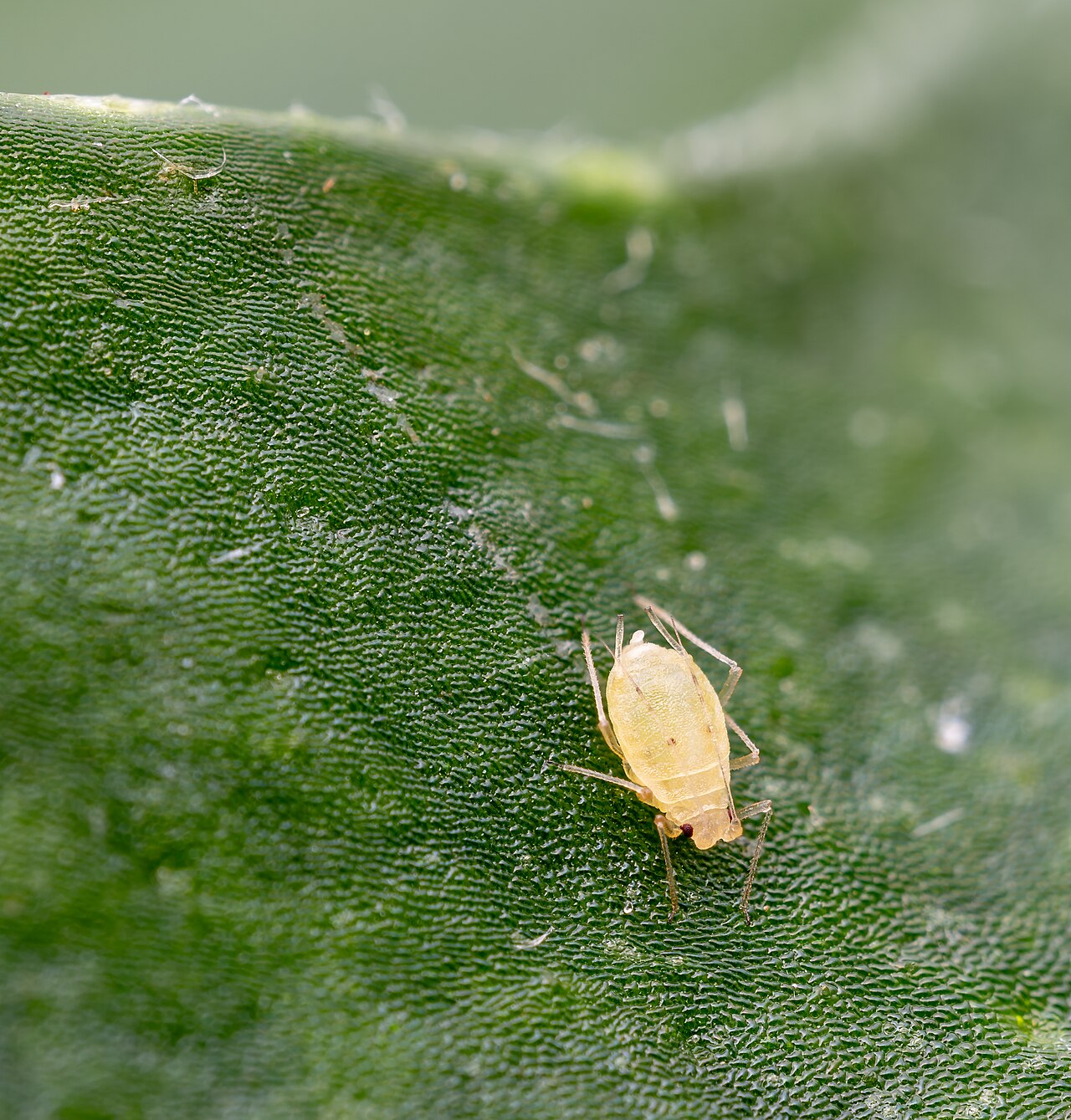
The most common plant pest
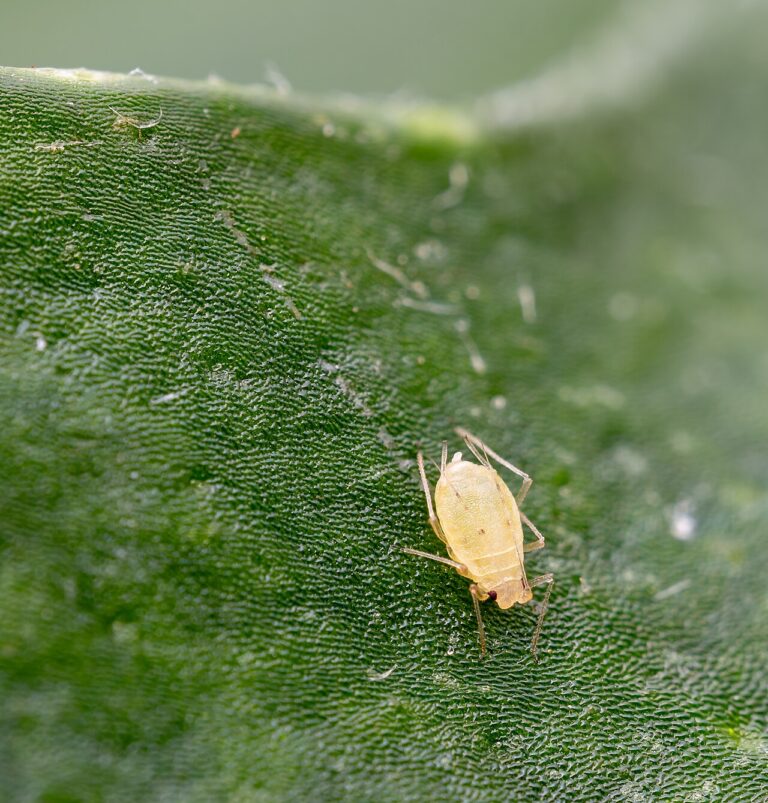
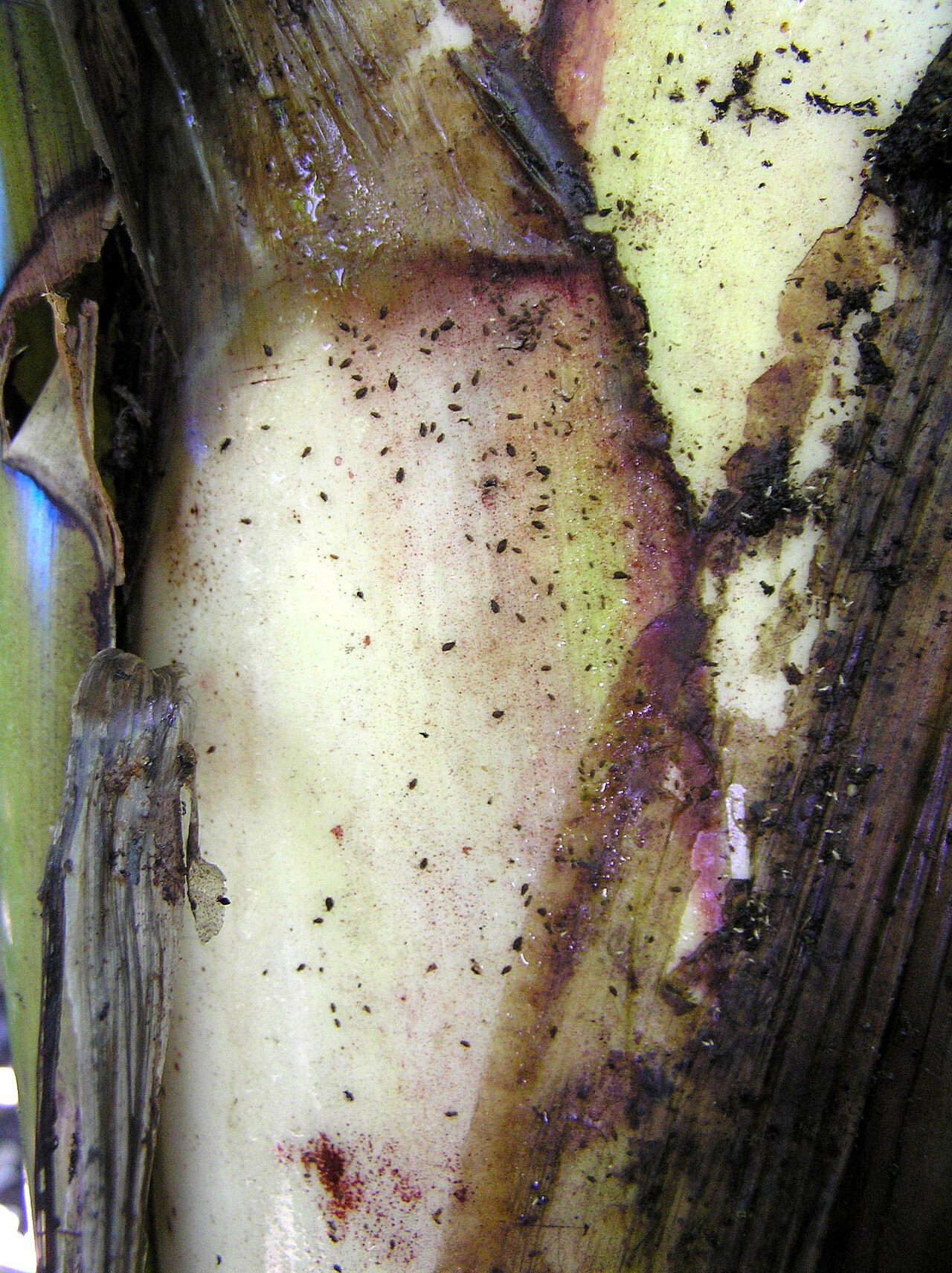
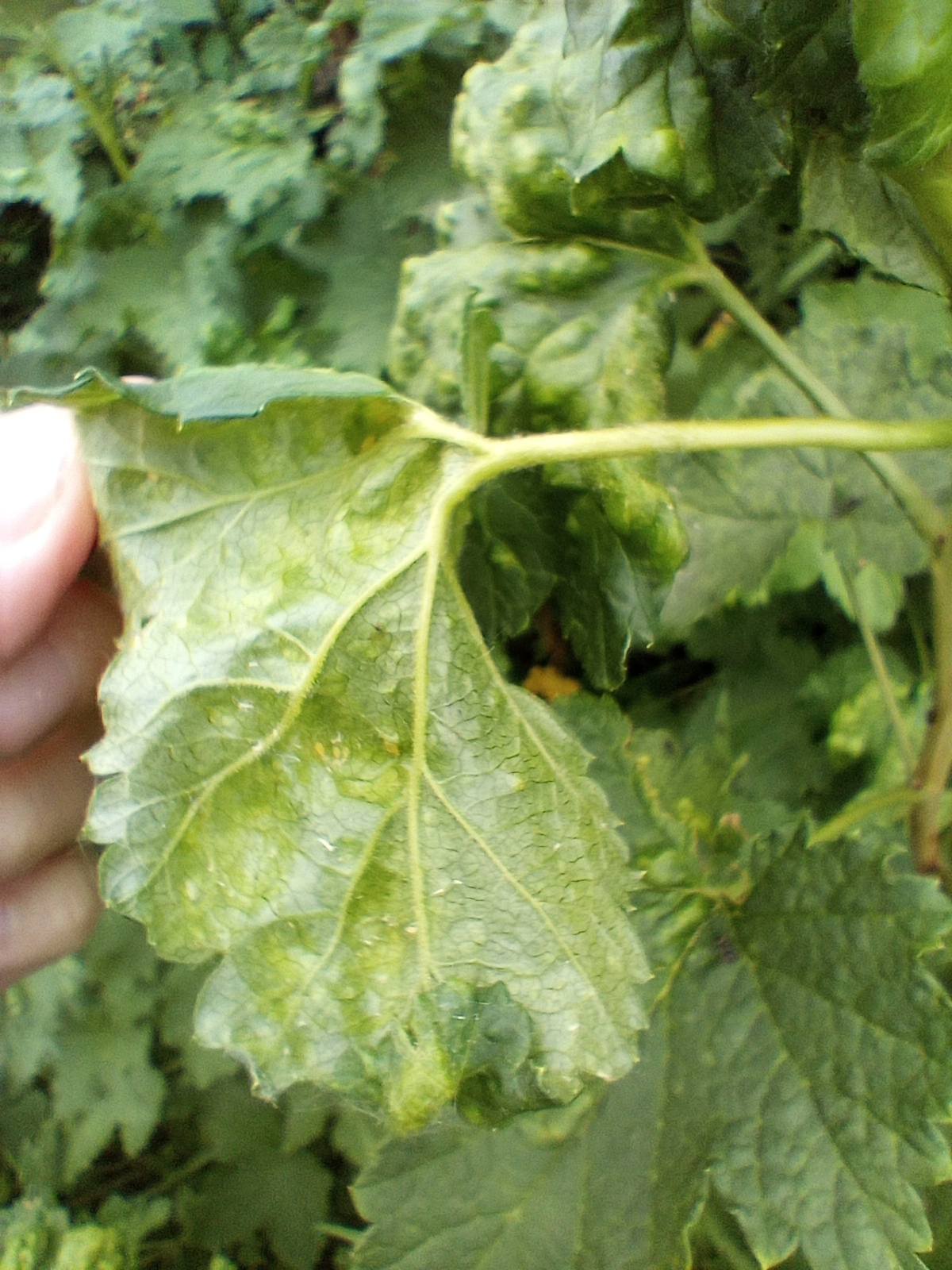
Aphids are the undisputed number one plant pest. They multiply explosively, weaken plants by feeding on their sap, and can spread viruses. The good news: you don’t need to reach for harsh chemicals. Here are seven effective, natural methods for dealing with aphids.
1. Rinse them off: simple and effective
For a light infestation, simply rinse the plant thoroughly with lukewarm water. This washes the aphids away, and they usually don’t find their way back. For houseplants: set the plant in the shower or bathtub and rinse it off with the handheld sprayer, covering the soil with plastic wrap first.
2. Neem oil: the natural wonder remedy
Neem oil is the most effective natural insecticide. It disrupts the aphids’ hormone balance, preventing molting and egg-laying. Mix 5 ml of neem oil with 1 liter of water and a drop of dish soap (as an emulsifier), and spray every 3-4 days.
3. Soft soap solution
A classic remedy from grandma’s time: mix 15-20 ml of potassium soap (soft soap) with 1 liter of water. The soapy solution clogs the aphids’ breathing pores, and they suffocate within a few hours. Apply several times, spaced 3 days apart.
4. Introduce beneficial insects
Ladybugs and lacewing larvae are natural predators of aphids. They’re less practical for houseplants indoors, but a great solution for balconies and terraces. A single ladybug larva can eat up to 150 aphids a day.
5. Garlic spray
Crush three cloves of garlic and pour 1 liter of boiling water over them. Let it steep for 24 hours, strain, and spray it undiluted onto the plant. The strong smell reliably repels aphids, though it will also leave your home smelling like garlic for a while.
6. Yellow sticky traps
Yellow sticky traps catch flying aphids and help you spot an infestation early. They’re not enough on their own to eliminate an infestation, but they’re an excellent addition to other methods.
7. Consistently remove affected parts
For heavily infested shoot tips: cut them back generously and dispose of them in the household trash (not the compost!). Pruning is often the fastest and most reliable solution, especially for fast-growing plants.
Prevention is better than cure
Aphids prefer to attack weakened plants. Plants that receive optimal care are less likely to be affected in the first place. Regular monitoring and prompt treatment at the first sign of trouble go a long way toward keeping your plants aphid-free.