Fungal Diseases in Houseplants: Powdery Mildew, Root Rot, and More
When Fungi Attack Your Plant
Fungal diseases are sneaky: they often develop unnoticed and only break out once the plant is already badly weakened. The three most common fungal diseases in houseplants are powdery mildew, root rot, and grey mold. Here’s how to spot and treat them.
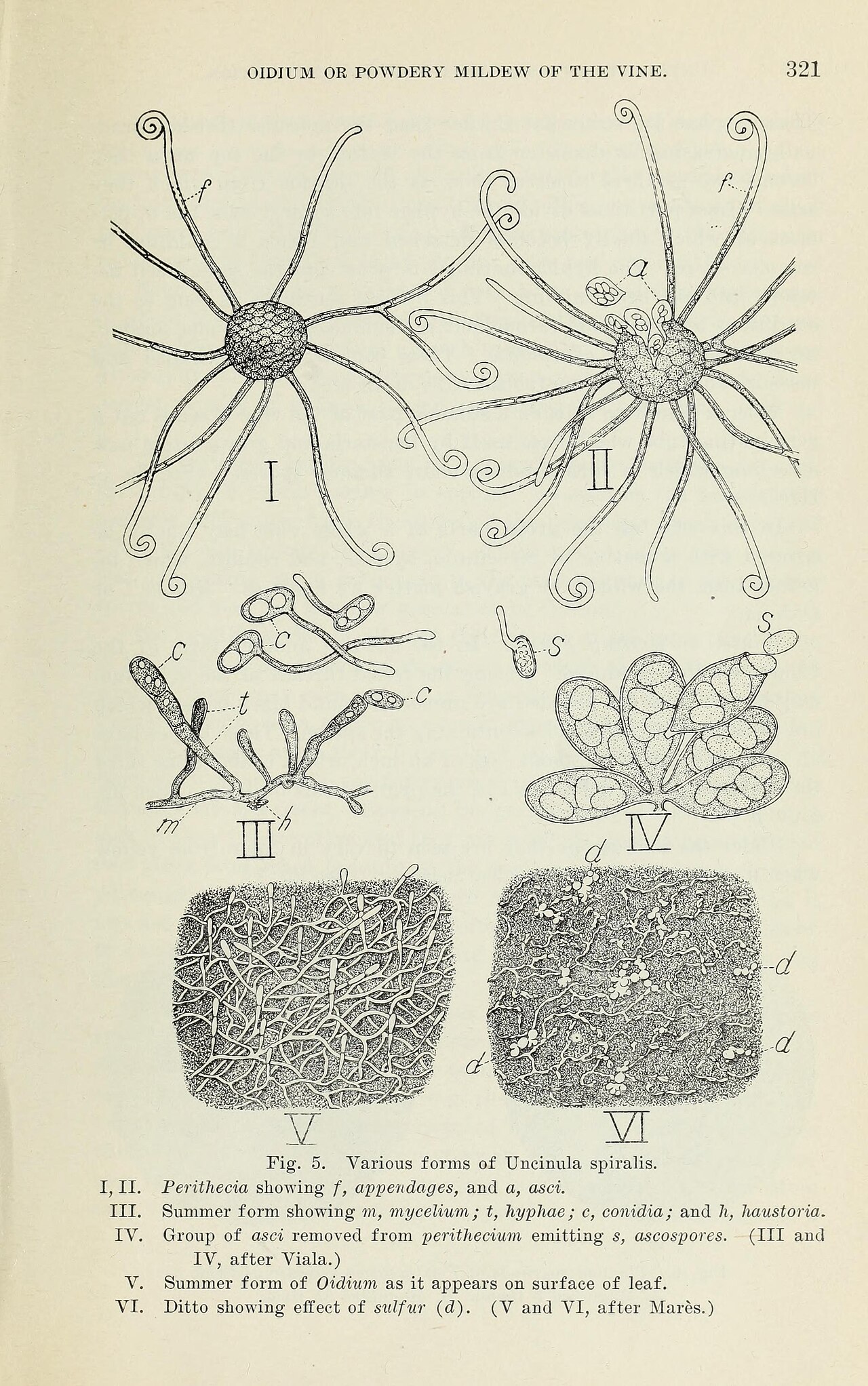
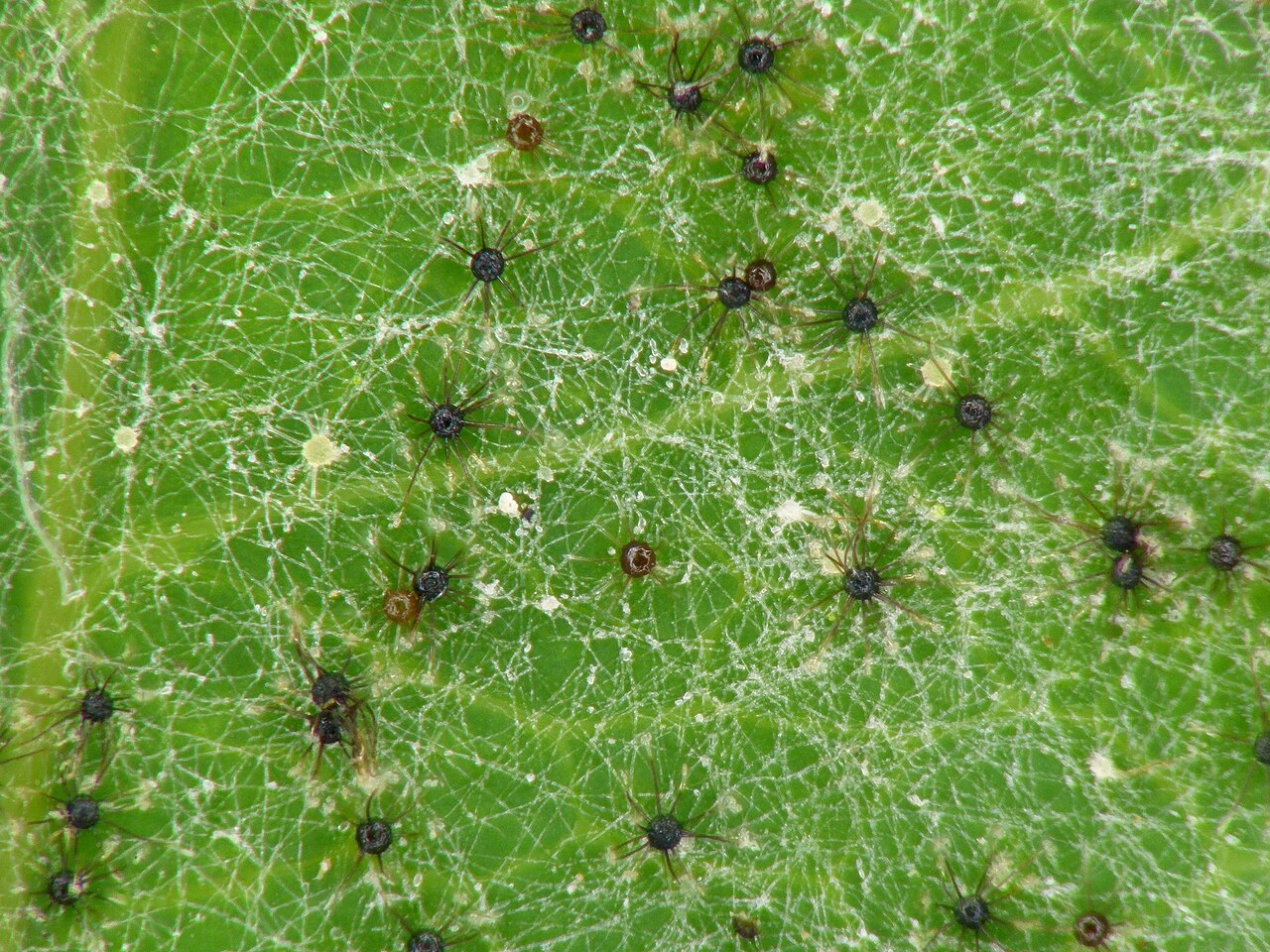
Powdery Mildew: The White Coating
Identification: A white, powdery coating on the upper leaf surface that can be wiped off. Later, leaves turn brown and die.
Cause: Dry, warm conditions with strong temperature swings. Unlike downy mildew, true powdery mildew doesn’t need moisture on the leaves to take hold.
Treatment: Remove affected leaves. Spray a diluted milk-and-water mixture (1 part milk to 9 parts water) — the lactic acid bacteria help fight the fungus. Alternatively, try a baking soda solution (1 teaspoon per liter of water). For a severe infestation, use a sulfur-based fungicide.
Root Rot: The Invisible Killer
Identification: The plant wilts despite moist soil. Leaves turn yellow and drop. The stem becomes soft and brown at the base. Take the plant out of its pot and you’ll find roots that are brown, mushy, and foul-smelling.
Cause: Almost always waterlogged soil from overwatering or poor drainage.
Treatment: Remove the plant from its pot and cut back all rotten roots with clean scissors until you reach healthy tissue. Repot into fresh, well-draining soil. Water only minimally for the first two weeks. As prevention, always use a drainage layer of expanded clay at the bottom of the pot and check soil moisture with a moisture meter before watering.
Grey Mold (Botrytis)
Identification: A grey, fuzzy coating on leaves, flowers, and stems. Affected tissue turns soft and rots.
Cause: High humidity combined with poor air circulation, often when plants are placed too close together.
Treatment: Remove affected parts immediately. Improve air circulation and space plants further apart. Lower the humidity. Spray with neem oil every five days — a good-quality neem oil has strong fungicidal properties.
The Best Preventive Measures
- Don’t overwater: the single most common cause of fungal problems
- Good drainage: every pot needs a drainage hole plus a layer of expanded clay
- Air circulation: don’t crowd your plants together
- Water in the morning: leaves can dry off over the course of the day
- Remove diseased plant parts immediately: this stops the spread