Common Houseplant Pests and How to Fix Them
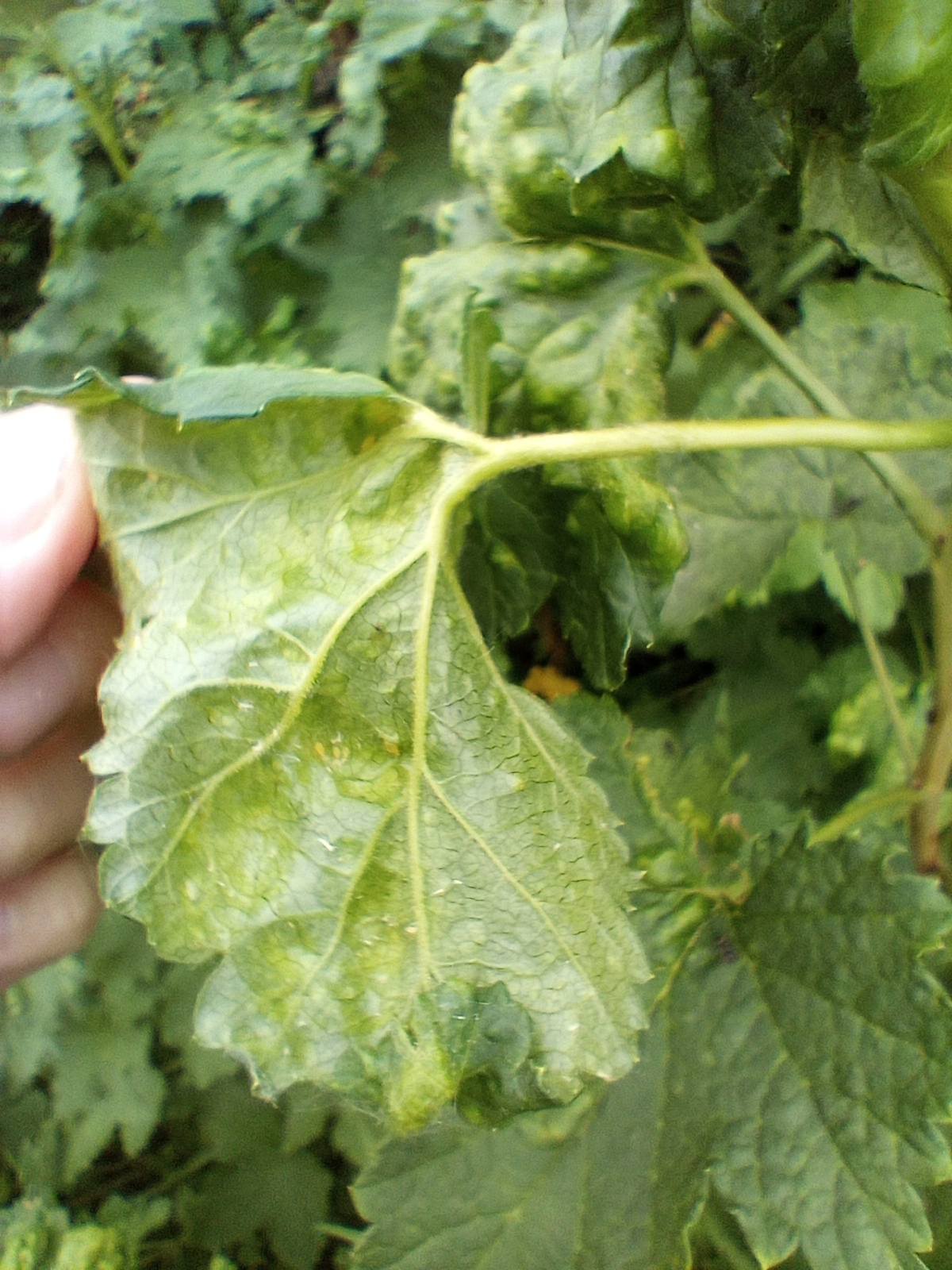
Know Your Enemy: The Four Most Common Houseplant Pests
Discovering pests on your houseplants is a sinking feeling, but it is not a catastrophe. Most common houseplant pests are manageable with the right approach, and early detection makes all the difference. The key is knowing what you are dealing with, because the treatment for spider mites is different from the treatment for fungus gnats, and using the wrong approach can make the problem worse.
This guide covers the four most prevalent indoor plant pests, how to identify each one, the damage they cause, and step-by-step treatment protocols that actually work. Every treatment method described here is safe for use indoors around people and pets when applied as directed.
Prevention: The Best Cure
Before diving into specific pests, let us address the fundamentals. The single most effective pest management strategy is prevention, and it comes down to a few simple habits:
- Quarantine new plants. Every new plant that enters your home should spend 2 to 3 weeks in isolation, away from your existing collection. Many infestations start with pests hitchhiking on a plant from the nursery or garden center. During quarantine, inspect the plant thoroughly every few days, checking the undersides of leaves, leaf joints, and the soil surface.
- Inspect regularly. Make it a habit to look closely at your plants when you water them. Turn over a few leaves. Check where the leaf meets the stem. The earlier you catch a pest problem, the easier it is to resolve.
- Keep plants healthy. Stressed plants are more vulnerable to pests. A plant receiving appropriate light, water, and nutrition is better equipped to resist and recover from pest pressure.
- Clean the leaves. Dusty leaves attract spider mites. A monthly wipe-down with a damp cloth removes dust and gives you a chance to spot problems early.
- Do not overwater. Fungus gnats thrive in consistently moist soil. Letting the top layer of soil dry between waterings dramatically reduces their numbers.
Spider Mites
What They Look Like
Spider mites are tiny arachnids, less than 1 millimeter in size, making them barely visible to the naked eye. You are more likely to notice their damage and webbing before you see the mites themselves. Under magnification, they appear as tiny moving dots in shades of red, brown, or pale yellow. The most telltale sign is fine, silky webbing on the undersides of leaves and in the joints where leaves meet stems. In heavy infestations, the webbing may cover entire leaves.
Damage and Symptoms
Spider mites feed by piercing individual plant cells and sucking out the contents. This produces a characteristic stippled or mottled appearance on the upper leaf surface: hundreds of tiny yellow or white speckles where the cells have been drained. As the infestation progresses, leaves turn yellow, become brittle, and eventually drop. Spider mites particularly love dry, warm conditions, so infestations often spike during winter when indoor heating is running.
Plants Most at Risk
Alocasia, Calathea, Croton, English ivy, Ficus, palms, and many thin-leaved tropical plants are spider mite magnets. Plants with thicker, waxy leaves (such as succulents and ZZ plants) are less susceptible.
Treatment Protocol
- Isolate immediately. Move the affected plant away from all other plants. Spider mites can spread on air currents and by hitching a ride on your hands or clothing.
- Shower the plant. Take the plant to a sink, shower, or outdoors and spray it thoroughly with a strong stream of room-temperature water, focusing on the undersides of leaves. This physically dislodges the majority of mites and their eggs. Use a sprayer attachment if you have one.
- Apply insecticidal soap or neem oil. After the plant dries, spray all leaf surfaces, tops and bottoms, with a ready-to-use insecticidal soap or a neem oil solution (1 teaspoon neem oil + 0.5 teaspoon mild liquid soap per liter of water). Coat every surface thoroughly. Pay special attention to leaf undersides and stem joints where mites congregate.
- Repeat every 5 to 7 days for 3 to 4 weeks. This is critical. A single treatment kills adult mites but not eggs. Eggs hatch within 3 to 7 days, so the repeat applications are necessary to interrupt the life cycle. Skipping the follow-up treatments is the most common reason spider mite treatments fail.
- Increase humidity. Spider mites reproduce fastest in dry air. During and after treatment, raise the humidity around the plant with a pebble tray, humidifier, or regular misting.
Mealybugs
What They Look Like
Mealybugs look exactly like tiny bits of cotton or white fluff nestled in the joints where leaves meet stems, along leaf veins, and occasionally on the roots. Each mealybug is oval-shaped, about 2 to 5 millimeters long, and covered in a white, waxy, cotton-like secretion. They are usually found in clusters. The waxy coating serves as protection and makes them somewhat resistant to contact insecticides, which is why mechanical removal is an important part of treatment.
Damage and Symptoms
Mealybugs are sap-feeders that insert their needle-like mouthparts into the plant’s vascular tissue and extract the sugary phloem. This weakens the plant, causing yellowing, stunted growth, and leaf drop. Mealybugs also excrete honeydew, a sticky, sugary substance that coats the leaves below the feeding site and often develops black sooty mold. Ants may be attracted to the honeydew and can actually farm and protect mealybug colonies.
Plants Most at Risk
Succulents, Hoya, Ficus, citrus trees grown indoors, coleus, ferns, orchids, and many other houseplants. Mealybugs are not picky eaters.
Treatment Protocol
- Isolate the plant. Mealybugs spread more slowly than spider mites but can still move between plants, especially if leaves touch.
- Mechanical removal. Using a cotton swab dipped in 70% isopropyl (rubbing) alcohol, dab each visible mealybug individually. The alcohol dissolves the waxy coating and kills the insect on contact. This is time-consuming but highly effective for light to moderate infestations. For heavier infestations, you can spray the entire plant with a diluted alcohol solution (1 part 70% alcohol to 1 part water), but test on a small area first, as some plants with thin or delicate leaves may be damaged by alcohol.
- Apply neem oil or insecticidal soap. After spot-treating with alcohol, spray the entire plant with neem oil solution to catch any mealybugs you missed, including the tiny juveniles (crawlers) that are nearly invisible.
- Check the roots. Some mealybug species feed on roots. If the plant continues to decline despite treating the foliage, unpot it and inspect the roots for white, cottony masses. Root mealybugs require a complete soil change and washing the roots clean before repotting in fresh, sterile mix.
- Repeat treatments weekly for 4 to 6 weeks. Mealybug eggs are protected by the waxy coating and can survive initial treatments. Persistence is essential.
Fungus Gnats
What They Look Like
Adult fungus gnats are small, dark, mosquito-like flies about 2 to 4 millimeters long. They are weak fliers and tend to hover near the soil surface or run across it in short, jerky movements. The larvae, which cause the actual damage, are translucent white worms with black heads, about 4 to 6 millimeters long, living in the top few centimeters of moist potting mix.
Damage and Symptoms
Adult fungus gnats are primarily a nuisance, though in large numbers the sheer quantity of flies buzzing around the house can be maddening. The real problem is the larvae, which feed on decaying organic matter in the soil, fungi, and, when populations are high, on tender plant roots. Root damage from larvae causes stunted growth, yellowing, and wilting, particularly in young plants, seedlings, and cuttings. Fungus gnats are usually a sign that the soil is staying too wet.
Treatment Protocol
- Dry out the soil. This is the single most effective control measure. Allow the top 3 to 5 centimeters of potting mix to dry completely between waterings. Fungus gnat larvae need consistently moist conditions to survive; drying the soil surface kills them. For plants that cannot tolerate drying out, use the other methods below.
- Yellow sticky traps. Place yellow sticky traps horizontally on the soil surface or vertically near the plants. These capture adult gnats and significantly reduce egg-laying. They also serve as a monitoring tool so you can track whether the population is declining.
- Bacillus thuringiensis israelensis (Bti). This naturally occurring soil bacterium produces a toxin that specifically kills fungus gnat and mosquito larvae. It is sold commercially as “mosquito dunks” or “mosquito bits.” Soak a quarter of a dunk or a tablespoon of bits in your watering can overnight, then use that water to water your plants. The Bti bacteria will kill the larvae in the soil within 24 to 48 hours. This is safe for plants, pets, and people.
- Soil cover. Applying a 1 to 2 centimeter layer of horticultural sand, fine gravel, or diatomaceous earth to the soil surface creates a physical barrier that prevents adult gnats from laying eggs in the soil and traps emerging adults.
- Bottom watering. Switching to bottom watering keeps the soil surface dry, depriving larvae of the moisture they need and discouraging adults from laying eggs.
Scale Insects
What They Look Like
Scale insects are masters of camouflage. They appear as small, immobile bumps or shells attached to stems and leaf undersides. They range in color from brown and tan to nearly black, and in size from 1 to 5 millimeters. There are two main types: armored scale, which have a hard, detachable shell-like covering, and soft scale, which have a softer, waxy coating. Both types remain stationary once they have found a feeding site and do not resemble typical insects at all, which is why they are often mistaken for part of the plant until damage becomes obvious.
Damage and Symptoms
Scale insects feed on plant sap, weakening the plant over time. Heavy infestations cause yellowing leaves, leaf drop, stunted growth, and branch dieback. Like mealybugs, soft scale species excrete honeydew, which leads to sooty mold. Ant activity on a plant is often the first clue that scale insects are present.
Plants Most at Risk
Ficus species (especially Ficus benjamina and Ficus lyrata), citrus, orchids, schefflera, ferns, and many palms are common scale hosts.
Treatment Protocol
- Isolate the plant. Scale cannot fly, but the tiny juvenile stage (crawlers) can move between plants that are touching.
- Manual removal. For light infestations, use a soft toothbrush, a cotton swab dipped in rubbing alcohol, or your fingernail to gently scrape or rub the scale insects off the plant. This is tedious but effective for armored scale, which are protected from contact insecticides by their hard covering.
- Horticultural oil. For heavier infestations, apply horticultural oil or neem oil, which works by coating and suffocating the insects. Thorough coverage is essential; every scale insect must be coated. Apply when temperatures are below 27 degrees Celsius (80 degrees Fahrenheit) to avoid leaf damage.
- Systemic insecticide for severe cases. For large plants with heavy infestations that cannot be treated manually, a systemic insecticide containing imidacloprid, applied as a soil drench, is absorbed by the roots and distributed throughout the plant’s tissues. When scale insects feed, they ingest the insecticide and die. This is the nuclear option and should be reserved for severe, treatment-resistant infestations. Do not use systemics on flowering plants that are accessible to bees.
- Repeat after 2 weeks. As with other pests, a follow-up treatment catches any juveniles that hatched after the initial application.
When to Give Up
There is a point at which the cost in time, effort, and risk to your other plants outweighs the value of saving a heavily infested plant. If you have been treating a plant for more than 6 to 8 weeks with no significant improvement, if the infestation has spread to multiple other plants, or if the plant is already severely weakened and unlikely to recover, it may be more sensible to discard it and start fresh. This is not failure; it is risk management for your entire collection.
Chemical Sensitivity Warning
Some plants are sensitive to horticultural oils and insecticidal soaps. Ferns, some succulents with farina (the powdery coating on leaves), and plants with very thin or delicate foliage may experience leaf burn after treatment. Always test any treatment on a single leaf first and wait 24 to 48 hours to check for adverse reactions before treating the entire plant.
Recommended Pest Control Products
- Neem Oil: Cold-pressed neem oil is a versatile, organic treatment effective against spider mites, mealybugs, scale, and aphids.
- Insecticidal Soap: Ready-to-use insecticidal soap spray kills soft-bodied pests on contact and is safe for most plants.
- Yellow Sticky Traps: Yellow sticky traps are essential for monitoring and controlling fungus gnats, whiteflies, and thrips.
- Mosquito Bits (Bti): Bti mosquito bits provide biological control of fungus gnat larvae in potting soil.
- Horticultural Oil: Horticultural oil spray suffocates scale insects and mealybugs, including those protected by waxy coatings.
- Spray Bottle: A quality pressure sprayer makes thorough application of treatments much easier than a standard trigger spray bottle.