Propagating Plants From Pups and Runners: The Easy Way
When a Plant Propagates Itself
Many plants produce small offsets all on their own — you just need to recognize them and treat them properly. Pups, runners, and plantlets are the plant’s natural way of reproducing. Take advantage of this gift! Here’s how to successfully grow offsets into independent plants.
What Are Pups?
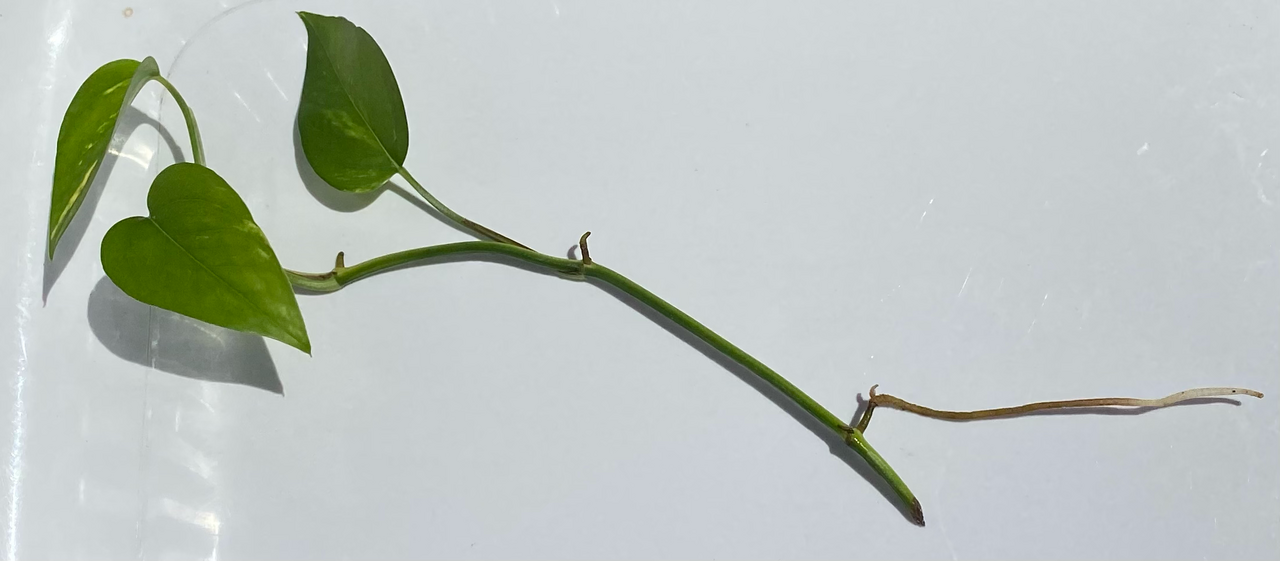
Pups are miniature versions of the mother plant that grow directly at its base or along the stem. They already have their own roots or root initials and are the simplest form of propagation. Classic pup producers:
- Aloe vera: produces abundant pups at the base
- Pilea peperomioides (Chinese money plant): pups appear directly from the soil next to the mother plant
- Succulents (Echeveria, Haworthia): form rosette pups at the base of the stem
- Bromeliads: after flowering they produce pups, and the mother plant then dies back
- Orchids (Phalaenopsis): pups can appear on old flower spikes
How to Properly Separate a Pup
- Wait until the pup is big enough: it should be at least 5 cm and have its own roots or root initials
- Remove the mother plant from its pot: this lets you clearly see the connection point
- Separate with a clean cut: use a sharp, disinfected knife, always cutting at the thinnest point of the connection
- Let the cut surface dry: leave it to air-dry for 1-2 days before potting the pup — this prevents rot
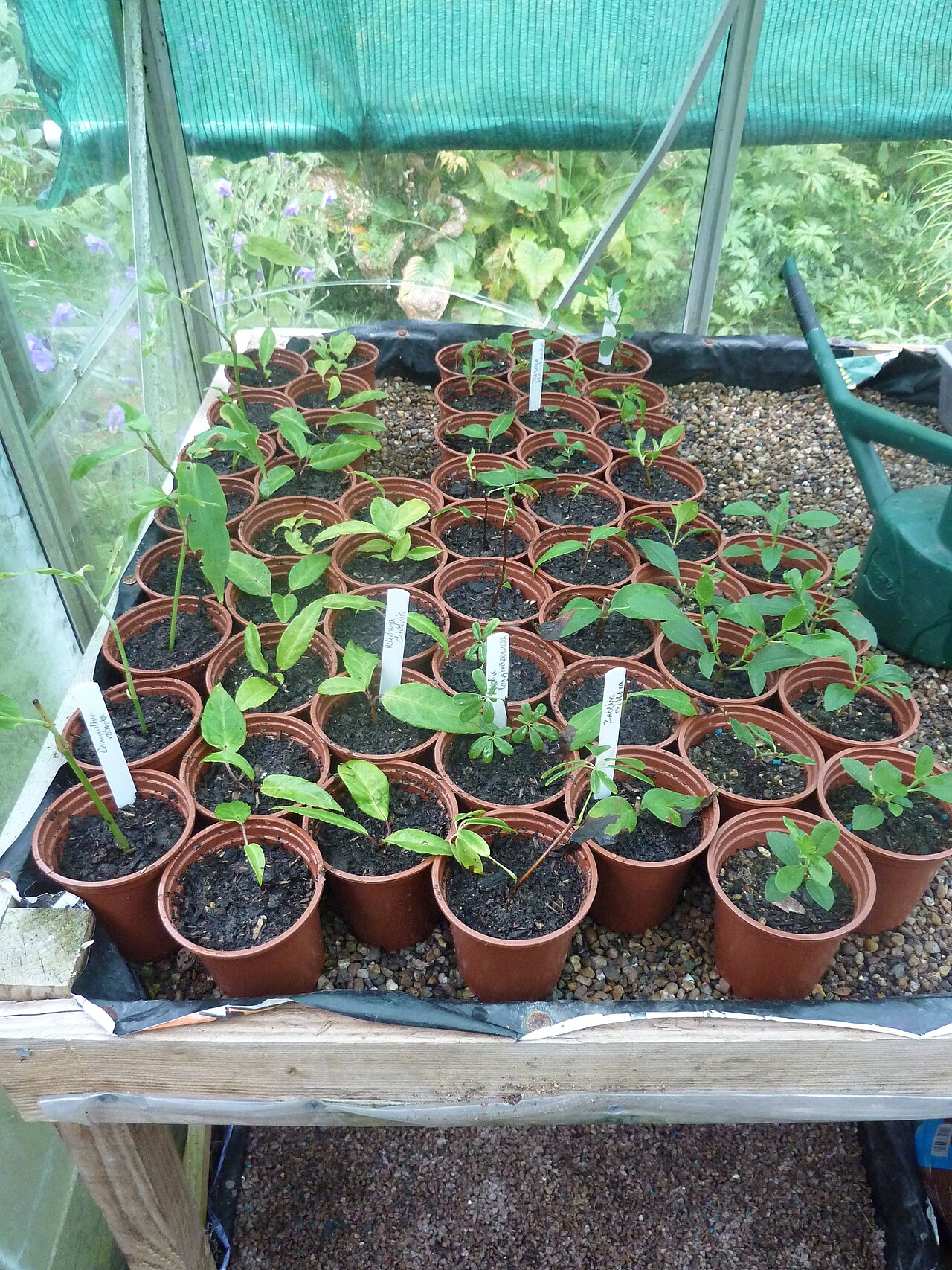
- Pot into its own small container: use well-draining substrate and keep it lightly moist
Runners: The Self-Propagators of the Plant World
Some plants send out long shoots, at the end of which new little plants form. Well-known runner producers include strawberries, spider plant (Chlorophytum), ivy, and Saxifraga. Propagation with these is about as simple as it gets: leave the daughter plantlet attached to the runner until it has formed its own roots, then separate it and pot it up.
Proper Aftercare
Freshly separated pups and runners are delicate. For the first 2 weeks: a bright spot without direct sun, keep the substrate lightly moist (not wet), no fertilizer for at least 6 weeks, and check the moisture level regularly.
For raising the young plants, a good propagation kit and small pots will serve well during those first independent weeks.