Taking and Rooting Cuttings: The Complete Guide for Beginners and Advanced Growers
Propagating houseplants from cuttings is one of the most satisfying skills a plant owner can learn — it’s essentially free plants, and for many popular species it’s genuinely easy once you understand the basics of what a cutting needs to grow roots.
Choosing and Taking a Good Cutting
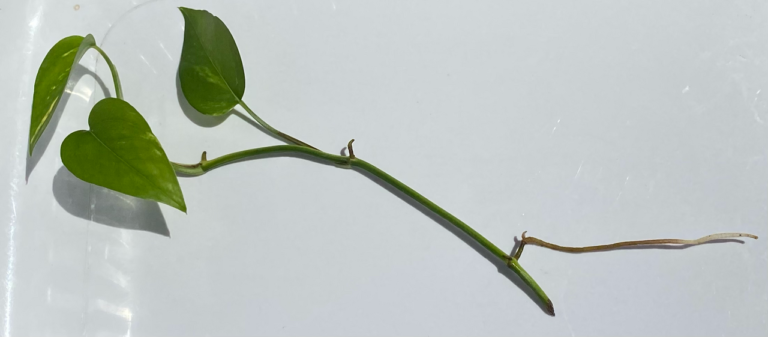
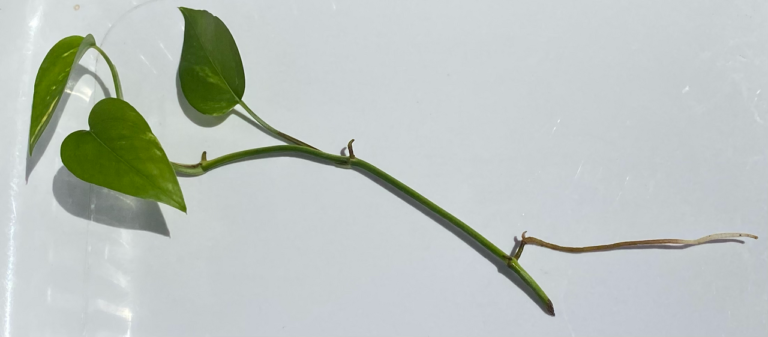
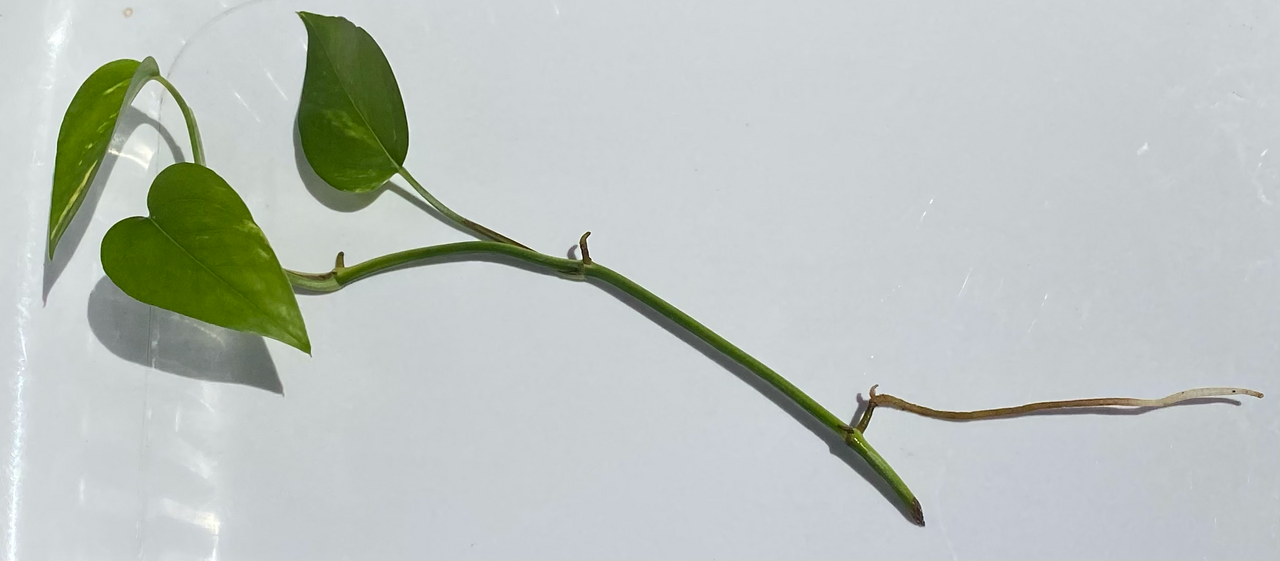
The most important detail is the node — the small bump or joint on a stem where a leaf attaches and where new roots and shoots originate. A cutting without at least one node generally will not root, no matter how healthy it looks. For vining plants like pothos, philodendron, and tradescantia, cut just below a node with a clean, sharp blade, leaving a piece of stem 4–6 inches long with two or three leaves.
Always use clean, sharp scissors or a knife — a dull or dirty blade crushes plant tissue and can introduce bacteria or fungal pathogens that rot the cutting before it has a chance to root. Wiping the blade with rubbing alcohol between plants (and between cuttings if a plant looks diseased) is a simple habit that prevents a lot of failed propagations.
Water Rooting vs. Soil Rooting
Water propagation is the easiest way to see progress: submerge the node in a jar of room-temperature water, keep the leaves above the waterline, and change the water every few days to keep it fresh and oxygenated. Roots typically appear within one to three weeks for easy rooters like pothos, philodendron, and coleus. The tradeoff is that roots grown in water are adapted to that environment and need a period of adjustment when finally potted in soil.
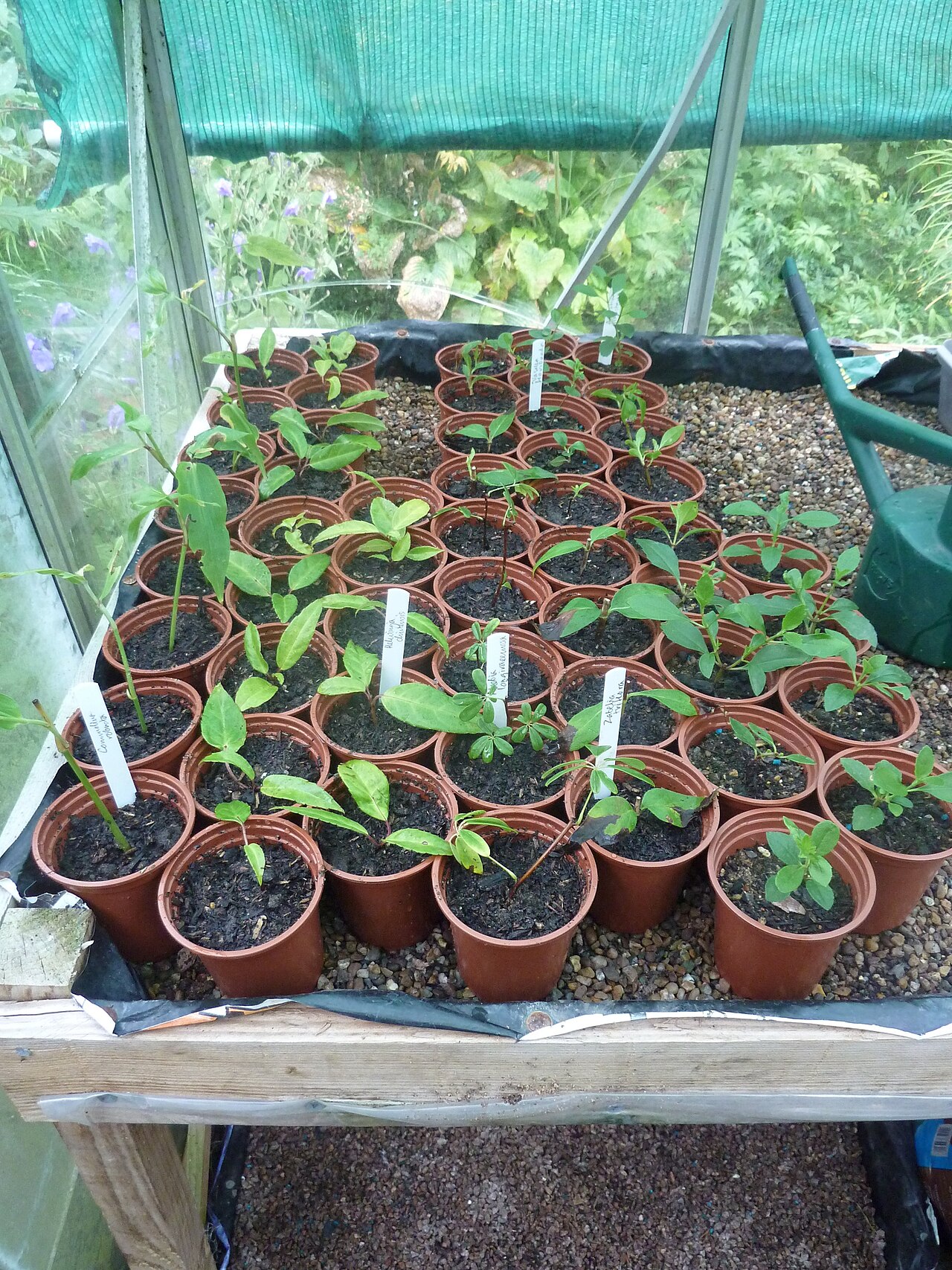
Direct soil propagation skips that transition. Dip the cut end in rooting hormone (optional but helpful, especially for slower or woodier plants), insert it into a small pot of moist, well-draining mix, and keep the soil consistently damp but not soggy. Soil-rooted cuttings often establish faster once potted up permanently because the roots never have to adjust.
Humidity and Rooting Hormone
Cuttings lose water through their leaves but have no roots yet to replace it, so humidity matters. Covering a soil-propagated cutting with a clear plastic bag or dome, or placing it in a mini greenhouse, reduces water loss and speeds rooting considerably. Rooting hormone (available as a powder or gel) supplies plant hormones called auxins that trigger root formation; it isn’t essential for easy rooters but noticeably improves success rates and speed for woodier or slower species like fiddle leaf fig, hoya, or succulent cuttings.
Easy Plants to Start With
- Pothos and philodendron — root readily in water within 1–2 weeks; almost foolproof for beginners.
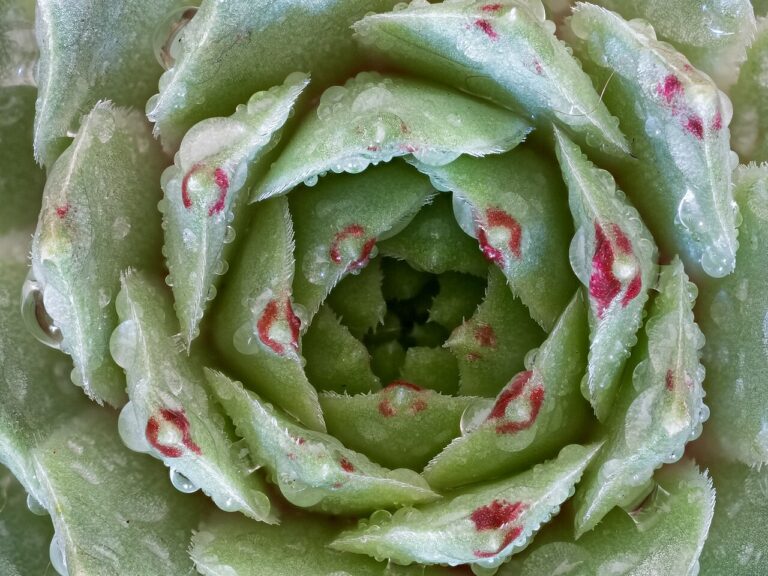
- Succulents (echeveria, sedum) — let leaf or stem cuttings callus over (dry) for a day or two before placing on top of dry soil; water sparingly until roots form.
- Tradescantia and coleus — root extremely fast in water, often within days.
- Snake plant — leaf sections root in water or soil, though it’s slower, taking several weeks to months.
Whichever method you choose, patience is the main ingredient. Resist the urge to tug on a cutting to check for roots — a gentle tug test every couple of weeks is enough to feel resistance once rooting has begun.
This article may contain affiliate links. If you purchase a product through one of these links, Plantgecko may earn a commission at no extra cost to you. This never influences our editorial independence or which products we recommend.