Offshoots and Plantlets: Vegetative Propagation Made Simple
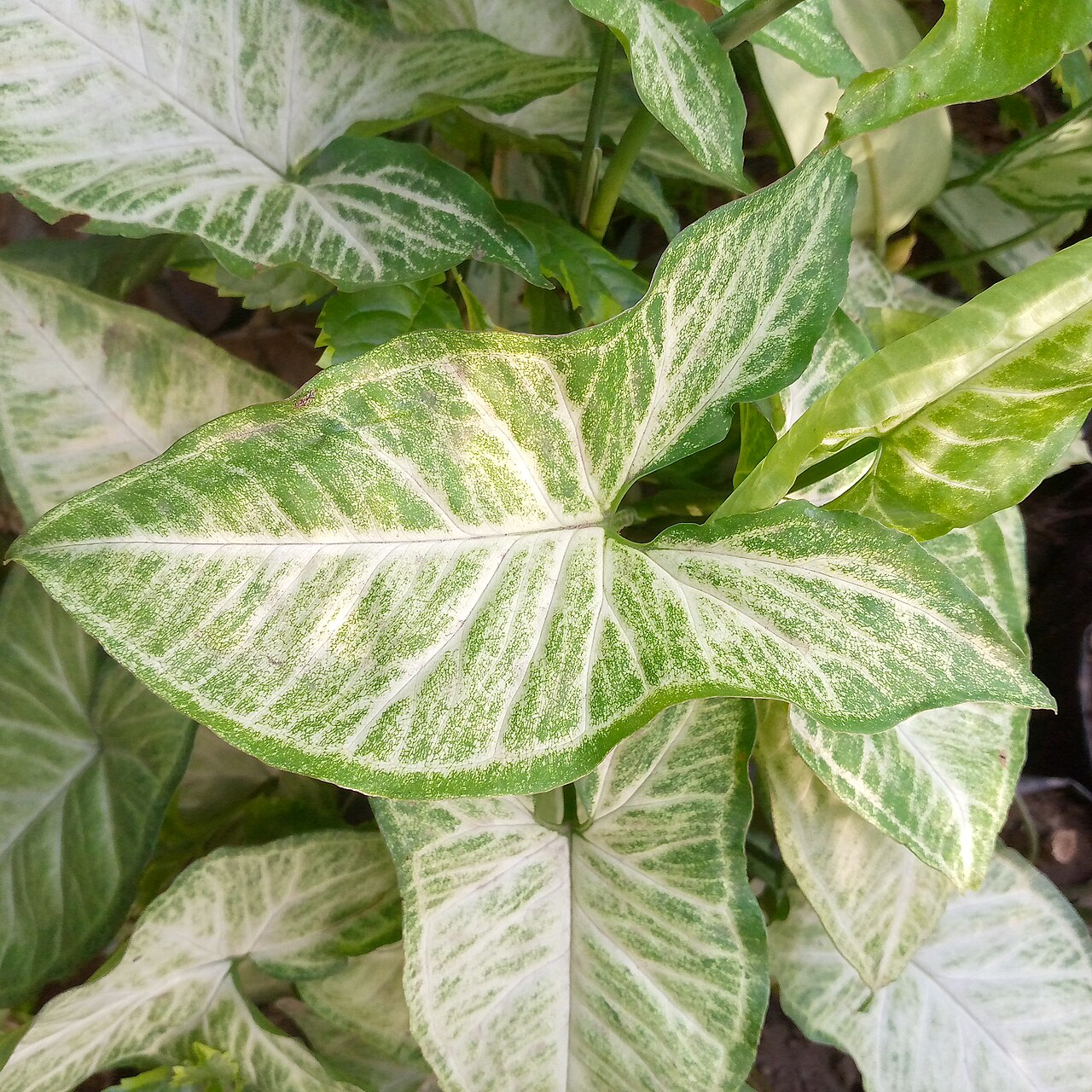
Is your plant producing babies all on its own? That’s not unusual at all! Many houseplants naturally form offshoots and plantlets — small daughter plants just waiting to be potted up. Vegetative propagation through offshoots is the simplest and most natural method of plant propagation.
What Are Offshoots and Plantlets?
Offshoots are side shoots that the mother plant produces at its base or on runners. Plantlets are miniature versions of the mother plant that grow directly on it — often at the leaf margins, on the stem, or on the roots. Both are genetically identical clones and, once they’re big enough, can be separated and potted up on their own.
Plants That Form Plantlets
Spider Plant (Chlorophytum comosum)
The classic example: the spider plant produces long runners with small daughter plants at the ends. Once the plantlets have grown their own small roots (after 3–4 weeks), simply cut them off and place them in a small pot with soil. Done!
Bromeliads and Pineapple Relatives
Bromeliads die back after flowering, but before that they produce several plantlets, called “pups,” at the base. Wait until the pups are about half the size of the mother plant, carefully separate them with a clean knife, and pot each one individually.
Aloe Vera
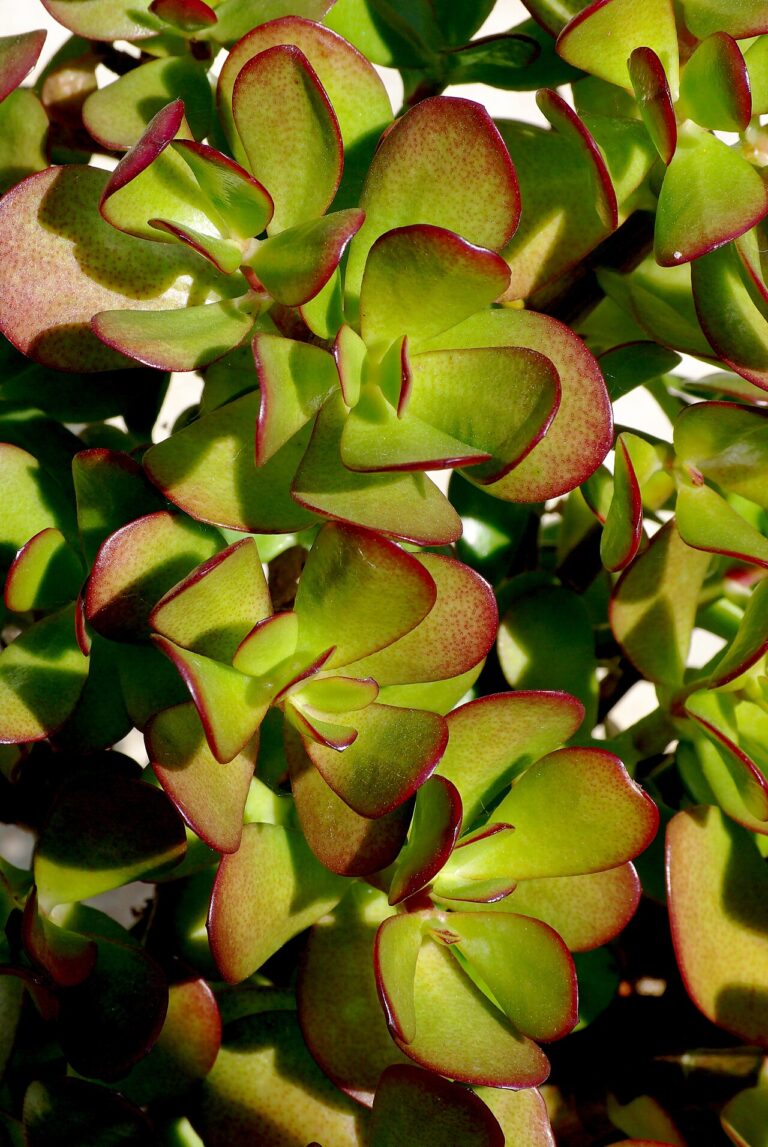
Aloe vera readily produces root offshoots — small aloe plants that sprout from the soil next to the mother plant. You can easily separate them from the mother plant when repotting. Important: let the cut surface dry for 1–2 days before planting, or it may rot.
Cacti and Succulents
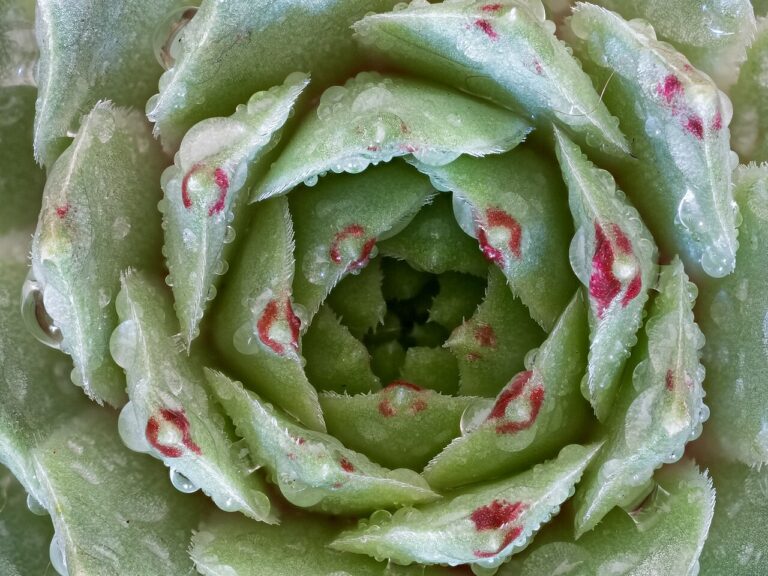
Many cacti and succulents form side shoots that you can simply twist off and plant. The same rule applies here: let the cut surface dry first! Especially easy: use cactus soil and wait a week before the first light watering.
Snake Plant (Sansevieria)
Snake plants form rhizomes — underground stems — from which new leaf clusters sprout. When repotting, divide the plant and plant each offshoot separately.
Orchids (Phalaenopsis)
With good care, some Phalaenopsis orchids form plantlets, called “keikis,” on the flower stem. These are tiny at first and depend on the mother plant. Only once the keiki has at least 2–3 of its own leaves and 3–4 roots at least 3 cm (about 1 in) long should you carefully separate it and pot it in orchid substrate.
Propagation by Layering
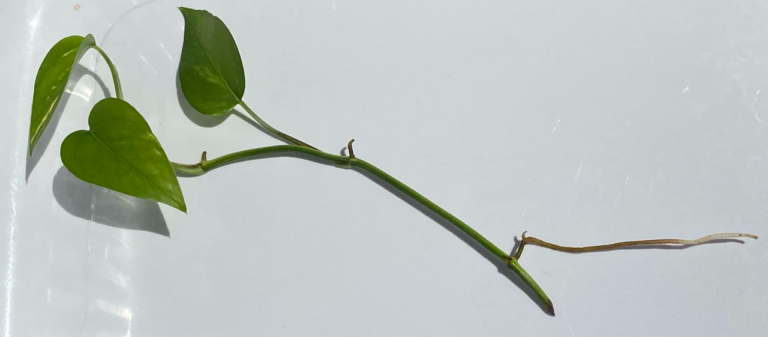
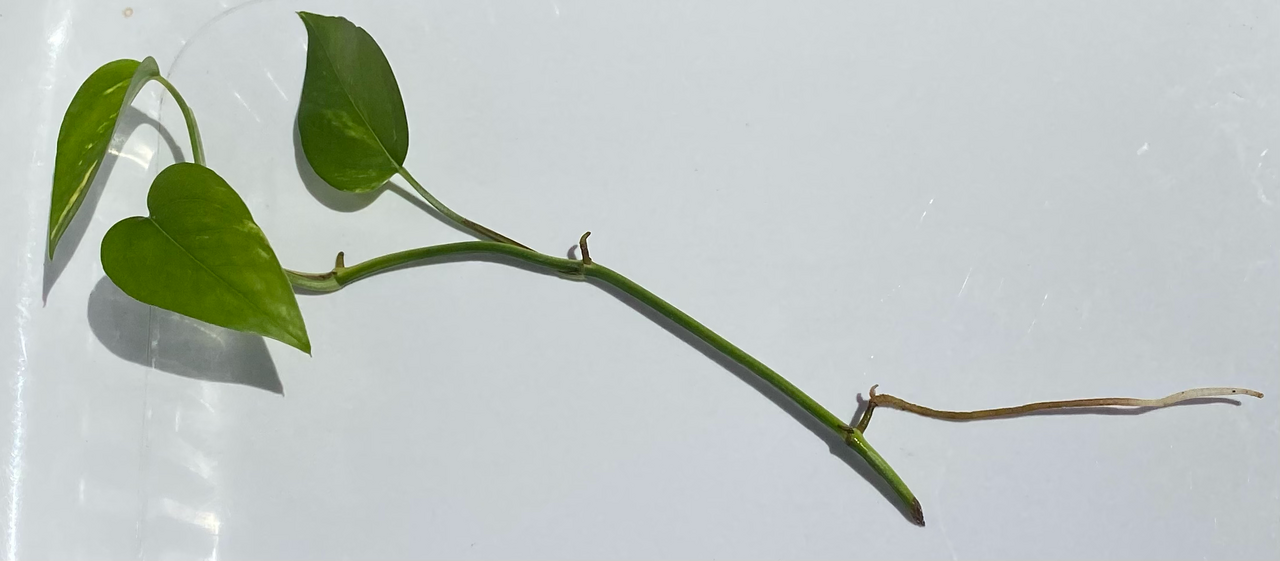
With climbing and trailing plants, you can simply lay a stem on the soil and pin it down with a small stone or hook (don’t cut it off!). Where the stem touches the soil, roots will form after a few weeks. Once the new root ball is strong enough, separate the stem from the mother plant. Well suited for: pothos, philodendron, and ivy.
When Is the Right Time?
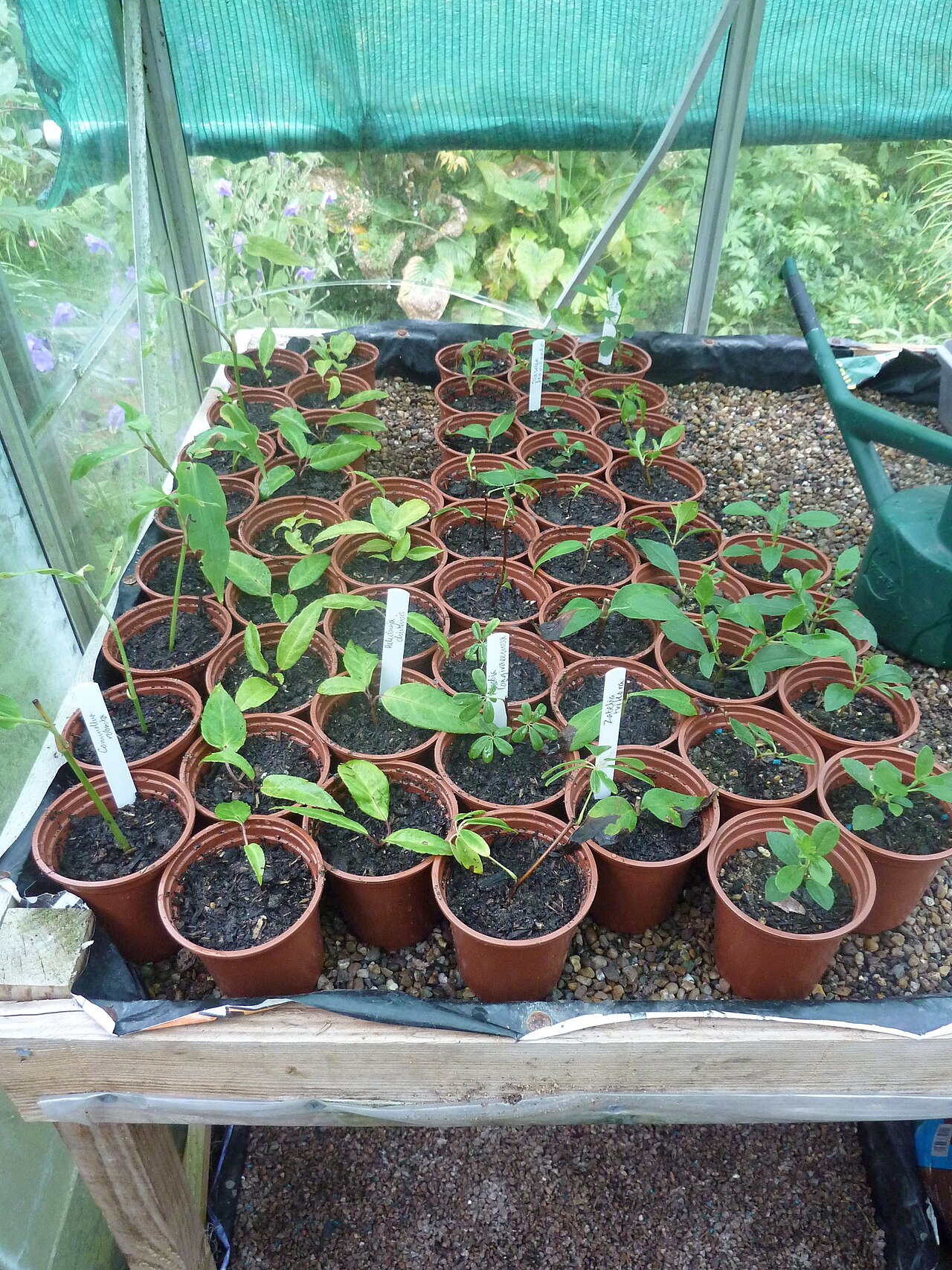
The best time to separate plantlets and offshoots is spring, when the main growing season begins. That gives the young plants the whole season to develop strong roots. Important: only separate plantlets once they have at least 2–3 of their own leaves and their first roots!
Care After Potting
- Bright spot, no direct sun: Young plants are sensitive.
- High humidity: A clear plastic bag over the pot creates a humid microclimate.
- Only water once the soil has started to dry: Young roots are sensitive to waterlogging.
- No fertilizer for the first 6–8 weeks.
With a little patience, you’ll soon have a whole plant family — completely free of charge!