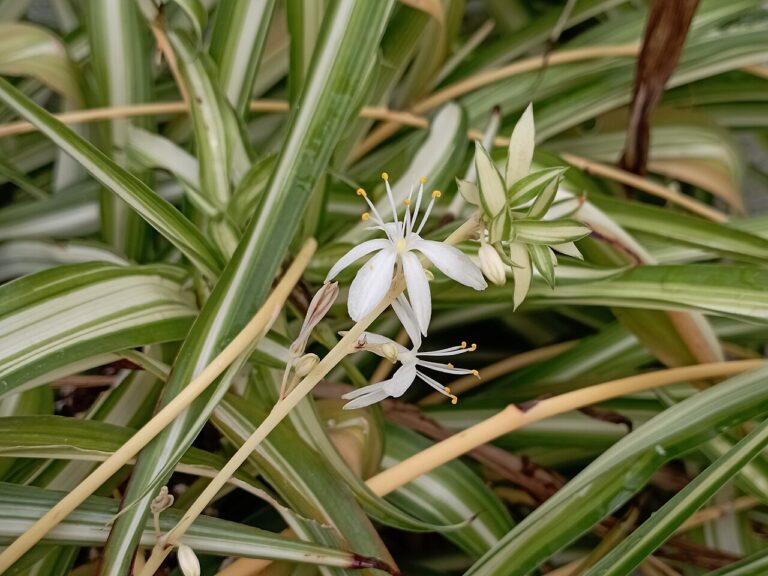
Spider Plant (Chlorophytum): The Perfect Low-Maintenance Hanging Plant
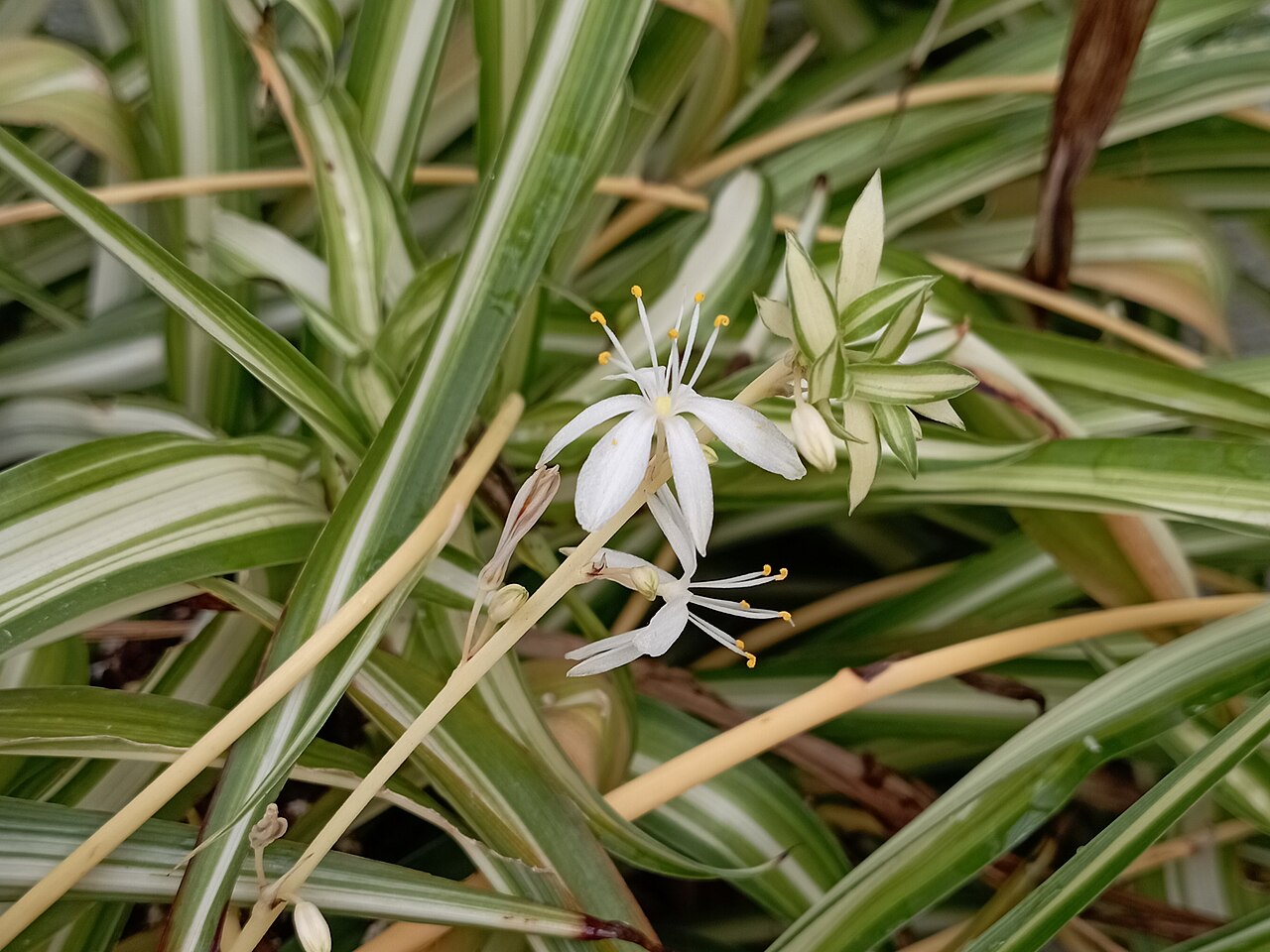
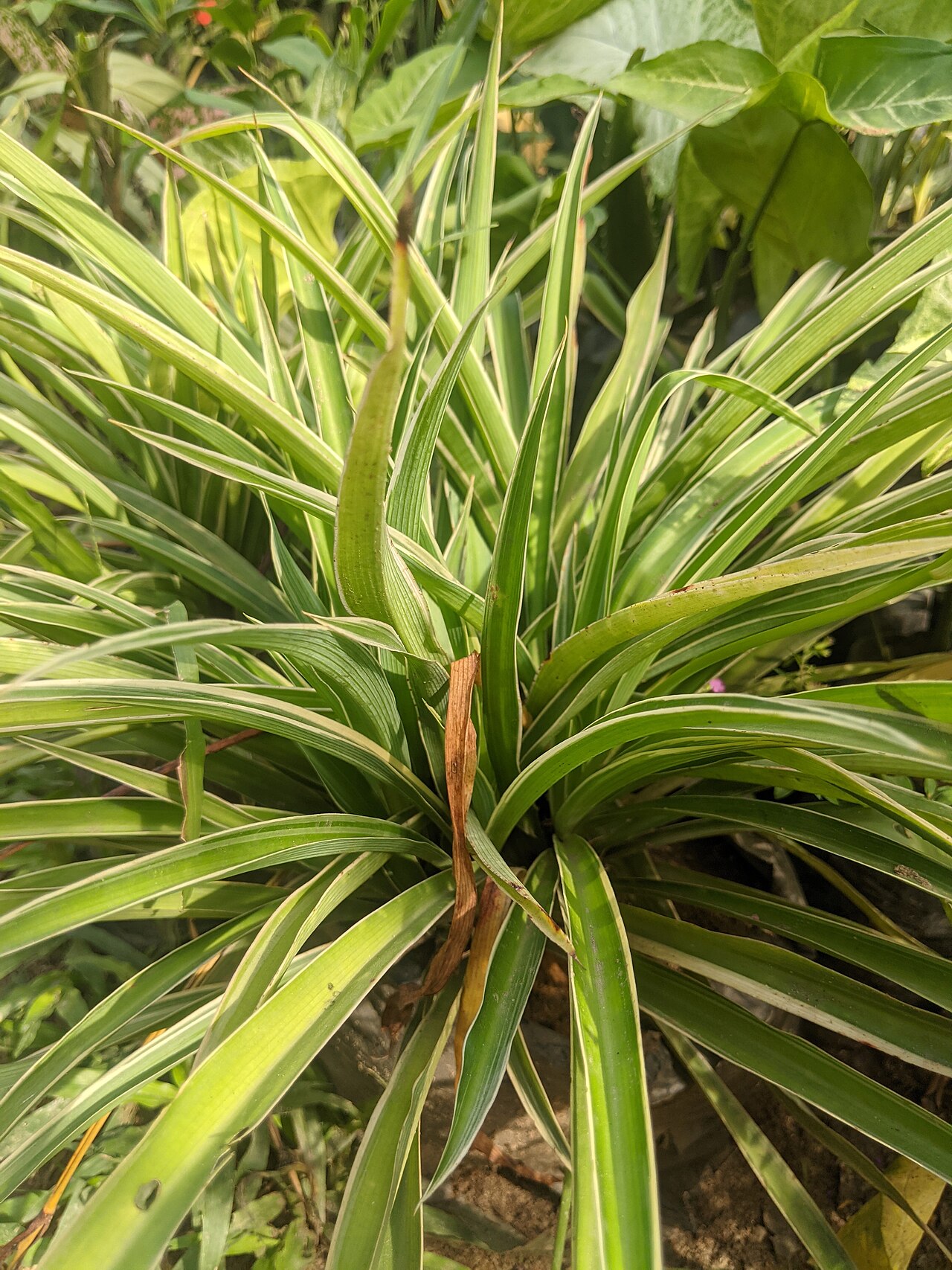

The Spider Plant: An Unkillable Classic
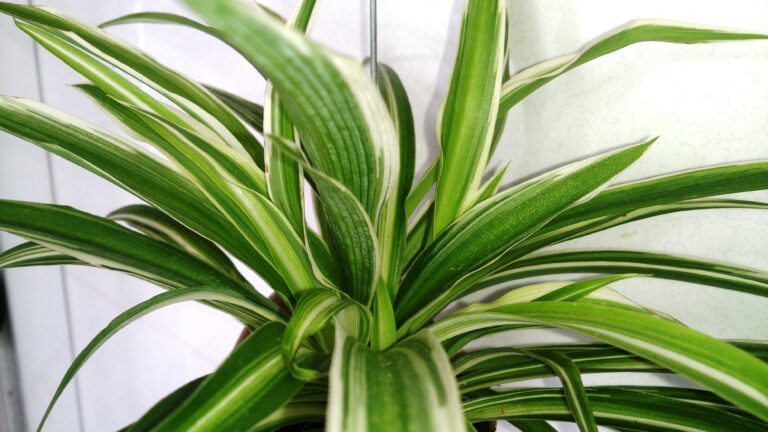
The spider plant (Chlorophytum comosum) is one of the most popular and forgiving hanging plants you can grow. Its grassy, green-and-white striped leaves and the trailing baby plantlets it sends out on long stems make it a natural choice for hanging baskets or high shelves. NASA’s Clean Air Study rated it among the most effective houseplants for filtering indoor pollutants such as formaldehyde and carbon monoxide from the air. Few plants tolerate as many care mistakes and keep bouncing back.
Choosing the Right Spot
Spider plants are remarkably adaptable. They do best in bright spots with indirect light but will also get by in shadier corners, though variegated types need a bit more brightness to keep their striping. A temperature range of 59-77°F (15-25°C) works well. In summer, spider plants can move outdoors to a partly shaded spot, and they look especially good trailing from a hanging basket on a balcony.
Watering: Keep It Evenly Moist
Spider plants like evenly moist soil but won’t tolerate sitting in water. Water once the top layer of soil has dried out — about twice a week in summer, less often in winter. Brown leaf tips usually signal air that’s too dry or inconsistent watering. A self-watering hanging pot can help maintain steady moisture.
Humidity and Leaf Care
Ordinary indoor humidity is fine for spider plants, though they appreciate an occasional misting, especially in winter when heating dries out the air. Brown tips can simply be trimmed off with scissors.
Feeding
Feed every two weeks from March to September with a liquid houseplant fertilizer at half strength. In winter, once a month is plenty, or you can skip feeding altogether. An organic liquid feed encourages strong leaves and plenty of new plantlets.
Propagation Made Easy
Spider plants send out long stems tipped with small plantlets that look like miniature copies of the parent plant. Once a plantlet has grown small aerial roots, snip it off and pot it directly in soil. Alternatively, set a small pot of soil beneath the plantlet so it can root while still attached to the parent. A peat-free seed and cutting compost works well for this.
Repotting
Spider plants grow quickly and generally need repotting every year. A sure sign it’s time: the thick, fleshy roots start pushing up out of the pot or even crack it. Move up to a pot 1-2 inches larger and use a loose potting mix. Healthy roots are white and firm, and they store water, which is part of why this plant tolerates the occasional missed watering so well.
Popular Varieties
- Variegatum — the classic, with green-and-white striped leaves
- Vittatum — a broad white stripe down the center of each leaf
- Bonnie — compact growth with curly, twisted leaves
- Ocean — cream-edged leaves on an especially compact plant
Common Problems
Brown leaf tips: Dry air, underwatering, or too much fertilizer.
Faded leaves: Too much direct light — move to a shadier spot.
No plantlets: The plant may be too young, or lacking nutrients — try feeding.
Root rot: Usually waterlogging — water less and repot into fresh soil.
Final Thoughts
The spider plant is the perfect hanging plant for beginners and anyone who wants an easygoing, fast-growing houseplant. It helps clean the air, produces plantlets in abundance, and looks great trailing from any hanging basket.
This article may contain affiliate links. If you purchase a product through one of these links, Plantgecko may earn a commission at no extra cost to you. This never influences our editorial independence or which products we recommend.