
Hanging Plants for the Home: 5 Beautiful Types Compared
Introduction
Hanging plants add depth and movement to a room that potted plants on shelves simply can’t match. Trailing foliage softens hard edges, fills empty corners near windows, and draws the eye upward. Not every trailing plant suits every home, though, since light levels and watering habits vary considerably between species. Here are five reliable, attractive options and what each one needs to thrive.
What Makes a Good Hanging Plant
The best candidates for hanging baskets share a naturally trailing or vining growth habit, tolerance for the drier air and inconsistent watering that baskets are prone to, and foliage dense enough to look full without constant pruning. Placement matters too: a basket near a bright window will support more light-hungry species, while a shadier corner calls for plants that tolerate lower light.
Who This Is For
Five Popular Hanging Plants
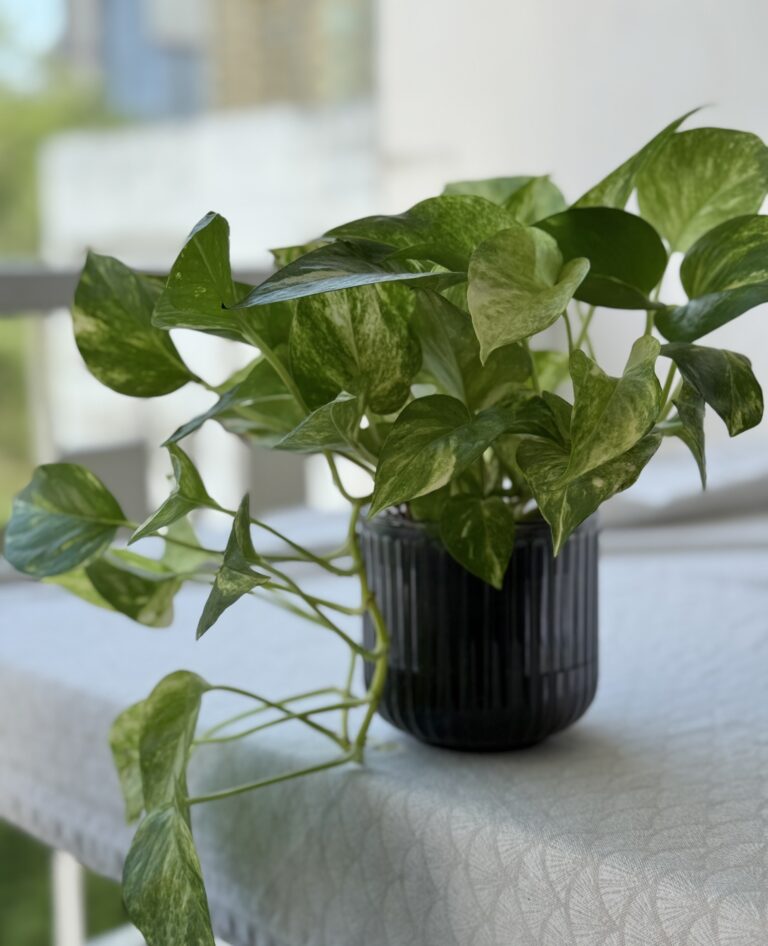
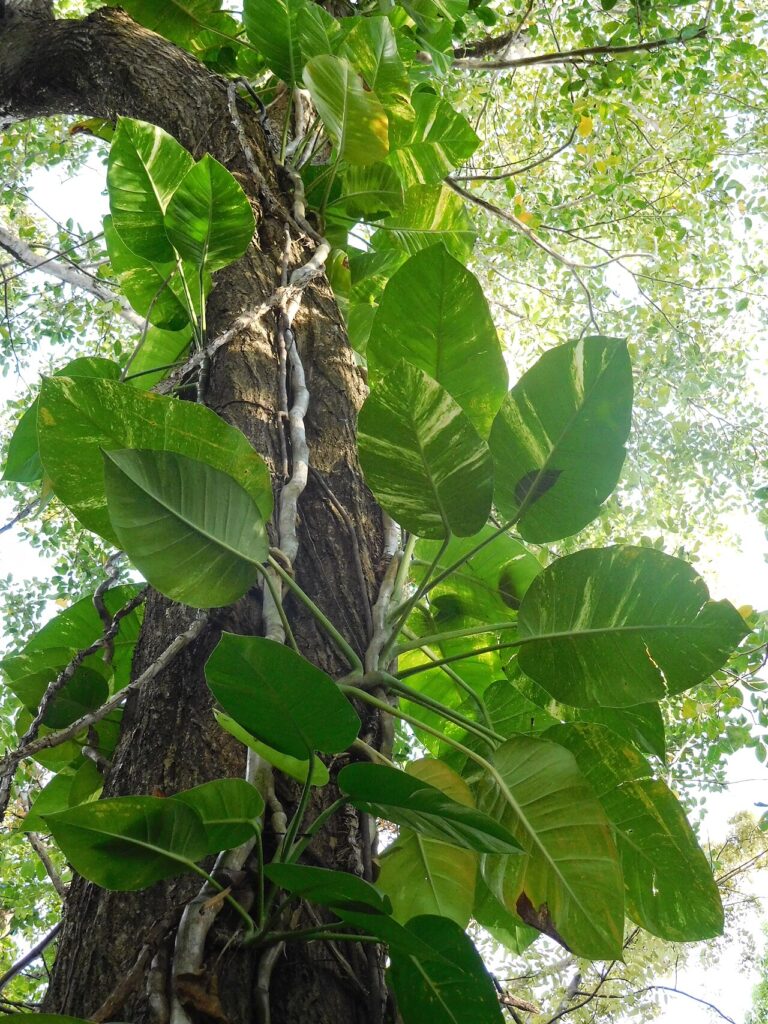
Golden Pothos (Epipremnum aureum): Heart-shaped, variegated leaves trail several feet and tolerate low to bright indirect light. It forgives inconsistent watering, making it ideal for beginners.
Buying Criteria
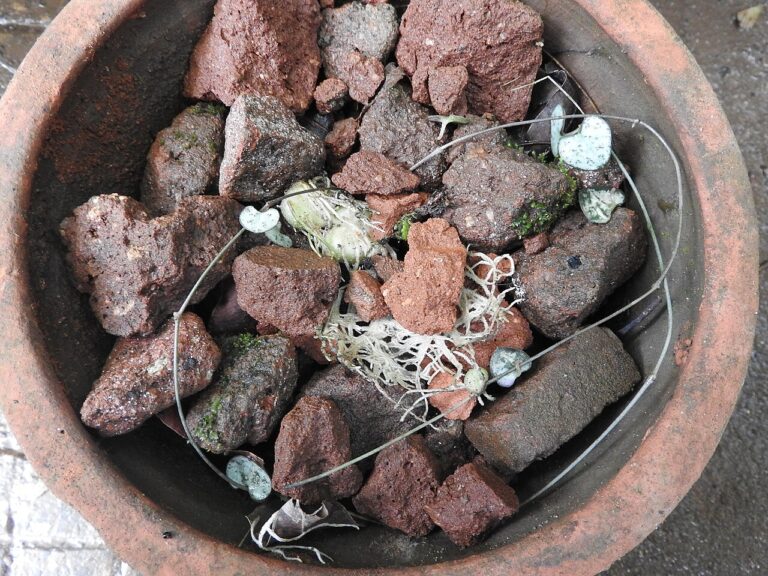
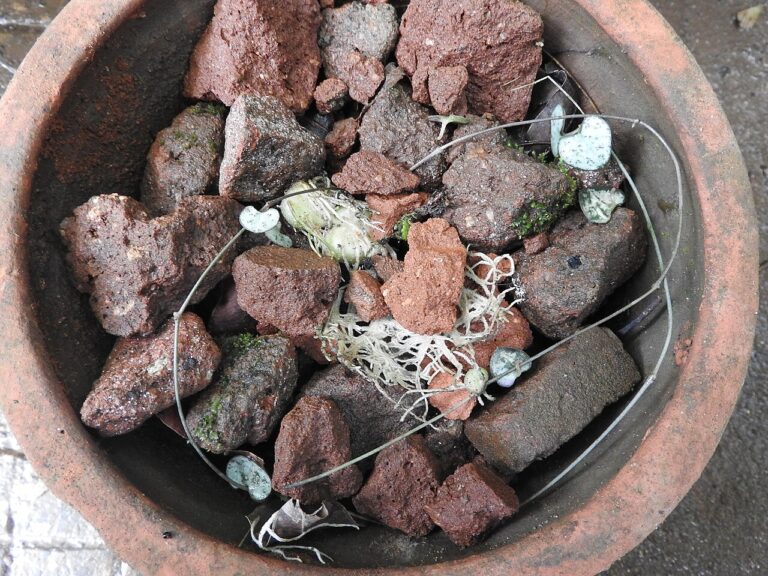
String of Pearls (Curio rowleyanus): A succulent with bead-like leaves that cascade dramatically. It needs bright light and infrequent watering, since it stores water in its foliage and rots easily if kept too wet.
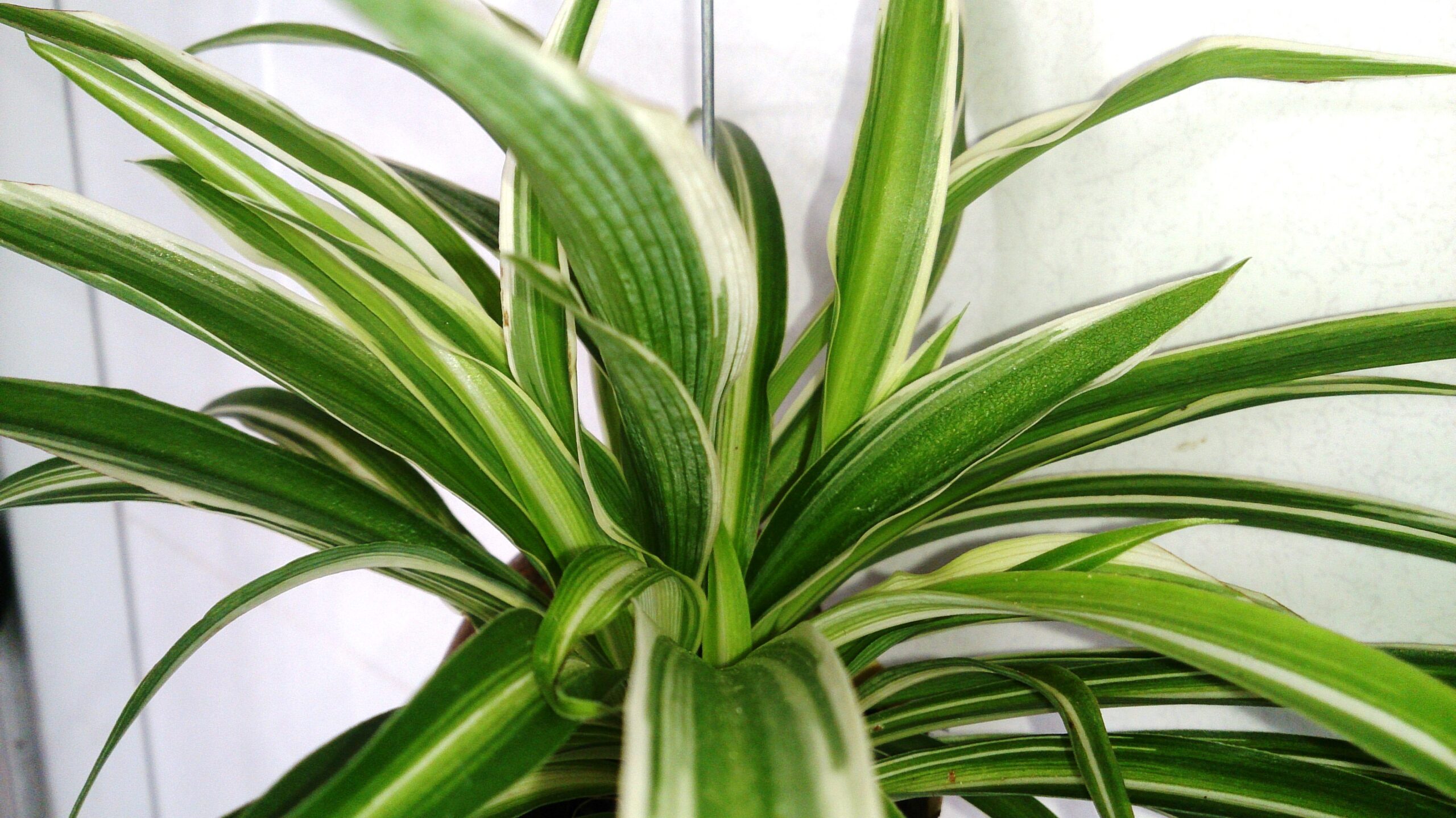
Spider Plant (Chlorophytum comosum): Arching, striped leaves send out small plantlets on long stems, creating a fountain-like effect. It handles a wide range of light and is very tolerant of neglect.
Product/Option Categories
English Ivy (Hedera helix): Classic lobed leaves in green or variegated forms trail neatly and prefer cooler rooms with bright, indirect light and consistently moist soil.
Boston Fern (Nephrolepis exaltata): Feathery, arching fronds create a lush, full look. It prefers higher humidity and evenly moist soil, so it does especially well in bathrooms or kitchens.
Trade-offs
Hanging Plants at a Glance
PlantLightWater NeedsGrowth Habit
Golden Pothos (Epipremnum aureum)Low to bright indirectForgivingTrailing vine
String of Pearls (Curio rowleyanus)Bright, some directLow, succulentCascading beads
Spider Plant (Chlorophytum comosum)Low to bright indirectForgivingArching with plantlets
Boston Fern (Nephrolepis exaltata)Medium, indirectHigh, consistentLush fronds
Care Tips for Hanging Baskets
Hanging baskets dry out faster than pots sitting on a saucer, since air can circulate around the entire container. Check soil moisture by feel rather than by schedule, and water thoroughly until it drains from the bottom. A basket with a built-in saucer or drip tray will protect floors and furniture below.
Disclosure
This article may contain affiliate links. If you purchase a product through one of these links, Plantgecko may earn a commission at no extra cost to you. This never influences our editorial independence or which products we recommend.
| Product | Best For | Price | |
|---|---|---|---|
| Golden Pothos (Epipremnum aureum) | Top Pick | Check price | View |
| String of Pearls (Curio rowleyanus) | Also Consider | Check price | View |
| Spider Plant (Chlorophytum comosum) | Also Consider | Check price | View |
| English Ivy (Hedera helix) | Also Consider | Check price | View |
| Boston Fern (Nephrolepis exaltata) | Budget Alternative | Check price | View |
Recommendation Framework
Rotate hanging plants occasionally so all sides receive even light, which keeps growth balanced rather than lopsided toward the window. Trim back leggy stems in spring to encourage bushier new growth, and repot every year or two into a slightly larger basket once roots fill the current one.
Conclusion
When choosing a hanging planter, look for one with adequate drainage and a sturdy hook or bracket rated for the plant’s mature weight, since a full basket of moist soil is heavier than it looks. Lightweight plastic or fiberglass pots are easier on ceiling hooks than heavy ceramic, especially for larger specimens like a mature Boston fern.

One Comment