
Climbing and Hanging Plants Indoors: Creating Vertical Greenery
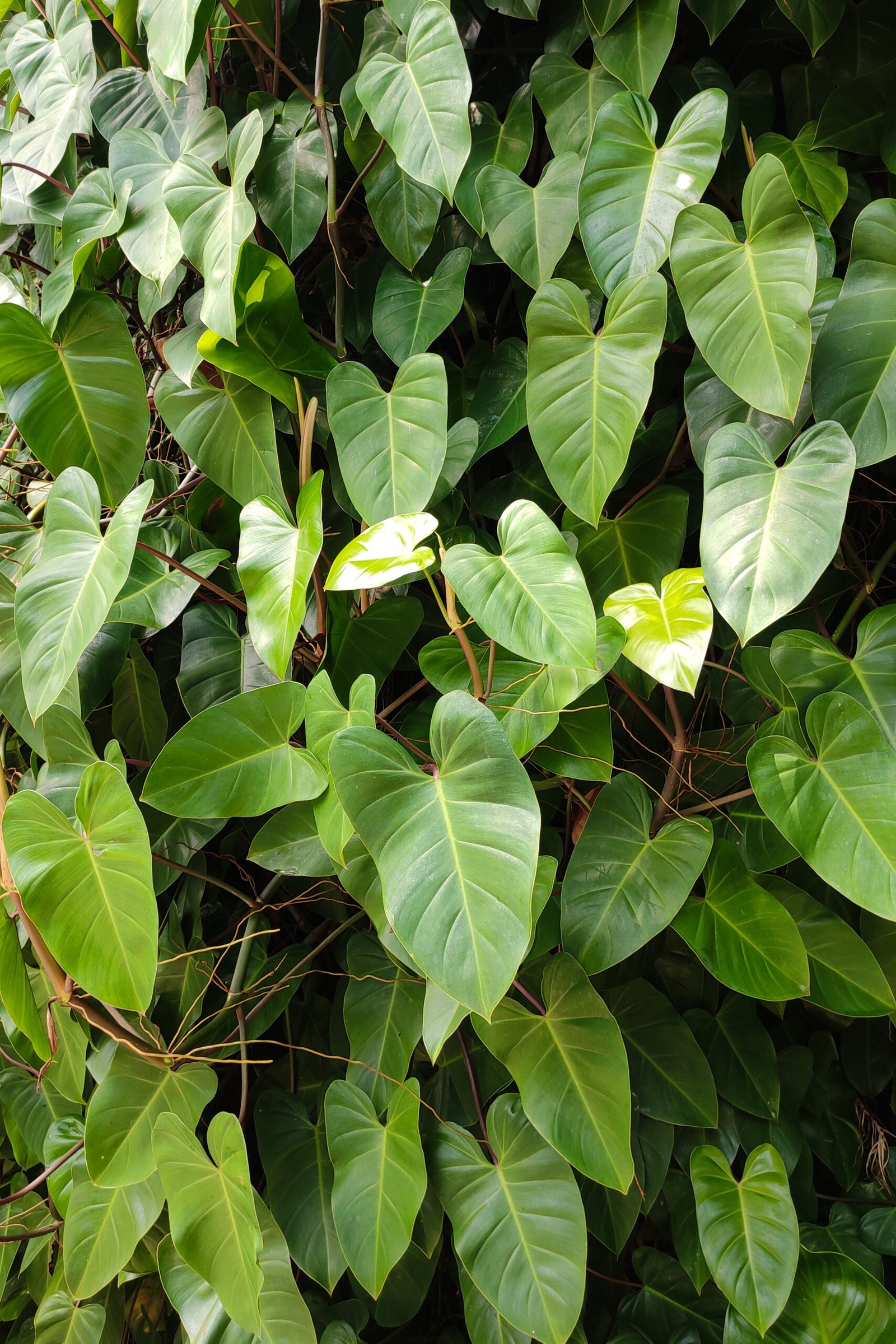
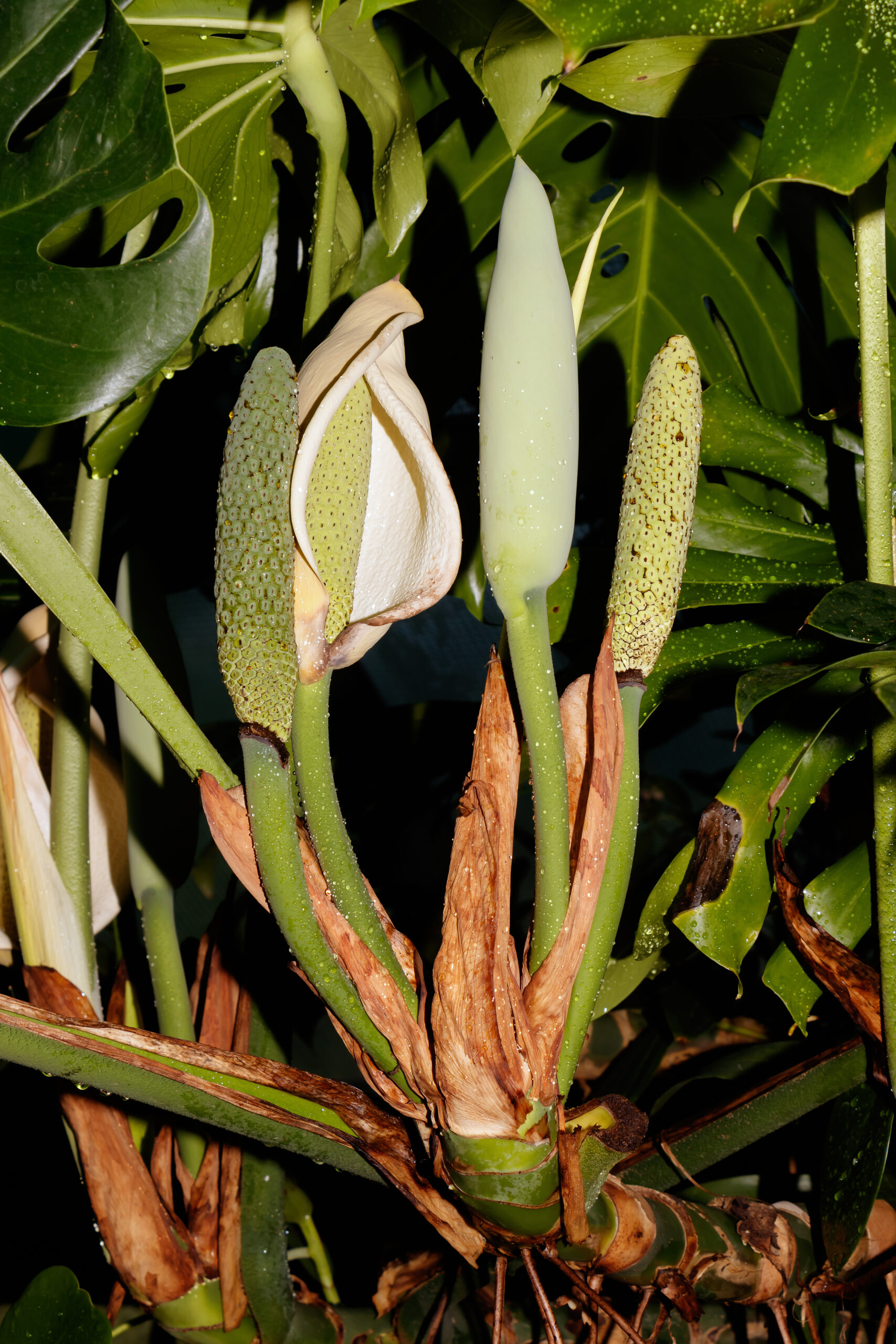
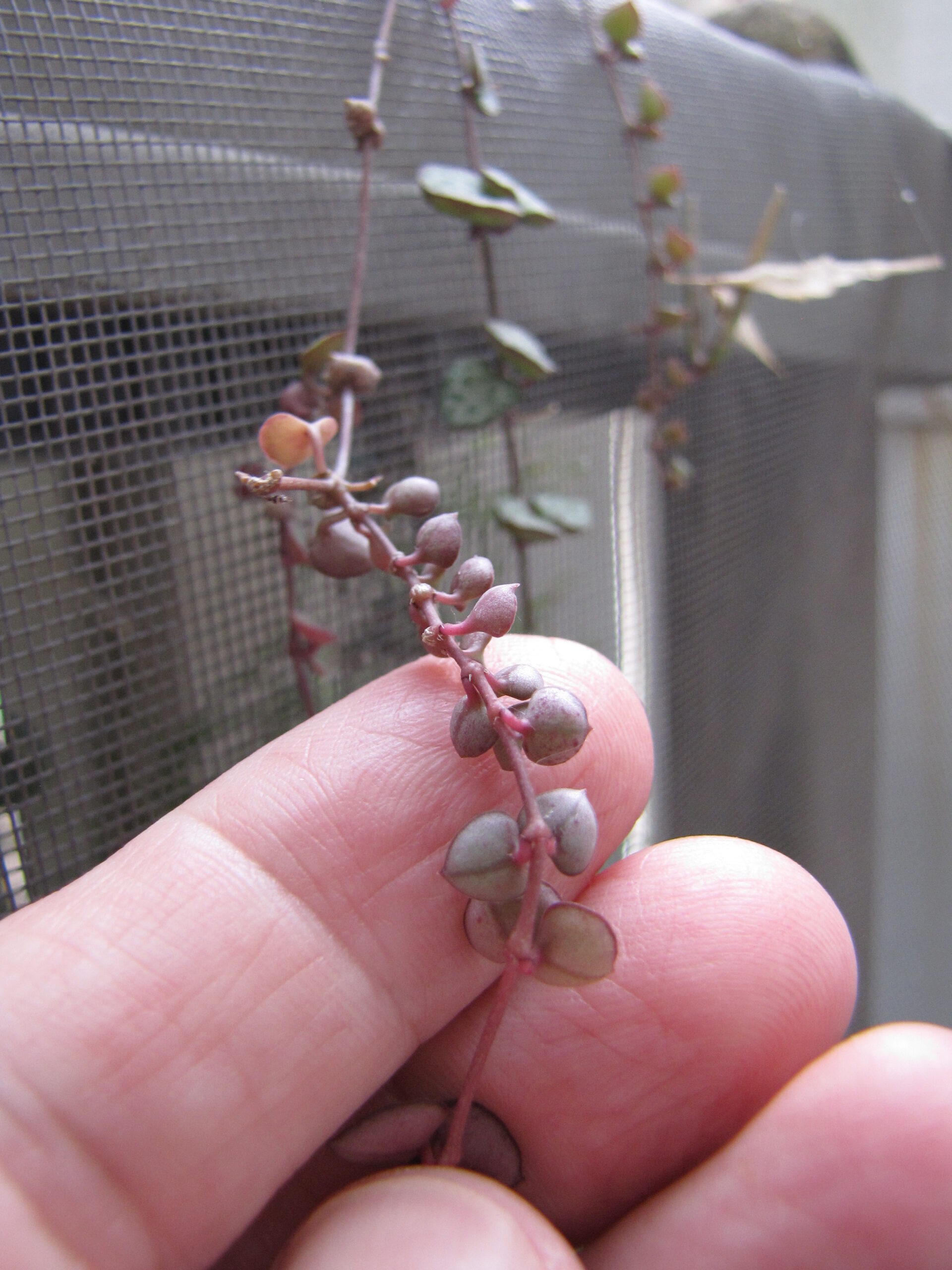
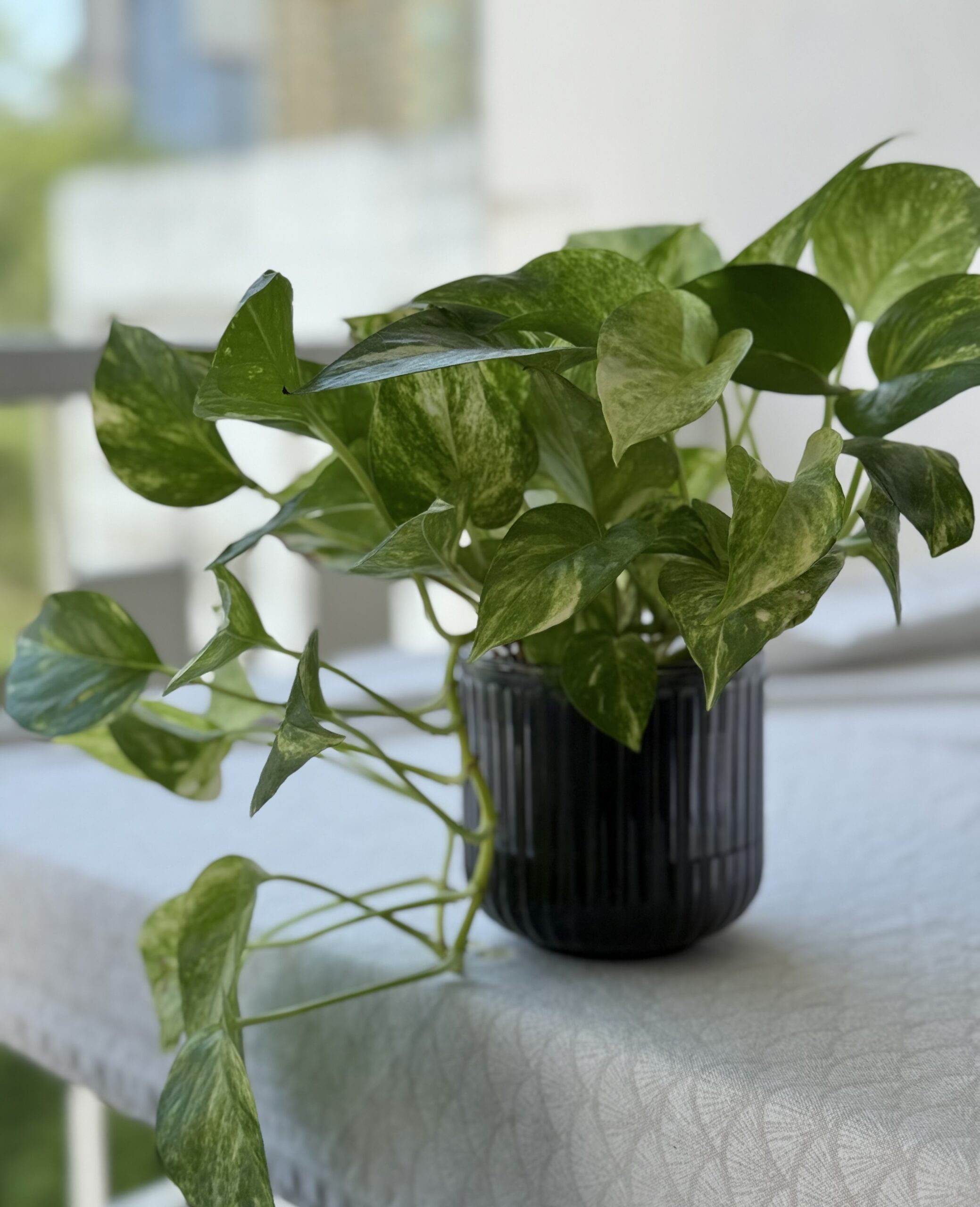
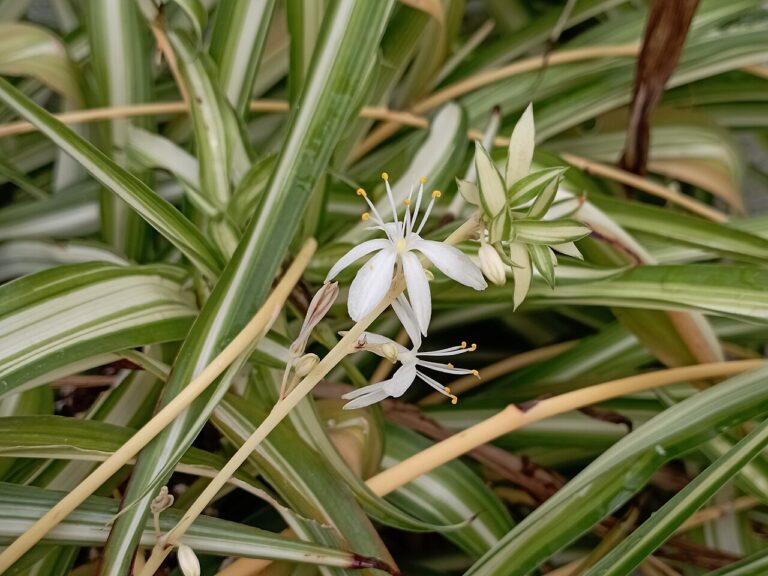
Vertical greenery makes the most of limited floor space and turns walls, shelves, and window frames into living features. Achieving that look indoors relies on understanding two different plant growth habits: climbing and trailing, each of which needs different support to look its best.
Climbing Plants vs. Trailing Plants
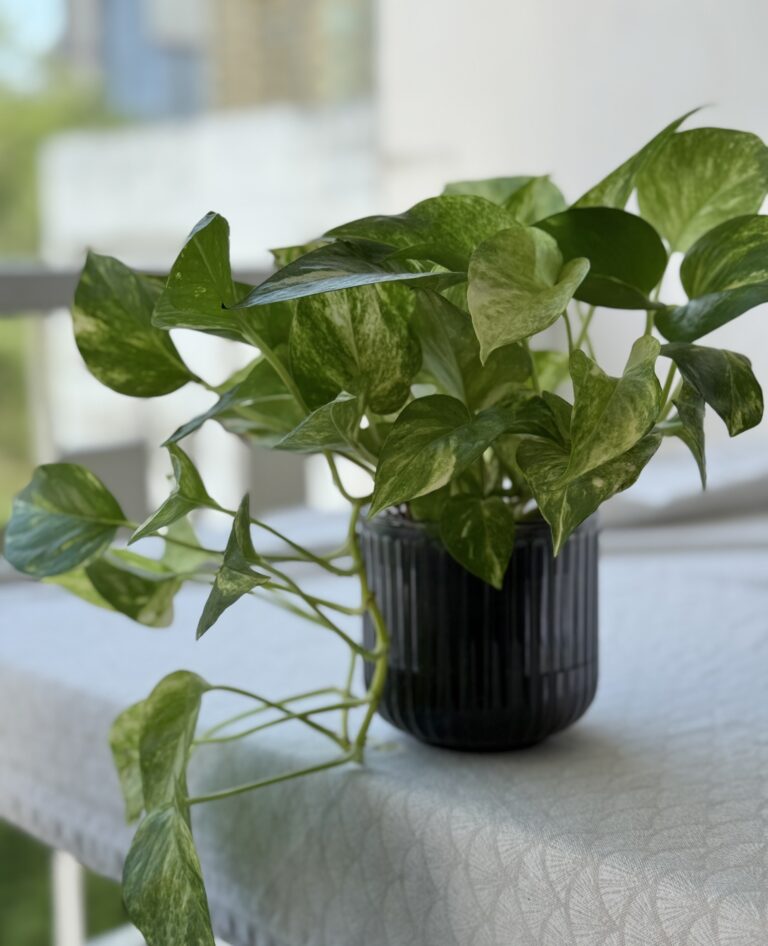
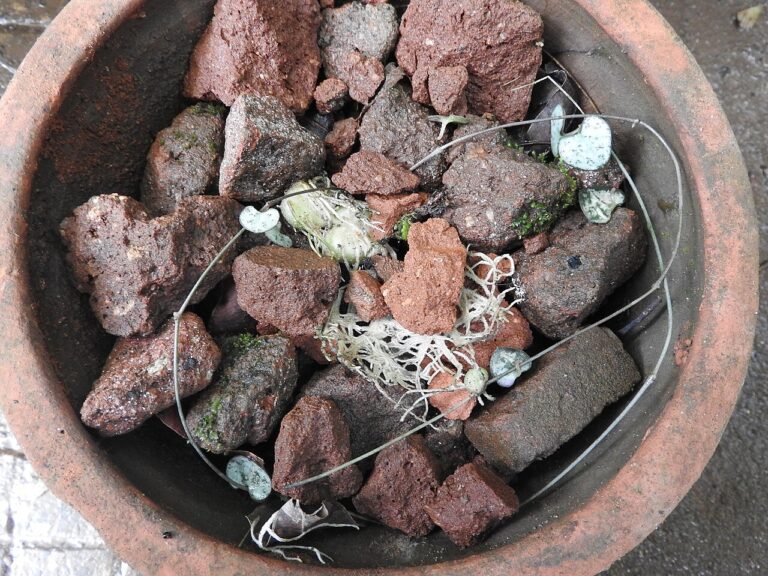
Climbing plants, such as monstera, philodendron, and pothos in their mature form, produce aerial roots that cling to a rough surface as they grow upward. In the wild, these species scale tree trunks toward brighter light in the rainforest canopy, and their leaves often grow larger once they’re allowed to climb rather than trail. Trailing plants, on the other hand, such as string of hearts or many ivies, simply cascade downward from wherever they’re planted and have no built-in mechanism for climbing on their own.
Supports and Structures
- Moss poles: A sphagnum-moss-wrapped pole that’s kept damp mimics a tree trunk and gives aerial roots something to grip, encouraging larger, more mature leaves on aroids like monstera and philodendron.
- Trellises and stakes: Wood or bamboo frames give lighter climbers, such as some pothos varieties, a structure to twine around without needing constant moisture like a moss pole.
- Wall-mounted hooks and rails: A row of hooks lets you train trailing plants horizontally across a wall or window frame, creating a curtain effect over time.
- Macrame hangers and shelving: Layering baskets at different heights builds a sense of depth, especially when trailing and upright plants are mixed together.
Popular Choices for Vertical Greenery
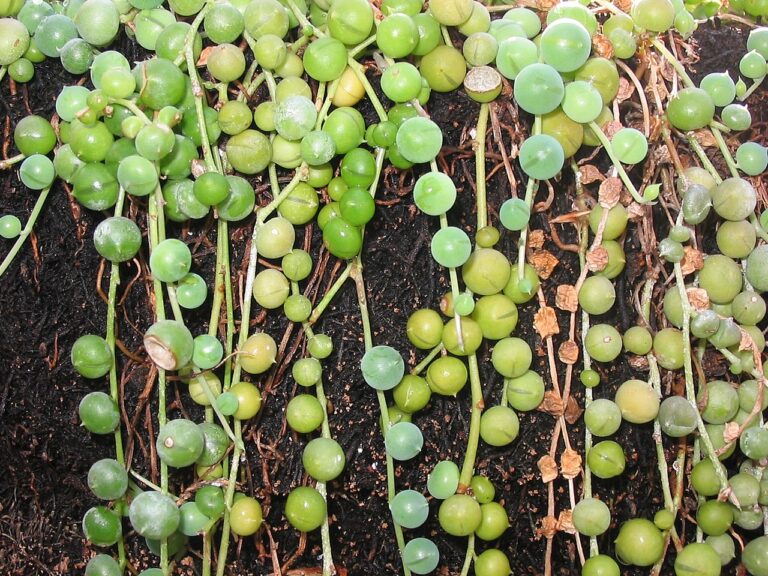
Pothos and philodendron are the easiest starting points because they tolerate a wide range of light and adapt readily to either climbing or trailing depending on how they’re supported. Monstera deliciosa rewards a moss pole with dramatically larger, more deeply split leaves compared to a plant left to sprawl. For trailing effects, string of hearts, string of pearls, and Boston fern all cascade attractively from an elevated pot or shelf without needing any support at all.
Care Considerations
Plants trained onto a support generally need slightly more water and fertilizer than the same species left to trail, because vertical growth and larger leaves demand more resources. Gently tie new growth to the support with soft plant ties until aerial roots attach on their own, and mist moss poles regularly if the plant is actively producing new roots. Rotate wall-mounted plants occasionally to keep growth even, and prune back any stems that grow too heavy for their support before they snap under their own weight.
This article may contain affiliate links. If you purchase a product through one of these links, Plantgecko may earn a commission at no extra cost to you. This never influences our editorial independence or which products we recommend.