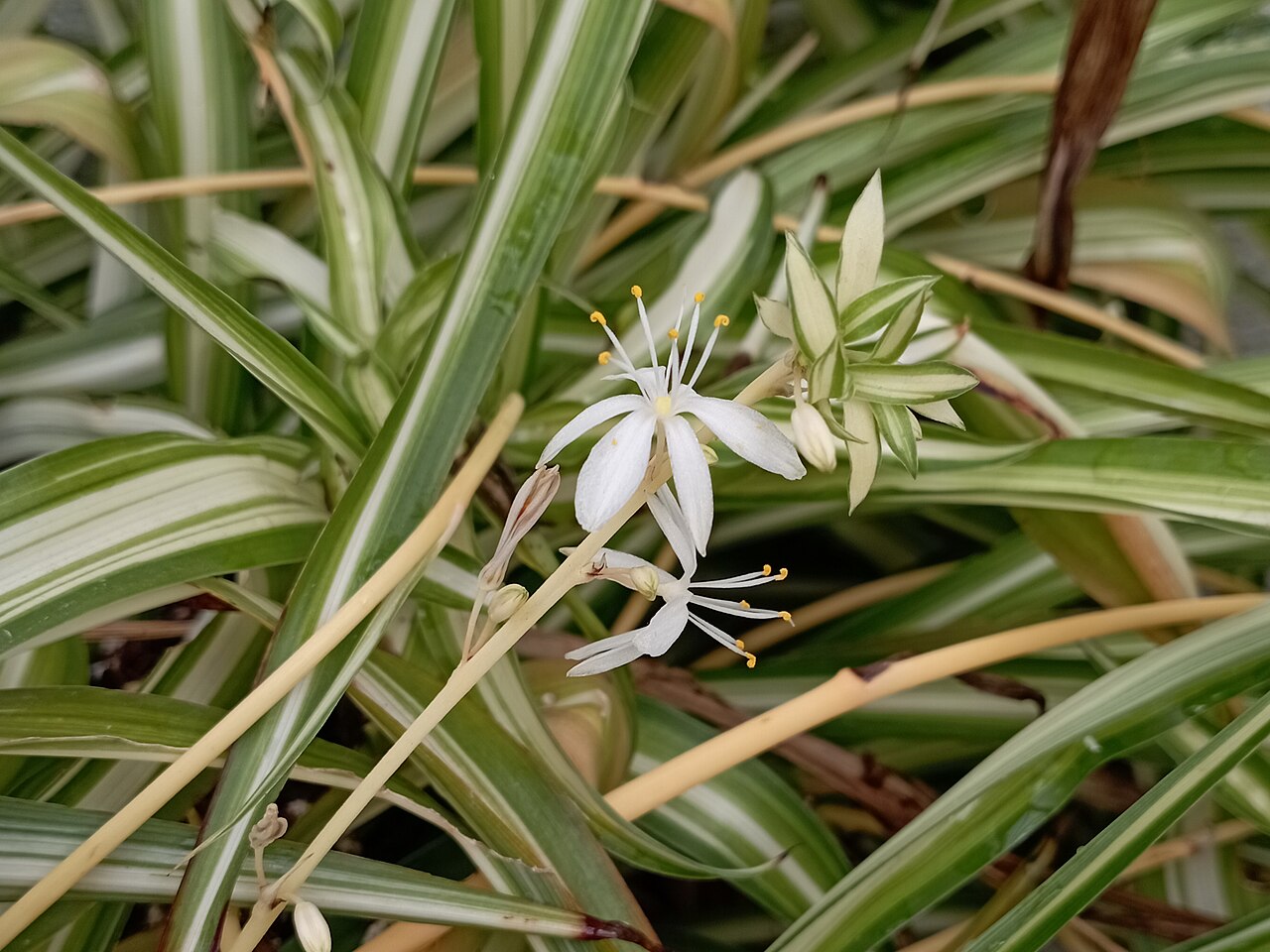
Spider Plant (Chlorophytum comosum): Indestructible and Easy to Propagate
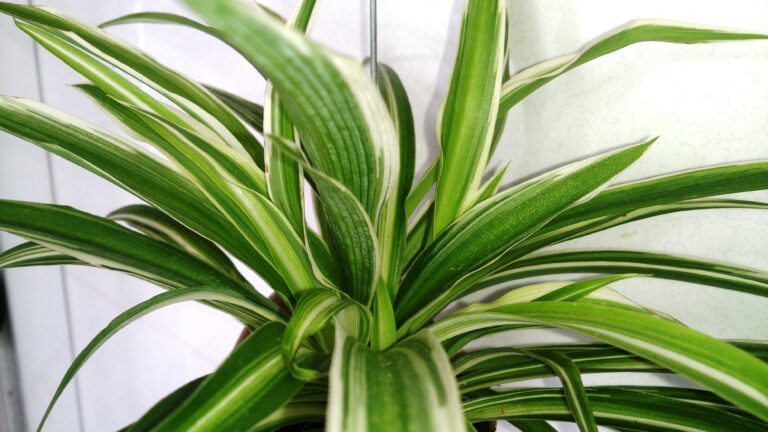
The spider plant (Chlorophytum comosum) is a nearly indestructible classic, instantly recognizable by its arching rosettes of narrow, variegated leaves and the dangling baby plantlets, or ‘pups,’ it produces on long stems once mature. It has been a houseplant staple for generations for good reason: it is forgiving, fast-growing, and easy to multiply.
Light Requirements
Spider plants do well in bright, indirect light but tolerate a fairly wide range of conditions, including moderate shade, making them adaptable to many spots in the home. Direct, intense sun can scorch the leaves, particularly on variegated varieties, so filtered light near a window is ideal.
Watering
Water when the top few centimetres of soil feel dry, keeping the plant moderately moist during active growth and allowing it to dry out a bit more between waterings in winter. Spider plants store some water in their thickened, fleshy roots, giving them decent tolerance for occasional missed waterings.
The Fluoride Sensitivity Issue
One of the most common complaints with spider plants is brown leaf tips, which are usually caused by sensitivity to fluoride, chlorine, or salts in tap water rather than a watering mistake. Using filtered, distilled water, or rainwater, or letting tap water sit out uncovered overnight before use, often significantly reduces this browning over time.
Soil and Potting
A well-draining, general-purpose potting mix is fine. Spider plants develop thick, fleshy, somewhat tuberous roots that can eventually crowd a pot and even crack plastic containers; repot every one to two years into a slightly larger pot when roots become visibly congested.
Producing Pups
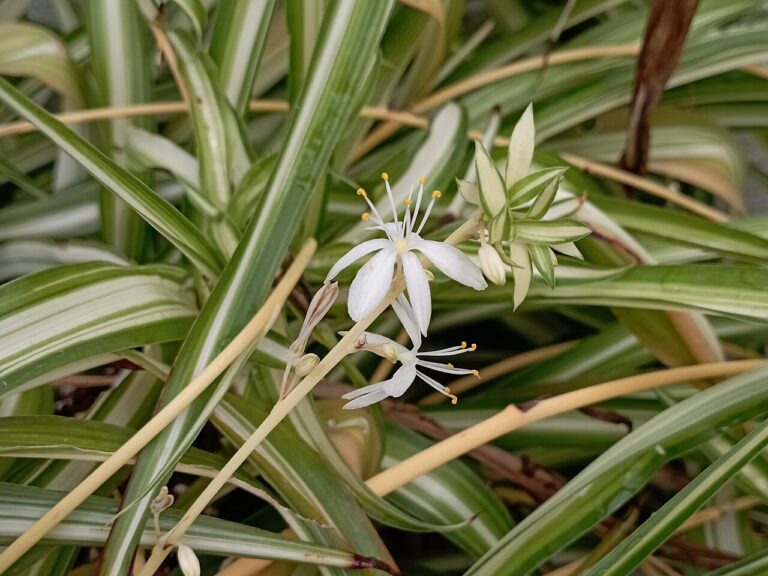
Mature, well-established spider plants send out long stolons bearing small plantlets, especially once the plant is a bit root-bound or has experienced a period of slightly reduced light or day length – a natural flowering and reproduction trigger. Tiny white flowers often appear on these stems just before the plantlets form.
Propagating the Pups
Pups can be rooted while still attached to the parent plant by resting them in a small pot of moist soil or a container of water until roots develop, then snipping the connecting stem, or by cutting them off first and rooting them independently. Either method typically produces roots within a couple of weeks, making spider plants one of the easiest houseplants to propagate and share.
Feeding
Feed with a balanced liquid fertilizer diluted to half strength monthly during spring and summer. Spider plants are relatively light feeders, and excess fertilizer can worsen leaf-tip browning.
Safety
Spider plants are non-toxic to cats and dogs, which, combined with their easy care, makes them a popular choice for pet-owning households – though the dangling leaves and pups can still tempt playful cats to bat at or chew on them.
Seasonal Care and Pup Production
Spider plants often show a burst of new pup production in response to seasonal changes, particularly the shortening days of late summer and early autumn, which can act as a natural trigger alongside a somewhat root-bound state. Watering should be reduced somewhat in autumn and winter as growth slows, helping avoid the soggy soil conditions that contribute to root and crown rot in cooler months. Spring’s return of longer days and increased light is the best time for repotting if the fleshy, tuberous roots have filled the pot, and for resuming or increasing feeding frequency after a lighter winter schedule.
One more point worth remembering with spider plants is that their thick, fleshy roots act as water-storage organs, similar to small tubers, which is part of why the plant tolerates occasional missed waterings so well. Over time these roots can build up enough bulk to crack a plastic pot or push visibly against the sides of a container, another useful visual cue, alongside slowed growth, that repotting time has arrived.
Showing Off the Trailing Habit
Because mature spider plants send out long stems bearing dangling pups, many growers display them in a hanging planter or on a raised shelf where the cascading foliage and plantlets have room to hang freely, both showing off the plant’s natural growth habit and making it easier to spot and propagate new pups as they form.
Frequently Asked Questions
Why isn’t my spider plant producing any pups?
Mature spider plants typically need to be somewhat root-bound and may need a natural seasonal cue, such as slightly shorter day length in autumn, before they send out flowering stems and pups; very young or recently repotted plants often simply need more time.
Can spider plant pups be planted while still attached to the parent?
Yes, this is a common and effective method: rest the pup in a small pot of soil next to the parent plant until it roots, then simply snip the connecting stem once the new plant is established.
Are spider plants safe for cats?
Spider plants are non-toxic to cats and dogs, making them one of the safer common houseplant choices for pet owners, though the dangling foliage can still attract playful chewing or batting.
Why do my spider plant’s leaves have brown, papery tips?
This is most commonly linked to tap water sensitivity (fluoride and chlorine), though it can also result from low humidity or excess fertilizer salts; switching to filtered water usually improves new growth over time.
This article may contain affiliate links. If you purchase a product through one of these links, Plantgecko may earn a commission at no extra cost to you. This never influences our editorial independence or which products we recommend.