String of Hearts (Ceropegia woodii): Caring for the Delicate Trailing Plant
String of Hearts (Ceropegia woodii) – The Enchanting Chain of Hearts
String of Hearts, botanically known as Ceropegia woodii, is one of the most charming trailing plants you could imagine. Its paper-thin, thread-like stems can grow up to two meters long and are covered in countless heart-shaped leaves that resemble delicate porcelain pendants. The silvery-green marbling on the top of the leaf and the soft pink underside make every single leaf a tiny work of art. In its native South Africa and Zimbabwe, Ceropegia woodii grows as a succulent climbing plant, which makes it extremely drought-tolerant and easy to care for. No wonder it’s become one of the most sought-after trend plants.
The Ideal Location for String of Hearts
String of Hearts loves bright, indirect light. An east- or west-facing window is the perfect spot. A little morning or evening sun is well tolerated and even enhances the beautiful leaf coloring. Direct midday sun, especially in summer, can scorch the delicate leaves and leave unsightly brown spots. With too little light, the gaps between leaf pairs grow longer and the leaves stay smaller — the plant becomes “leggy.”
The ideal temperature year-round is 18–25°C (64–77°F). In winter, it shouldn’t drop below 15°C (59°F). As a succulent, String of Hearts tolerates dry heating air surprisingly well, but it does benefit from the occasional misting. Avoid cold drafts — a spot right next to a frequently opened window isn’t ideal.
Watering: Succulent Means Sparingly
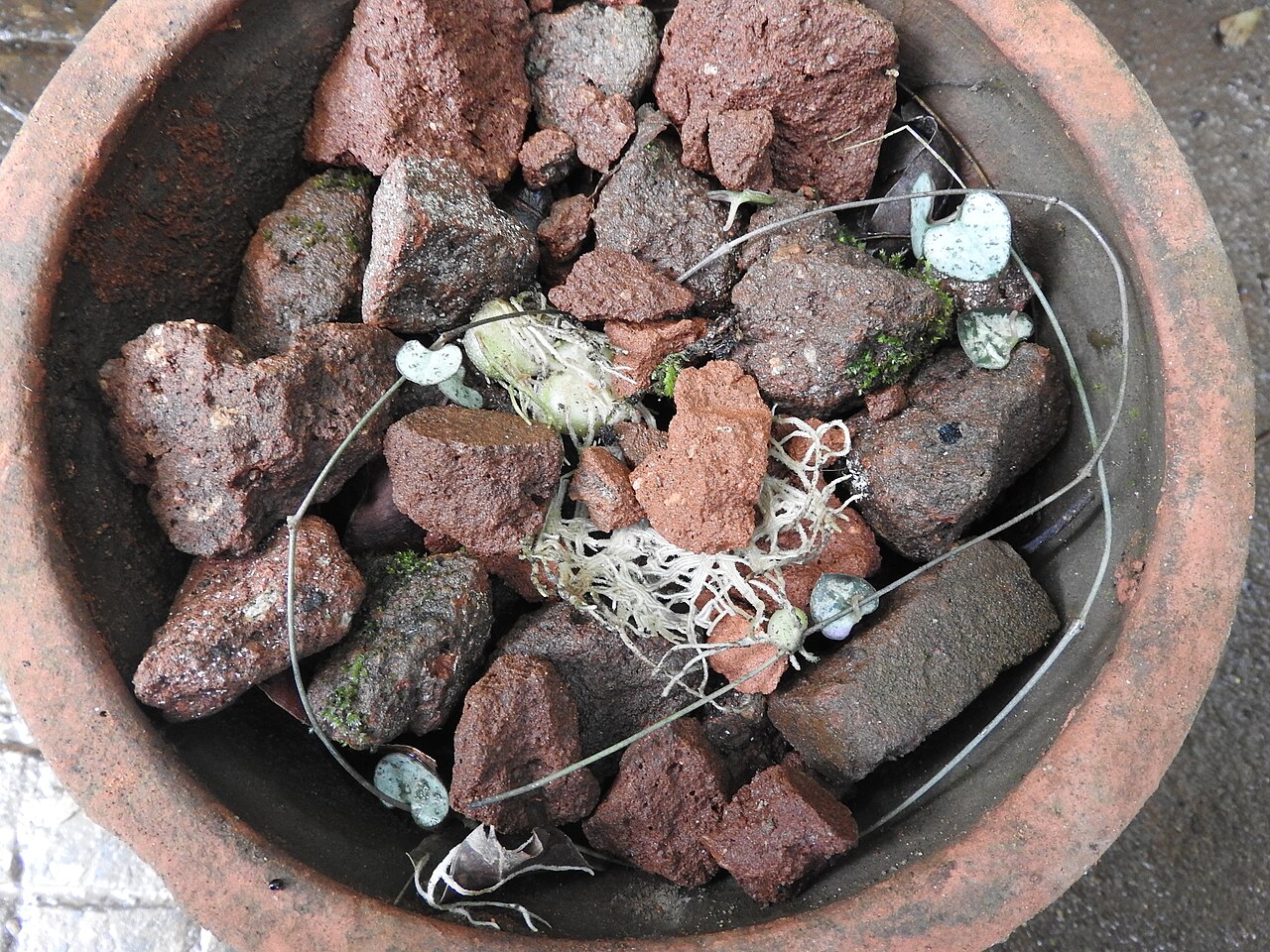
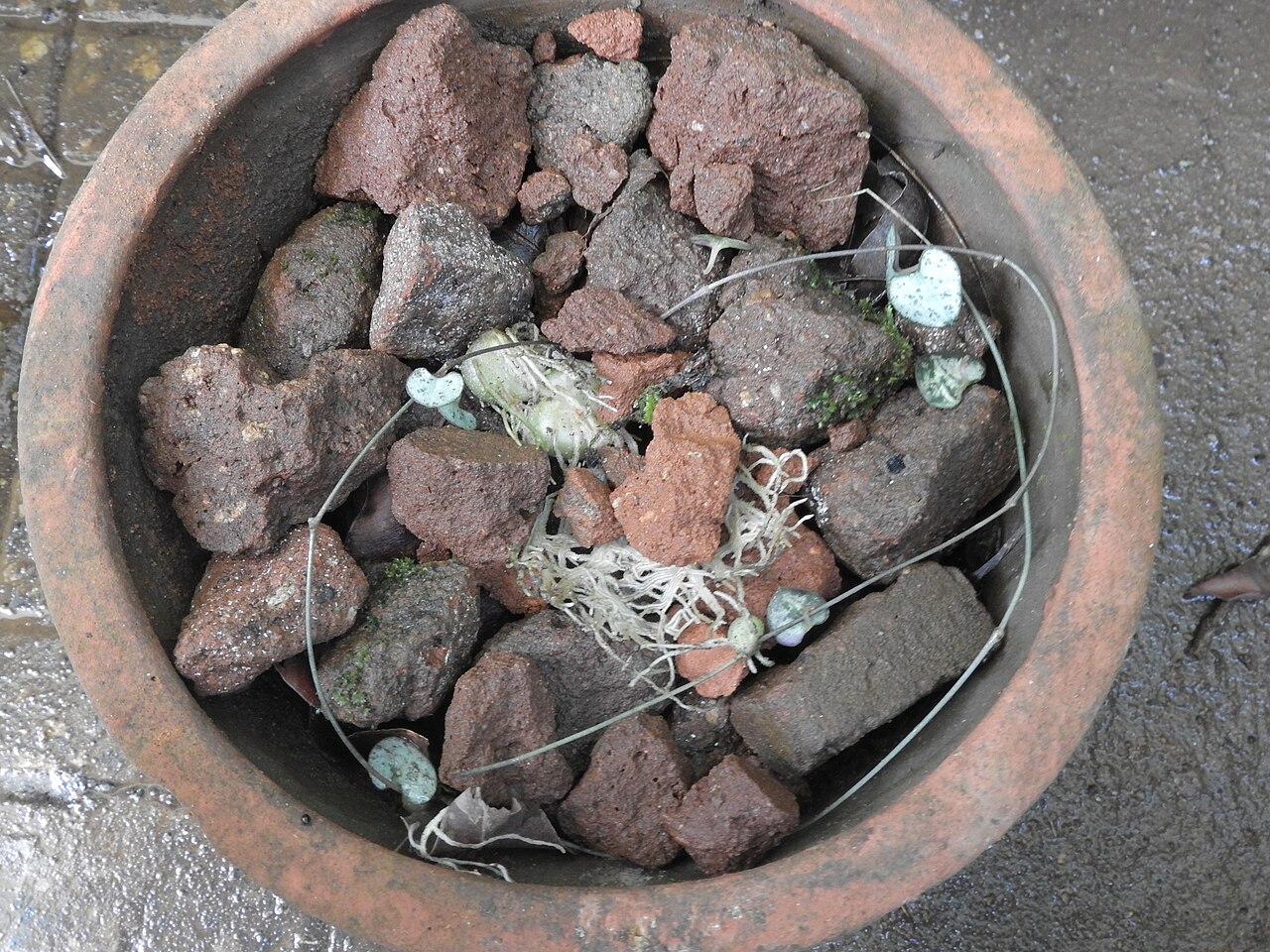
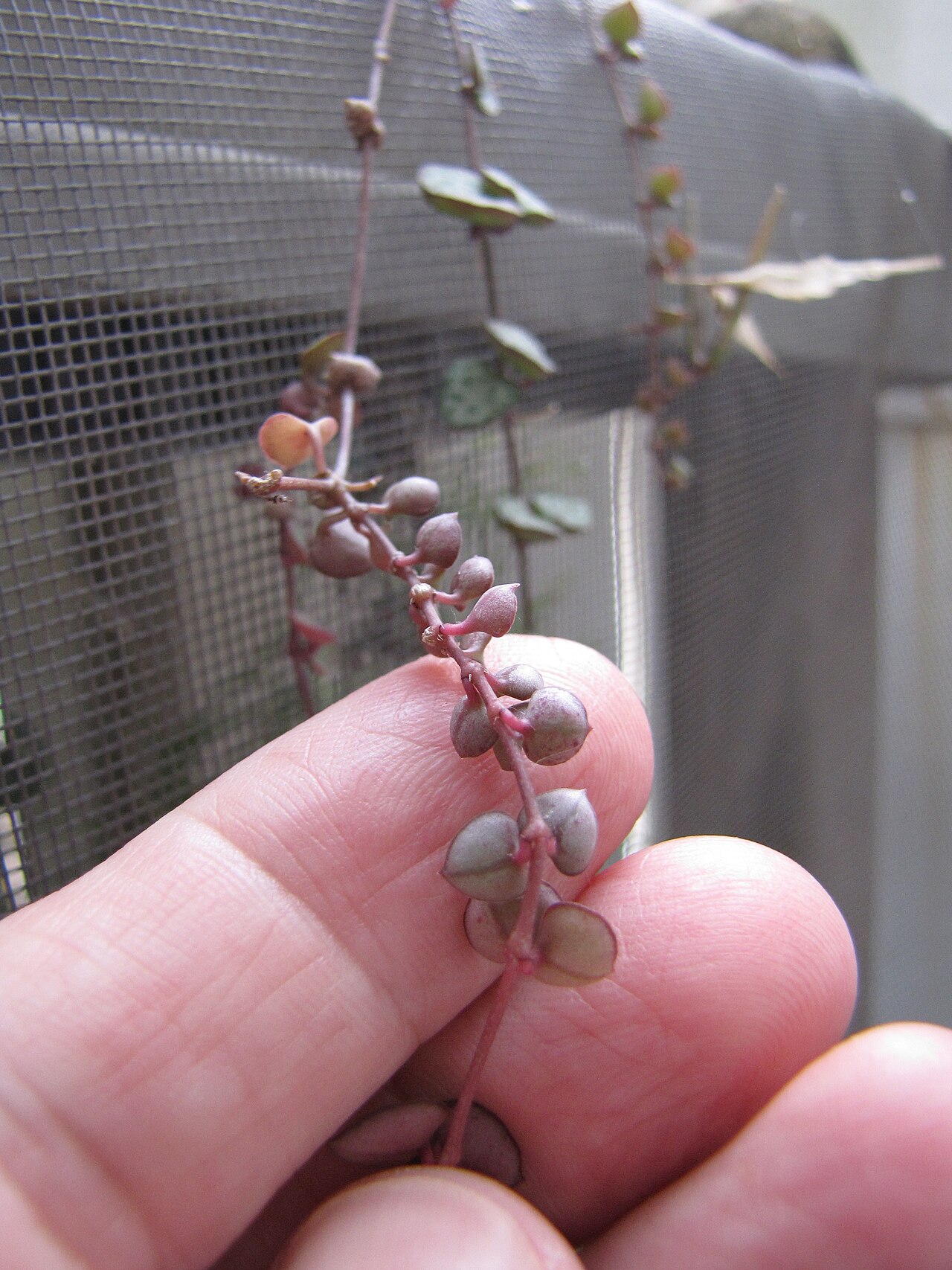
String of Hearts stores water in its fleshy leaves and in the small tuber-like swellings that form along the stems. So the rule is: better too dry than too wet. Let the soil dry out completely between waterings. Water about every 7–10 days in summer, and only every three to four weeks in winter. The leaves feel plump and firm when the plant is well hydrated. When they turn soft and start to shrivel, it’s high time to water. They recover within a few hours after watering.
Waterlogging is the mortal enemy of String of Hearts. Its fine roots rot quickly in constantly damp soil. A pot with good drainage and a layer of expanded clay pebbles at the bottom are therefore essential. Here too, water only the soil and not the leaves, since the delicate hearts can rot on direct contact with water.
Substrate and Fertilizing
String of Hearts needs a very well-draining, sandy, mineral-rich substrate. A mix of cactus soil and perlite in a 2:1 ratio is ideal. Regular potting soil is too heavy and holds too much water. The pot should be fairly shallow, since String of Hearts has a shallow, fibrous root system. A layer of fine gravel on the soil surface also helps prevent rot on trailing stems that touch the ground.
Fertilizing should be done very sparingly. A monthly dose of heavily diluted cactus fertilizer during the growing season from April to September is enough. A general-purpose liquid houseplant fertilizer, used at a quarter of the recommended dose, is also a good choice. Stop fertilizing completely in winter.
The Intricate Flowers of String of Hearts
Many people don’t even realize that String of Hearts flowers — yet its blooms are true works of natural art. Small, vase-shaped flowers in pink and light purple appear from the leaf axils, resembling tiny lanterns or chandeliers (hence the German name “Leuchterpflanze,” or “chandelier plant”). The flowers are about 2–3 cm long and last several weeks. They appear mainly in late summer and fall and give off a light, pleasant fragrance. In the wild, pollination is carried out by small flies that get trapped inside the flower and are only released once pollination is complete — a fascinating strategy!
Propagation: Three Easy Methods
String of Hearts can be propagated in three simple ways. The easiest method is layering a stem: coil a long stem onto moist soil in a separate pot. Roots and new tubers will form within a few weeks at the leaf nodes touching the soil. Once the new plant is established, you can cut the connection to the mother plant.
Alternatively, you can take stem cuttings and root them in water or directly in moist soil. The third and perhaps most fascinating method is propagation via the aerial tubers that form on older stems above ground. Carefully remove these small tubers and place them on moist soil — they’ll sprout and form roots after a short time.
Common Problems and Their Solutions
| Problem | Cause | Solution |
|---|---|---|
| Yellow, soft leaves | Overwatering | Let soil dry out; water less |
| Shriveled leaves | Underwatering | Water thoroughly; recovers quickly |
| Large gaps between leaves | Insufficient light | Choose a brighter location |
| No growth | Winter dormancy or too cold | Warmer location; be patient |
| Leaf loss at the crown | Too much water on foliage / rot | Water only the soil |
Conclusion: A Plant to Fall in Love With
String of Hearts is one of the most graceful, and at the same time easiest to care for, trailing plants around. Its heart-shaped leaves and delicate, yard-long stems make it an eye-catcher in any home. Care is simple: a bright spot without direct midday sun, sparing watering, and once a month a weak dose of diluted liquid houseplant fertilizer. Once you have a String of Hearts, you’ll never want to let it go — it’s simply impossible not to fall in love with.
This article may contain affiliate links. If you purchase a product through one of these links, Plantgecko may earn a commission at no extra cost to you. This never influences our editorial independence or which products we recommend.