String of Pearls (Senecio rowleyanus): Care Guide
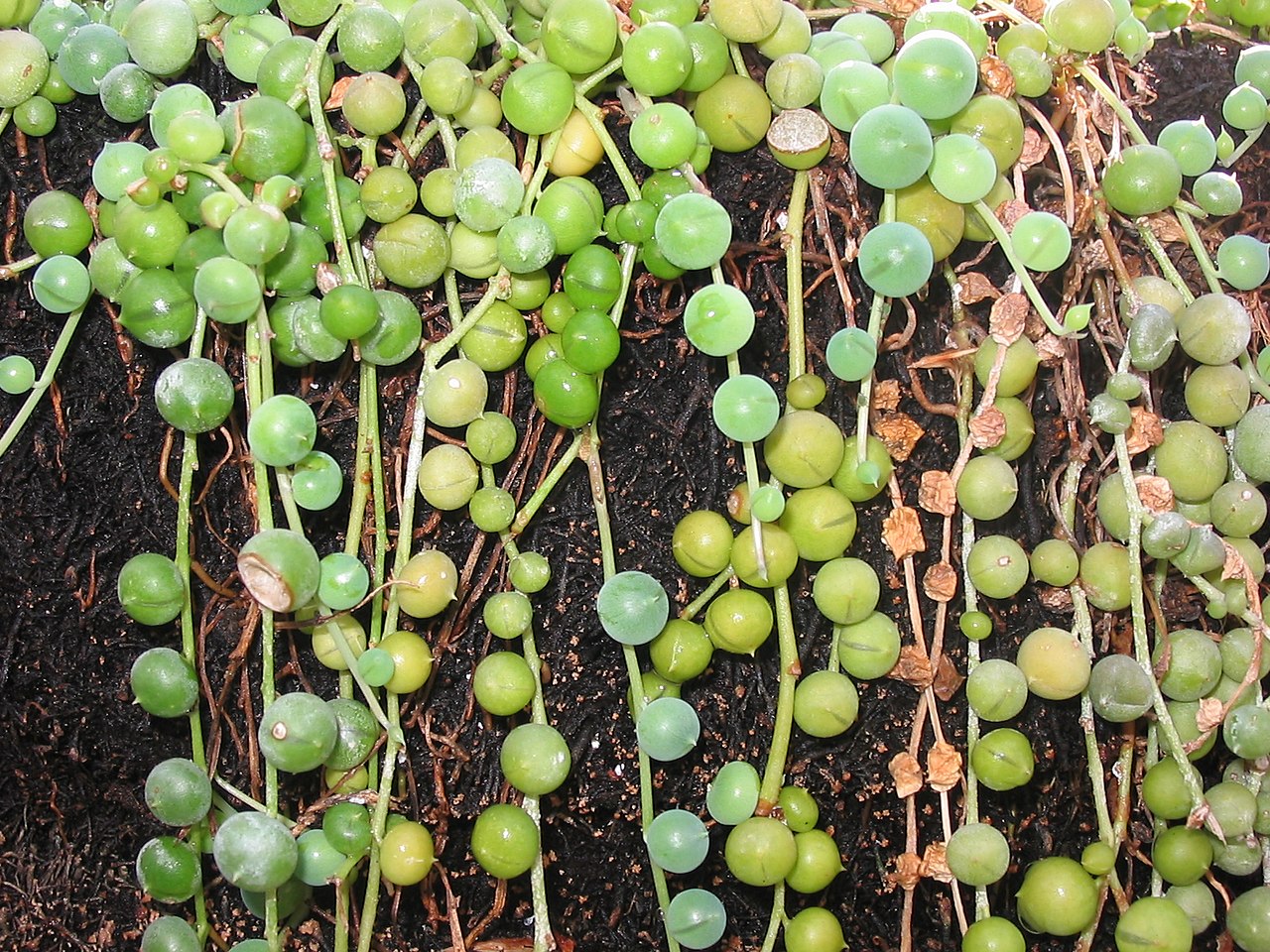
String of pearls (Senecio rowleyanus) is one of the most distinctive trailing succulents, its long thin stems studded with tiny, nearly spherical leaves that store water like miniature green beads. Native to arid regions of southwest Africa, it has very specific light and water needs that, once understood, make it a rewarding hanging or trailing plant.
Light Requirements
String of pearls needs bright light, ideally several hours of direct or very strong indirect sun, to keep its round leaves plump and its trailing stems dense. Insufficient light is the most common reason this plant looks sparse or stretched, with wide gaps between the pearl-like leaves.
Watering: Very Sparingly
This plant is especially prone to rot and should be watered less frequently than most other succulents – let the soil dry out completely, then water thoroughly, generally every two to three weeks and considerably less in winter. Overwatering is by far the most common cause of failure, quickly turning the plump pearls soft, mushy, and translucent.
Soil and Pot Choice
Use a very fast-draining succulent or cactus mix, ideally amended with extra perlite or coarse sand. A shallow, wide pot with drainage holes suits the plant’s naturally shallow root system better than a deep container, and a hanging basket or elevated shelf allows the long strands to trail freely without touching and rotting against damp soil below.
Temperature and Placement
String of pearls prefers warm conditions and is not frost-tolerant; bring it indoors or protect it well before any cold snap. It does well in a bright window indoors year-round or on a sheltered, sunny balcony during warm months.
Feeding
Feed sparingly, once or twice during the growing season with a diluted, balanced succulent fertilizer. This slow-growing plant has modest nutrient needs, and overfeeding does more harm than good.
Propagation
Propagation is simple: lay a trimmed strand of stem across the surface of moist, well-draining soil, and roots will form at the nodes where the stem contacts the soil within a few weeks. Once rooted, the new growth can be left connected or separated into its own pot.
Common Problems
Flattened or shriveled pearls indicate underwatering and a need for a thorough soak; soft, discolored, mushy pearls signal overwatering and rot, requiring a cutback to healthy tissue and a longer dry spell before resuming watering. Sparse, elongated stems point to insufficient light and are best fixed by relocating the plant somewhere brighter.
Seasonal Watering Changes
String of pearls needs an even more conservative watering approach in winter than in the already sparing summer schedule, since it is particularly prone to rot in cool, low-light conditions when the soil stays damp longer between waterings. During active spring and summer growth, water thoroughly and let the soil dry out completely, roughly every two to three weeks; in autumn and winter, stretch this out further still, checking that the soil is completely dry and erring on the side of underwatering rather than risking rot. If grown outdoors seasonally, bring the plant inside well before any frost risk, since it has very limited cold tolerance.
It’s worth keeping string of pearls away from curious pets and small children, since like several other Senecio species it is considered mildly toxic if ingested, and its trailing, bead-like form can be particularly tempting to bat at or chew. Displaying it in an elevated hanging position, which also happens to be the best way to show off its cascading growth habit, conveniently keeps it out of easy reach at the same time.
Choosing the Right Display Pot
A wide, shallow shallow planter suits string of pearls better than a deep, narrow pot, both because the plant’s roots are naturally shallow and because a shallow pot dries out more evenly and quickly, reducing the prolonged dampness that this particularly rot-prone succulent struggles with most.
Frequently Asked Questions
Why are my string of pearls turning brown and mushy?
This is a clear sign of overwatering and rot, the most common cause of failure for this plant. Cut away affected sections back to healthy stem, let the remaining plant and soil dry out fully, and resume a much more conservative watering schedule.
Can string of pearls be grown from a single strand cutting?
Yes, a healthy strand of several centimetres, laid across moist, well-draining soil or draped so part of it touches the surface, will typically root at the points of soil contact within a few weeks.
Does string of pearls flower?
Yes, mature, well-lit plants can produce small, unusual white flowers with a faint cinnamon-like scent, though flowering is inconsistent and depends heavily on strong light and overall plant maturity.
Is string of pearls toxic to pets?
Yes, it is considered mildly toxic to cats and dogs if ingested, so it’s best displayed somewhere out of reach, particularly given its trailing form is often tempting for cats to bat at.
This article may contain affiliate links. If you purchase a product through one of these links, Plantgecko may earn a commission at no extra cost to you. This never influences our editorial independence or which products we recommend.