Dividing Plants and Taking Offsets: Propagation Without Shears
Not every plant can be propagated from cuttings. Many houseplants produce natural offsets or can simply be divided when repotting. This type of propagation is especially easy and has a high success rate. Here are the methods available and which plants they suit.
Division: Turning One Plant Into Two
Division is the simplest and most reliable propagation method. You take the plant out of its pot and divide the root ball into two or more sections using a sharp knife or saw. Each section needs enough roots and leaves to keep growing on its own.
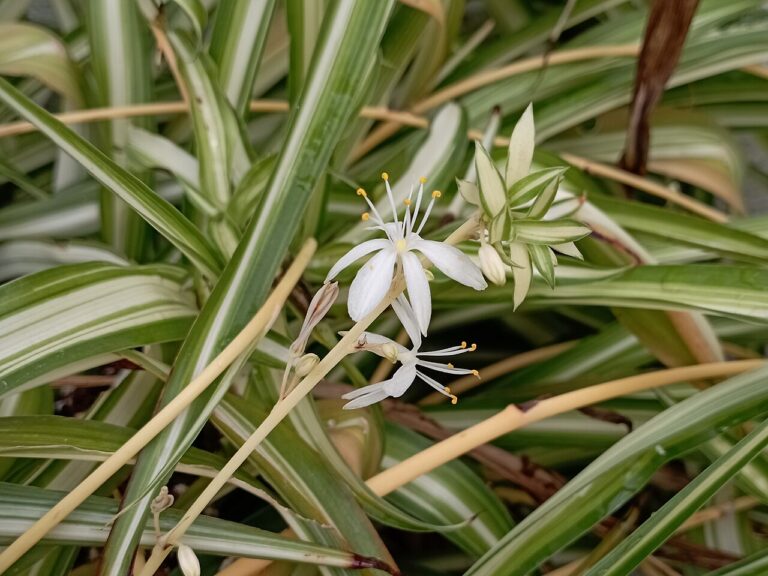
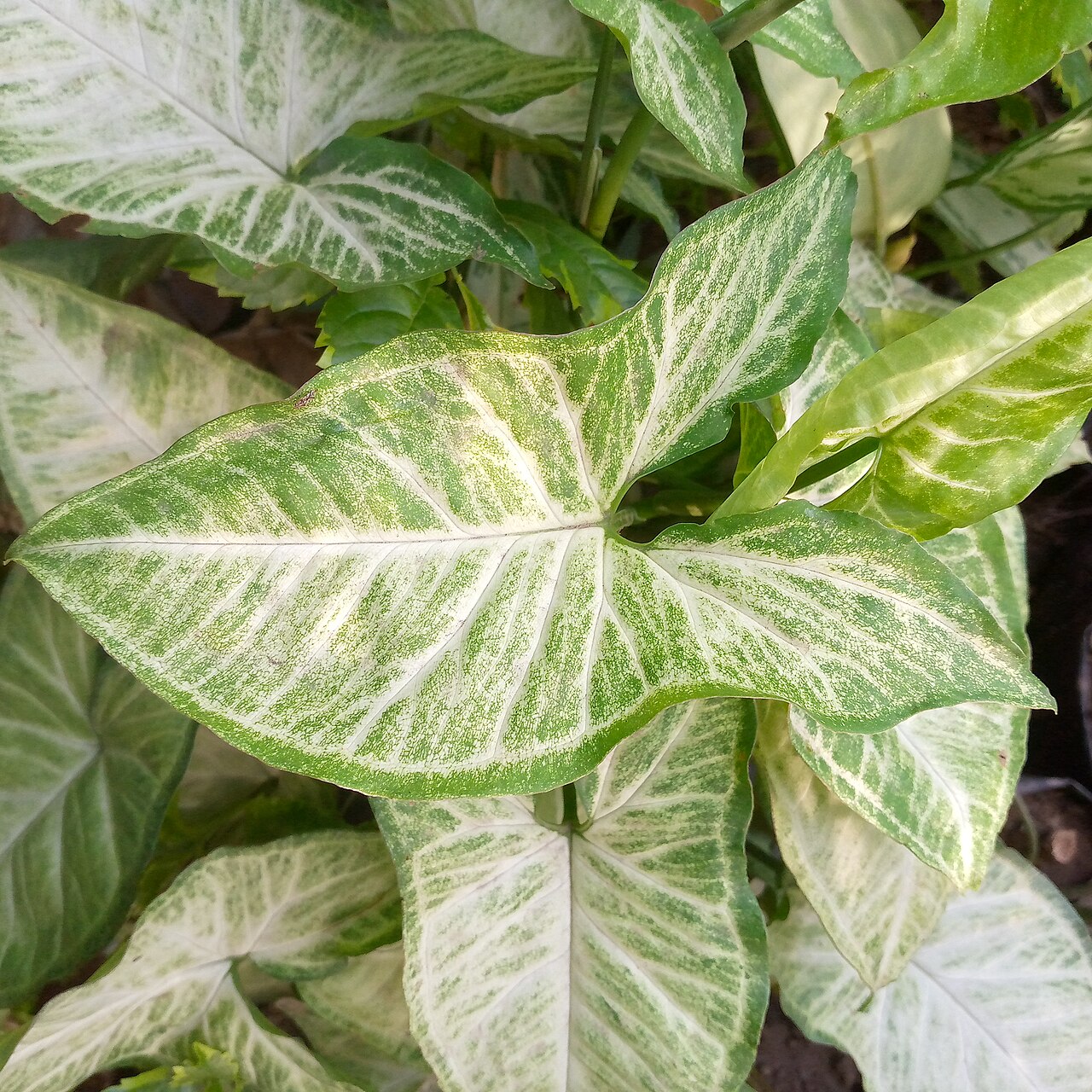
Division is especially suited to plants that naturally form clumps or tufts: ferns, spider plants, snake plants (Sansevieria), ZZ plants (Zamioculcas), calatheas, prayer plants (Maranta), peace lilies, and many ornamental grasses.
Here’s how:
- Carefully remove the plant from its pot
- Remove excess soil so you can clearly see the root ball
- Look for natural division points where the plant can be split
- Separate the root ball with a sharp, clean knife or hand saw
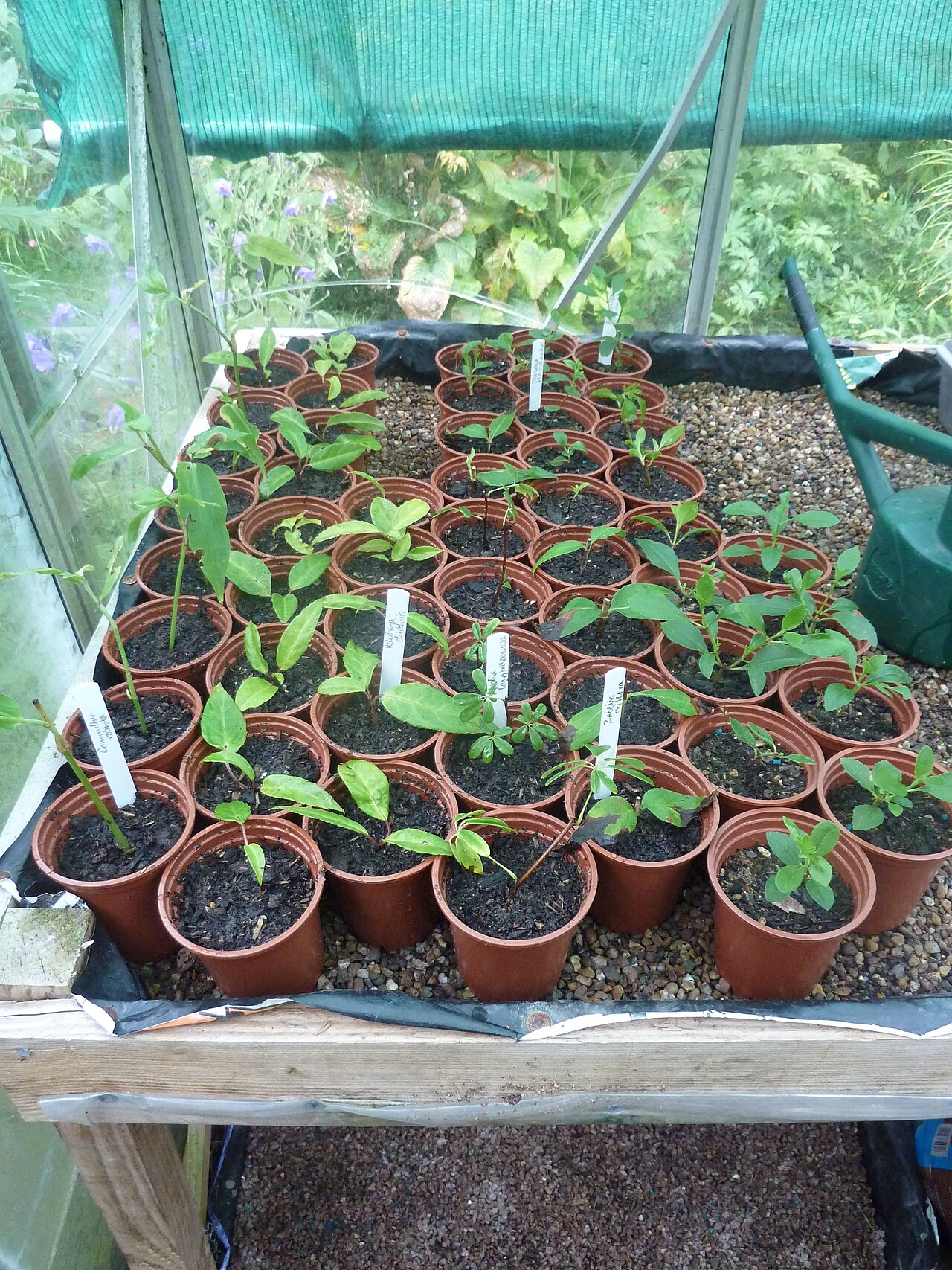
- Pot each section into a suitable pot with fresh soil
- Water carefully and place the divided plants in a bright, sheltered spot
The best time for division is early spring, when plants are coming out of winter dormancy and entering their growth phase.
Pups: Ready-Made Mini Plants
Some plants naturally form small daughter plants, called pups. They grow directly on the mother plant and already have their own roots, or at least root initials.
Bromeliads are the best-known example: after flowering, the mother plant dies, but beforehand it produces one or more pups at its base. These pups are separated once they’ve reached about a third of the mother plant’s size and show their own roots.
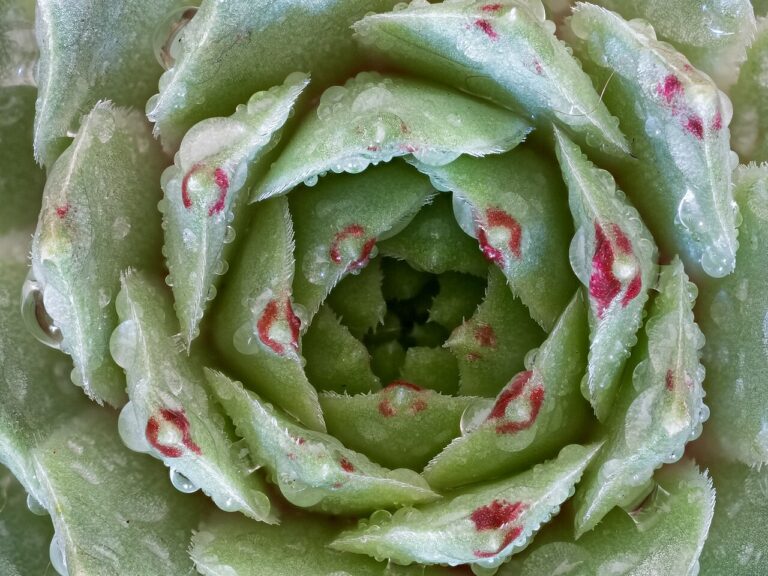
Pups also form regularly on aloe vera, Haworthia, many succulents, and some cacti. They’re gently separated from the mother plant — with succulents, often simply by twisting them off — and potted individually.
Spiderworts (Tradescantia) and baby’s tears (Soleirolia) form such dense mats that you can simply cut out a piece with roots and pot it separately.
Runners and Rhizomes
Plants with creeping rhizomes or above-ground runners propagate themselves; the gardener just needs to separate the young plants.
Garden strawberries are the classic example of runner propagation. Among houseplants, some ferns like the Boston fern (Nephrolepis) or the prayer plant (Maranta leuconeura) form underground runners, at the ends of which new plantlets appear.
You simply separate the young plants at the connection point to the mother plant and pot them up. They usually already have roots and continue growing right away.
Bulblets and Brood Buds
Some plants form tiny daughter bulbs or brood buds that can be used for propagation.
The best-known examples are amaryllis and other bulb plants. Alongside the main bulb, small side bulbs form, which you separate when repotting and pot up individually. They take one to two years before they’re able to bloom themselves.
In the mother-of-thousands plant (Kalanchoe daigremontiana) and related species, tiny plantlets form directly along the leaf edges. They drop off on their own and root in the soil — the simplest propagation there is.
Offsets in Climbing Plants
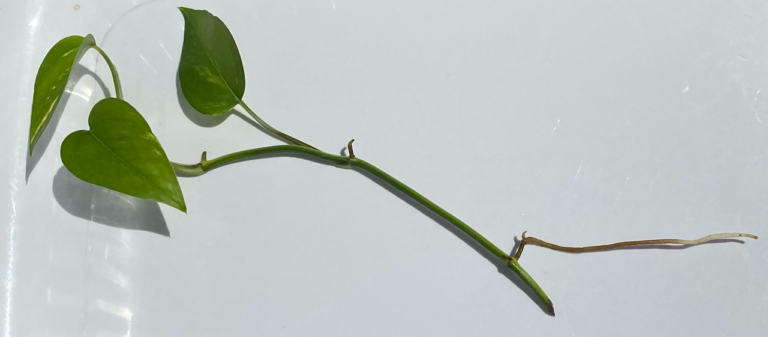
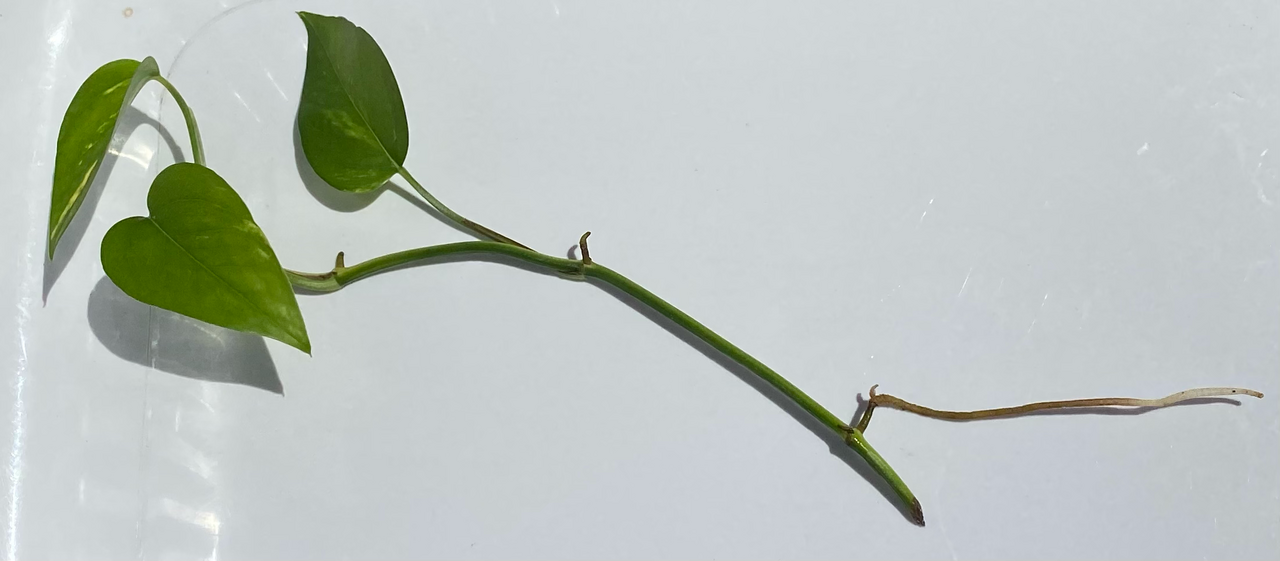
Climbing plants with aerial roots, such as monstera, philodendron, and pothos, can also be propagated without a classic cutting. You can guide a shoot that’s still attached to the mother plant into a separate pot of soil and pin it down there. Once the aerial roots have taken hold in the new pot, you sever the connection to the mother plant.
This method is called layering, and it has the advantage that the young plant continues to be supported by the mother plant while it roots. The success rate is nearly 100 percent.
Care After Division
Freshly divided plants need a bit more attention in the first few weeks:
- No direct sunlight: stressed roots can’t meet the increased water demand caused by sun exposure
- Even moisture: the soil should be lightly moist but not wet
- No fertilizing for the first six weeks: the roots need time to recover first
- Higher humidity from misting or a cover helps the plants establish faster
Conclusion
Division and offsets are the most straightforward propagation methods — almost nothing can go wrong, and you get a fully-formed little plant right away. Next time you repot, check whether the plant can be divided. It’s the quickest way to grow your collection.