Sowing Houseplants from Seed: The Complete Guide for Beginners
Introduction
Growing houseplants from seed takes more patience than buying an established plant or rooting a cutting, but it is an inexpensive way to raise many plants at once and to try species that are hard to find as mature specimens. Seeds of coleus, herbs like basil, citrus pips, and many succulents germinate reliably indoors with the right setup.
Preparing the Seed-Starting Mix and Containers.
Who This Is For
Use a light, sterile seed-starting mix rather than regular potting soil or garden soil, which is too dense and can carry fungal spores that cause seedlings to rot. A mix of fine coco coir or peat with perlite or vermiculite drains well while still holding enough moisture around the seed. Fill small pots, trays, or clean recycled containers with drainage holes, and moisten the mix thoroughly before sowing so it is damp but not waterlogged.
Sowing Depth, Warmth, and Humidity.
Buying Criteria
A useful rule of thumb is to sow seeds at a depth roughly twice their own diameter; very fine, dust-like seeds are usually just pressed onto the surface of the mix and left uncovered, since they need light to germinate. Larger seeds can be pushed slightly deeper and lightly covered. After sowing, mist the surface with water and cover the container with a clear lid, plastic wrap, or a propagator dome to trap humidity, which prevents the delicate surface from drying out during germination.
Product/Option Categories
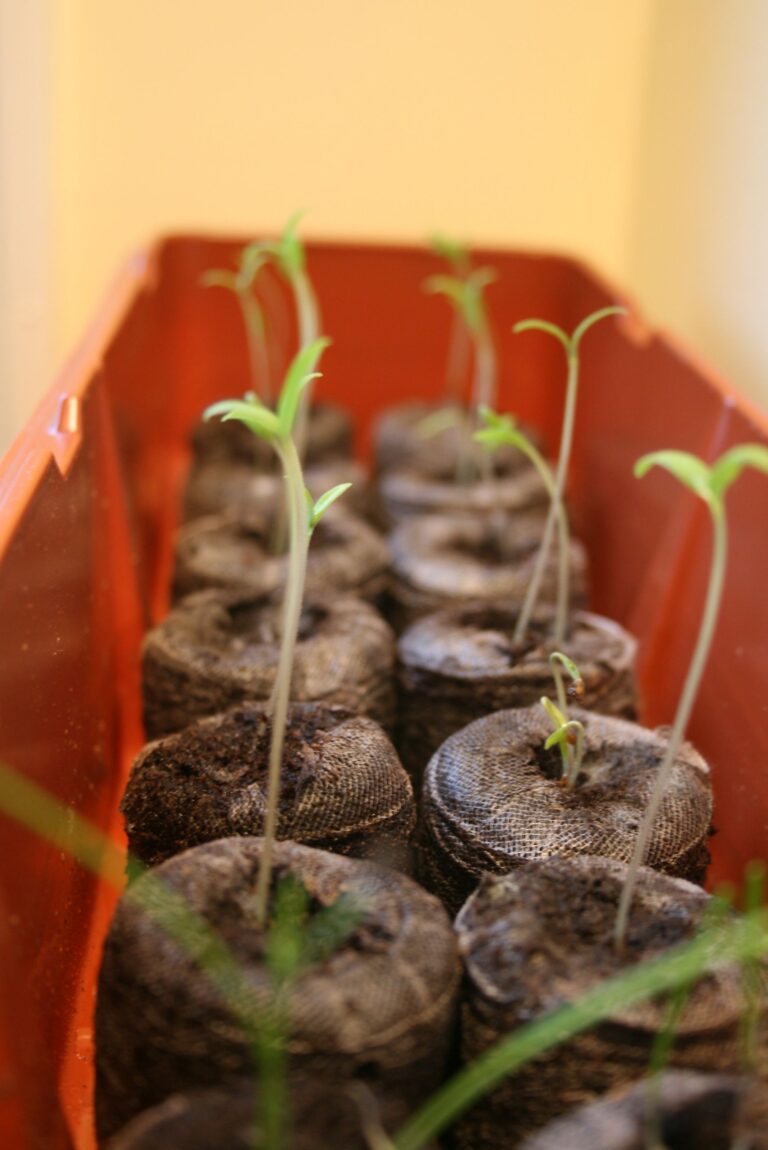
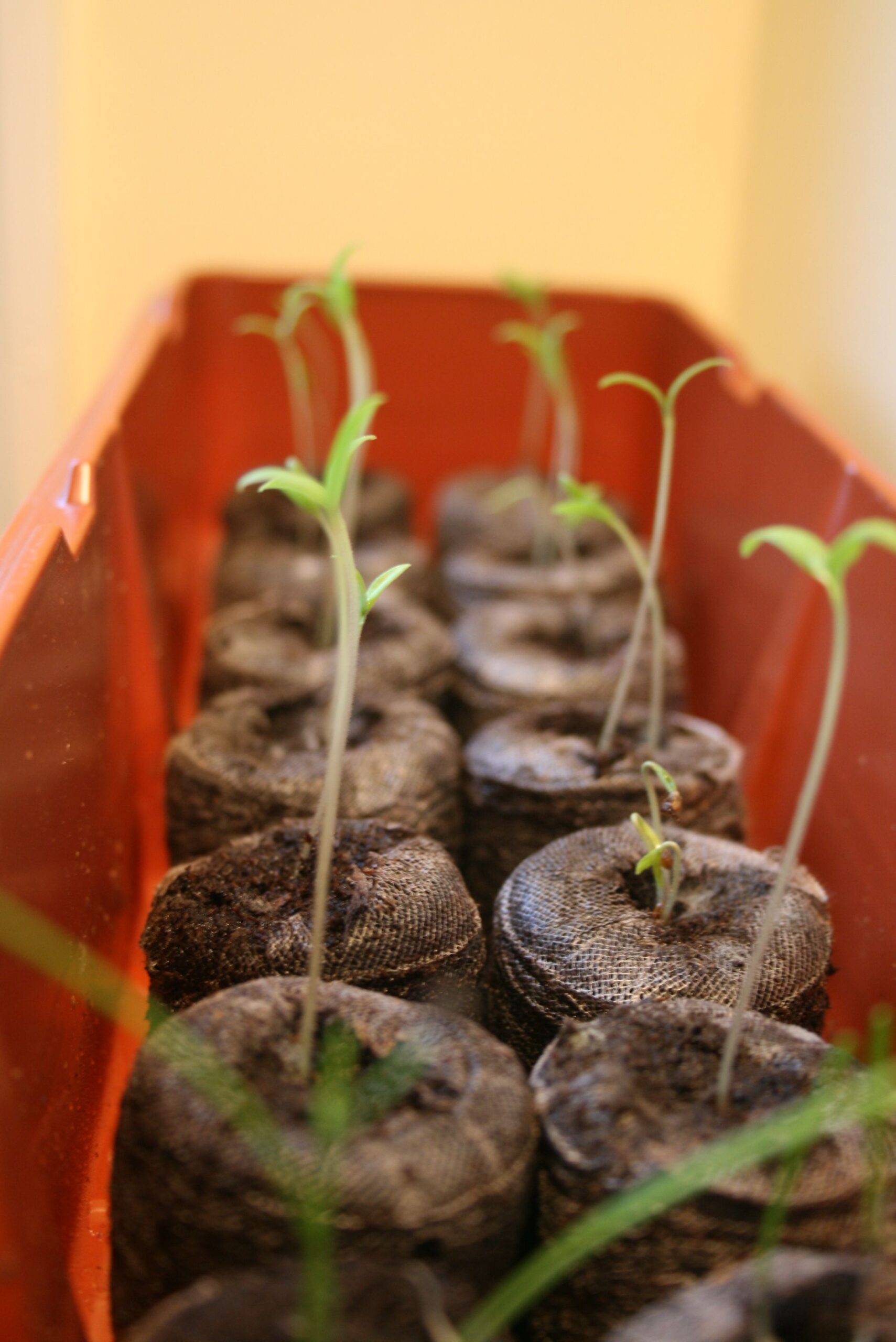
Most houseplant seeds germinate fastest at a steady 20–25°C, so a spot on top of a fridge, near a radiator, or on a heat mat can significantly speed things up. Bright, indirect light or a grow light is important once seedlings emerge; direct hot sun through glass can overheat a covered tray and cook young seedlings. Remove or vent the humidity cover for short periods once seedlings appear to reduce the risk of fungal problems, and gradually increase ventilation over the following week.
Trade-offs
Pricking Out and Hardening Off
Once seedlings develop their first true leaves (the second set to appear, after the initial seed leaves), they are ready to be pricked out into individual small pots. Handle them by a leaf rather than the stem, which bruises easily, and use a pencil or dibber to lift each seedling with its root system intact. Water lightly after transplanting and keep the young plants out of direct sun for a few days while they settle in.
Disclosure
This article may contain affiliate links. If you purchase a product through one of these links, Plantgecko may earn a commission at no extra cost to you. This never influences our editorial independence or which products we recommend.
| Product | Best For | Price | |
|---|---|---|---|
| heat mat | Top Pick | Check price | View |
| propagator dome | Also Consider | Check price | View |
| seed-starting mix | Budget Alternative | Check price | View |
Recommendation Framework
Damping off: seedlings collapse suddenly at soil level, usually from overly wet, poorly ventilated conditions — improve airflow and avoid overwatering.
No germination: check the seed was fresh, sown at the correct depth, and kept consistently warm and moist.
Conclusion
Leggy, pale seedlings: a sign of insufficient light — move to a brighter spot or add a grow light.
Growing from seed rewards patience: germination can take anywhere from a few days to several weeks depending on the species. With consistent warmth, moisture, and light, though, you can raise a full tray of healthy young houseplants at a fraction of the cost of buying them ready-grown.