Sowing Houseplants from Seed: How to Grow Your Own Plants from Scratch
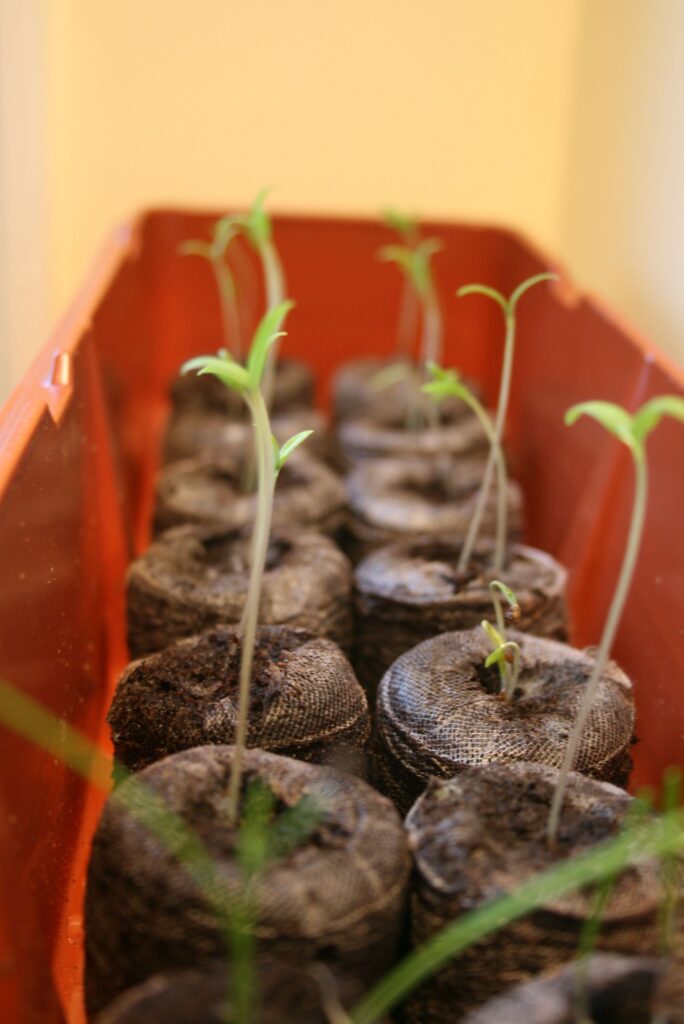
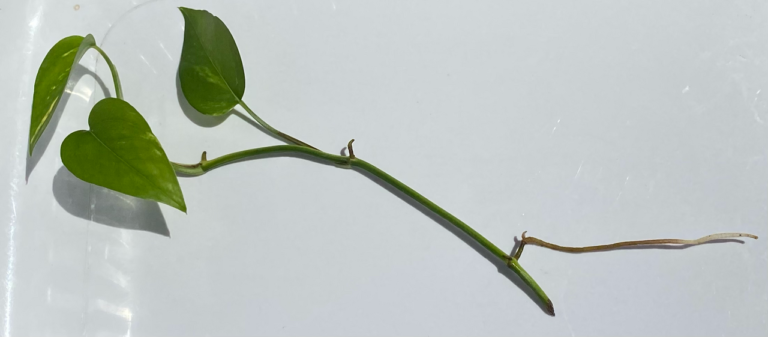
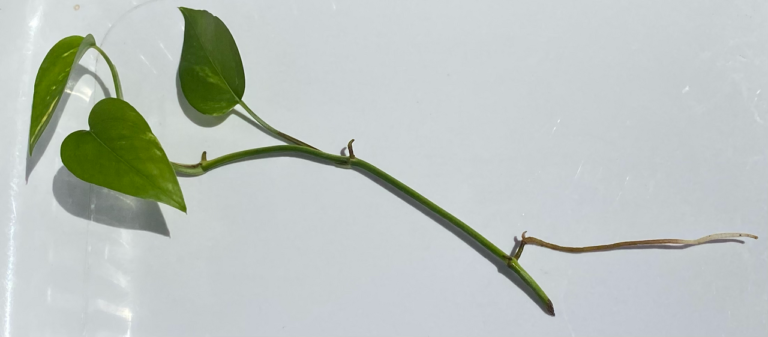
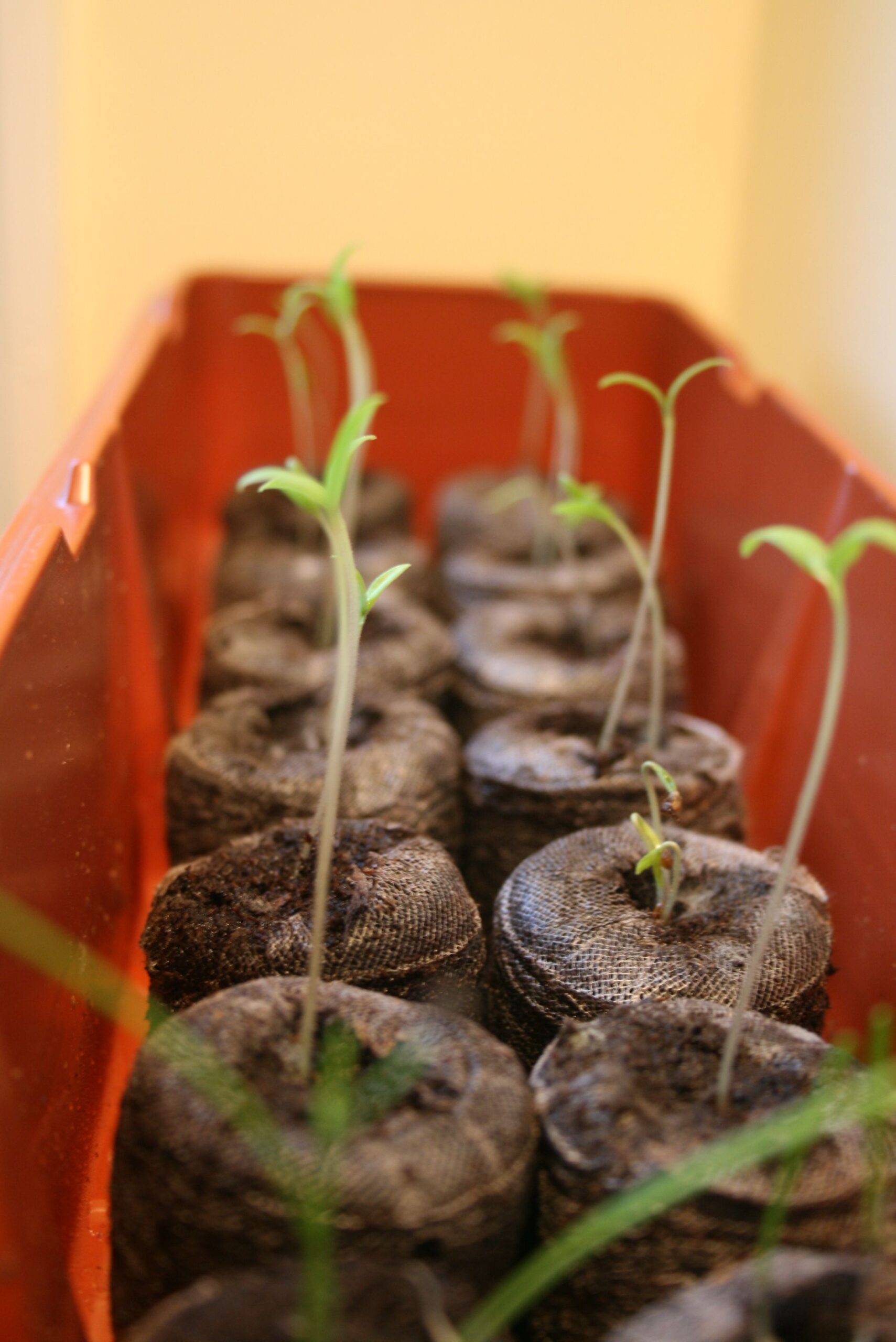
Most houseplants come to us as cuttings, divisions, or tissue-culture starts, so growing one from seed is a less common but rewarding path — you get to watch the entire life cycle unfold, and seeds are an inexpensive way to try species that are hard to find as established plants.
Seed Depth and Sowing Basics
A reliable general rule is to sow a seed at a depth roughly twice its own diameter. Very fine seeds (like begonia or some ferns) should barely be covered at all — press them onto the surface of the mix and mist rather than burying them, since they often need light to germinate. Larger seeds (like those of many palms or citrus) can be planted deeper, around half an inch to an inch.
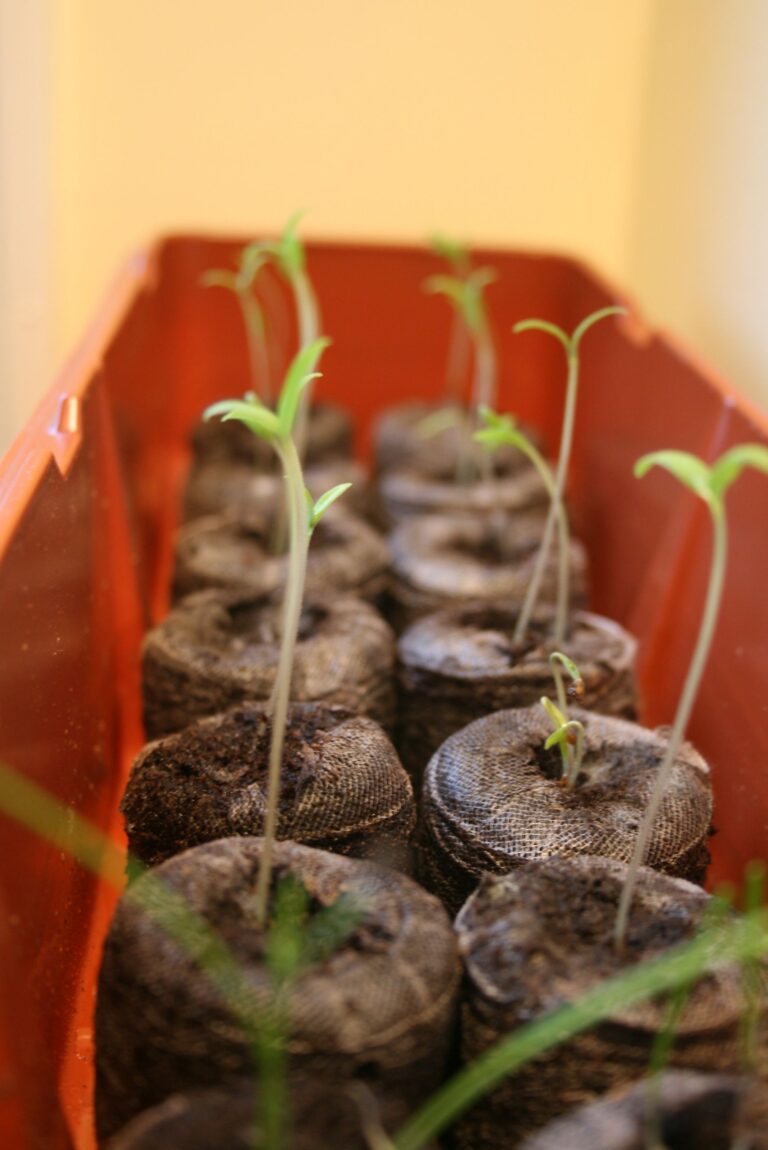
Use a seed-starting mix rather than regular potting soil — it’s finer, lighter, and sterile, which reduces the risk of damping-off, a fungal disease that kills seedlings at the soil line. Moisten the mix before sowing so you’re not disturbing tiny seeds with a heavy watering afterward.
Germination Temperature and Humidity
Most houseplant seeds germinate best between 70–80°F (21–27°C). A seedling heat mat under the tray can make a real difference, especially for tropical species that stall out in a cool room. Covering the tray with a clear plastic dome or plastic wrap traps humidity around the seeds, which is essential since they have no root system yet to draw up moisture and will dry out and die quickly if the surface goes dry even briefly.
Vent the cover for a few minutes daily once you see any growth to prevent mold and to slowly acclimate seedlings to normal room humidity. Keep the mix evenly moist — a spray bottle is gentler than pouring water directly onto seeds or fine seedlings.
Light Needs
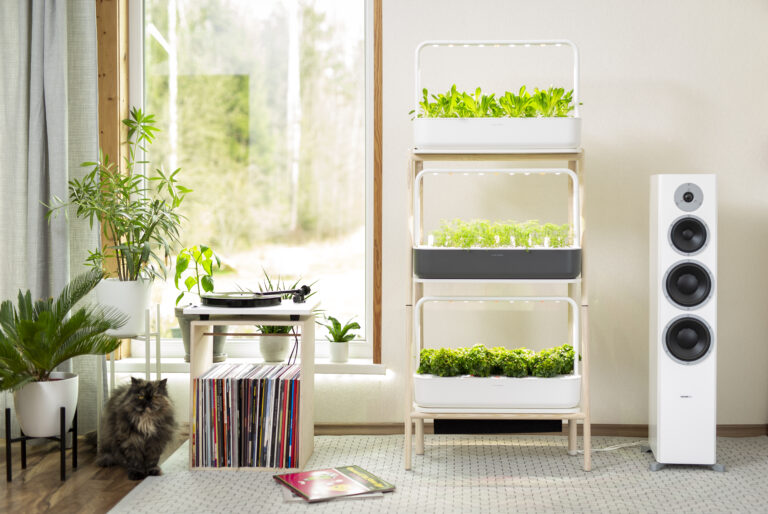
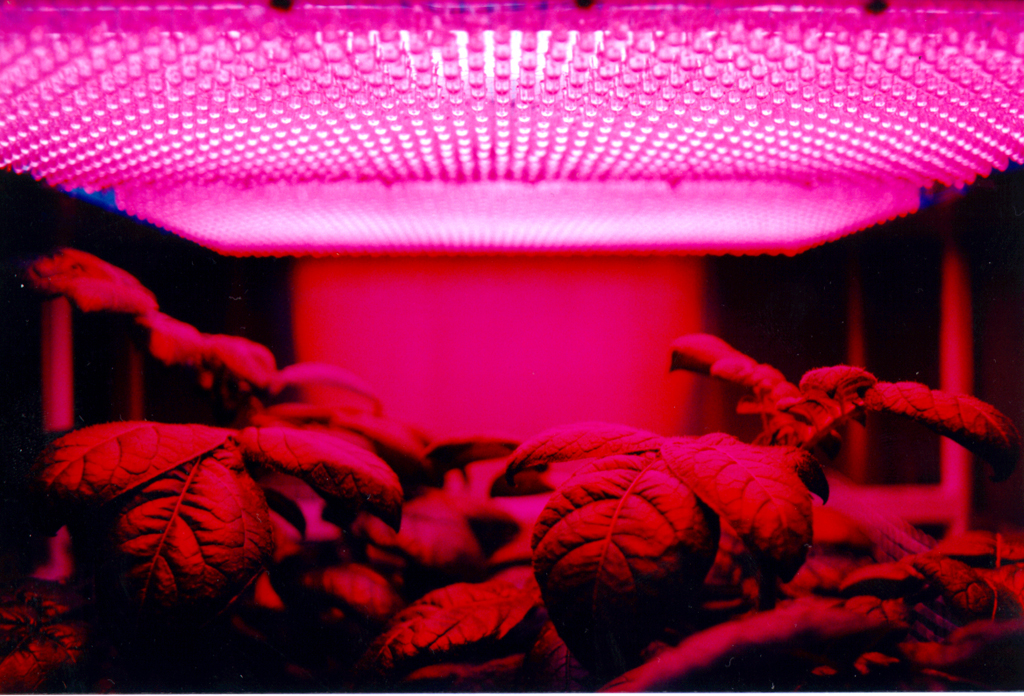
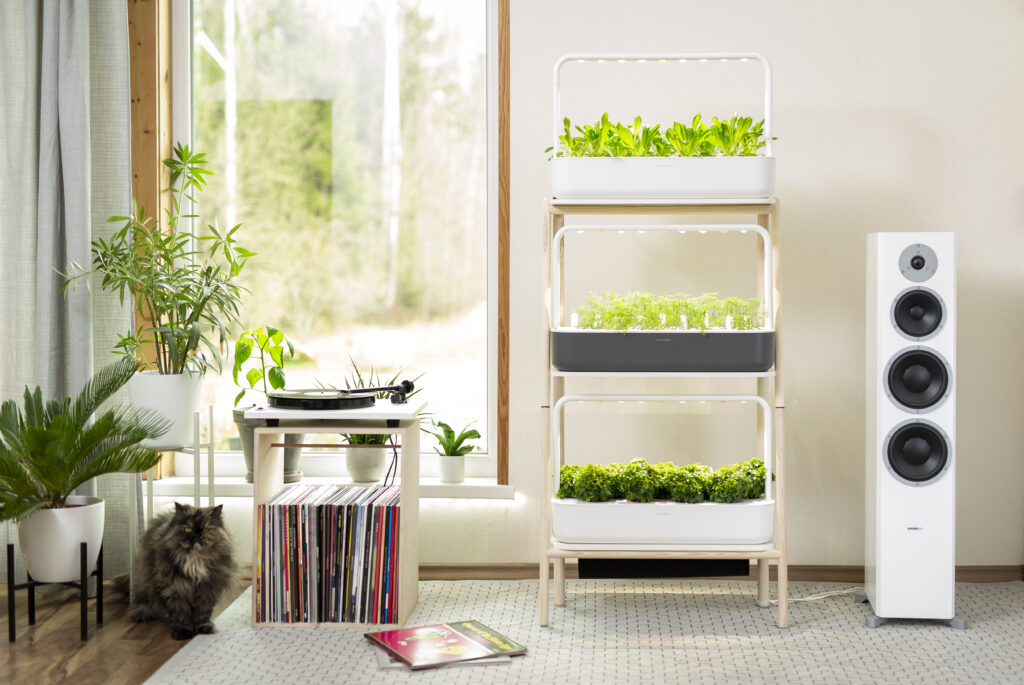
Once seeds germinate, light becomes the limiting factor for strong growth. Bright, indirect light is usually sufficient, but many growers find a small grow light positioned close to the seedlings (a few inches above) produces sturdier, less leggy results than a windowsill alone, since seedlings stretch toward weak light sources and become thin and floppy.
Patience Is Part of the Process
Germination times vary enormously. Some seeds sprout within a week; others, especially palms and some aroids, can take one to six months and require nothing more than consistent warmth and moisture while you wait. Don’t give up on a tray too early — mark the sowing date and do your research on that species’ typical timeline before assuming the seeds have failed.
Houseplant Seeds Worth Trying
- Coleus — fast, easy germination in 1–2 weeks, colorful foliage quickly.
- String of pearls and other succulents — slower but satisfying; needs excellent drainage and careful watering.
- Asparagus fern — germinates reliably within a few weeks with warmth.
- Citrus (from fresh seed) — fun and fast-growing, though fruiting from seed is unlikely.
Once seedlings have two or three sets of true leaves and a small root system, they can be potted up individually into small containers with regular potting mix, gradually weaned off the humidity dome, and grown on like any other young houseplant.
This article may contain affiliate links. If you purchase a product through one of these links, Plantgecko may earn a commission at no extra cost to you. This never influences our editorial independence or which products we recommend.