Recognizing and Fixing Over-Fertilization in Plants
Too much of a good thing: when fertilizing does harm
“More is better” is a dangerous mindset when it comes to fertilizing plants. Over-fertilization is one of the most common causes of plant problems, and it’s often harder to fix than a nutrient deficiency. The good news: if you catch the symptoms early, you can usually still save your plant.
7 warning signs of over-fertilization
- A white crust on the soil surface: Crystallized fertilizer salts, warning sign number one
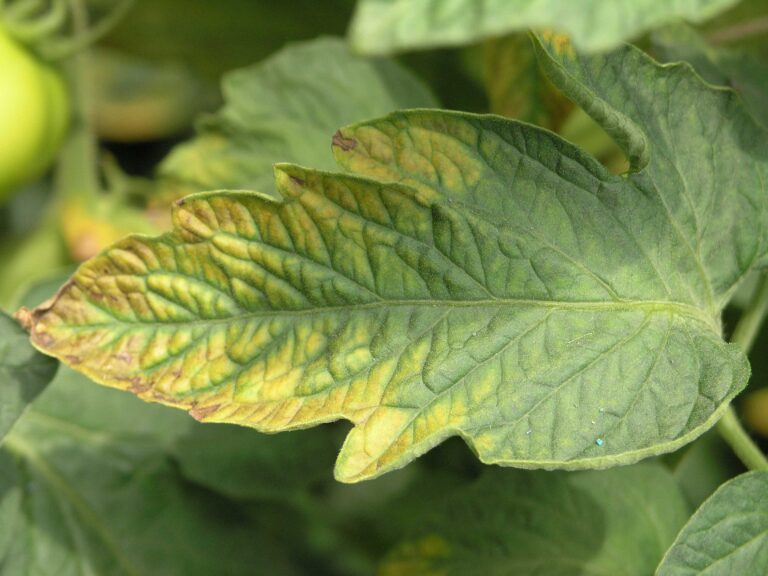
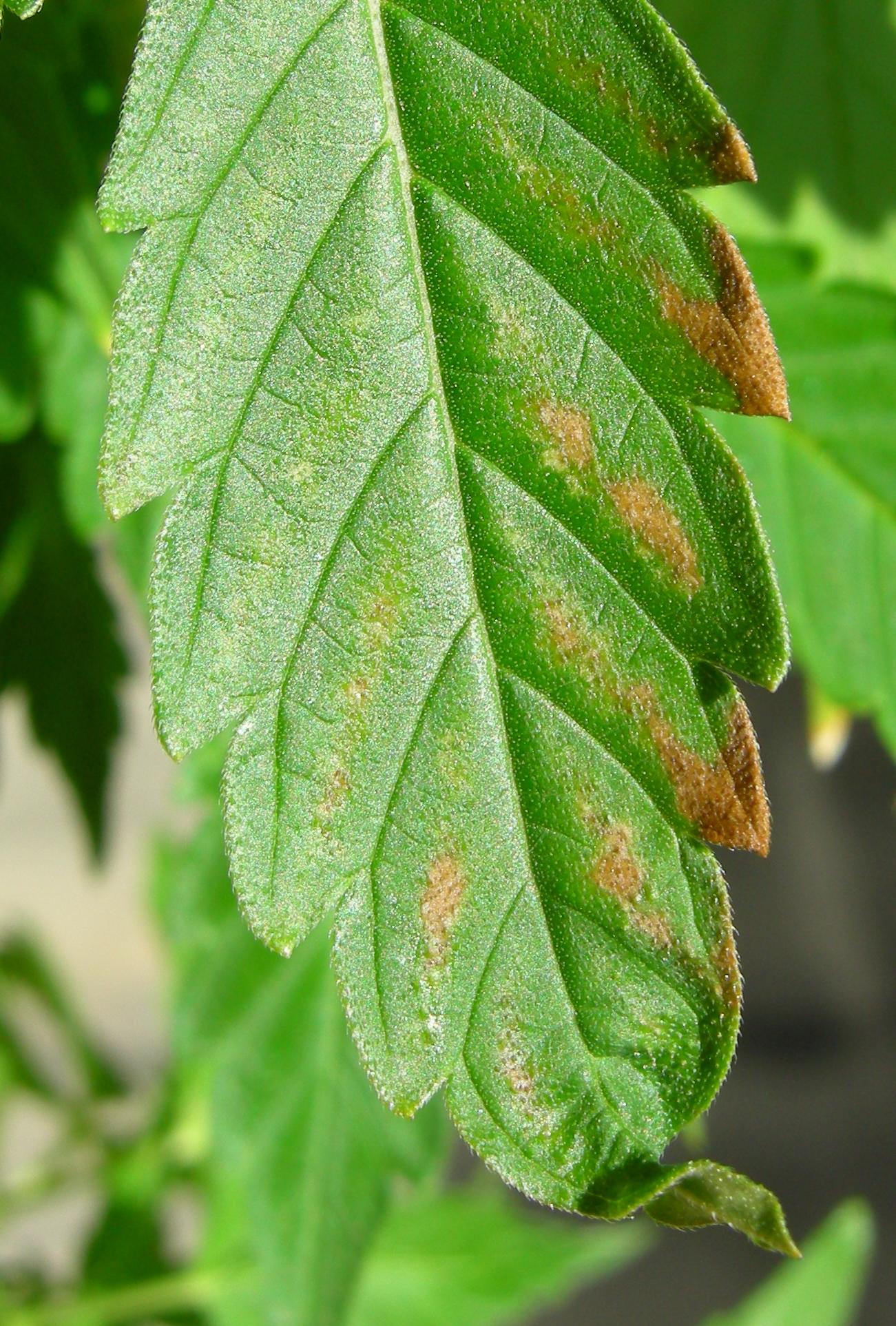
- Brown, dried-out leaf edges: The roots can no longer absorb water properly
- Wilting leaves despite moist soil: A classic sign of root damage from salt stress
- Curled or distorted leaves: The plant is under osmotic stress
- Sudden leaf drop: Especially common in ficus and other sensitive species
- White deposits around the rim of the pot: Salt buildup leaching from the potting mix
- Growth stalls entirely: Paradoxically, nothing grows despite all the feeding
Immediate steps if you suspect over-fertilization
If you suspect your plant has been over-fertilized, act right away:
- Stop fertilizing immediately
- Flush the soil: Run clear, room-temperature water through the pot several times, making sure it can drain out the bottom. Repeat 3-4 times at 30-minute intervals
- Repot into fresh soil if possible: Gently shake the old soil off the roots and place the plant in new potting mix
- Remove the white crust from the soil surface: Carefully scrape away the top 1-2 cm of soil and replace it with fresh soil
Prevention: how to avoid over-fertilizing
- Less is more: Half the manufacturer’s recommended dose is plenty for most houseplants
- Always fertilize moist soil: Water lightly before applying fertilizer
- Winter means a feeding break: Don’t fertilize from November through February
- Ease back in slowly: Wait 6-8 weeks after repotting before fertilizing again
- Know your plant’s needs: Cacti need less than leafy plants; flowering plants need more phosphorus
- Check your soil quality: Good-quality potting mix buffers fertilizer salts better
- Alternate with plain water: This flushes out salt residue
With the right fertilizing routine, you can reliably avoid over-fertilization. A soil moisture meter can also help you check that the substrate is at the right moisture level before you feed.