Orchid Care: The Complete Guide for Beginners
Introduction
Photo: Serigalakampus (CC BY-SA 4.0, Wikimedia Commons)
Photo: Ianaré Sévi (CC BY-SA 3.0, Wikimedia Commons)
Photo: Hbrosche (CC BY 4.0, Wikimedia Commons)
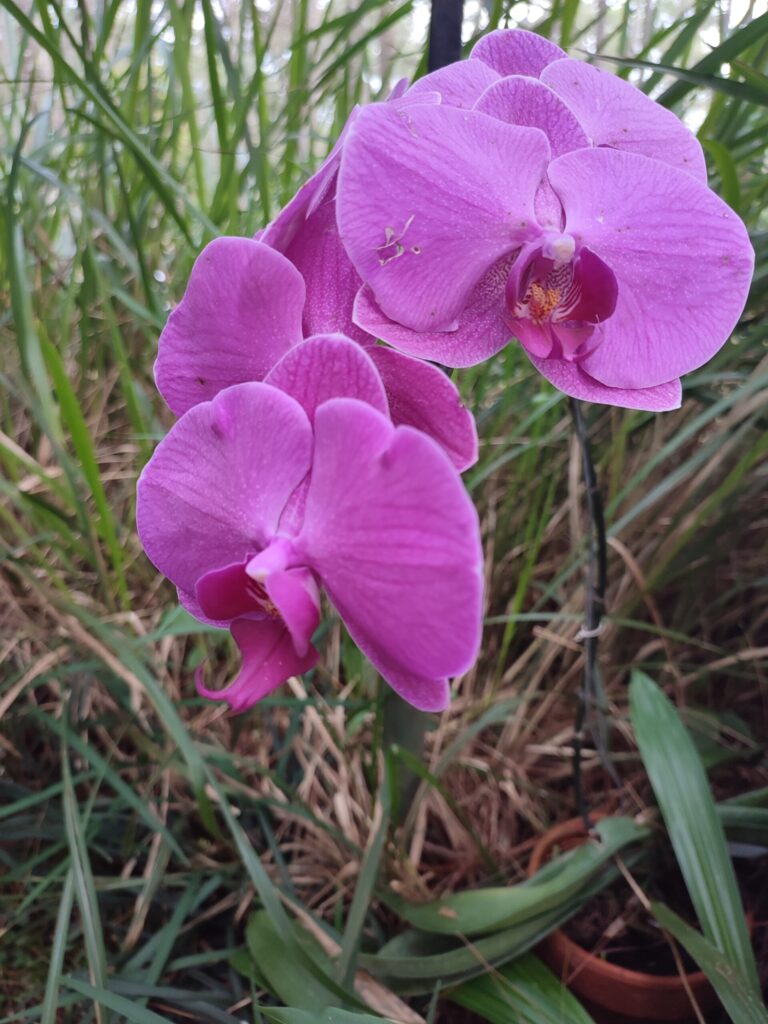
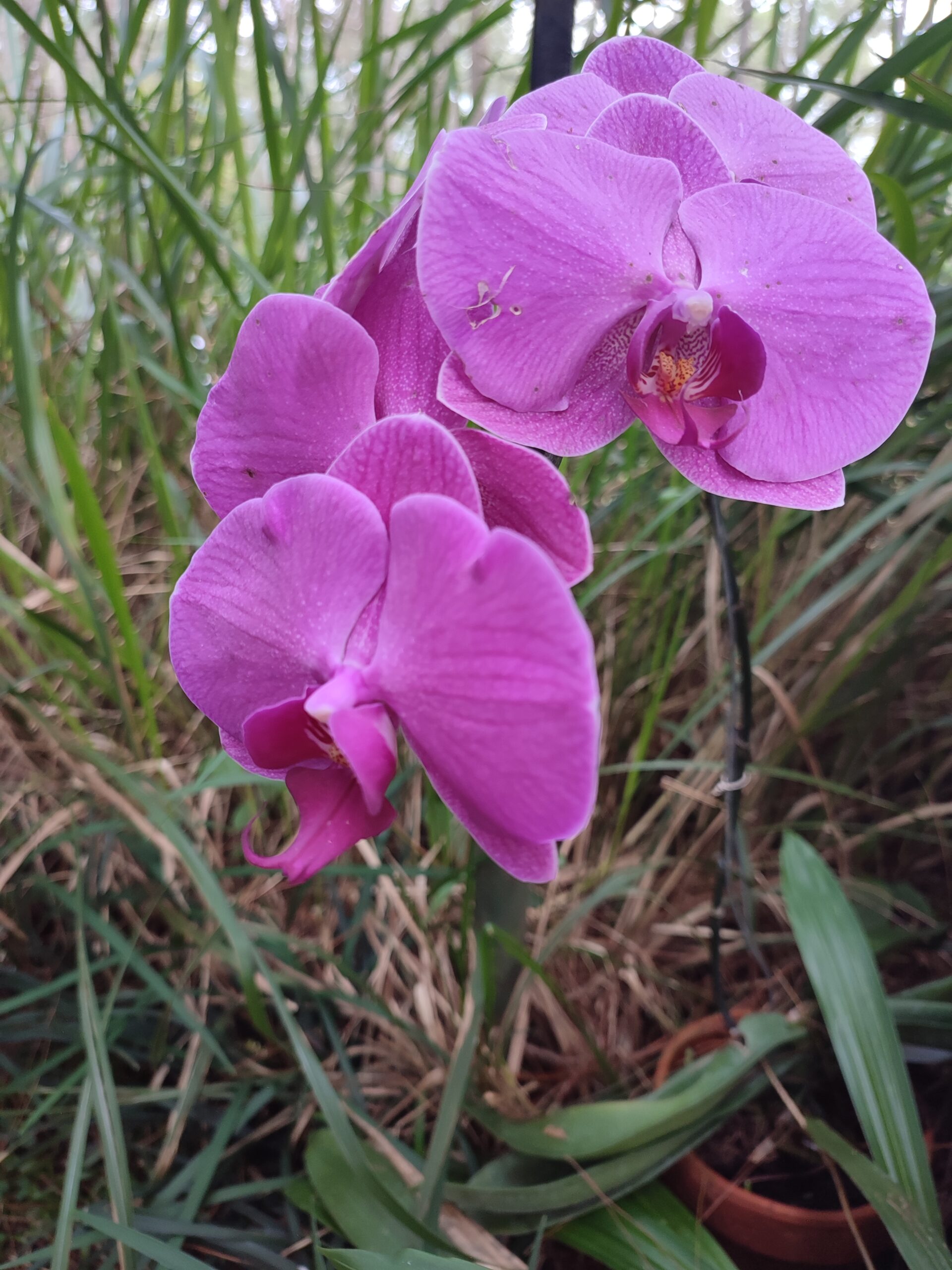
The moth orchid (Phalaenopsis) is the most widely grown houseplant orchid, prized for its long-lasting, elegant blooms. Despite their exotic reputation, orchids are not especially difficult to keep alive once you understand that they grow very differently from ordinary potted houseplants — in the wild, most are epiphytes that cling to tree bark rather than growing in soil.
Who This Is For
Light and Temperature
Orchids need bright, indirect light — an east-facing windowsill is ideal, while direct south-facing sun can scorch the leaves. Leaves that are dark green usually indicate too little light, while reddish or yellowish leaves suggest too much. Phalaenopsis orchids are comfortable at normal room temperatures, roughly 18–27°C during the day, though a slight nighttime temperature drop of a few degrees in autumn can help trigger flower spikes.
Buying Criteria
Watering and Potting Mix
Orchids are potted in chunky bark mix rather than soil, since their thick roots need plenty of air around them and will rot in dense, water-retentive compost. Water thoroughly around once a week by soaking the pot at the sink and letting it drain completely, rather than leaving the plant sitting in a saucer of water. Healthy roots look plump and silvery-green when dry and turn bright green when moist; shrivelled roots signal underwatering, while consistently soft, brown, mushy roots indicate rot from overwatering or poor drainage.
Product/Option Categories
Because orchids are used to humid rainforest air, average indoor humidity can be on the low side for them. Grouping plants together, using a pebble tray with water beneath (not touching) the pot, or running a small humidifier nearby can all help, especially in centrally heated homes during winter.
Trade-offs
Feeding and Reblooming
Feed with a balanced orchid fertiliser diluted to about a quarter of the strength recommended for regular houseplants, applied every second or third watering during active growth in spring and summer, and less often in winter. After the flowers on a spike fade, you can cut the spike back to just above a node lower down, which sometimes produces a secondary flush of blooms, or cut it back to the base to direct all the plant’s energy into new growth for the following season.
Disclosure
This article may contain affiliate links. If you purchase a product through one of these links, Plantgecko may earn a commission at no extra cost to you. This never influences our editorial independence or which products we recommend.
| Product | Best For | Price | |
|---|---|---|---|
| a chunky bark mix, and a watering routine | Top Pick | Check price | View |
| balanced orchid fertiliser | Also Consider | Check price | View |
| pebble tray | Budget Alternative | Check price | View |
Recommendation Framework
No new flower spike: often due to insufficient light or a lack of the cooler nights that help trigger blooming.
Wrinkled leaves: a sign of root damage or dehydration — check the roots and adjust the watering routine.
Conclusion
Yellowing lower leaves: normal in small numbers as older leaves age and drop, but widespread yellowing points to overwatering.
With the right light, a chunky bark mix, and a watering routine that lets the roots dry between soakings, a Phalaenopsis orchid can rebloom reliably for many years, often producing flower spikes that last two to three months at a time.