Scale Insects and Mealybugs – Spotting and Removing These Stubborn Sap-Suckers on Your Plants
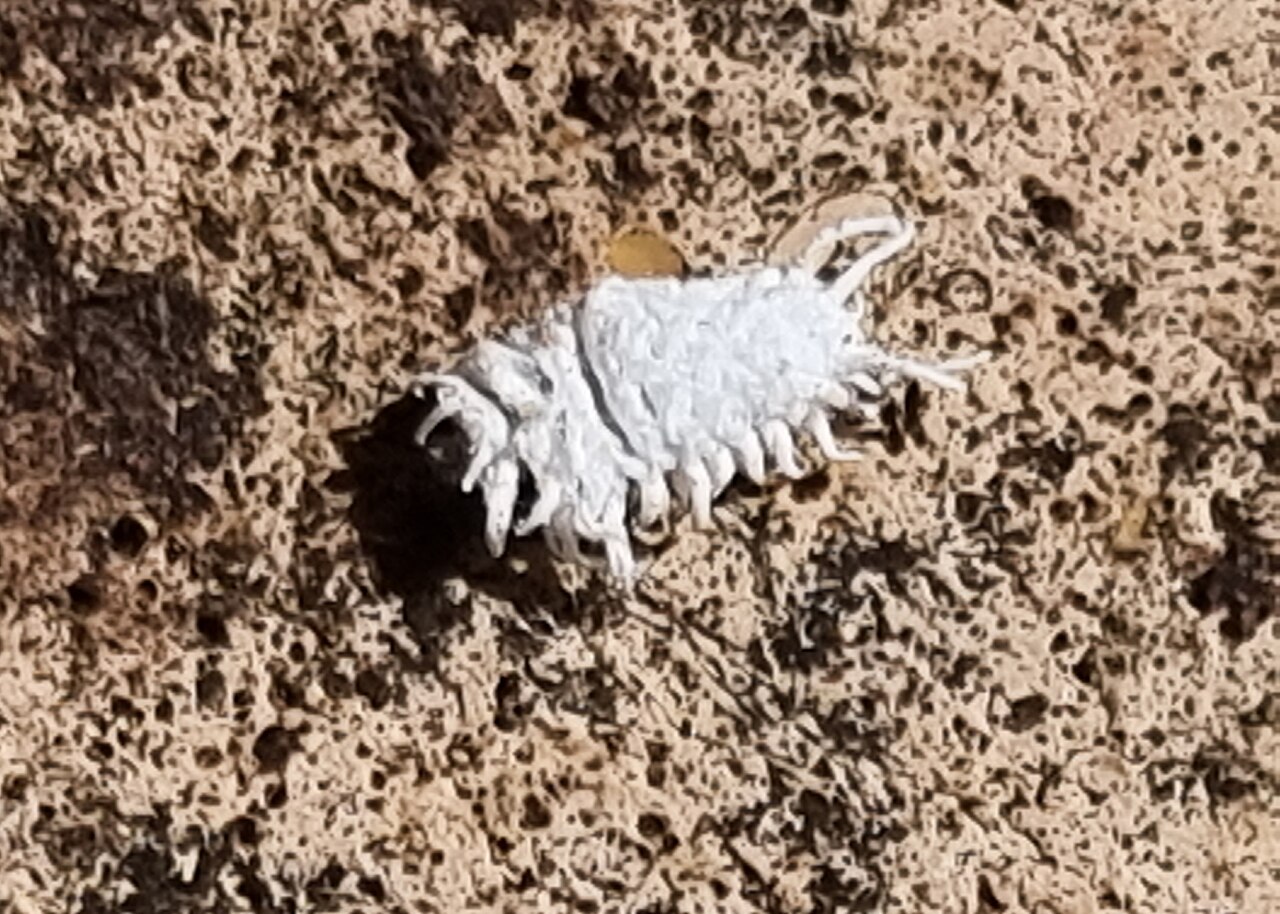
Scale insects and their fuzzy relatives, mealybugs, are among the most stubborn pests on houseplants. They cling motionless to stems and leaves, suck plant sap, and excrete sticky honeydew. If you don’t stop them in time, you risk losing your whole collection. Here’s how to get rid of them.
Scale Insects – The Armored Ones
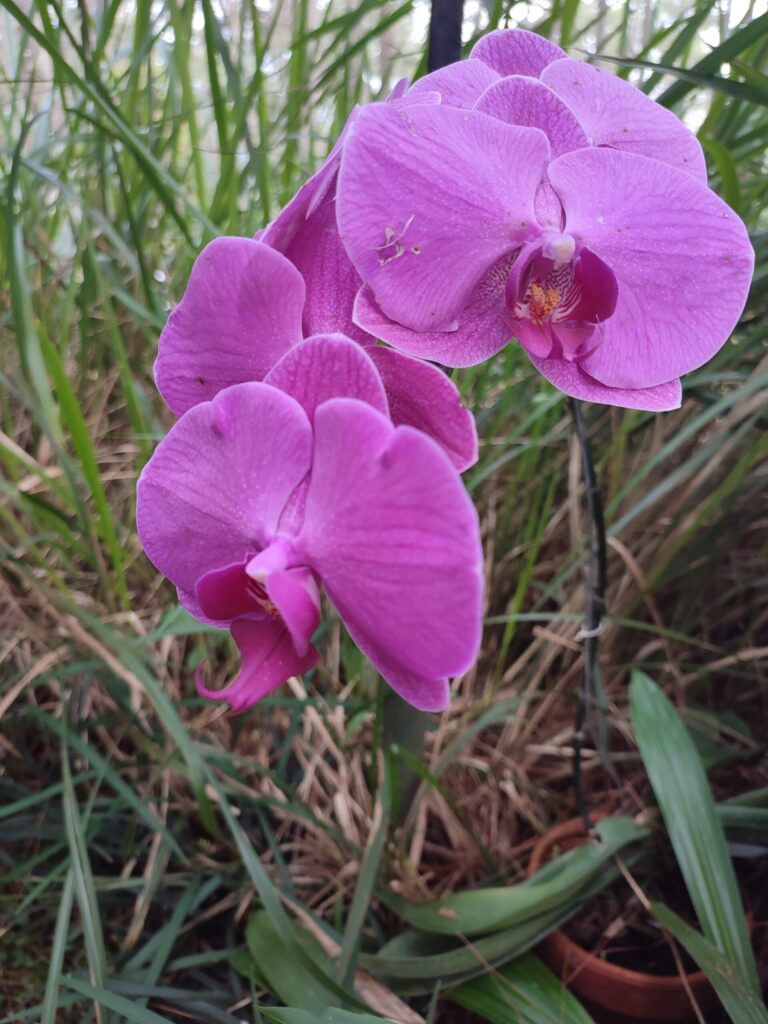
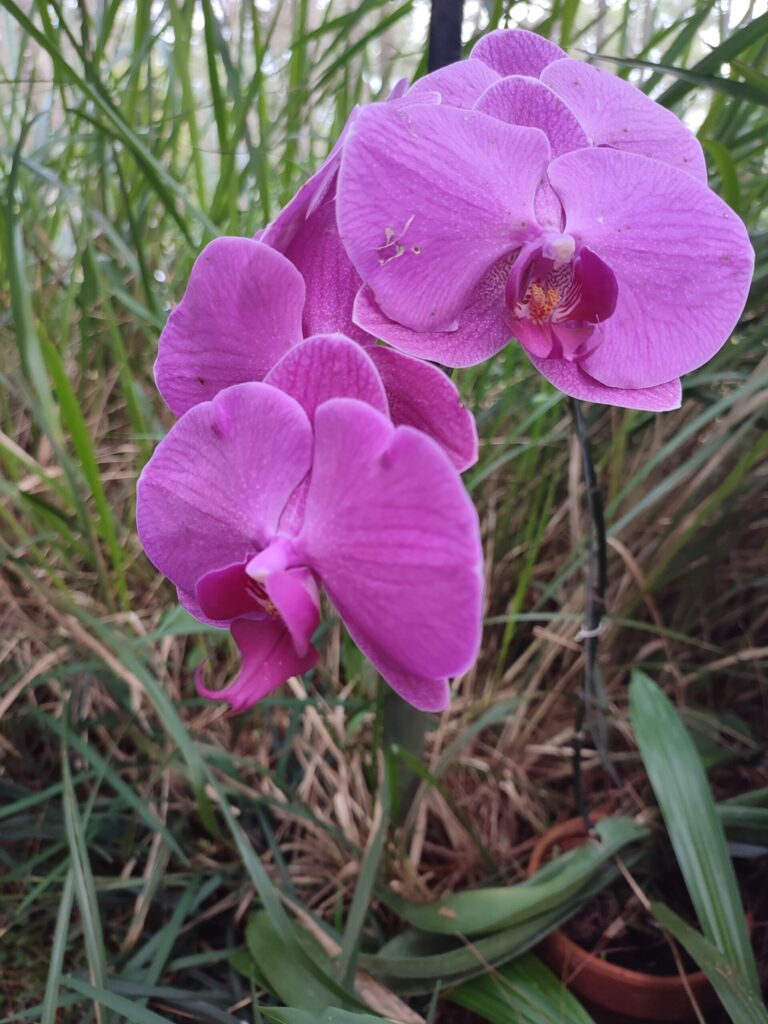
Scale insects are recognized by the small, round, brown “shields” stuck to stems and leaf undersides. They look almost like tiny scales or bits of plant tissue — which is exactly what makes them so sneaky. The sap-sucking insect sits underneath its protective shell. Their favorites: citrus plants, ficus, oleander, and orchids.
Mealybugs – The Cotton Balls
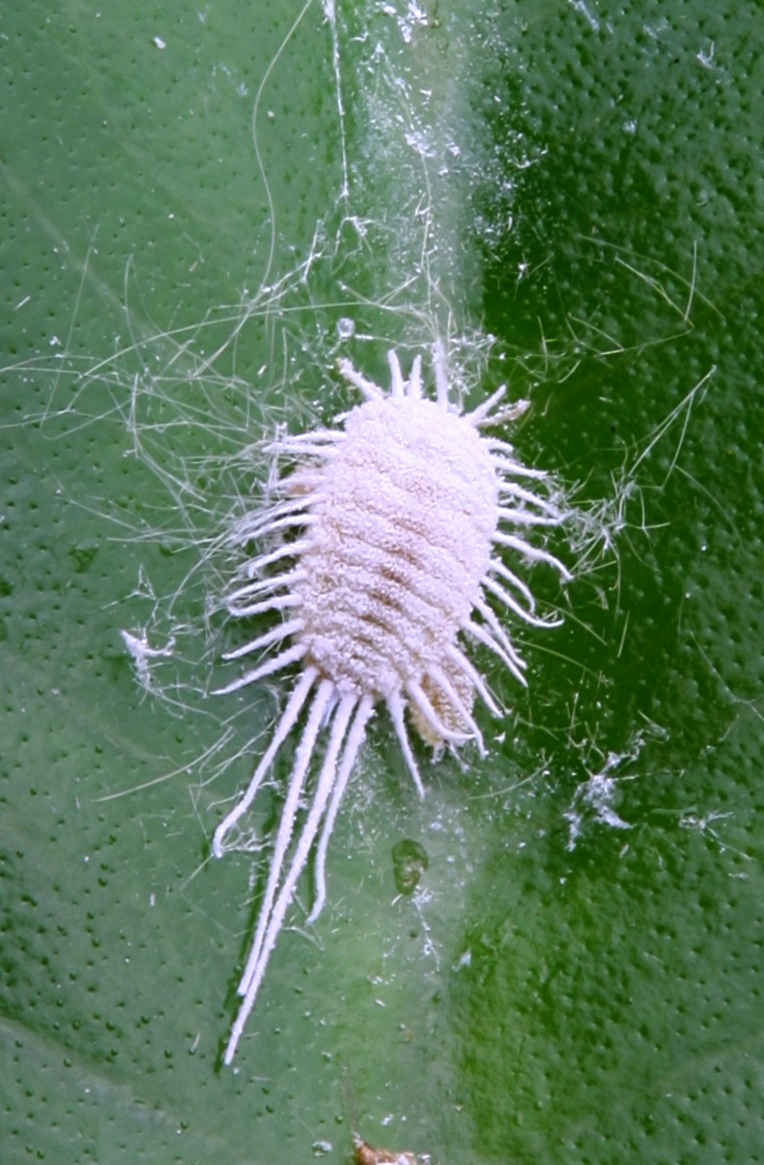
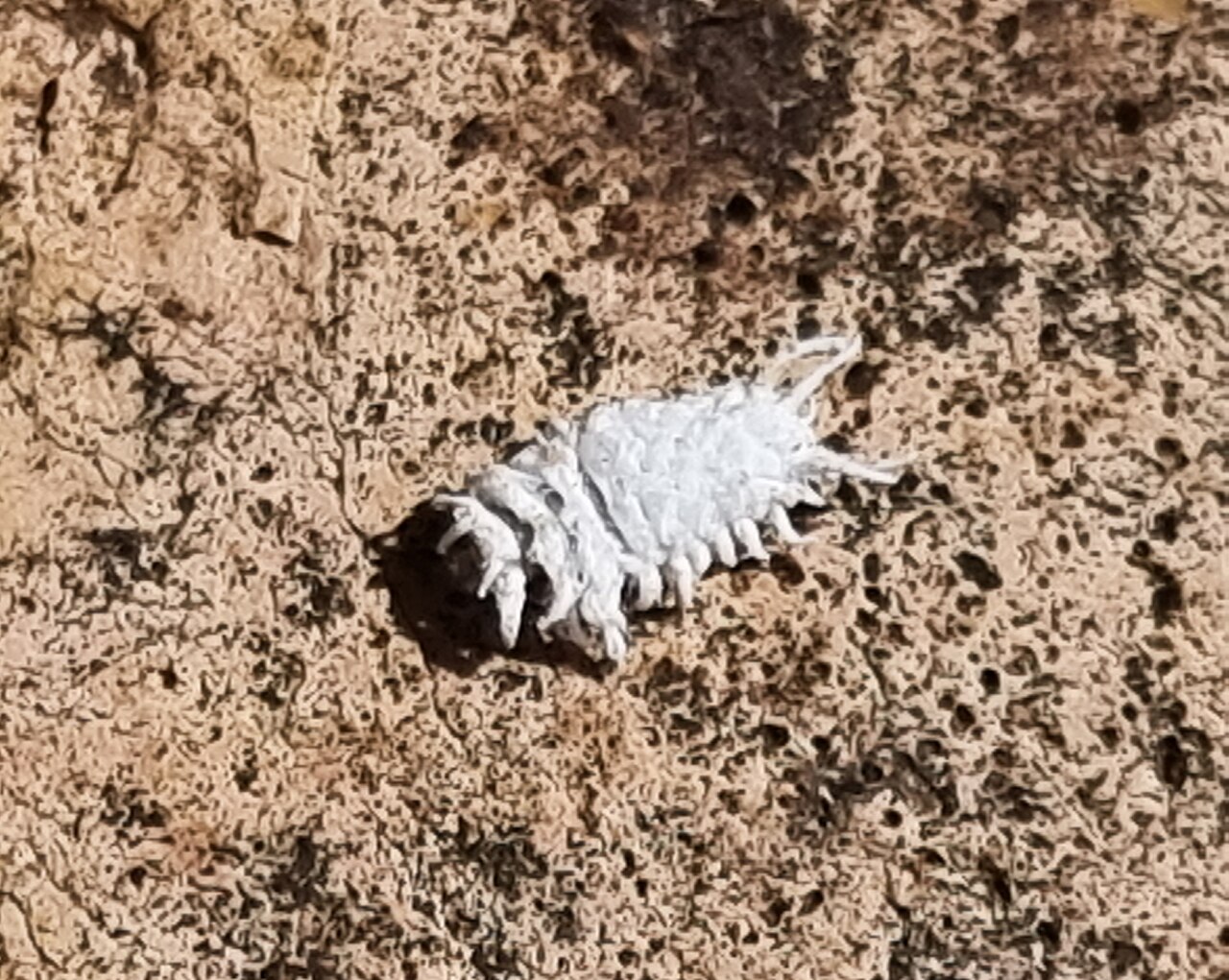
Mealybugs carry a white, cottony wax coating. They’re more mobile than scale insects and like to hide in leaf axils, behind leaf sheaths, and in other protected spots. Their honeydew excretions encourage sooty mold growth. Absolute favorite plants: succulents, hoyas, dracaenas, and nearly all cacti.
Mechanical Removal – The Foundation of Every Treatment
Before reaching for chemicals, remove the pests by hand. For scale insects, this works well with a cotton swab dipped in alcohol (rubbing alcohol or isopropanol) — dab each shield individually; the alcohol dissolves the shell and kills the insect. For mealybugs, an alcohol-soaked cotton swab works too, or for larger areas, a soft brush dipped in alcohol. After treatment, rinse all plant parts thoroughly with clean water.
Systemic Treatment for Heavy Infestations
For severe or recurring infestations, systemic insecticides (as sticks or a soil drench) are the only reliable solution. They’re absorbed through the roots and stored in the plant’s sap — the pests poison themselves as they feed. Note: these products only affect sap-sucking insects; bees and other pollinators are naturally not an issue indoors.
A natural alternative is neem oil, which acts as a feeding and molting inhibitor. Mix 5 ml of neem oil with 1 liter of water, add a drop of dish soap as an emulsifier, and spray all plant parts until dripping. Repeat the treatment three times, 7 days apart — neem oil works slowly and needs time.
Don’t Skip the Follow-Up Care
Check the plant weekly for the next 4–6 weeks. Scale insects and mealybugs are masters of hiding. A single overlooked female can build a whole new population within weeks. Stay on it, and you’ll win this fight!