Flamingo Flower (Anthurium): Care Tips for Vibrant Blooms
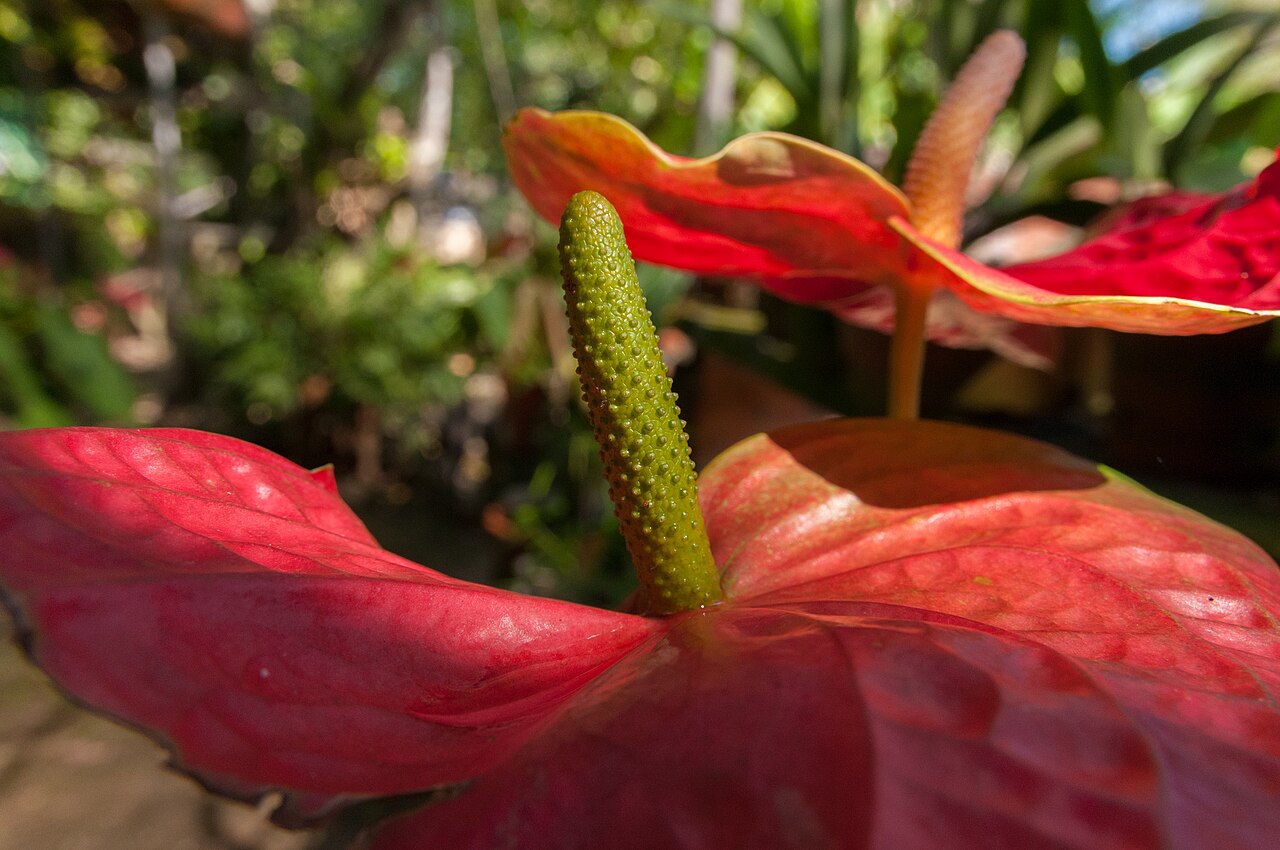
The Anthurium – Exotic Blooms All Year Round
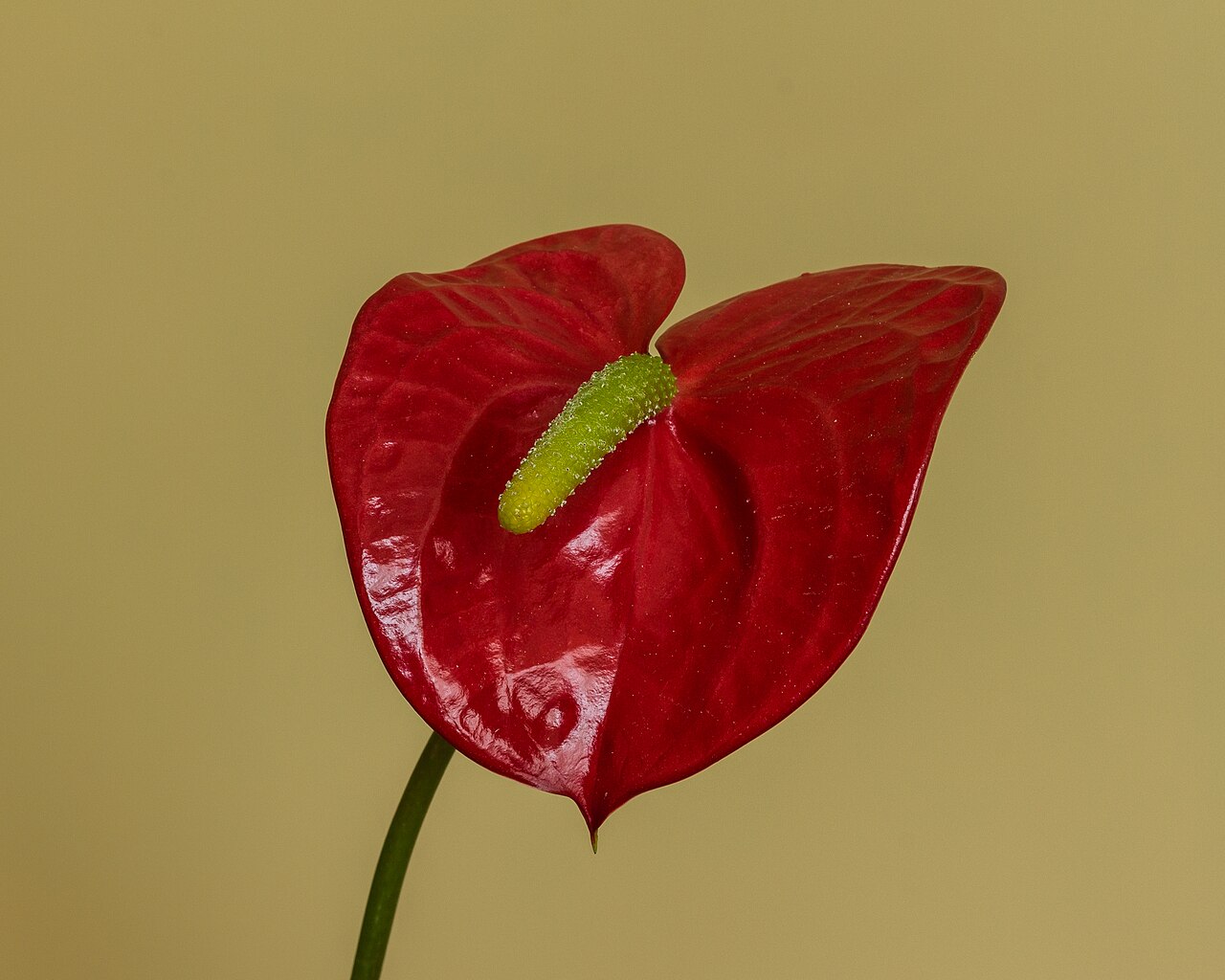
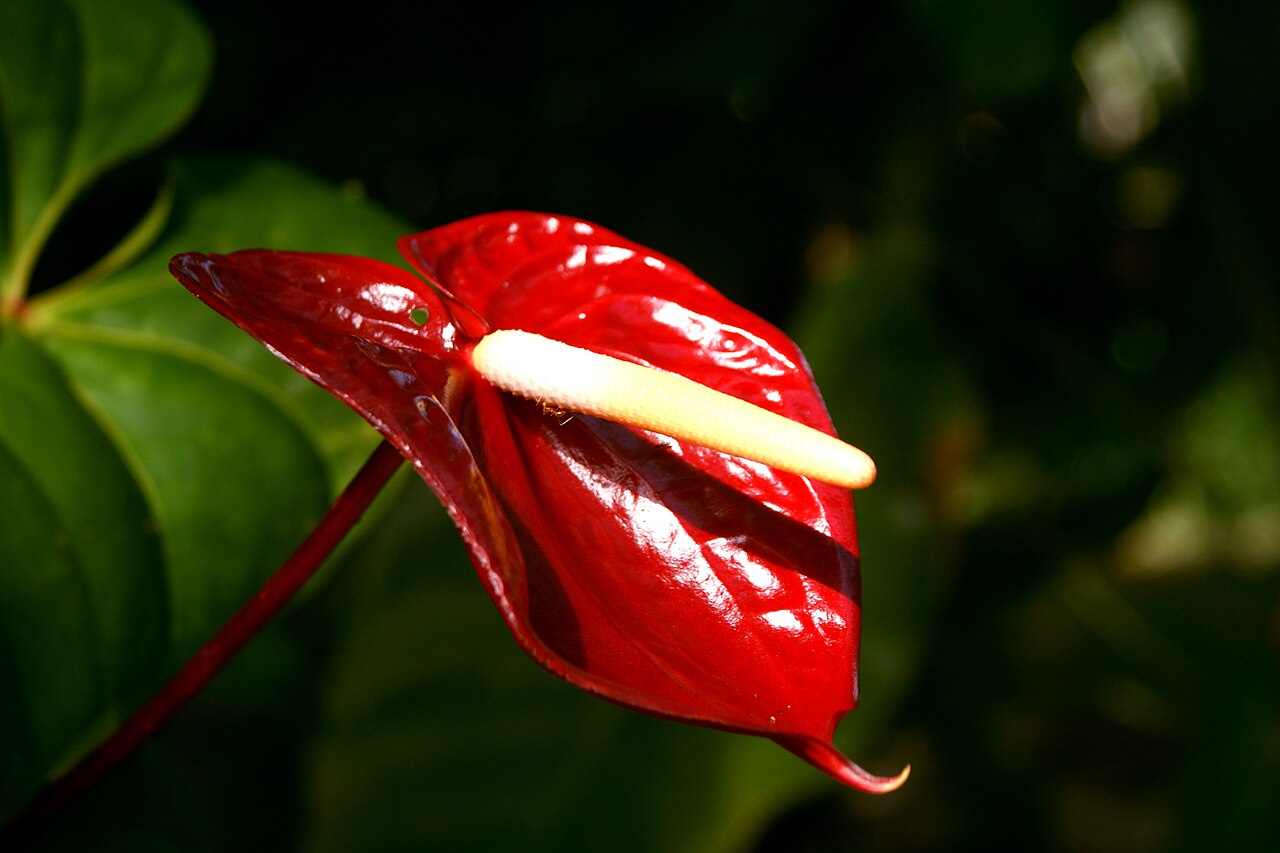
The flamingo flower, botanically known as Anthurium andreanum, is one of the most striking flowering houseplants. Its heart-shaped, waxy, glossy bracts in brilliant red, pink, or white, along with its characteristic spadix, make it truly unmistakable. With good care, an anthurium can bloom almost all year round, with each flower lasting up to eight weeks. It originally comes from the tropical rainforests of Colombia.
The Ideal Location
The anthurium loves a bright, warm spot without direct sun. An east- or west-facing window with indirect light is perfect. Temperatures between 20 and 25°C (68–77°F) are ideal. Important: the anthurium cannot tolerate drafts or fluctuating temperatures. Humidity should be high – 60 to 70 percent. Mist the leaves daily with low-lime water, but avoid spraying the flowers themselves, as this can cause spotting.
Watering the Flamingo Flower
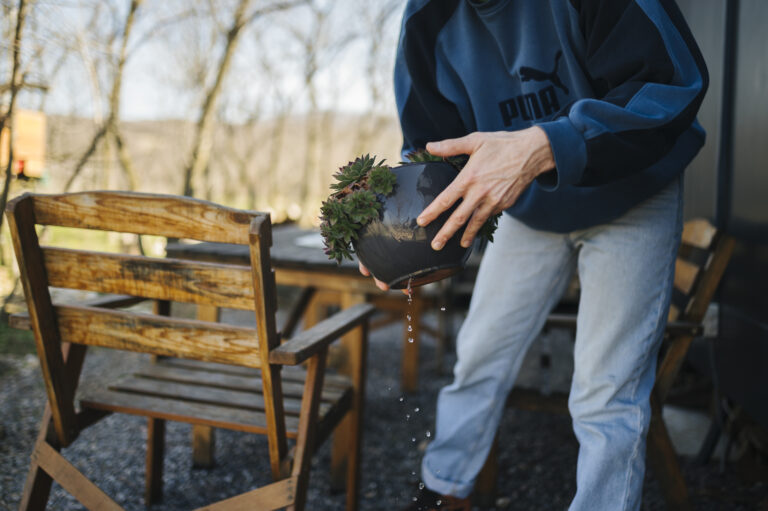
Keep the soil evenly moist, but avoid waterlogging. Water with room-temperature, low-lime water as soon as the top layer of soil has dried out slightly. The anthurium is sensitive to lime, so rainwater or filtered water is ideal. A soil moisture meter can help you find the right time to water.
Fertilizing for Lush Blooms
Fertilize every two weeks from March to September with a liquid flowering-plant fertilizer at half strength. A fertilizer formulated specifically for anthuriums is ideally matched to its nutrient needs. In winter, fertilizing once every four to six weeks is enough.
The Right Soil and Repotting
Anthuriums need a loose, airy substrate. A mix of orchid bark, peat moss, and a bit of perlite is ideal. Repot every two years in spring, once the roots fill the pot. A high-quality orchid mix suited to aroids works very well.
Leaf Care and Humidity
Wipe the anthurium’s large leaves regularly with a damp cloth to support photosynthesis. Place a tray of water and pebbles under the pot, or use a humidifier to raise the humidity around the plant.
Common Problems and Solutions
Green flowers: Too little light – move the plant somewhere brighter.
Yellow leaves: Overwatering or lime in the water.
Brown leaf edges: Air too dry, or too much fertilizer.
No flowers: Too little light or a lack of nutrients.
Aphids: Treat with a soft-soap solution or neem oil.
Is the Anthurium Toxic?
Yes, all parts of the plant contain calcium oxalate and are toxic. If ingested, it can cause irritation of the mucous membranes and stomach upset. The plant’s sap can also irritate the skin. Keep it out of reach of children and pets.
Colors and Varieties
Besides the classic red, anthuriums also come in pink, white, salmon, orange, and near-black. The large-flowered varieties from the ‘Anthura’ breeding line are especially popular. A blooming anthurium plant makes a wonderful, long-lasting gift.
Conclusion
The flamingo flower is an exotic beauty that, with the right care, blooms almost year-round. The key to success: high humidity, low-lime water, regular fertilizing, and a bright spot out of direct sun.