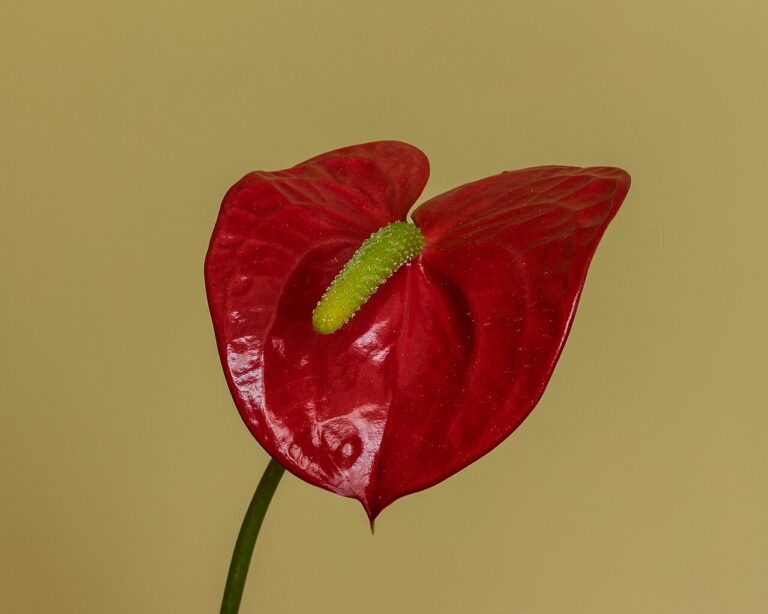
Feeding Schedule for Houseplants: How to Nourish Your Green Roommates All Year Round

Houseplants need nutrients all year round, but definitely not the same amount at every time of year. A structured feeding schedule helps you keep your plants properly nourished without falling into the overfertilizing trap.
Spring: Kickoff (March–May)
As the days grow longer, most houseplants wake up from winter dormancy and enter their main growth phase. Starting in March, you can gradually begin fertilizing again, starting at half strength so you don’t overwhelm the roots. A liquid all-purpose fertilizer with a balanced NPK ratio (around 7-3-6) is ideal. Mix it into the watering can every two weeks.
Summer: Full Power (June–August)
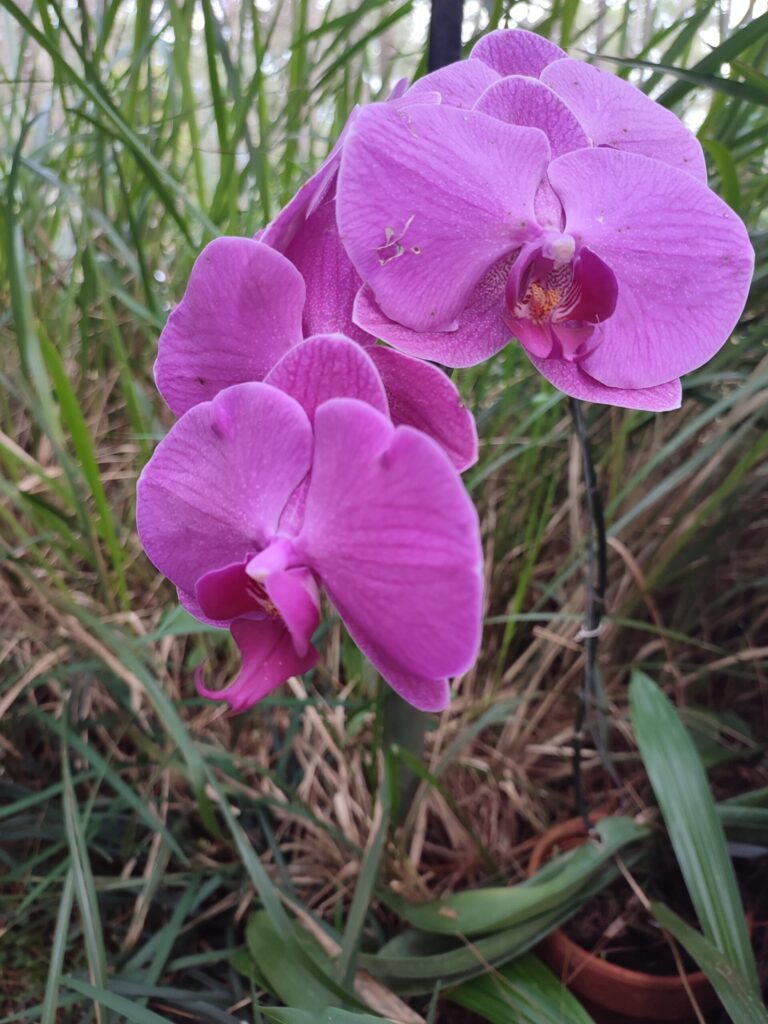
During the summer months, photosynthesis runs at full speed. Most plants can now handle weekly feedings at full strength. Flowering plants like orchids or hibiscus benefit from a phosphorus-rich bloom fertilizer now. Cacti and succulents get a specialized cactus fertilizer — but sparingly.
Fall: Winding Down Gently (September–October)
Starting in September, cut back to feeding every three to four weeks. Plants are preparing for their resting period and growth slows down. Avoid nitrogen-heavy fertilizers now, as they encourage soft tissue that’s more vulnerable to pests over winter.
Winter: Fertilizer Break (November–February)
From November through February, skip fertilizer entirely. The exception is winter-blooming plants like Christmas cacti or amaryllis, which can handle light feedings while in bloom. Most plants, though, are in full dormancy and would respond to extra nutrients with root rot or salt damage.
Practical Tips
- Always fertilize into moist soil — never onto dry roots
- When in doubt, use less rather than more: overfertilizing does more harm than underfeeding
- Freshly repotted plants don’t need fertilizer for 6–8 weeks
- Signs of disease are never a reason to add extra fertilizer
Follow this schedule and you’ll be on the safe side all year round — your plants will reward you with lush green growth and healthy development!