Planters as a Decor Element: How to Style Your Plants Beautifully
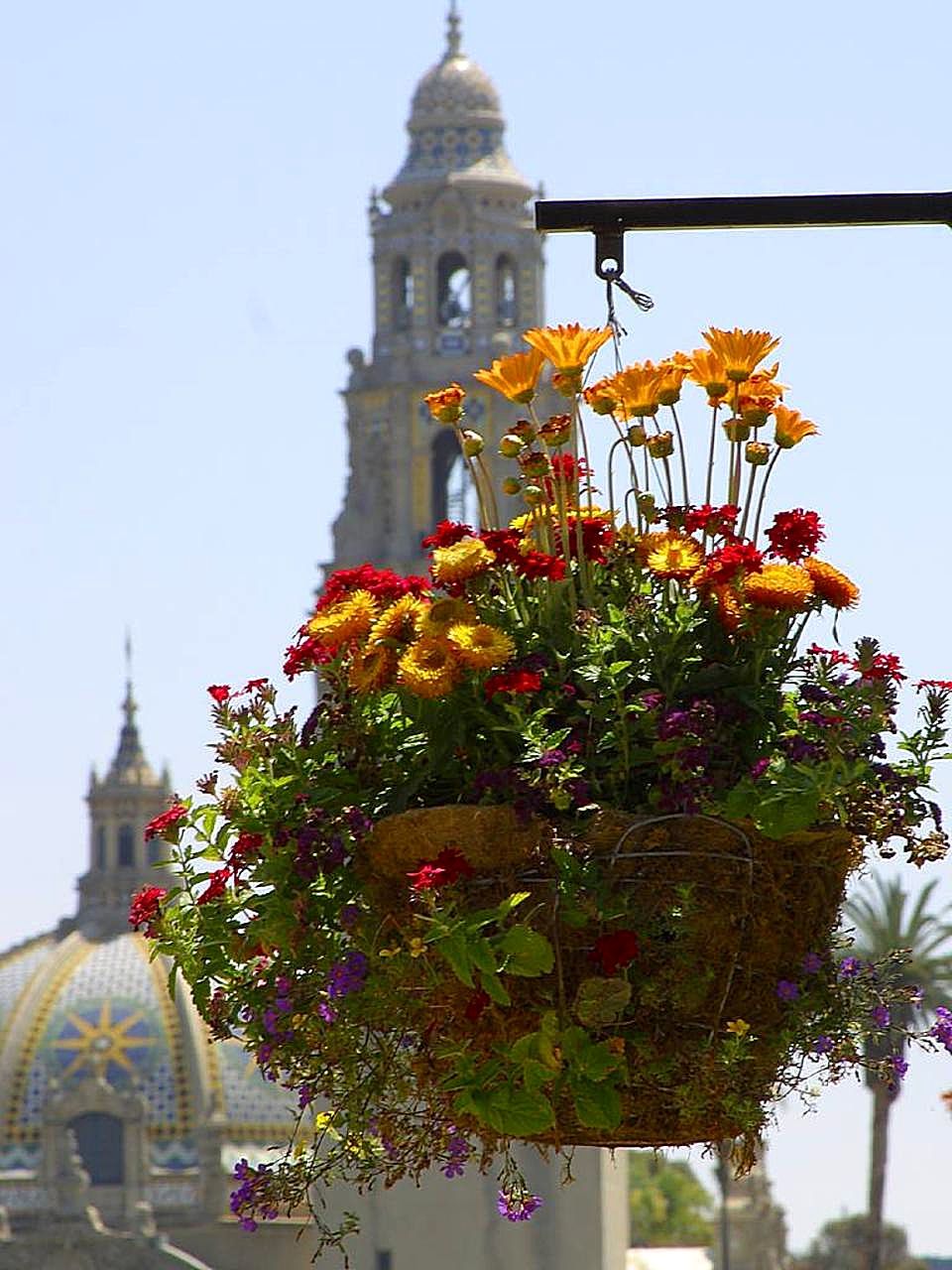
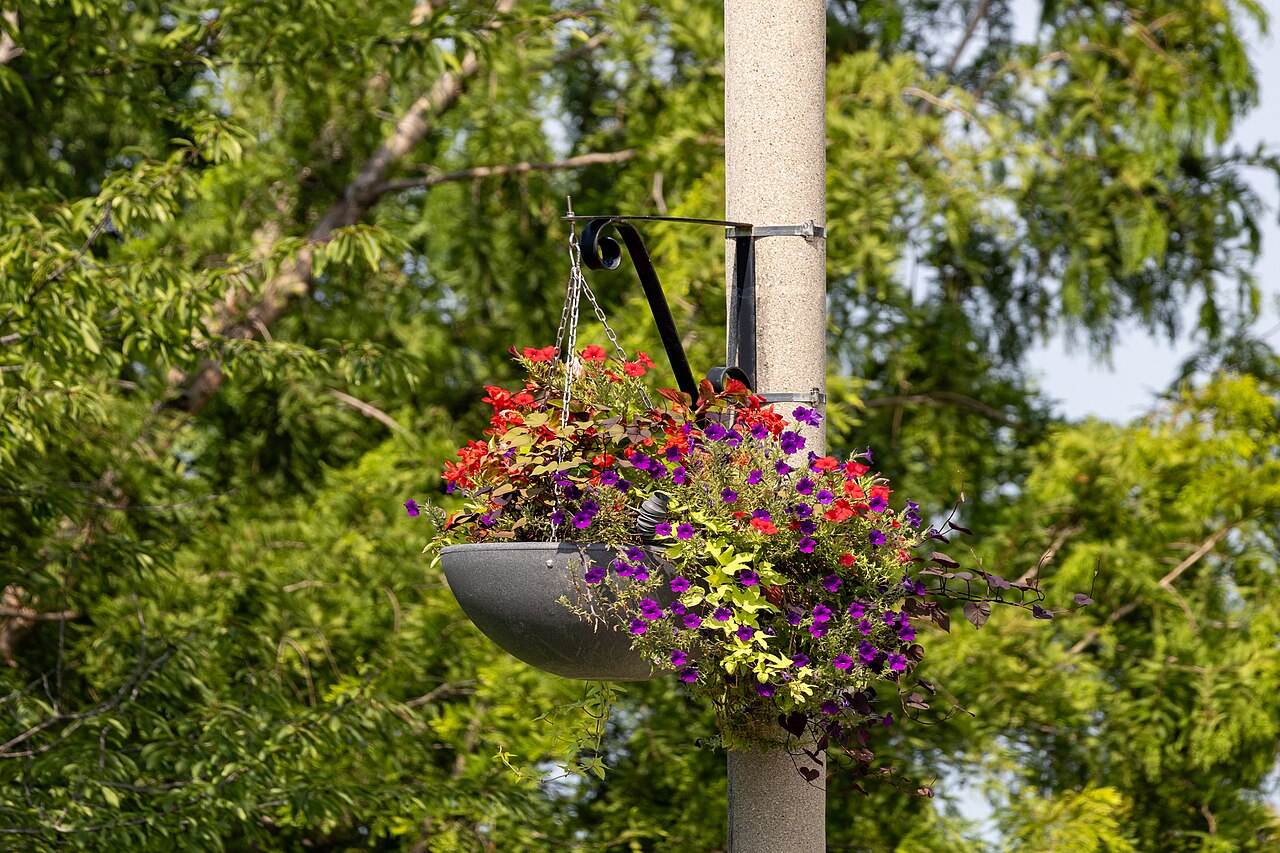
A planter is far more than a practical container for catching runoff water. Used well, it becomes a central design element in your home. Whether minimalist, rustic, or bold, the right planter frames your plant perfectly and reinforces your personal style.
What Exactly Is a Planter?
Before we go further, let’s clarify a basic distinction. The grow pot, sometimes called the nursery pot, is the container the plant actually grows in. It has drainage holes in the bottom so excess water can escape. The planter, or cachepot, is the decorative outer container without holes that the grow pot sits inside.
This separation isn’t just for looks, it’s practical. Water that drains out collects in the planter and can be reabsorbed by the plant as needed. At the same time, the planter protects delicate surfaces like wood floors or windowsills from moisture.
Materials at a Glance
Ceramic and Porcelain
Glazed ceramic and porcelain are the classics among planters. They’re heavy, stable, and available in nearly endless colors and patterns. Hand-painted ceramic from Portugal or Italy brings Mediterranean flair into your home, while simple white porcelain suits Scandinavian-style interiors.
Metal
Metal planters, whether shiny brass, matte copper, or industrial zinc, are hugely popular right now. They reflect light and add visual interest. They look especially good paired with plants that have bold, graphic foliage, like fiddle-leaf figs or monsteras.
With metal planters, make sure the interior is coated or lined. Bare metal can oxidize and leave unsightly stains, so a plastic liner is doubly important here.
Woven Natural Materials
Baskets made from seagrass, rattan, water hyacinth, or banana leaf bring natural warmth to any room. They’re lightweight and often surprisingly affordable. Boho and Japandi styles would be hard to imagine without woven planters.
The downside is that natural materials are sensitive to moisture. Always use a waterproof liner and a saucer so the weave doesn’t mold or go musty.
Glass
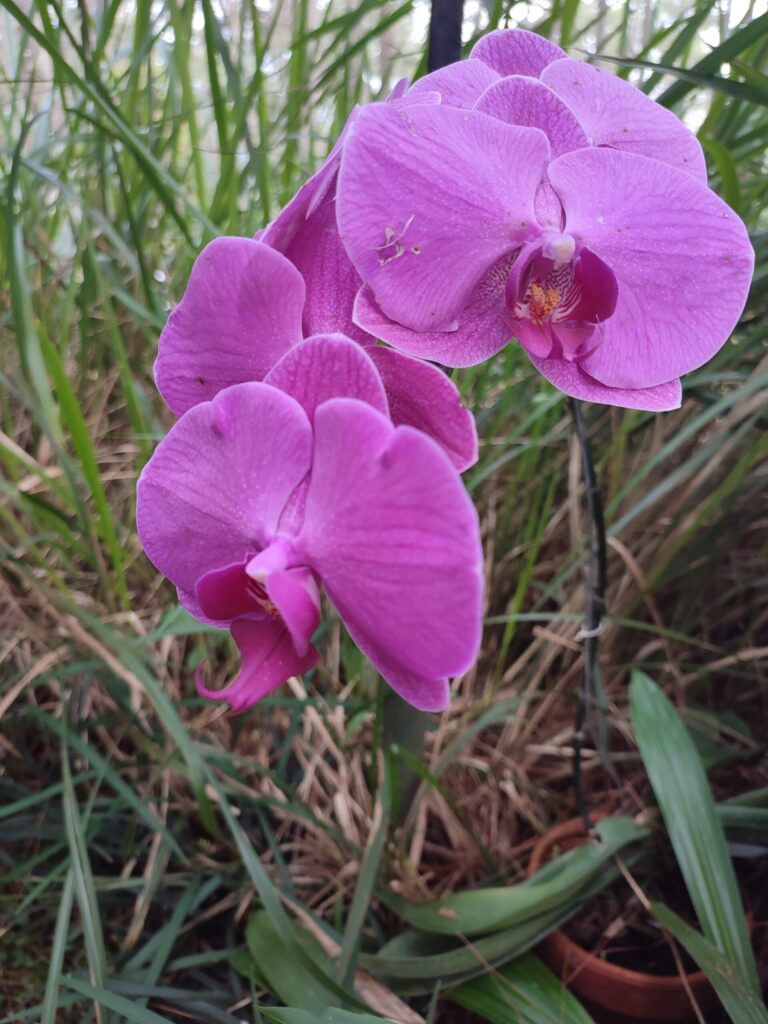
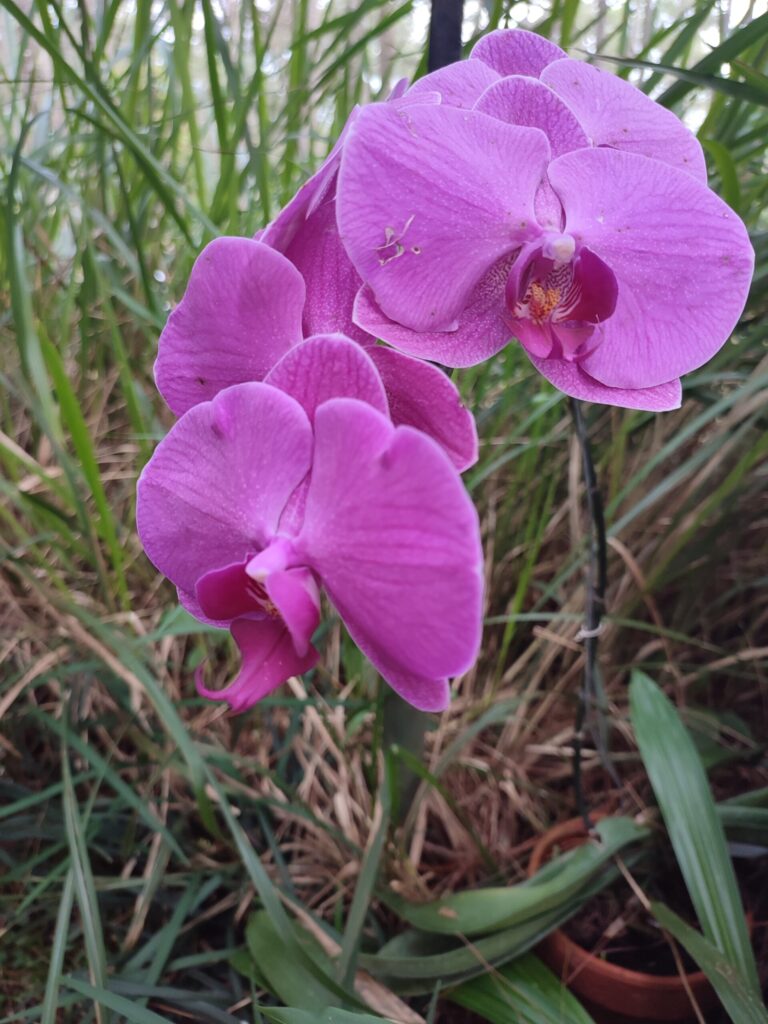
Glass planters are something special, letting you see the roots and growing medium, which is fascinating but not for everyone. They’re especially popular for hydroculture setups and succulent terrariums. Orchids, with their silvery-green aerial roots, also do well in glass, since it lets extra light reach the roots.
Wood
Wooden planters, whether turned, built, or hollowed from a slice of tree trunk, bring rustic warmth. They pair beautifully with large houseplants and ground a room. As with other natural materials, moisture is the enemy, so a plastic liner is a must.
Choosing the Right Size
The planter should be roughly two to three centimeters wider in diameter than the inner pot. That leaves a narrow gap for airflow without blocking drainage. A planter that’s too snug makes it hard to lift the plant out for watering, while one that’s too large looks out of proportion.
Height matters too. The inner pot shouldn’t sink deep into the planter; ideally it sits close to the rim. If the planter is too tall, a layer of expanded clay pebbles at the bottom can raise the inner pot to the right height.
Styling Tips for Planters
Group several plants with planters of varying heights to create a small indoor landscape. Matching materials or colors create unity, while different shapes and heights add visual interest.
A large, striking planter can stand alone and define an entire room. Less is often more here: a single, statement plant in a special container can have more impact than many small ones.
Seasonal accents are easy to add. Simply swap the planters, bright, fresh colors in summer, warm tones and heavier materials in winter. You can change the mood of a room without repotting a single plant.
What to Check Before You Buy
Check the planter for sharp edges that could scratch the inner pot. The base should be smooth and flat to protect delicate furniture surfaces; felt pads are a simple, effective fix.
For heavy materials like ceramic, think ahead about where the pot will sit. A large ceramic planter full of wet soil can be surprisingly heavy, and that’s a safety risk on an unstable shelf.
Conclusion
The planter is the stage your plant performs on. Take your time choosing one, and treat it as an integral part of your decor rather than an afterthought. With the right planter, even a simple spider plant becomes a statement piece.
This article may contain affiliate links. If you purchase a product through one of these links, Plantgecko may earn a commission at no extra cost to you. This never influences our editorial independence or which products we recommend.