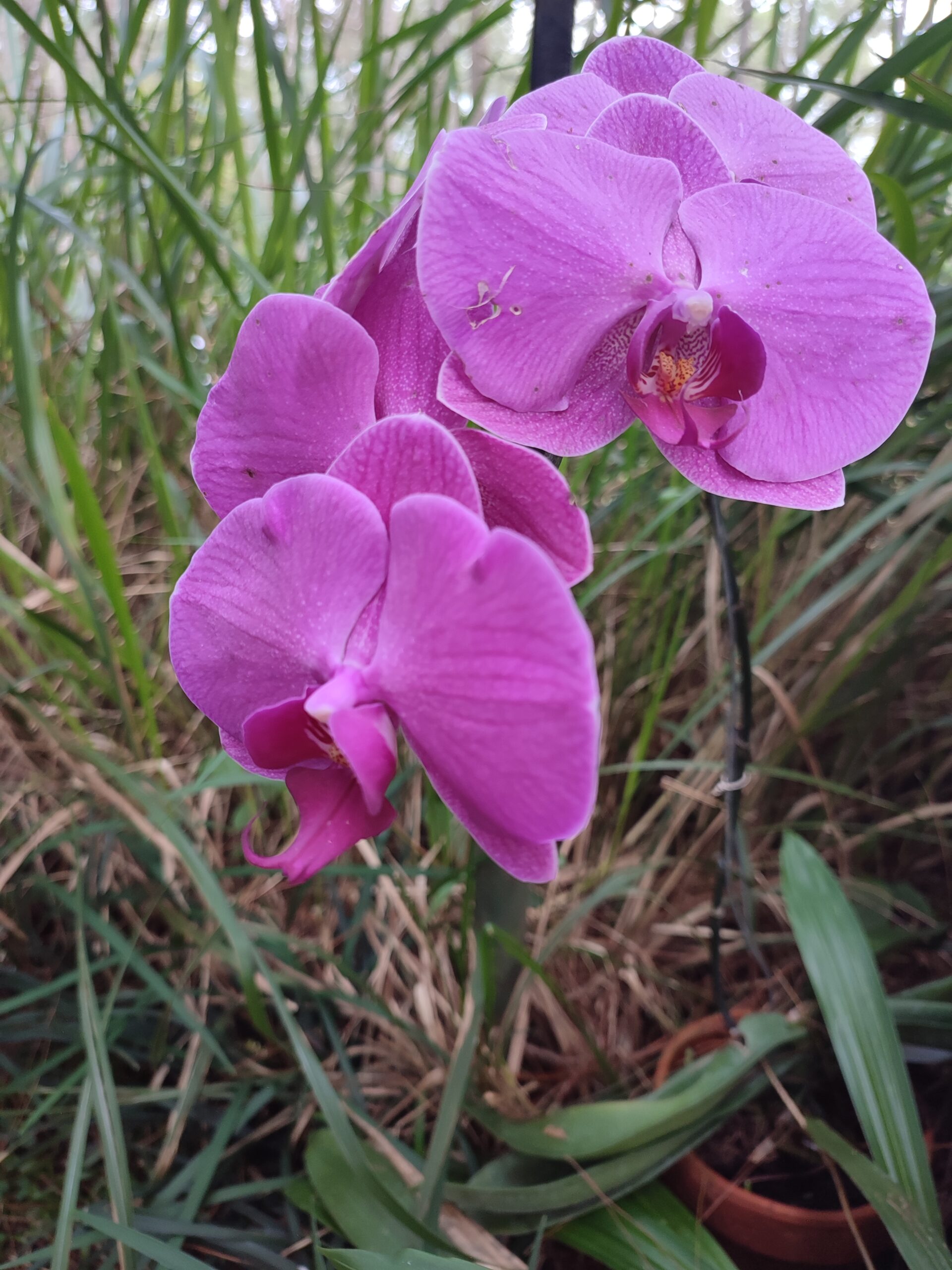
Phalaenopsis Orchid: Care, Location, and Flowering Time
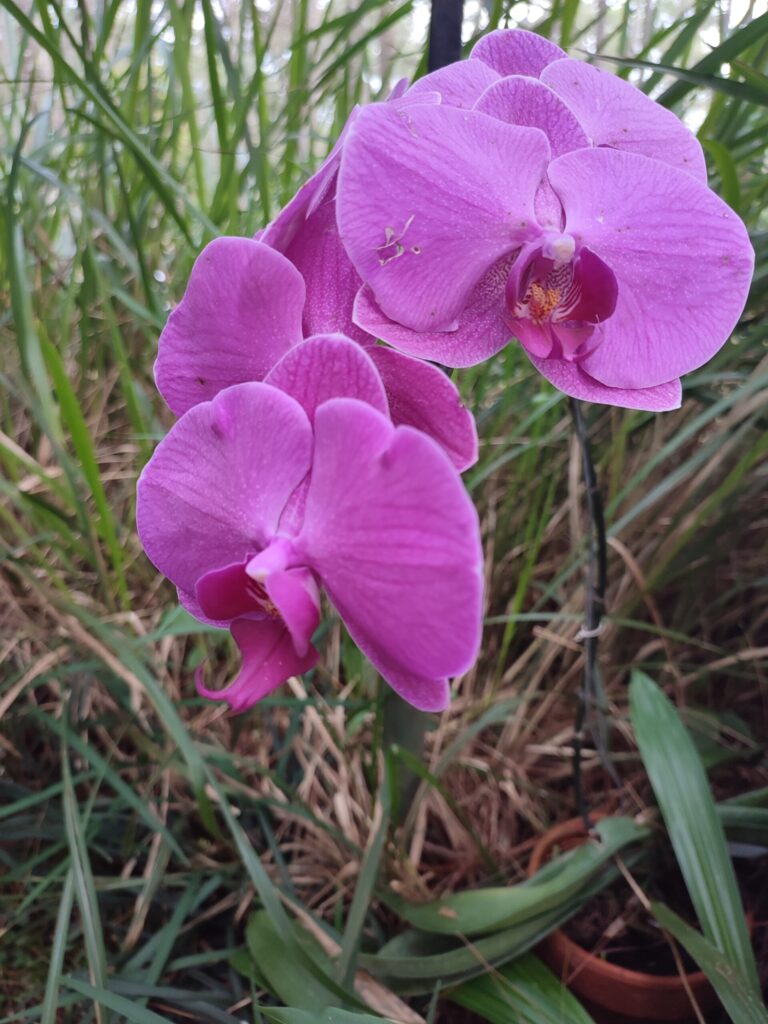
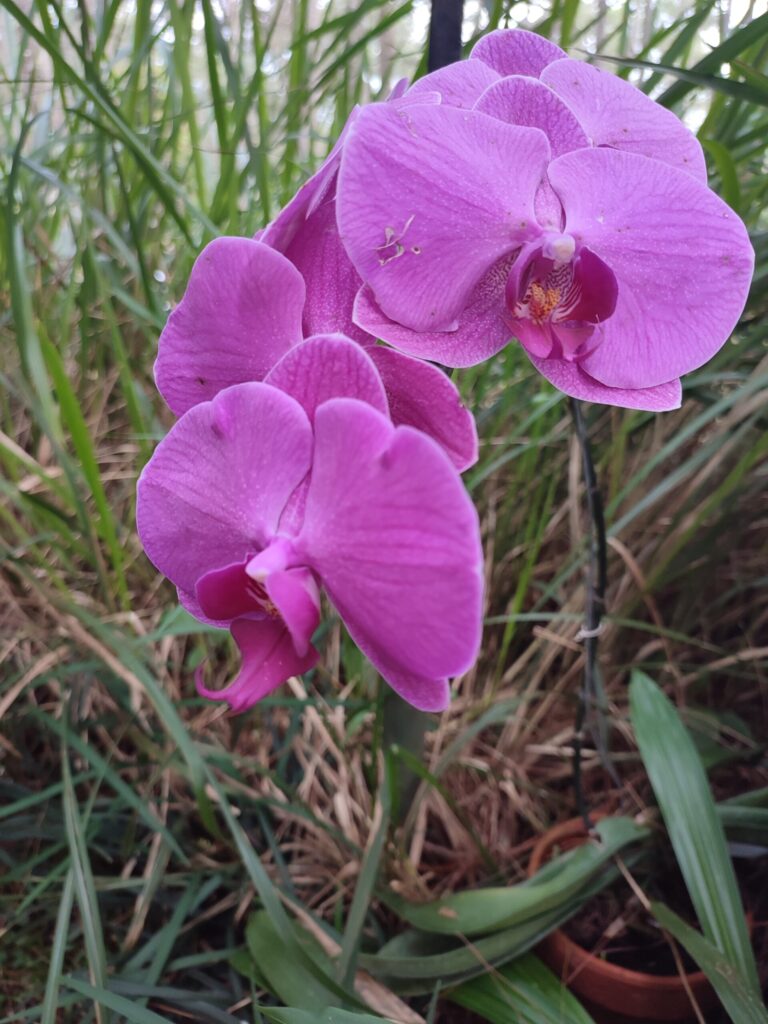
Few houseplants combine elegance and ease of care as successfully as the Phalaenopsis, or moth orchid. Its arching sprays of flat, waxy blooms can last for months, and unlike many orchids, Phalaenopsis is genuinely well suited to average home conditions once you understand a few key habits rooted in its life as a tree-dwelling epiphyte in Southeast Asian rainforests.
Finding the Right Spot
Bright, filtered light is essential. A spot a metre or two back from a south- or west-facing window, or directly in an east-facing window, usually provides the right intensity. Leaves that stay a healthy medium green indicate good light; leaves that darken suggest too little light, while reddish-tinged foliage signals too much direct sun.
How Often to Water
Overwatering is the number one cause of Phalaenopsis decline. Because the roots are adapted to short bursts of rain followed by drying air, they rot quickly if kept constantly wet. Water once every seven to ten days by running lukewarm water through the pot for 15 to 20 seconds and letting it drain completely – never allow the pot to sit in a saucer of water.
Creating the Right Humidity
Native rainforest humidity levels of 60 percent or more are hard to replicate in a typical living room, but grouping plants together, using a humidity tray, or running a humidifier nearby will make a noticeable difference in root and leaf health, especially during dry winter heating months.
Temperature and Bloom Triggers
Phalaenopsis grow well in normal indoor temperatures of 18 to 27°C (65 to 80°F). To coax a plant that has finished flowering into producing a new spike, expose it to a natural autumn temperature dip of several degrees at night for a few weeks; this seasonal cue is often more effective than fertilizer at prompting new blooms.
Potting Mix Matters
A well-draining bark-based orchid mix is non-negotiable; ordinary potting soil holds far too much moisture around the roots. Clear plastic pots are especially useful because they let you see root color – plump and silvery-green roots are healthy, while brown, mushy roots indicate rot and a need to repot into fresh medium.
Feeding Schedule
During spring and summer active growth, feed every second or third watering with a diluted orchid-specific fertilizer at roughly quarter strength. Cut back to monthly feeding, or stop altogether, during the cooler, lower-light months when the plant is resting.
After the Blooms Fade
When flowers drop, examine the spike: if it is still green, cutting above a node can sometimes prompt a second bloom flush; if it has turned brown or yellow, cut it back to the base to let the plant redirect its energy into leaf and root growth ahead of the next flowering cycle.
Troubleshooting
Wrinkled leaves usually signal a watering problem, either too little or root damage preventing water uptake. Bud drop can occur from sudden temperature swings or drafts, so keep plants away from heating vents, air conditioners, and cold windowsills in winter.
Adjusting Care With the Seasons
As seasons change, so should your Phalaenopsis routine. Spring’s longer days and rising light levels are the natural cue to resume or increase feeding frequency and to consider repotting if the bark medium looks broken down. Summer heat can increase watering needs slightly and also raises the risk of sunburn if a plant is moved to a brighter spot too abruptly, so any relocation should happen gradually. Autumn’s shortening days and naturally cooler nights are the best free tool available for triggering a new flower spike, so resist the urge to keep the plant in an artificially warm, stable spot during this period if reblooming is the goal. Winter typically brings lower humidity indoors from heating systems, making a pebble tray or humidifier more valuable during these months than in summer, alongside a slightly reduced watering frequency to match the plant’s slower winter metabolism.
Frequently Asked Questions
Can I keep a Phalaenopsis orchid in the bathroom?
A bright bathroom with a window can actually suit Phalaenopsis very well, since the extra humidity from showers benefits the roots, as long as there’s enough indirect light and the plant isn’t sitting in a cold draft.
Do I need to mist my orchid’s leaves?
Misting leaves briefly can offer minor humidity benefit but isn’t a substitute for genuinely raising ambient humidity through a pebble tray or humidifier, and water sitting in the leaf crown for too long can encourage rot.
What does it mean when orchid roots turn silvery-white?
Silvery-white, slightly velvety roots are simply dry roots in a normal, healthy resting state between waterings; they turn a vivid green within minutes of being watered, which is a handy way to visually judge watering needs.
Can I move my orchid outside in summer?
In a warm climate with mild nights, a Phalaenopsis can spend summer in a bright, shaded outdoor spot protected from direct sun and rain, but it should be brought back indoors well before nights turn cool in autumn.