African Violet Care – A Colorful, Everblooming Favorite
African Violets – Colorful, Beautiful Blooms for Your Home
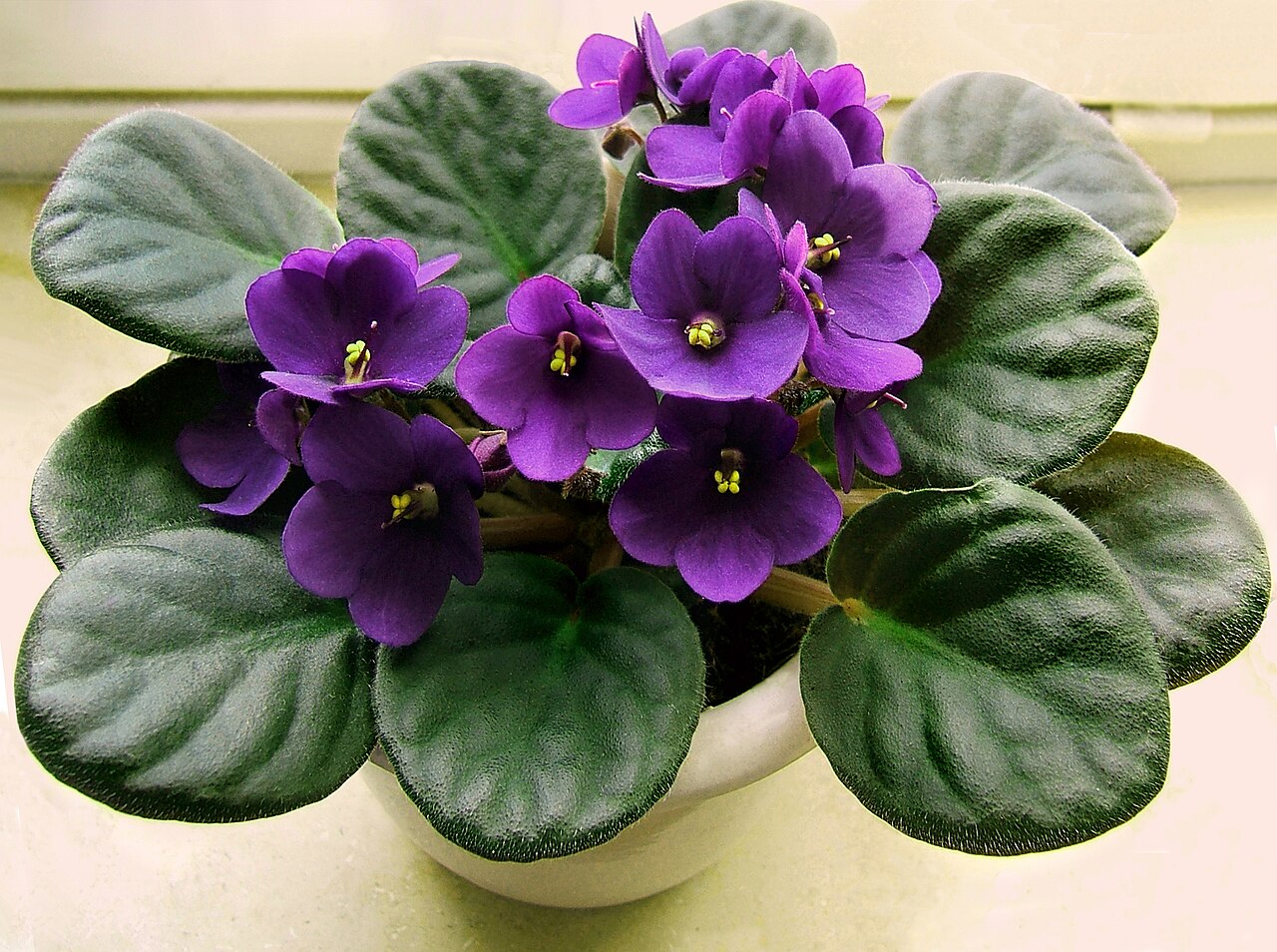
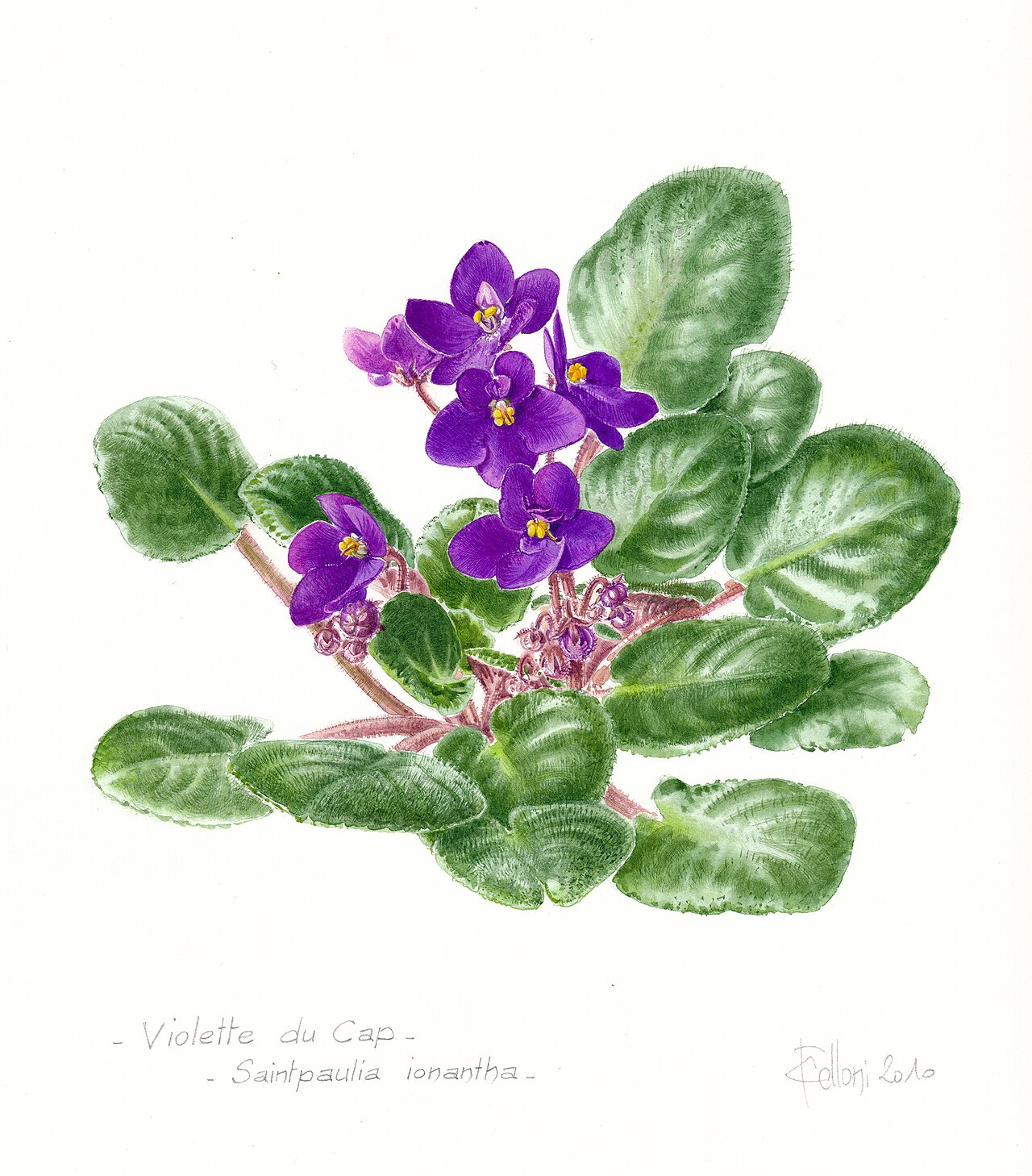
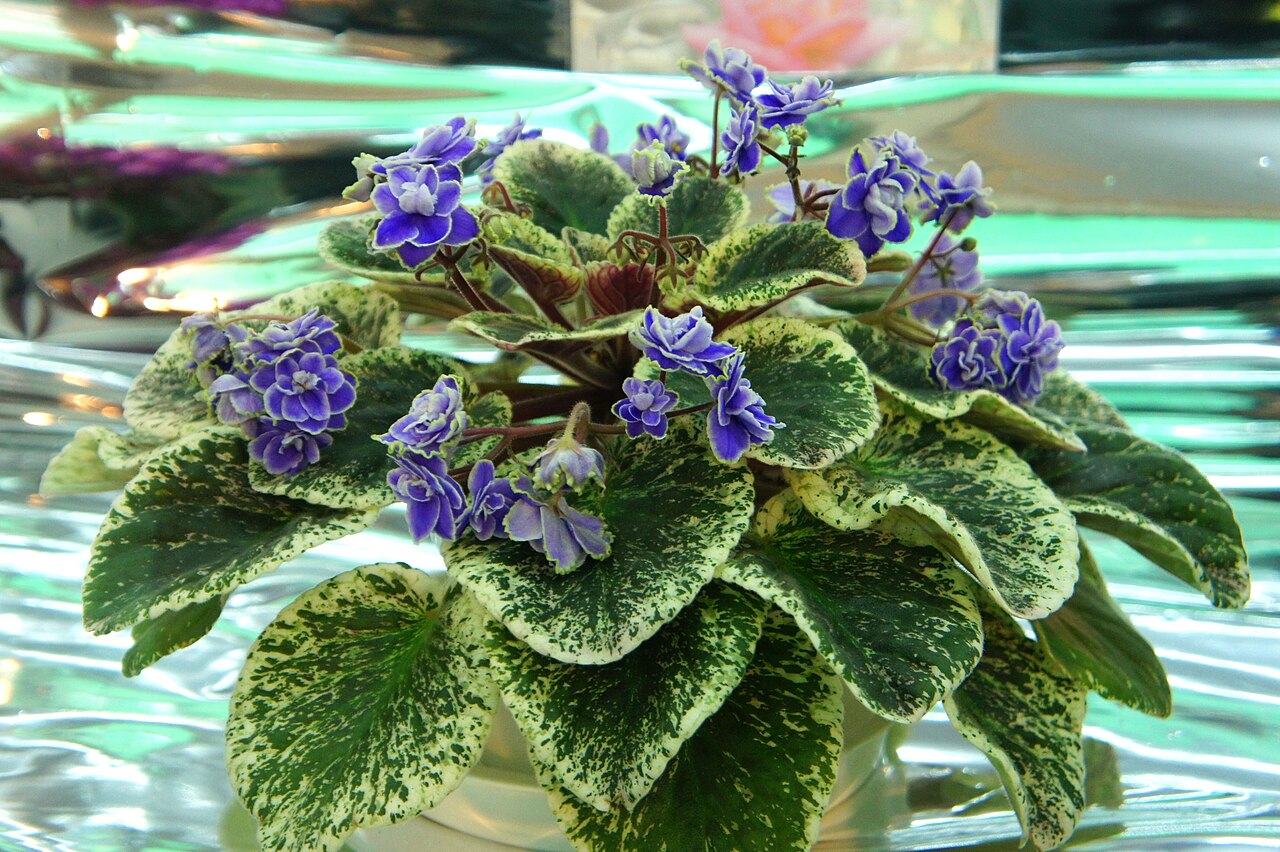
The African violet, botanically Saintpaulia ionantha, is one of the most rewarding flowering houseplants you can grow indoors. With its compact growth habit and velvety, heart-shaped leaves, it fits on any windowsill. But the real attraction is its vibrant flowers, which appear in colors ranging from deep purple through pink to pure white – and do so almost all year round. With good care, African violets can bloom up to ten months a year, making them an unbeatable everblooming plant.
The Perfect Location
African violets originate from the mountain forests of Tanzania and Kenya, where they grow in filtered light beneath trees. They therefore prefer a bright location without direct sunlight. An east- or north-facing window is ideal. At south-facing windows, they need a sheer curtain for sun protection. Too little light leads to long leaf stalks and a lack of flowering, while too much direct sun causes leaf burn.
These little Africans are sensitive when it comes to temperature: they like it consistently warm, at 68-75°F (20-24°C), and cannot tolerate temperatures below 61°F (16°C). Cold drafts and temperature fluctuations can cause leaf spots and stunted growth. A cold windowsill in winter (especially at night) can also be a problem – a piece of cork or styrofoam placed underneath the pot helps insulate it.
Watering the Right Way
Watering is the most critical aspect of African violet care. The leaves are sensitive and should never come into contact with cold water – it leaves unsightly, permanent spots. It’s best to water from below, through the saucer, or briefly dip the pot in room-temperature water. After 15-20 minutes, pour off any excess water.
The root ball should stay evenly moist, but never wet. Let the top layer of soil dry out slightly between waterings. Reduce the amount of water in winter. A good indicator: if you lift the pot and it feels light, it’s time to water.
Fertilizing and Substrate
For rich, sustained flowering, African violets need regular feeding. A potassium-rich liquid fertilizer applied every two weeks during the blooming period encourages flower formation. Apply it at half the recommended concentration, since African violets are sensitive to over-fertilizing.
A loose, humus-rich mix with good drainage works well as a substrate. A specialized African violet potting mix, or a blend of potting soil, perlite, and a little sand, is ideal. The pH should be slightly acidic (5.5-6.5).
Encouraging Blooms and Removing Spent Flowers
To keep your African violets blooming tirelessly, you should regularly remove spent flowers and wilted leaves. This encourages the plant to form new buds. Remove the spent flower stems carefully with your fingers or a clean pair of scissors, cutting right at the base. Be careful not to damage the surrounding leaves.
Another tip: African violets bloom best when they are slightly rootbound. Only repot them once the roots have completely filled the pot. Use pots with a diameter of about 3-4 inches (8-10 cm) – these compact plants don’t need any more room than that. Because their roots are shallow, shallow pots are a good choice.
Easy Propagation
Propagating African violets is surprisingly easy and fun. The most common method is leaf cutting propagation. Cut off a healthy, mature leaf with about 1 inch (3 cm) of stem attached and insert it into moist propagation soil. At temperatures around 72°F (22°C) and high humidity (simply cover it with a clear plastic bag), small young plants will form at the base of the leaf stalk within 4-8 weeks.
A special feature: a single leaf can produce several young plants. Once these are large enough (about 1-1.5 inches / 3-4 cm), you can carefully separate them and pot them individually. This way, you can quickly turn one African violet into an entire collection – a wonderful gift for fellow plant lovers!
Common Care Mistakes and How to Fix Them
| Problem | Cause | Solution |
|---|---|---|
| No flowers | Lack of light or pot too large | Improve the location; use a smaller pot |
| Leaf spots | Cold water on the leaves | Water only from below; spots are permanent |
| Rotting leaves | Waterlogging or poor air circulation | Water less; ensure good air movement |
| Long leaf stalks | Location too dark | Choose a brighter location |
| Gray mold | High humidity combined with cold | Ventilate more; remove affected parts |
Conclusion: African Violets as an Everblooming Favorite
With their velvety leaves and tireless flowering, African violets are a wonderful addition to any home. Their care is easy to master with a few basic rules: always water from below, place in a bright spot without direct sun, and fertilize regularly but moderately. With the right care, African violets will reward you with a nearly year-round display of blooms whose variety of colors is hard to beat.