
Water Quality for Plants: Limescale, Rainwater, and the Right Temperature
It’s obvious that plants need water. But which water is actually best for your leafy housemates? Water quality has a huge impact on the health and growth of your plants. Tap water, rainwater, distilled water – each has its pros and cons. This guide explains which water is best for your plants.
Tap Water: Good or Bad?
In most places, tap water is generally of high quality and perfectly fine for most houseplants. However, depending on the region, it can contain varying amounts of lime (calcium and magnesium salts). Water hardness is generally grouped into these categories:
- Soft: suitable for almost all plants
- Medium: fine for most plants, though sensitive species may react
- Hard: lime-sensitive plants will show damage
- Very hard: suitable only for lime-tolerant plants
Signs of Lime Stress in Plants
- White deposits on the soil surface (limescale crust)
- Brown leaf edges on lime-sensitive species
- Chlorosis (yellowing leaves) caused by iron deficiency, since lime blocks iron uptake
- Stunted growth despite adequate fertilizing
How to Improve Tap Water
- Let it stand: Leave the water in an open watering can for 24 hours. Some of the lime settles to the bottom, and chlorine evaporates.
- Boil it: Boiling causes lime to precipitate out. Let the water cool before using it.
- Use a water filter: A water filter noticeably reduces lime content.
- Adjust the pH: A few drops of lemon juice or vinegar lower the pH and make the lime more available to plants.
Rainwater: The Perfect Watering Solution
Rainwater is the best thing you can give your plants. It’s soft, lime-free, slightly acidic (pH around 5.6–6.0), and contains natural nitrogen from the atmosphere. Plants watered with rainwater often show visibly better growth and richer green color.
Advantages: lime-free, naturally nutrient-rich, free
Disadvantages: not always available, needs to be collected
Tip: set up a rain barrel on your balcony to collect rainwater even in a small space.
Distilled Water: Yes or No?
Distilled water is completely free of minerals and lime. That sounds great at first, but it has one major drawback: used on its own, it draws minerals out of root cells through osmosis. You shouldn’t use pure distilled water on a permanent basis.
A good alternative is mixing distilled water 1:1 with tap water. This reduces hardness without demineralizing the plant. For carnivorous plants and some orchid species, distilled water is actually recommended.
Getting the Temperature Right
Cold water straight from the tap can cause a temperature shock that inhibits root growth and stresses the plant. The ideal watering temperature is room temperature (18–22°C).
Practical tip: refill your watering can right after you finish watering and let it sit in the room until next time. That way, the water is always at the perfect temperature and any chlorine has had time to evaporate.
Special Case: Orchids and Lime-Sensitive Plants
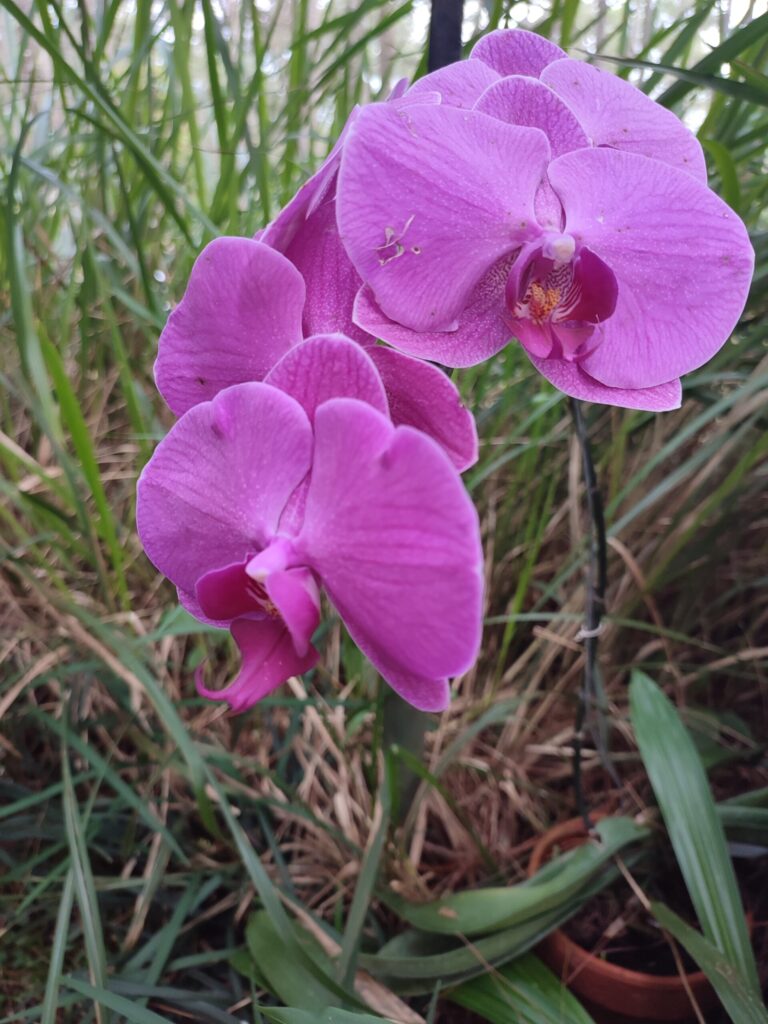
Orchids, azaleas, gardenias, ferns, and bromeliads are especially sensitive to lime. For these plants, use only rainwater, filtered water, or distilled water mixed 1:1 with tap water. Even water that has been left standing is better than fresh tap water.
Aquarium Water: A Hidden Gem
Aquarium water makes excellent plant fertilizer. It contains fish waste rich in nitrogen, phosphorus, and potassium – the three main nutrients every plant needs. Next time you do a water change in your aquarium, simply use the old water on your plants. They’ll reward you with a growth boost.
Recommendations by Plant Type
- Hardy houseplants (pothos, spider plant): tap water that has stood for a day
- Succulents and cacti: tap water that has stood for a day, or rainwater
- Tropical foliage plants: rainwater or filtered water preferred
- Orchids: rainwater or distilled water (1:1 with tap water)
- Carnivorous plants: distilled water or rainwater
Water quality is an often underestimated factor in plant care. By using filtered or settled water, and rainwater whenever you can, you’ll water more sustainably and encourage healthier growth. Your plants will notice the difference.
This article may contain affiliate links. If you purchase a product through one of these links, Plantgecko may earn a commission at no extra cost to you. This never influences our editorial independence or which products we recommend.