Christmas Cactus Care – Blooming Season and Propagation
Christmas Cactus – Care, Blooming Season, and Propagation
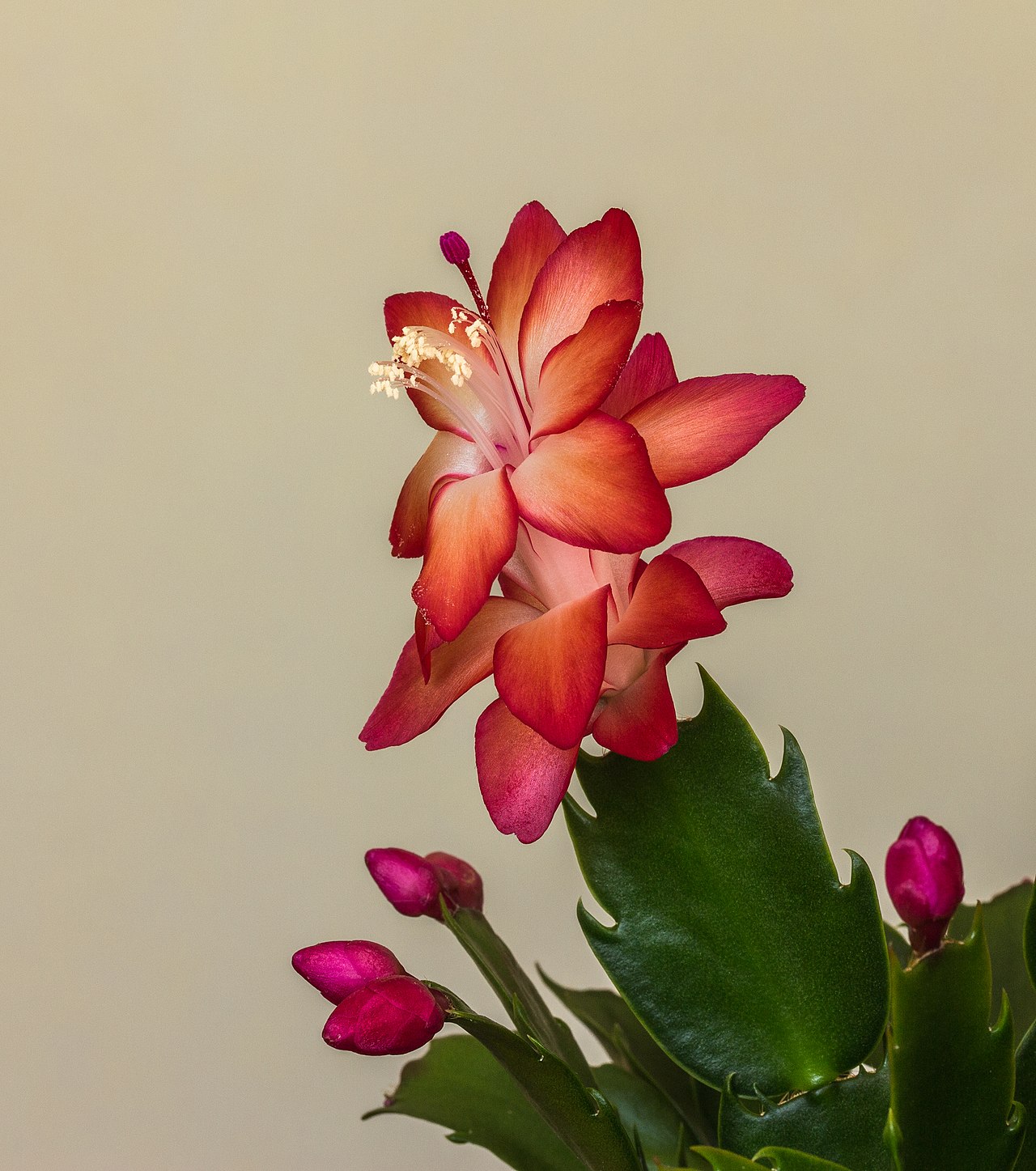
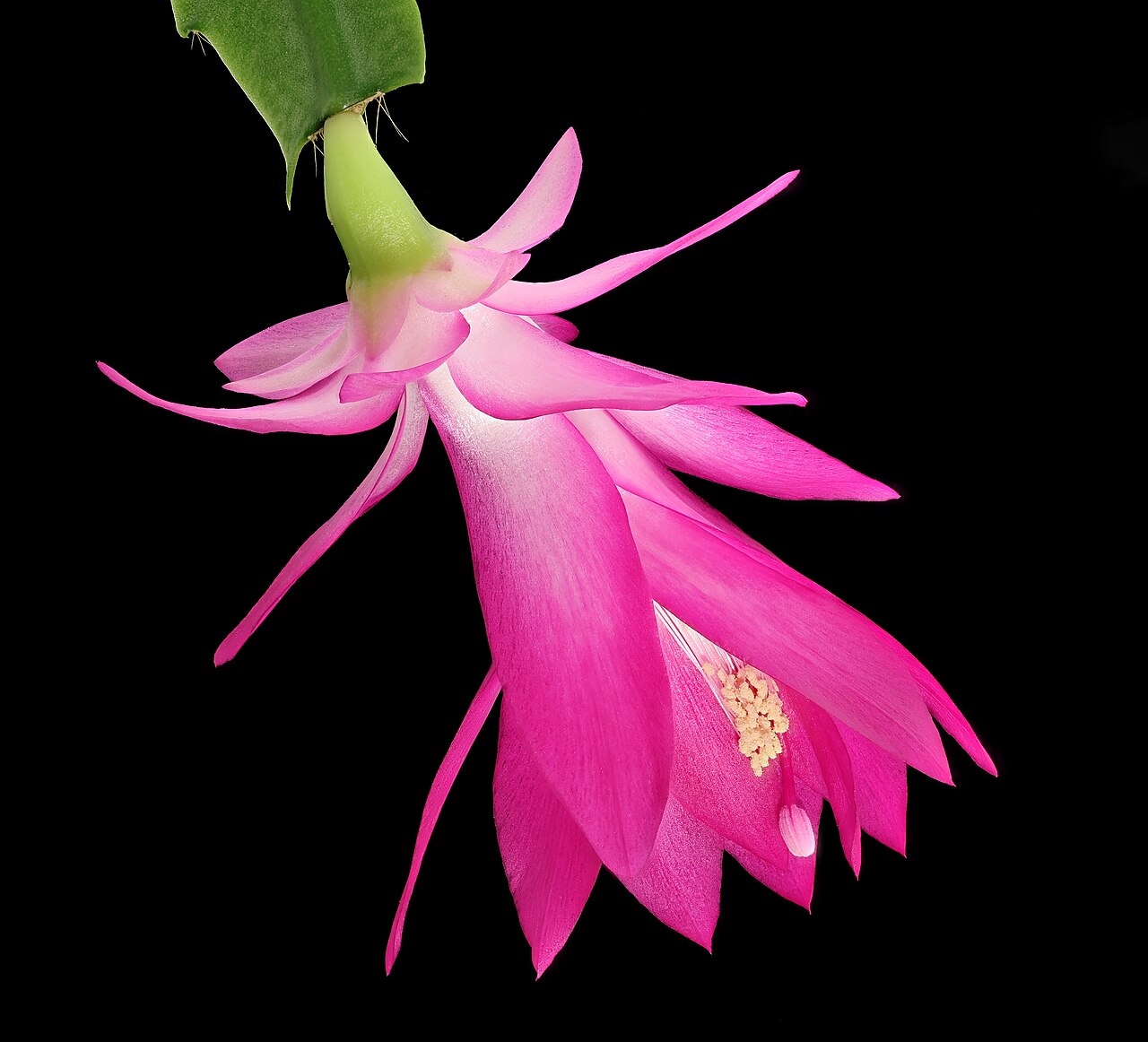
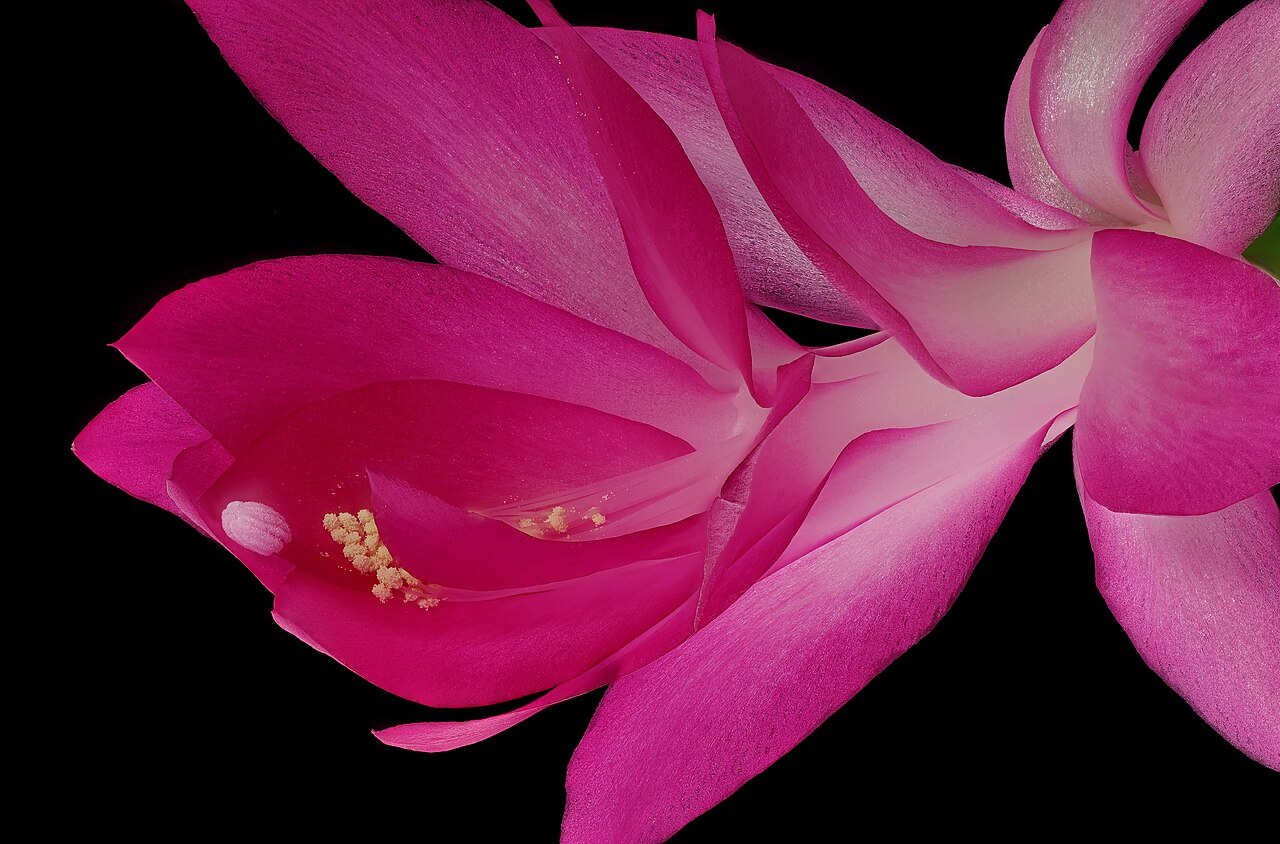
The Christmas cactus, botanically known as Schlumbergera, is one of the most popular flowering houseplants for the winter months. Despite its name, it isn’t a desert cactus at all, but an epiphytic plant native to the humid mountain forests of Brazil. Its hanging, segmented stems and vividly colored flowers in red, pink, white, or orange make it a real eye-catcher. What many people don’t know: with good care, a Christmas cactus can live for more than 30 years and is often passed down from generation to generation.
The Difference Between Christmas Cactus and Easter Cactus
The Christmas cactus (Schlumbergera truncata) and the Easter cactus (Hatiora gaertneri) are frequently confused. The difference lies in the shape of the leaf segments: the Christmas cactus has jagged, toothed edges, while the Easter cactus has smooth, rounded leaf margins. The blooming season also differs — the Christmas cactus flowers between November and January, while the Easter cactus blooms, fittingly, around Easter time.
The Ideal Location
The Christmas cactus thrives best in a bright to partially shaded spot without direct sun. An east- or west-facing window is perfect. The ideal temperature is 18–22°C. During the blooming period, the plant should not be turned or moved, as this can cause it to drop its buds. A change of location while buds are forming is the most common reason for bud drop.
In summer, the Christmas cactus is also happy to spend time on the balcony or terrace — in a sheltered, partially shaded spot. The fresh air and the natural temperature swing between day and night encourage bud formation in autumn. Be sure to bring the plant back indoors in good time before the first cold nights (temperatures below 10°C).
Watering: The Most Common Mistake
The Christmas cactus is often watered incorrectly. Although it is a cactus, it needs more water than desert cacti, though less than most other houseplants. The root ball should be allowed to dry out slightly between waterings. Water with room-temperature, low-lime water and be sure to avoid waterlogging — the fleshy roots rot quickly.
The amount of water needed depends on the season: during the growth phase (spring and summer), water roughly once a week. After flowering (January/February), a six-week rest period follows, during which you should reduce watering significantly — just enough that the leaves don’t shrivel. This dry period is essential for bud formation the following year.
The Trick to Getting It to Flower
The Christmas cactus is a short-day plant — it only forms flower buds when day length drops below 12 hours and night temperatures turn cooler. From September onward, give it at least 14 hours of complete darkness per day. Place the plant in a room that isn’t artificially lit in the evening, or cover it with a cardboard box.
At the same time, night temperatures should drop to 12–15°C. This cold stimulus combined with the dark phase triggers bud formation after roughly six to eight weeks. Once the first buds are visible, you can move the plant back to a warmer spot — and expect it to be in full bloom from November or December onward.
Fertilizing and Substrate
During the growth phase from April to August, feed the Christmas cactus with a liquid fertilizer roughly every three to four weeks. Use the fertilizer at half strength to avoid damaging the sensitive roots. From September onward, stop fertilizing entirely — the coming rest period does not require any additional nutrients.
A loose, humus-rich soil with good drainage makes an ideal substrate. A mix of potting soil, sand, and a little orchid substrate in a ratio of 2:1:1 works well. The Christmas cactus prefers a slightly acidic pH (5.5–6.5). Repotting is only needed every three to four years, as the plant likes to be somewhat snug in its pot.
Propagation by Cuttings
Propagating the Christmas cactus is remarkably easy and a lovely way to share the plant with friends. After flowering, cut off segments consisting of two to three leaf sections. Let the cut end air-dry for two to three days — this helps prevent rot. Then insert the cuttings about 2 cm deep into moist propagation soil. At temperatures around 20°C and with consistent moisture, new roots will form within three to four weeks.
Common Care Mistakes
| Problem | Cause | Solution |
|---|---|---|
| Buds drop off | Change of location or drafts | Do not move the plant during blooming season |
| Limp, wilting segments | Lack of water or root rot | Check roots; repot if necessary |
| Reddish leaf segments | Too much sun or cold stress | Adjust the location |
| No flowers form | No rest period or too little darkness | 14 hours of darkness plus cool temperatures from September onward |
| White, cottony deposits | Mealybugs | Wipe off with soapy water; isolate the plant |
Conclusion: A Winter Bloomer with Character
The Christmas cactus is a wonderful plant for anyone who doesn’t want to go without flowering houseplants during the darker months of the year. With a little know-how, its care is easy to master: bright spots without direct sun, moderate watering, and above all the right rest period from late summer onward are the keys to success. With proper care, your Christmas cactus will be in full bloom right on schedule for the holiday season, year after year.