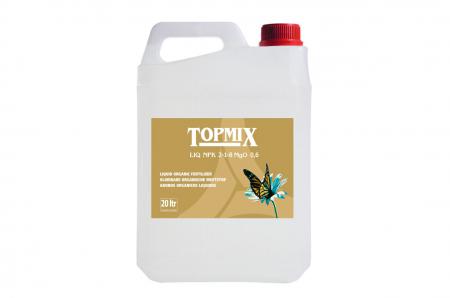
Special Fertilizers for Orchids, Cacti, and Succulents: What You Need to Know
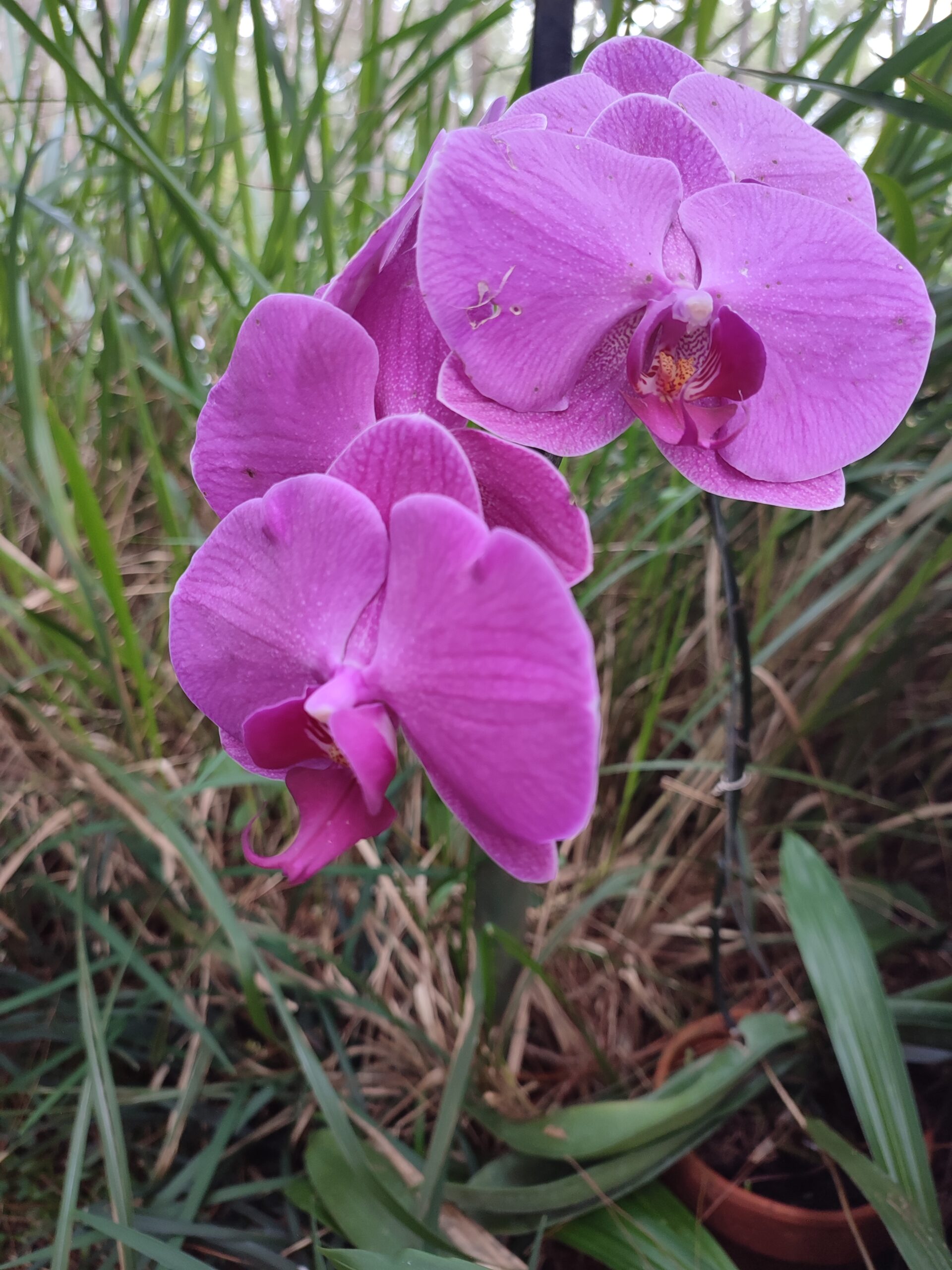

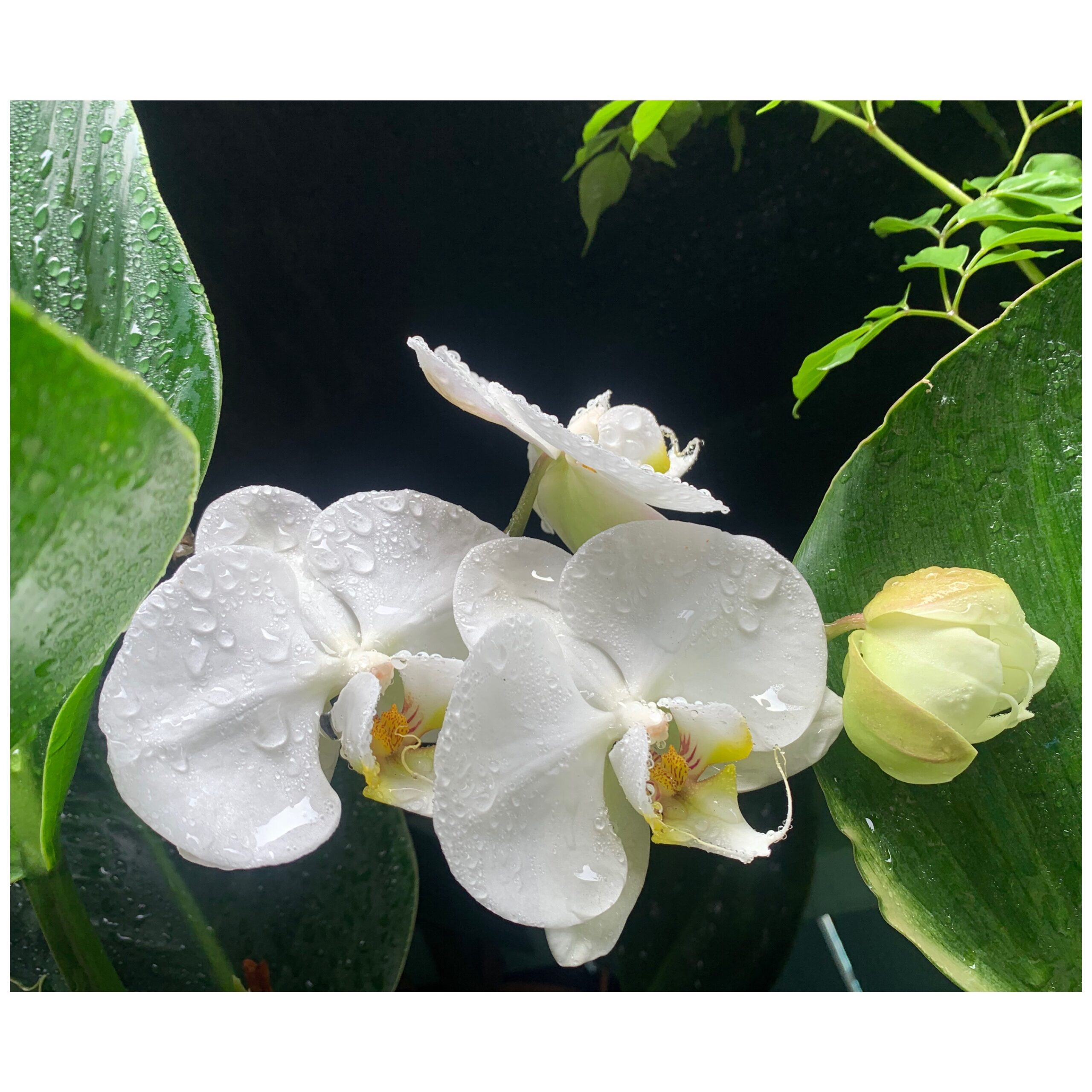
Orchids, cacti, and succulents evolved in conditions very different from the average leafy houseplant — epiphytic roots clinging to bark, or fleshy tissue built to store water through drought. Feeding them like a philodendron is one of the fastest ways to cause rot, weak growth, or scorched roots. Here’s what each group actually needs.
Orchids: Weak, Frequent, and Low in Urea
Most orchids, especially the common Phalaenopsis, are epiphytes with roots adapted to absorb nutrients from rainwater running over bark and decaying leaf litter — a very dilute, constant trickle rather than a concentrated dose. Look for a fertilizer labeled specifically for orchids with a balanced ratio like 20-20-20 or a slightly higher nitrogen “grow” formula, and dilute it to around a quarter of the strength recommended for garden plants. The “weekly, weak” rule is the standard: feed at quarter-strength every time you water during active growth, rather than full-strength once a month.
Choose a urea-free formula if possible. Urea needs to be broken down by soil microbes before the plant can use it, and orchid bark mediums don’t host the same microbial activity as soil, so urea can simply build up unused. Formulas using nitrate and ammoniacal nitrogen are more readily available to the plant. Flush the medium with plain water once a month to prevent salt buildup on the roots, and stop or reduce feeding during the winter rest period when growth slows.
Cacti: Low Nitrogen, Higher Phosphorus and Potassium
Cacti are adapted to nutrient-poor, fast-draining desert soils. Too much nitrogen encourages soft, lush growth that is structurally weak and more prone to rot and pest problems — the opposite of what these plants are built for. A cactus-specific fertilizer with a lower first number, such as 2-7-7 or similar, better supports sturdy growth, root development, and flowering. Feed only during the active growing season (roughly spring through summer) at half the label strength, and stop entirely in fall and winter when most cacti enter dormancy — feeding a dormant cactus can push out weak growth at the wrong time of year and disrupt the plant’s natural cycle.
Succulents: Similar Rules, Slightly More Flexible
Most succulents follow the same low-nitrogen logic as cacti, though many tolerate slightly more frequent feeding since they’re not all desert natives — some, like many Crassula and Echeveria species, come from summer-rainfall regions with brief wet seasons. A balanced or slightly phosphorus-heavy liquid fertilizer diluted to half strength, applied once a month during spring and summer, is enough for most potted succulents. As with cacti, hold off on fertilizer entirely during winter dormancy.
Why Dormancy Matters
Dormancy is the key difference between these plants and typical foliage houseplants that grow steadily year-round under indoor conditions. Cacti and many succulents slow their metabolism dramatically in response to shorter days and cooler temperatures, even indoors. Feeding during this rest period doesn’t get used efficiently — instead, unused salts accumulate in the growing medium and can burn roots once the plant does try to take up water again in spring.
- Orchids: quarter-strength, balanced or urea-free formula, feed weekly during growth, flush monthly.
- Cacti: low-nitrogen (high middle/last numbers) formula, half-strength, spring–summer only.
- Succulents: balanced or low-nitrogen formula, half-strength, monthly during active growth, none in winter.
- Always water first — never apply fertilizer to bone-dry roots or medium.
Matching fertilizer strength and timing to how these plants actually grow in nature — sparse, seasonal, and dilute — will do far more for flowering and long-term health than any all-purpose feed applied on a generic schedule.
This article may contain affiliate links. If you purchase a product through one of these links, Plantgecko may earn a commission at no extra cost to you. This never influences our editorial independence or which products we recommend.