Seramis, Pon, and Hydroculture: Comparing Modern Growing Media
Beyond classic potting soil, a growing range of mineral and semi-hydroponic growing media are changing the way people grow houseplants. Seramis, Pon, Lechuza, expanded clay, the choices can be confusing. Here’s how the major modern substrates compare, and which plants they suit best.
What Are Mineral Substrates?
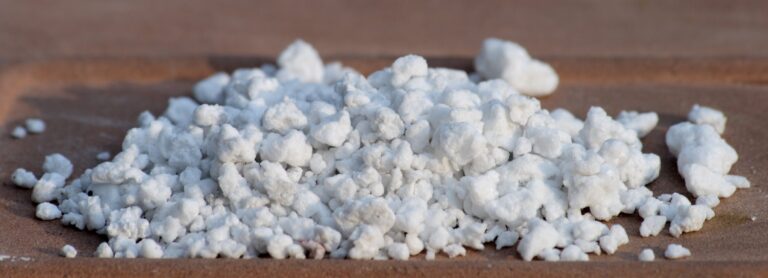
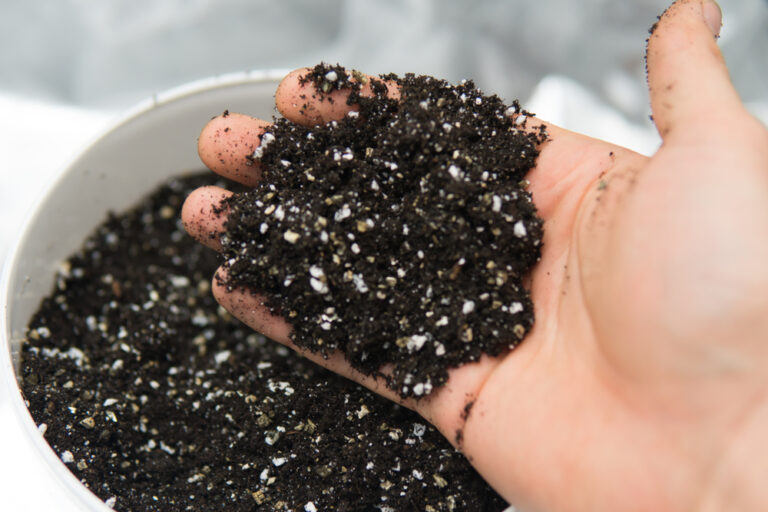
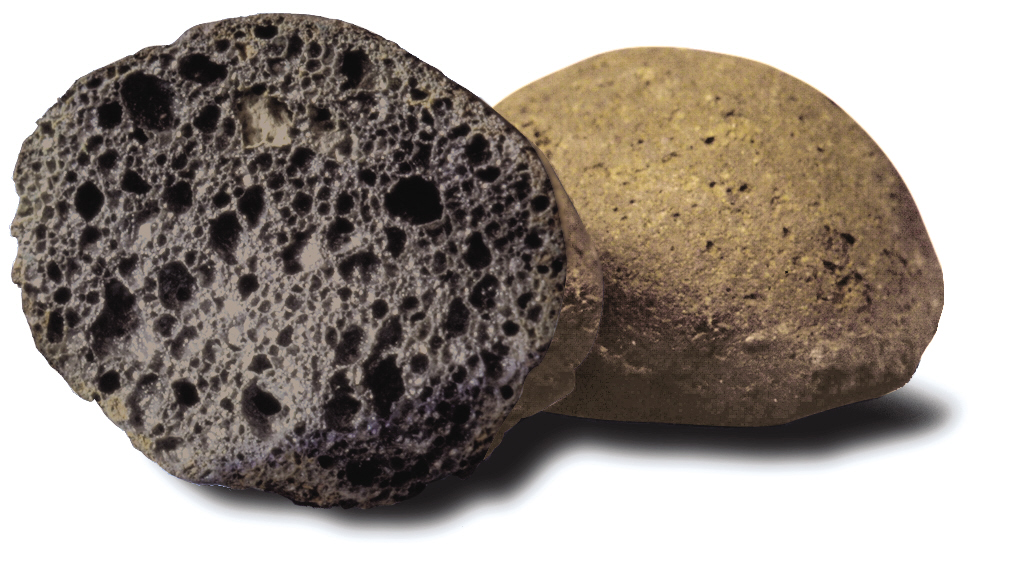
Mineral substrates are made from inorganic materials like clay, pumice, lava rock, or zeolite. Unlike organic soil, they contain little to no nutrients on their own and don’t break down over time. That brings several advantages: they hold their structure, resist mold, and stay free of fungus gnats and other pests that thrive in organic soil.
The biggest advantage of mineral substrates is the balance they strike between water and air. The porous granules store water inside themselves while the gaps between them stay filled with air, giving roots constant access to both moisture and oxygen, the secret to healthy growth.
Seramis: The Classic Clay Granulate
Seramis is a fired clay granulate with a distinctive reddish-brown color. The porous granules soak up water and release it slowly to the roots, while the gaps between them keep the root zone well aerated.
Seramis works well for nearly all houseplants, including spider plants, dracaenas, and philodendrons, as well as orchids and succulents. Switching from soil to Seramis takes a bit of patience: all traces of organic soil need to be washed off the roots first, and a few weeks of adjustment is normal.
Seramis’s water-level indicator is a handy tool, changing color to show when it’s time to water. Water only until the indicator switches to “moist,” not more often. That helps prevent the most common mistake with mineral substrates: overwatering.
Pon: The Mineral All-Rounder
Pon is a branded product from Lechuza made from pumice, zeolite, lava rock, and a slow-release fertilizer. It’s designed for self-watering pots but also works fine in regular pots with a drainage hole.
Pon’s key advantage over Seramis is that it already contains a built-in slow-release fertilizer that lasts around six months. Seramis users, by contrast, need to start feeding with liquid fertilizer right away.
Pon’s granules are finer than Seramis, which benefits small and medium-sized plants in particular. For larger plants with thick roots, Seramis may be the better choice, since its coarser texture offers more stability.
Expanded Clay for Hydroculture
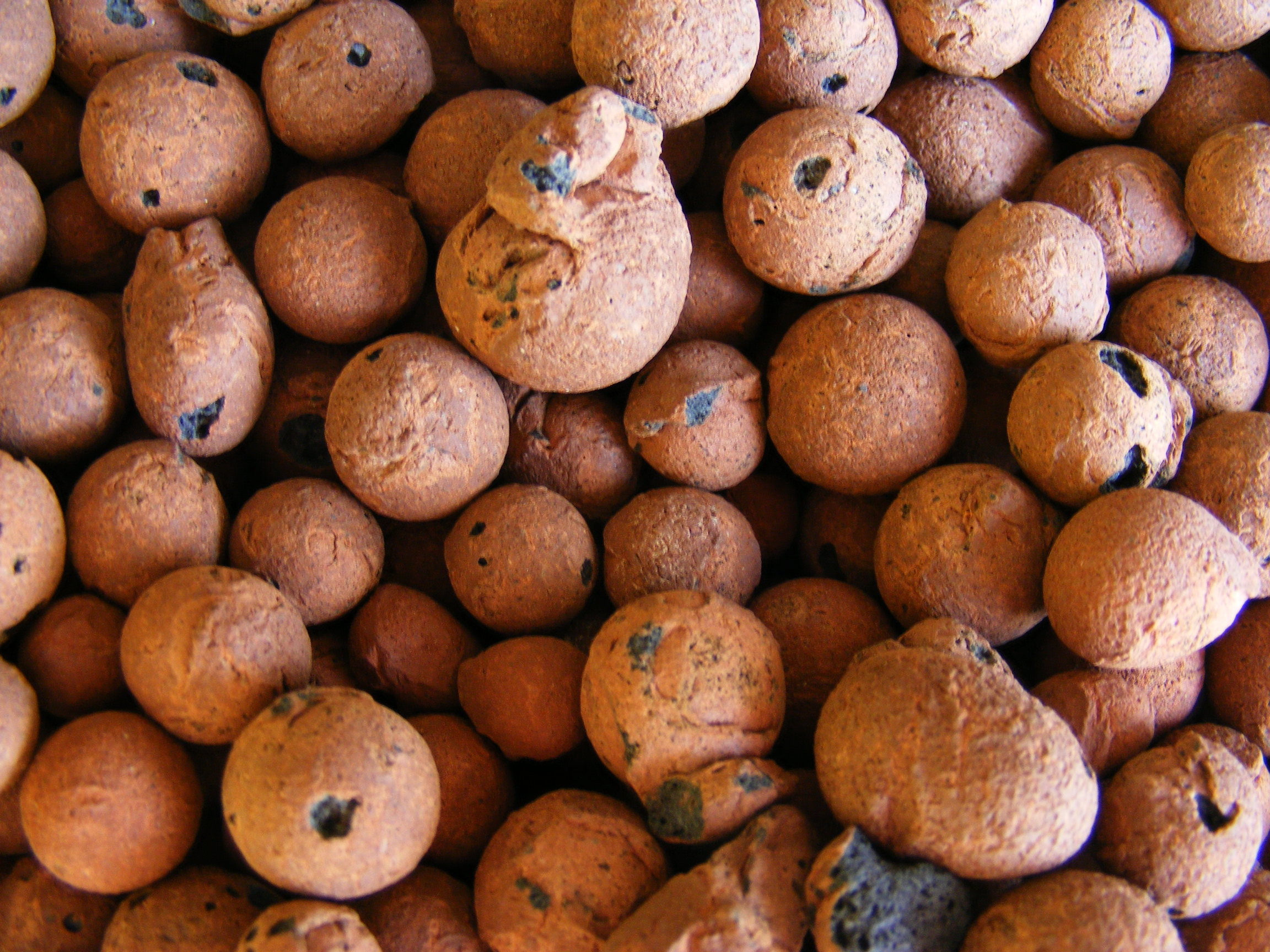
Expanded clay pebbles are the classic choice for hydroculture. These round, porous clay balls store water and hold the plant in place. Unlike Seramis or Pon, classic hydroculture keeps the bottom portion of the pot permanently filled with water, with a dedicated water-level indicator showing the level.
The advantage of hydroculture is that it’s extremely low-maintenance. Once set up, you only need to top off the water every two to three weeks and fertilize occasionally. The plant draws up exactly as much water as it needs.
Not every plant handles the switch to hydroculture well. The best candidates are plants with thicker, fleshier roots, like dracaena, pothos, monstera, philodendron, and clusia. Fine, hairy roots, like those of ferns or calatheas, can struggle in expanded clay.
Switching from soil to hydroculture takes some effort: roots need to be completely cleaned of soil and thoroughly rinsed. In the first few weeks, the plant develops so-called water roots adapted to the new conditions, so patience is key.
Lechuza: The Complete System
Lechuza offers not just the Pon substrate but complete planters with a built-in watering system. The pot has a water reservoir in its base, and water rises into the substrate above by capillary action.
The system is well designed and works reliably. A water-level indicator lets you know when to refill. One practical feature is the removable planting insert, which makes repotting or changing substrate easier.
Lechuza pots are an investment, costing noticeably more than basic plastic pots. But for frequent travelers, forgetful waterers, and anyone who wants to give their plants the best conditions with minimal effort, they can be worth it.
Popular Growing Media Compared
Not sure which specific product to buy? Here’s how the leading mineral substrates and hydroculture products stack up.
| Product | Type | Contains Fertilizer | Best For |
|---|---|---|---|
| Seramis Special Plant Substrate | Fired clay granulate | No — feed right away | General houseplants, orchids |
| Lechuza PON Mineral Substrate | Pumice, zeolite, lava rock blend | Yes, about 6 months | Self-watering planters, tropicals |
| Mother Earth LECA Clay Pebbles | Expanded clay pebbles | No | Hydroculture, aroids with thick roots |
| Lechuza Classico Self-Watering Planter | Complete planter system | N/A | Low-maintenance Pon setups |
Which Substrate for Which Plant?
Succulents and cacti love purely mineral substrates. A mix of pumice, lava rock, and a bit of zeolite works well. Seramis or a homemade mineral mix also perform excellently. The key is that the substrate should dry out again within a day or two after watering.
Tropical foliage plants like monstera, philodendron, and alocasia do well in either pure Pon or a blend of mineral substrate and organic matter. A 50-50 mix of Pon and orchid bark is a proven compromise.
Ferns and other moisture-lovers do best in Pon or a mineral-organic blend. Pure Seramis tends to dry out too quickly for most ferns.
Orchids are traditionally grown in pure pine bark. Seramis or Pon can be mixed in but shouldn’t make up more than about 30 percent of the substrate.
Pros and Cons at a Glance
Advantages of mineral substrates: no fungus gnats, no mold, very stable structure, can be reused for years, ideal water-air balance, consistent moisture supply.
Disadvantages: higher upfront cost, no natural nutrients so you must fertilize consistently, switching over from soil takes effort, not every plant tolerates the change, and it requires either a water-level indicator or watering discipline.
Conclusion
Modern substrates are more than a trend, they solve real problems with traditional soil growing. If you’re tired of fungus gnats, your plants are suffering from inconsistent watering, or you simply want the best possible conditions for your green housemates, Seramis, Pon, and similar options are worth trying.