Seed Starting Soil Guide: The Perfect Mix for Sowing and Seedlings
Introduction
Why Seed Starting Soil Is Different
Seedlings have very different needs from mature plants growing in garden beds or containers. Ordinary potting soil or garden soil is often too heavy, too rich, or too likely to harbor fungi and weed seeds for germinating seeds. A good seed starting mix is light, sterile, and fine-textured, allowing delicate roots to push through easily while providing just enough moisture and air without the risk of rot.
Who This Is For
What Makes Up a Good Seed Starting Mix
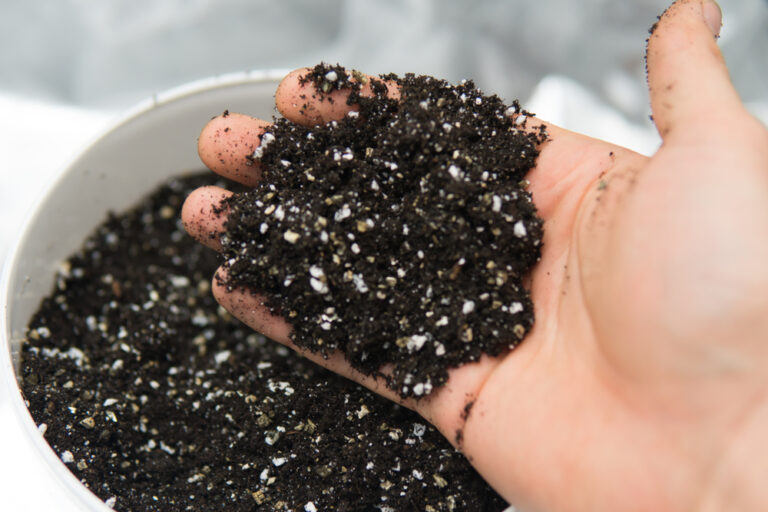
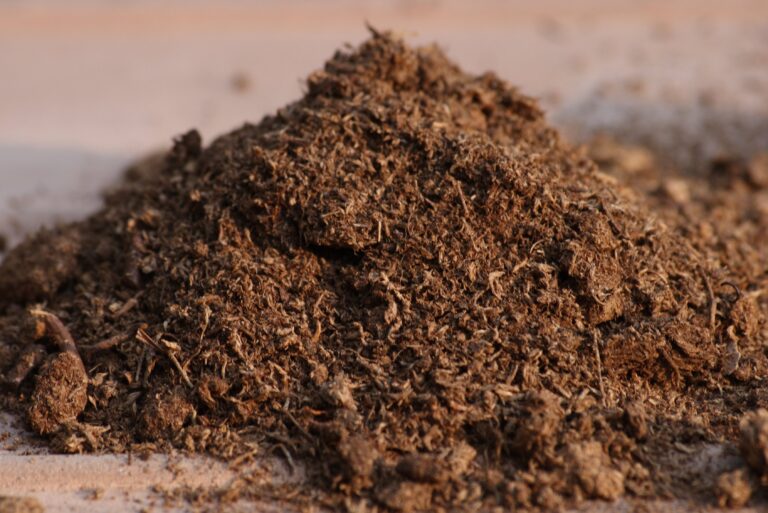
Peat moss or coco coir: Provides a light, moisture-retentive base with a fine texture that doesn’t crust over.
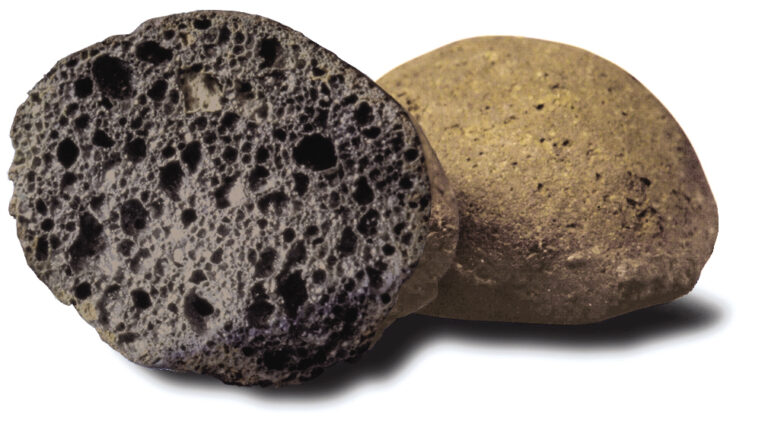
Perlite or vermiculite: Improves drainage and aeration, preventing waterlogging that leads to damping-off disease.
Little to no fertilizer: Seeds contain their own food reserves for germination, and rich mixes can actually burn tender new roots. Many mixes also skip garden soil and compost entirely to reduce the risk of introducing fungal spores or weed seeds.
Buying Criteria
Commercial “seed starting mix” products are typically a blend of these ingredients, but you can also make a serviceable version at home using roughly equal parts peat or coir and perlite, sifted to remove large chunks.
Product/Option Categories
Using the Mix Correctly
Moisten the mix thoroughly before filling trays or small pots, since dry peat-based mixes can be hard to re-wet evenly once seeds are sown. Fill containers loosely and level the surface without compacting it firmly, as overly dense soil impedes root growth. Sow seeds at the depth recommended on the seed packet, generally about twice the seed’s diameter, and keep the surface consistently moist, misting rather than pouring water directly onto the soil to avoid dislodging seeds.
Trade-offs
Caring for Seedlings After Germination
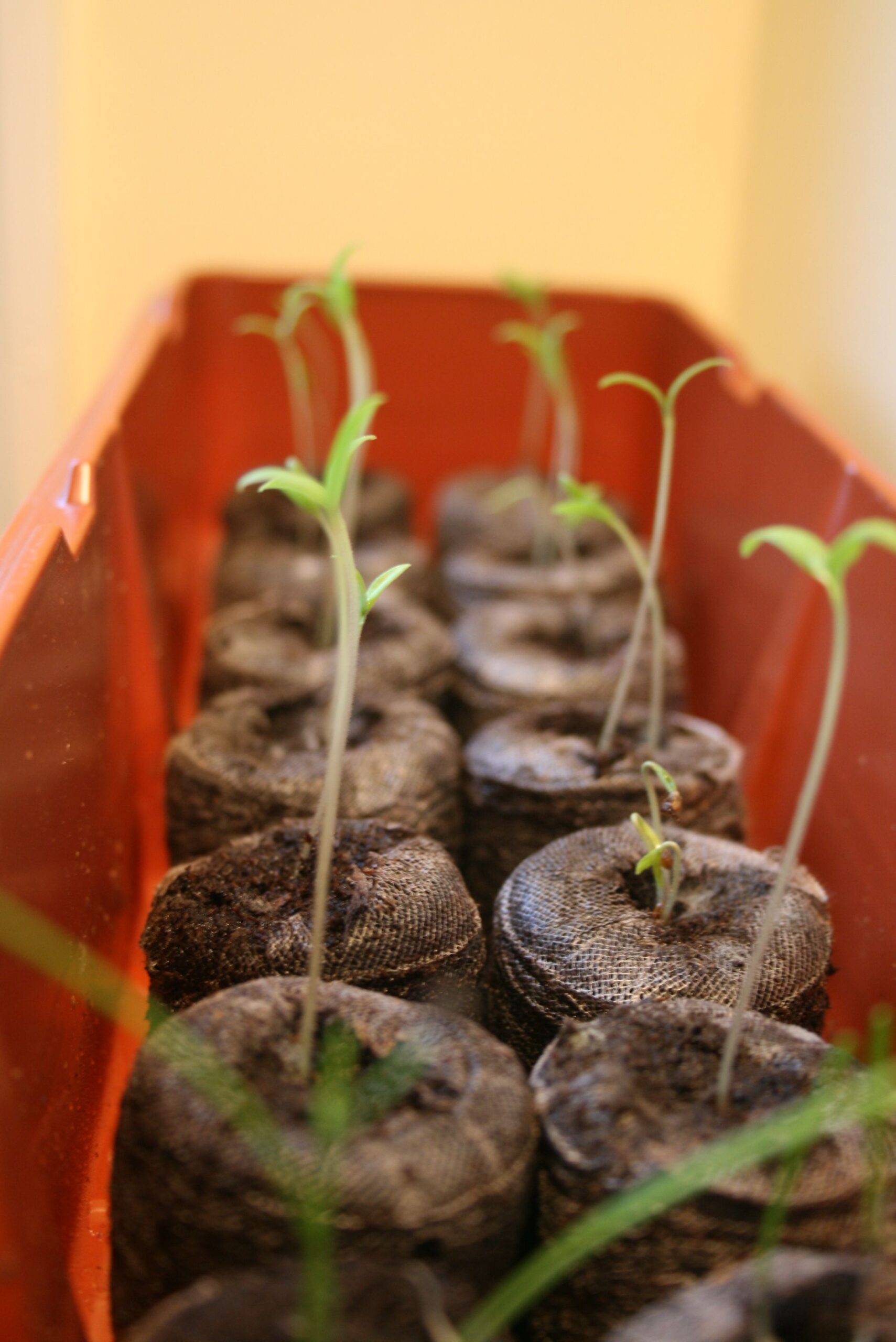
Once true leaves appear, seedlings benefit from bright light (a sunny window or grow light) and gentle air circulation to prevent fungal issues. Because seed starting mix has little nutritional value, begin feeding with a diluted, balanced liquid fertilizer at quarter strength once the first true leaves develop. As roots fill the container, transplant seedlings into a richer potting mix suited to their eventual home, whether that’s a larger pot or the garden.
Disclosure
This article may contain affiliate links. If you purchase a product through one of these links, Plantgecko may earn a commission at no extra cost to you. This never influences our editorial independence or which products we recommend.
| Product | Best For | Price | |
|---|---|---|---|
| seed starting mix | Top Pick | Check price | View |
| Perlite or vermiculite | Budget Alternative | Check price | View |
Recommendation Framework
Common Mistakes to Avoid
Using heavy garden soil, which compacts and suffocates young roots.
Overwatering, the leading cause of damping-off, a fungal disease that collapses seedling stems at the soil line.
Conclusion
Sowing too deep or too densely, which weakens seedlings competing for light and space.
Starting with the right soil mix gives seedlings the best possible foundation, leading to stronger, more disease-resistant plants once they’re transplanted.