Best Potting Soil 2026: Top Picks and Buying Guide
The Best Potting Soil 2026: Top Picks and Buying Guide
Potting soil is the foundation of every successful plant. But standing in front of the shelf at the garden center or scrolling through options online, it’s easy to feel overwhelmed: all-purpose mix, peat-free, peat-reduced, with fertilizer, without fertilizer, specialty substrates for every kind of plant. This in-depth guide explains what really matters in good potting soil, which products stand out in 2026, and how to find the right mix for your plants.
What makes a good potting soil?
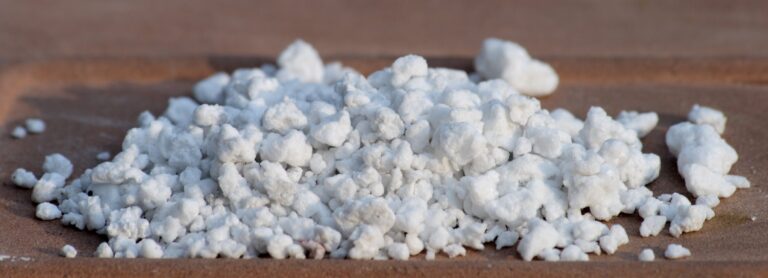
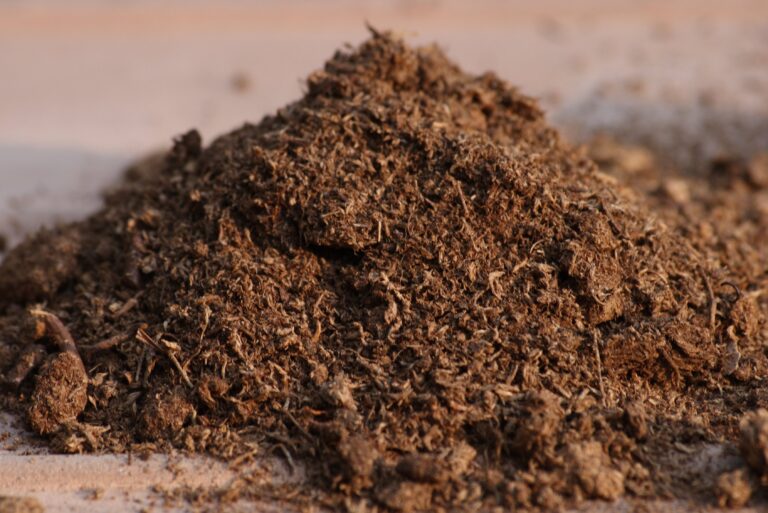
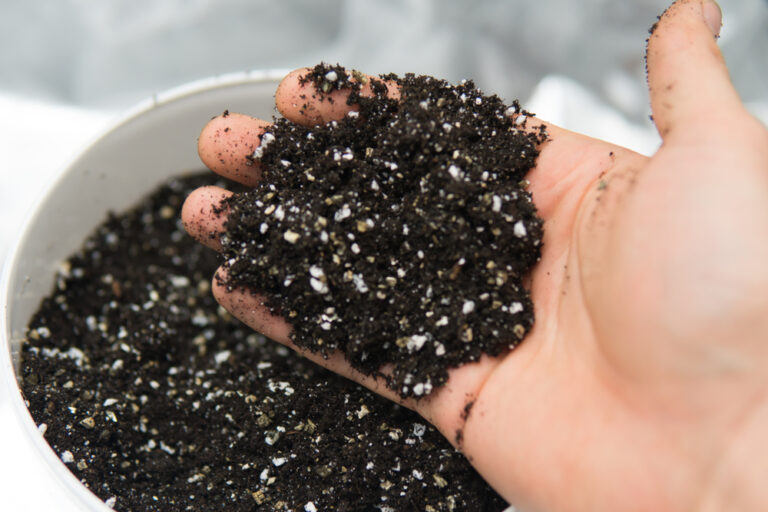
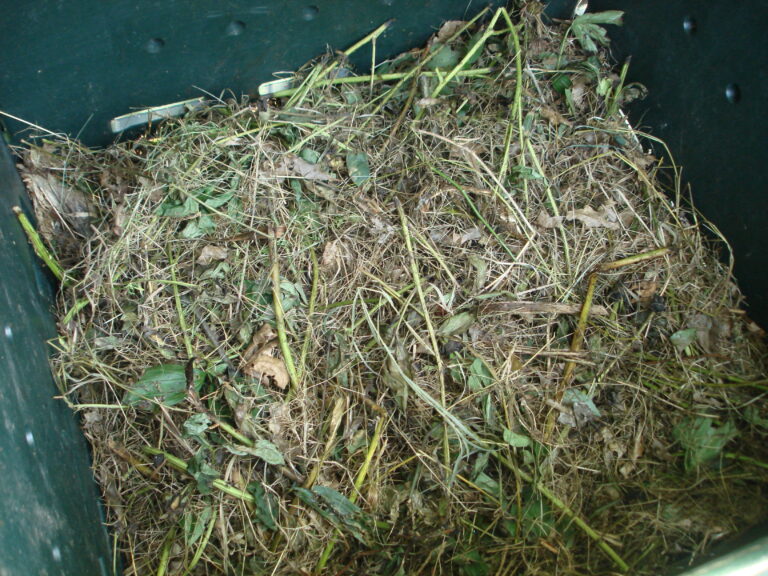
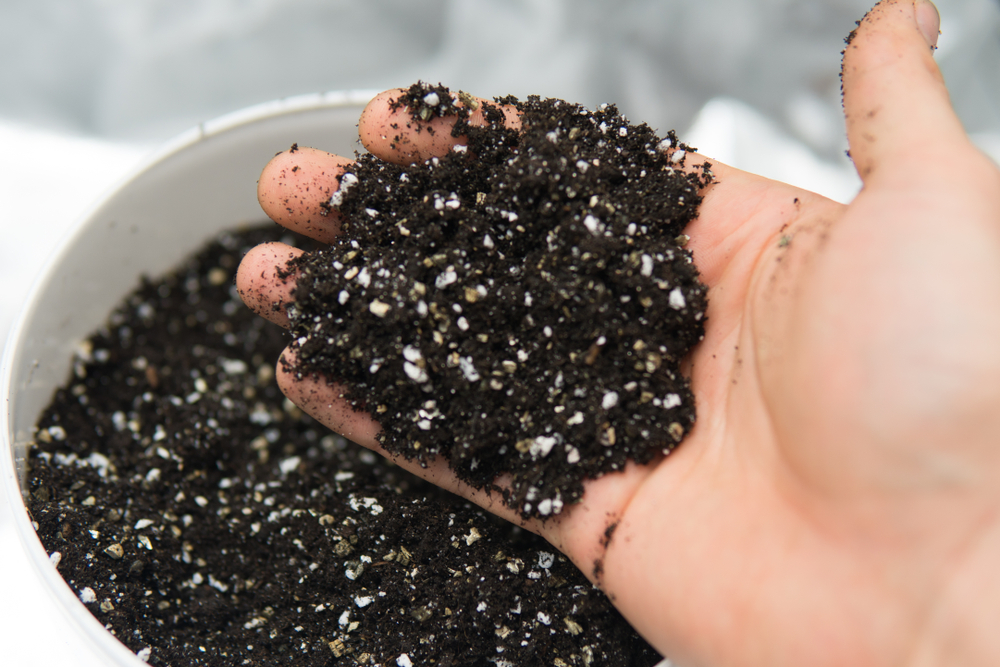
High-quality potting soil needs to meet several requirements. It should be light and airy so roots can breathe. It needs to retain water while still draining away any excess reliably. It should contain nutrients, or at least provide a good base for fertilizing. And it needs to be structurally stable, meaning it shouldn’t collapse and compact after just a few weeks. The key components are peat or peat alternatives (coconut coir, wood fiber, compost) as the base material, perlite or vermiculite for aeration, clay granules for nutrient retention, and a starter fertilizer to support the first few weeks of growth.
Peat-free vs. peat-based: the big debate
For decades, peat was the gold standard in potting soil production. It retains water excellently, is low in nutrients (making it easy to control feeding), and is structurally stable. However, peat extraction is an ecological disaster: peat bogs are massive carbon stores, and draining them releases huge amounts of greenhouse gas. Peat-free mixes based on coconut coir, wood fiber, and green compost are the sustainable alternative. They’ve made enormous quality improvements in recent years and now rival peat-based products in every respect — in some cases, they’re even better, for example at re-wetting easily after drying out.
| Property | Peat-Based | Peat-Free |
|---|---|---|
| Water retention | Very good | Good (improved) |
| Structural stability | High | Medium (improved) |
| Re-wetting after drying | Poor | Good |
| Carbon footprint | Poor | Good |
| Price | Lower | Slightly higher |
All-purpose mix vs. specialty substrate
For most houseplants and balcony plants, a good all-purpose potting mix is entirely sufficient. Specialty substrates are worth it for plants with particular needs: cacti and succulents need a mineral-rich, free-draining mix. Orchids thrive in a coarse bark-and-coconut substrate. Seed-starting mix is especially fine and low in nutrients, ideal for seedlings. Mediterranean plants like olives and citrus prefer free-draining substrates with added sand or grit.
Top Potting Soil Picks for 2026
If you’d rather compare specific products than mix your own criteria, these are four widely available potting soils that consistently perform well across price points.
| Product | Price Tier | Key Differentiator | Best For |
|---|---|---|---|
| Miracle-Gro Potting Mix | Budget | Pre-fertilized to feed for up to 6 months, sold everywhere | General houseplants and beginners |
| FoxFarm Ocean Forest Potting Soil | Premium | Nutrient-dense blend with worm castings, bat guano, and crab meal | Heavy feeders like monstera and fiddle-leaf fig |
| Espoma Organic Potting Mix | Mid-range | OMRI-listed for organic growing, with Myco-tone root-building fungi | Organic growers and edible container plants |
| Black Gold All Purpose Potting Soil | Mid-range | Peat-based with reliable structure and long shelf stability | Mixed indoor/outdoor container gardens |
Conclusion
The best potting soil in 2026 is peat-free, well-structured, and contains a balanced starter fertilizer. Choose quality products from reputable manufacturers — the small extra cost quickly pays for itself in healthier plants and less maintenance. For most plants, a peat-free all-purpose mix is the best choice; specialty substrates are worth the investment for cacti, orchids, and seed-starting.