Choosing the Right Potting Soil: Substrates for Every Type of Plant
Choosing the right potting soil is crucial for healthy plant growth. But at the garden center, you’re faced with an overwhelming selection: potting soil, cactus soil, orchid substrate, seed-starting soil – which substrate is the right one? In this guide, you’ll learn what really matters when it comes to potting soil and planting substrates.
The Basics: What Makes Good Potting Soil
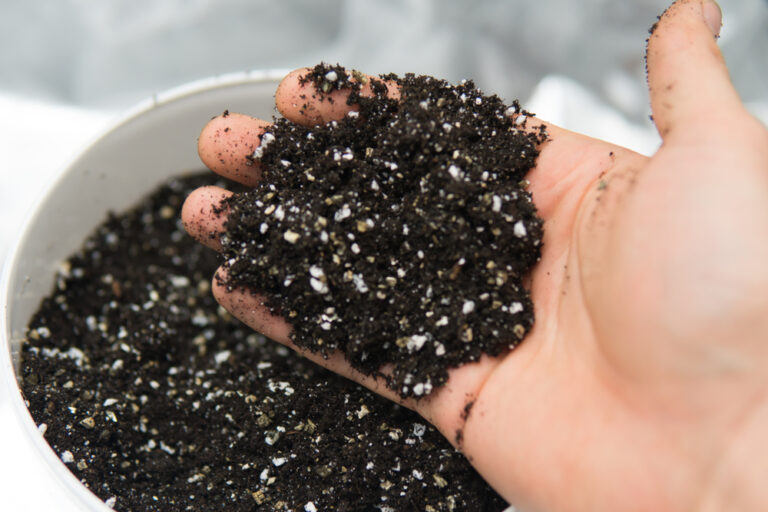
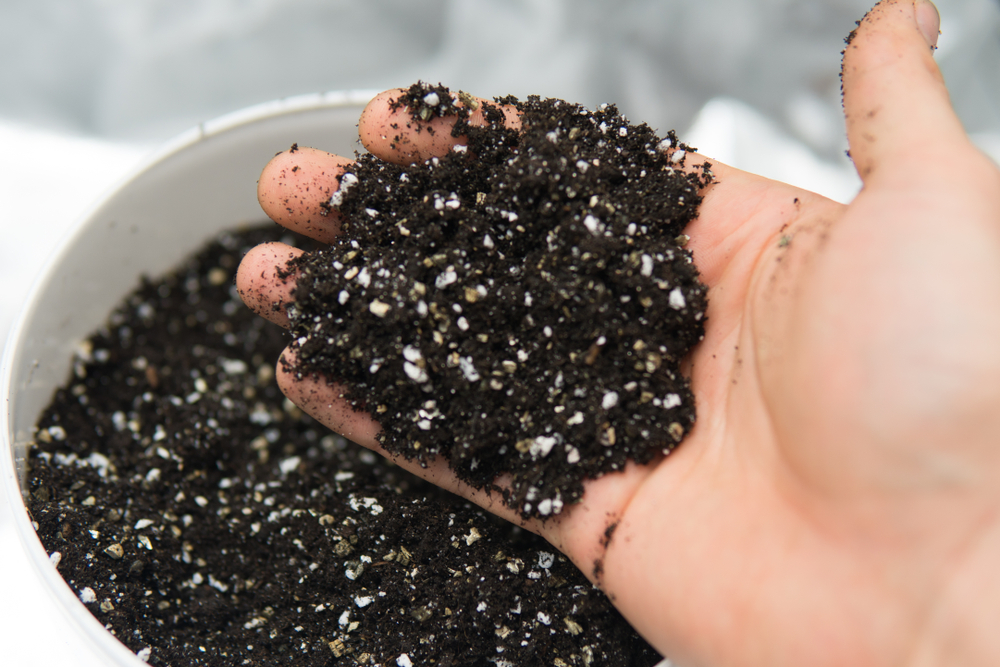
Good potting soil serves several functions: it anchors the roots, stores water and nutrients, and at the same time allows enough air to reach the roots. Ideal soil is:
- Structurally stable: It doesn’t compact too much in the pot.
- Water-retentive: It holds moisture without becoming waterlogged.
- Well-aerated: Roots need oxygen.
- Nutrient-rich: A base fertilizer supplies the plant for the first 6–8 weeks.
- pH-neutral to slightly acidic: pH value between 5.5 and 6.5.
The Most Important Substrate Types at a Glance
All-Purpose Potting Soil
The all-rounder for most houseplants and balcony plants. Usually made from peat or peat-free alternatives (coconut fiber, wood fiber), compost, and a mineral base fertilizer. Well suited for pothos, Swiss cheese plant (Monstera), spider plant, and most common houseplants.
Cactus Soil / Succulent Soil
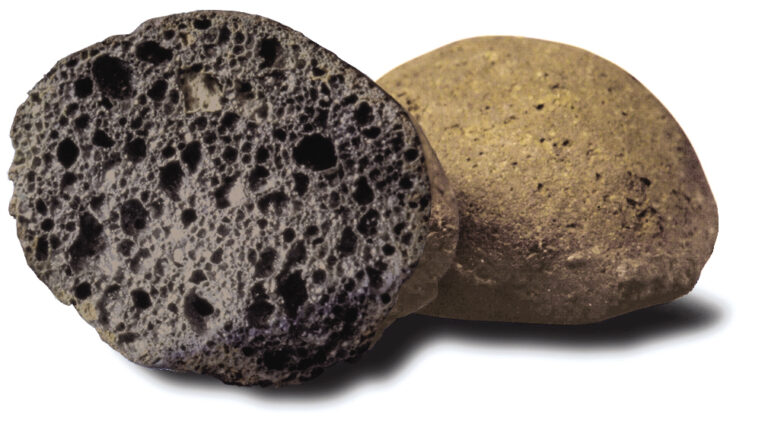
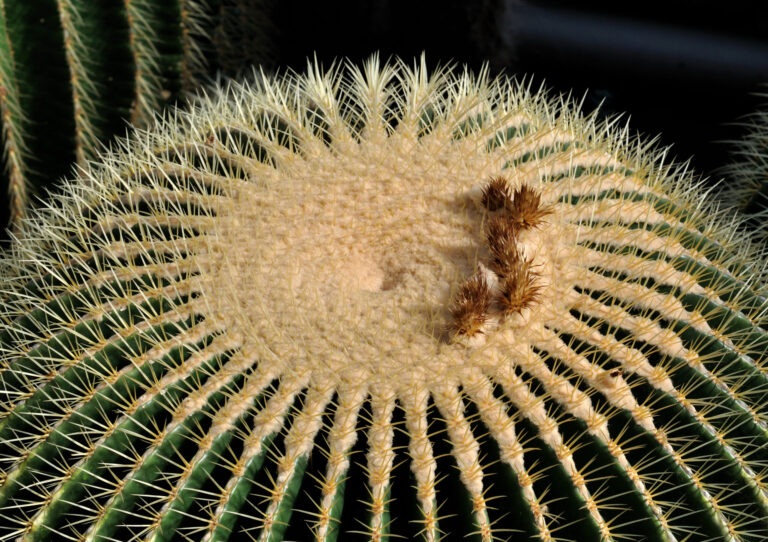
Specially made for cacti, succulents, and other drought-loving plants. Very free-draining, with a high proportion of sand or pumice. It retains little water and dries out quickly – exactly what these plants need to avoid root rot.
Orchid Substrate
Not classic soil at all, but usually coarse pieces of bark, coconut chips, and sometimes sphagnum moss. Orchids are epiphytes that grow on trees in the wild. They need an airy, coarse substrate with very good drainage.
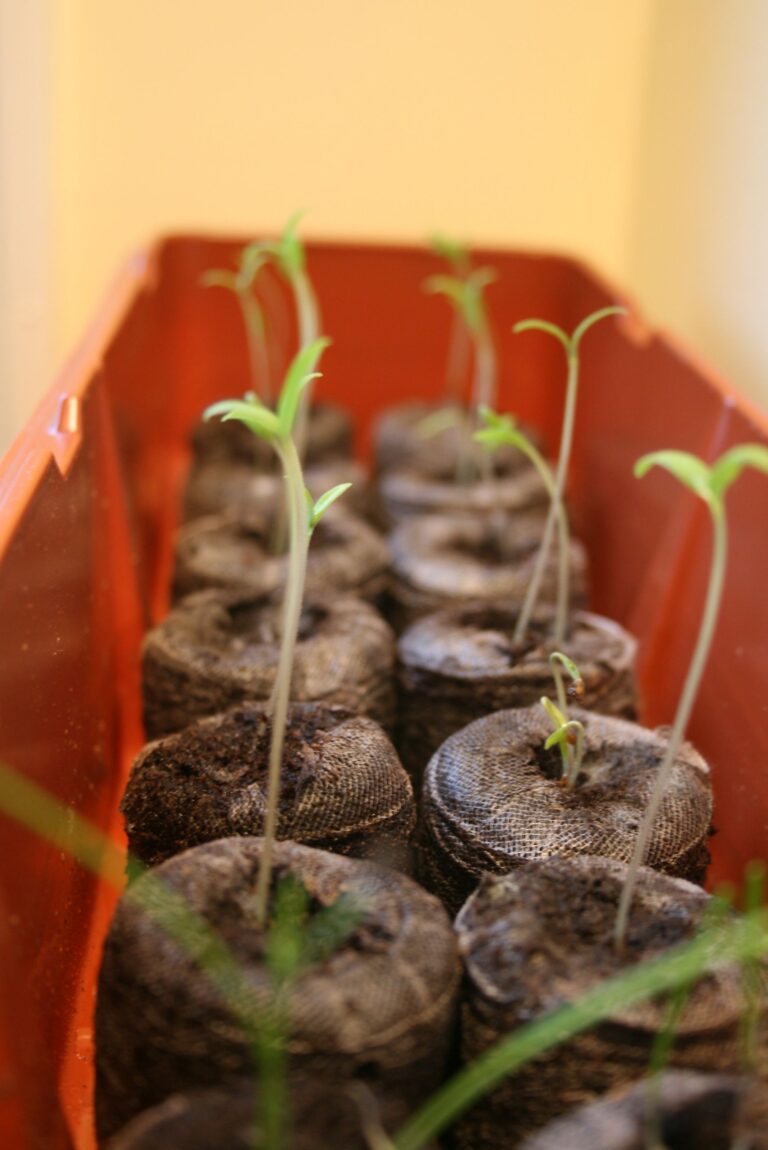
Seed-Starting Soil
Very fine-grained and low in nutrients. Seedlings need hardly any nutrients in the first few weeks – too much fertilizer would damage the delicate roots. Seed-starting soil is usually steam-sterilized and free of pathogens to prevent fungal infections.
Herb Soil / Vegetable Soil
Special blends for herbs and vegetable plants. Usually peat-free, rich in humus, and fertilized according to the needs of edible plants. Especially important: herb soil for Mediterranean herbs (rosemary, thyme) should be free-draining and rather low in nutrients.
Rhododendron Soil / Bog Soil
For lime-sensitive plants such as azaleas, rhododendrons, hydrangeas, and blueberries. Has a low pH value (4.0–5.0) and is rich in peat.
Peat or Peat-Free – Which Is Better?
Traditionally, potting soil contains a lot of peat, because it retains water excellently and has a loose structure. However, peat extraction is extremely damaging to the climate – bogs store huge amounts of CO2 and are destroyed by the extraction process.
Peat-free alternatives use coconut fiber, wood fiber, compost, bark humus, and green waste compost. They are more environmentally friendly, but dry out faster and need to be fertilized more often. For environmentally conscious gardeners, peat-free soils are the better choice.
Mixing Your Own: The Perfect Soil for Your Plants
You can also mix your own potting soil – this gives you maximum control and saves money. A basic recipe for most houseplants:
- 50% potting soil (peat-free)
- 20% perlite or pumice (for drainage)
- 15% compost (for nutrients)
- 10% coconut coir (for water retention)
- 5% sand (for extra drainage)
For cacti: 40% soil, 30% sand, 30% pumice/perlite.
For orchids: 70% pine bark, 20% coconut chips, 10% sphagnum moss.
With the right soil, you lay the foundation for healthy, vigorous plants. Invest in quality – your plants will thank you for it!