Getting Rid of Fungus Gnats: The Ultimate Guide for a Gnat-Free Home
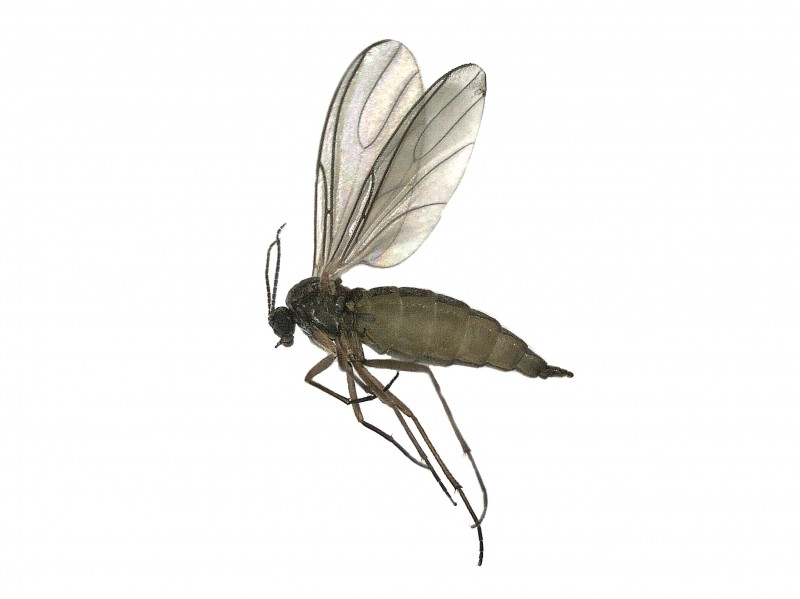
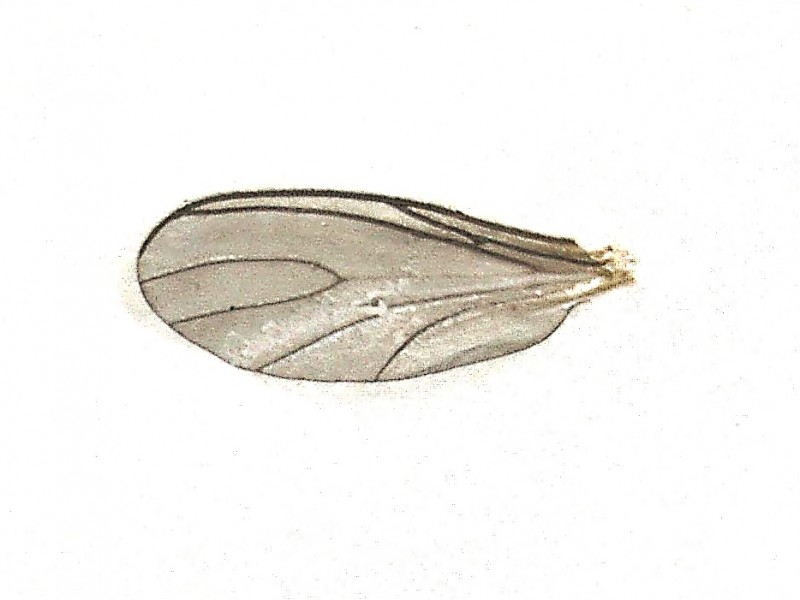
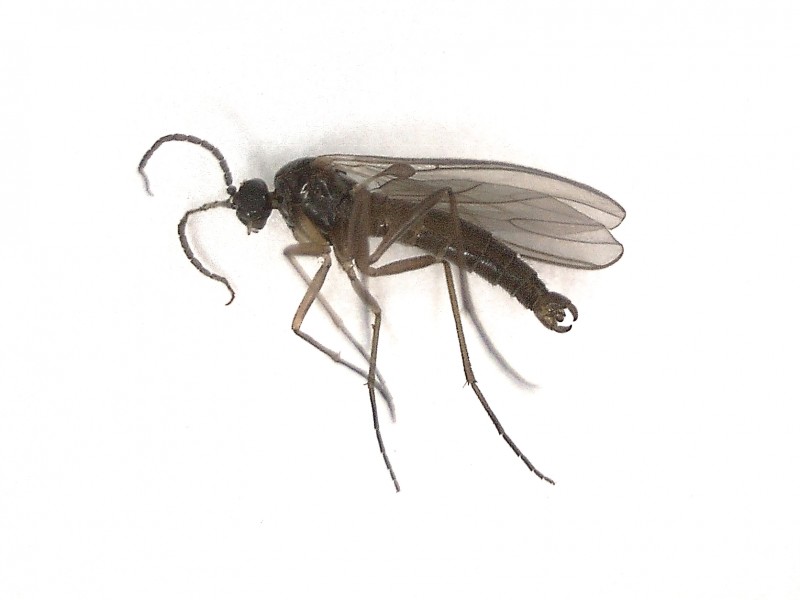
Those tiny dark flies hovering around your houseplants and buzzing up whenever you water are almost certainly fungus gnats. They’re mostly a nuisance rather than a serious plant killer, but a heavy infestation can damage roots, and they’re a clear sign that your watering habits are creating the exact conditions they need. Here’s how to understand them and get rid of them for good.
Understanding the Fungus Gnat Life Cycle
Adult fungus gnats live only about a week, but in that time a female lays up to 200 eggs in moist soil. The eggs hatch within days into tiny, translucent larvae that live in the top inch or two of soil, feeding on fungi, decaying organic matter, and, when numbers are high, tender root hairs. Larvae pupate in the soil and emerge as adults in as little as three to four weeks from egg to adult. Because the cycle is so fast, a small problem can turn into a swarm within a month if conditions stay favorable.
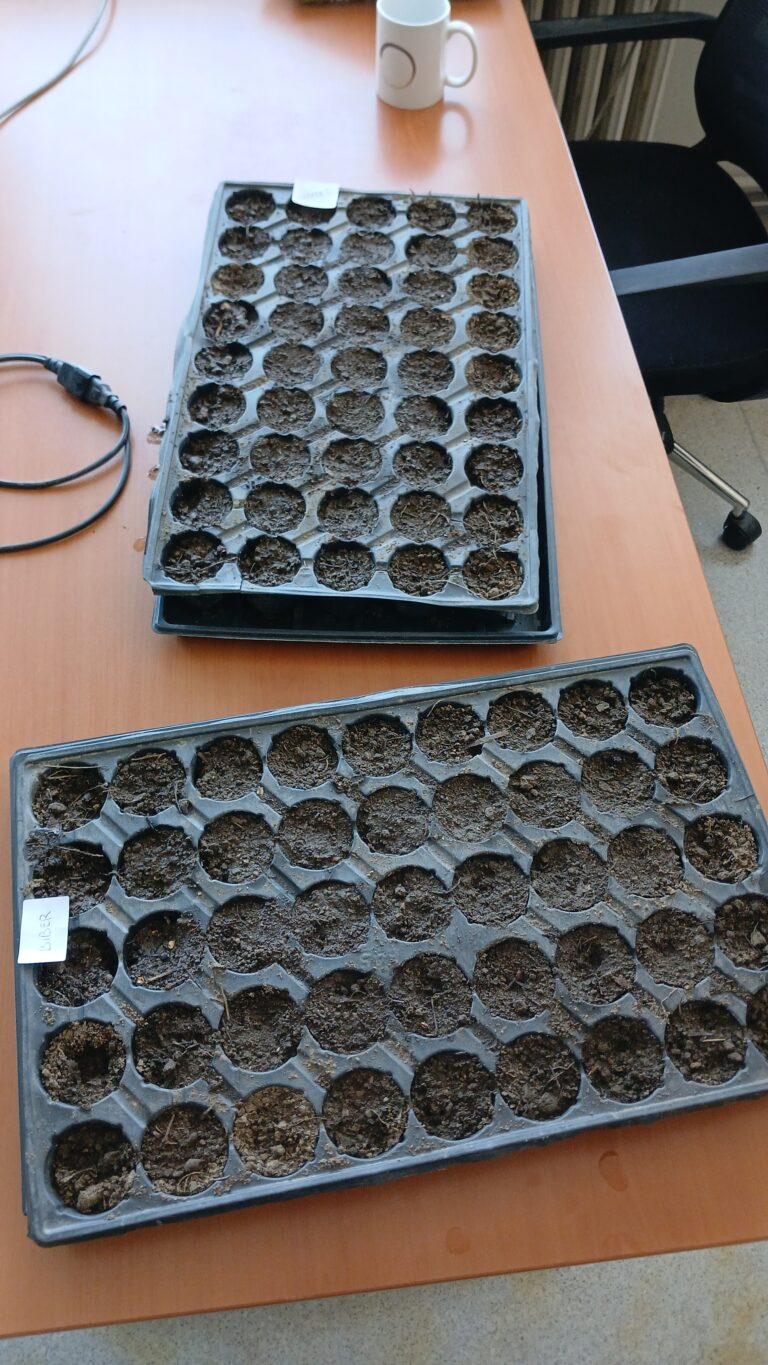
The key phrase is “moist soil.” Fungus gnat larvae cannot survive in dry conditions, so consistently damp potting mix — especially mix that’s kept wet from the surface down — is what allows populations to explode. Overwatering, pots without drainage, and dense, water-retentive soil are the usual root causes.
Getting Rid of Them
- Let the soil dry out. Allow the top 1–2 inches of soil to dry completely between waterings. This single change breaks the larval life cycle faster than any product, since eggs and larvae die without consistent moisture.
- Yellow sticky traps. Adult gnats are strongly attracted to yellow. Placing sticky cards on the soil surface or on stakes near plants captures adults before they can lay more eggs, and doubles as a way to monitor how bad the infestation actually is.
- BTI (mosquito bits or dunks). Products containing Bacillus thuringiensis israelensis are a targeted, low-toxicity larvicide. Soak mosquito bits in your watering can overnight, then water as usual — the BTI is ingested by larvae in the soil and disrupts their digestive system, while being harmless to pets, people, and beneficial insects.
- Topdress with sand or diatomaceous earth. A half-inch layer of coarse sand, fine gravel, or food-grade diatomaceous earth on the soil surface dries out quickly and makes it difficult for adults to lay eggs or for larvae to reach the surface to pupate.
- Repot if it’s severe. If an infestation is well established, gently remove the plant, shake off as much old soil as possible, rinse the roots, and repot into fresh, dry potting mix. This removes eggs and larvae along with the contaminated soil.
Preventing a Repeat Infestation
Once you’ve cleared an infestation, prevention comes down to watering habits. Check soil moisture with a finger or a moisture meter before watering rather than sticking to a fixed schedule, and always use pots with drainage holes so excess water doesn’t collect and stay wet at the bottom. Avoid letting saucers sit full of standing water, and consider a fast-draining potting mix with extra perlite or bark if you tend to water generously. Fungus gnats are ultimately a moisture problem wearing the disguise of a pest problem — fix the moisture, and the gnats disappear on their own within a few weeks.
This article may contain affiliate links. If you purchase a product through one of these links, Plantgecko may earn a commission at no extra cost to you. This never influences our editorial independence or which products we recommend.