Soil pH Levels: Why Acidity Matters So Much for Plants
Introduction
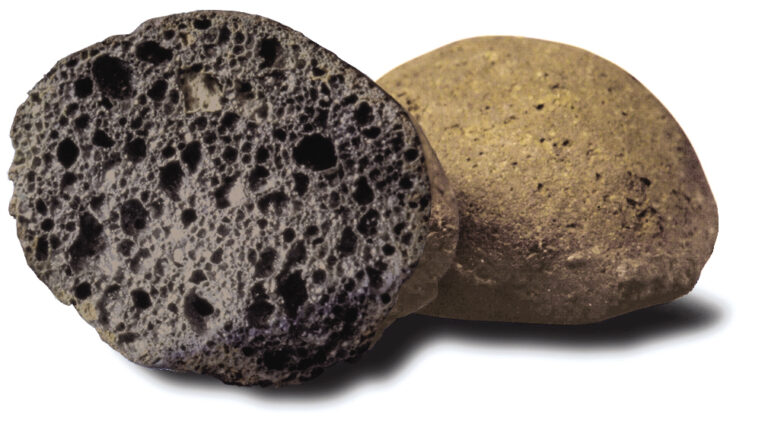
Photo: Gihan Jayaweera (CC BY-SA 3.0, Wikimedia Commons)
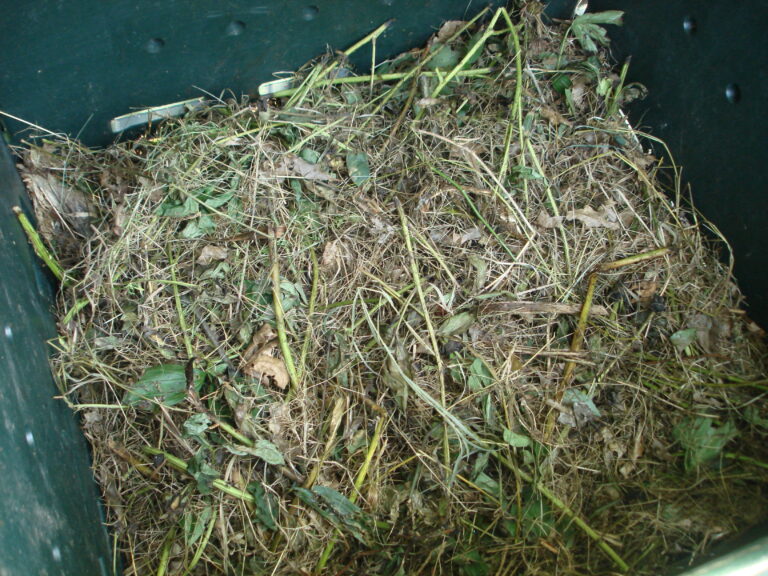
Photo: Plogeo (CC BY-SA 4.0, Wikimedia Commons)
What Soil pH Actually Measures
Soil pH is a measure of how acidic or alkaline the soil is, on a scale from 0 to 14, with 7 being neutral. Most garden plants and houseplants grow best in slightly acidic to neutral soil, roughly pH 6.0 to 7.0, though many species have adapted to narrower or more extreme ranges. pH matters so much because it directly controls which nutrients in the soil are chemically available for roots to absorb, regardless of how much fertilizer is present.
Who This Is For
Why pH Affects Plant Health
At the wrong pH, essential nutrients like iron, manganese, and phosphorus become “locked up” in forms plants can’t use, even if the soil is technically rich in them. This is why a plant can show classic deficiency symptoms, such as yellowing between leaf veins (chlorosis), even in fertile soil, simply because the pH is preventing nutrient uptake. Soil pH also influences the activity of beneficial soil microbes and earthworms, most of which prefer near-neutral conditions.
Buying Criteria
Acid-Loving vs. Alkaline-Tolerant Plants
Acid-loving plants (pH 4.5-6.0): Blueberries, azaleas, rhododendrons, camellias, and many ferns thrive in acidic soil and often show poor growth if lime raises the pH too high.
Product/Option Categories
Neutral-preferring plants (pH 6.0-7.0): Most vegetables, lawns, and common houseplants fall into this broad, forgiving range.
Alkaline-tolerant plants (pH 7.0-8.0): Lavender, clematis, and many Mediterranean herbs tolerate or even prefer slightly alkaline conditions.
Trade-offs
Testing Your Soil
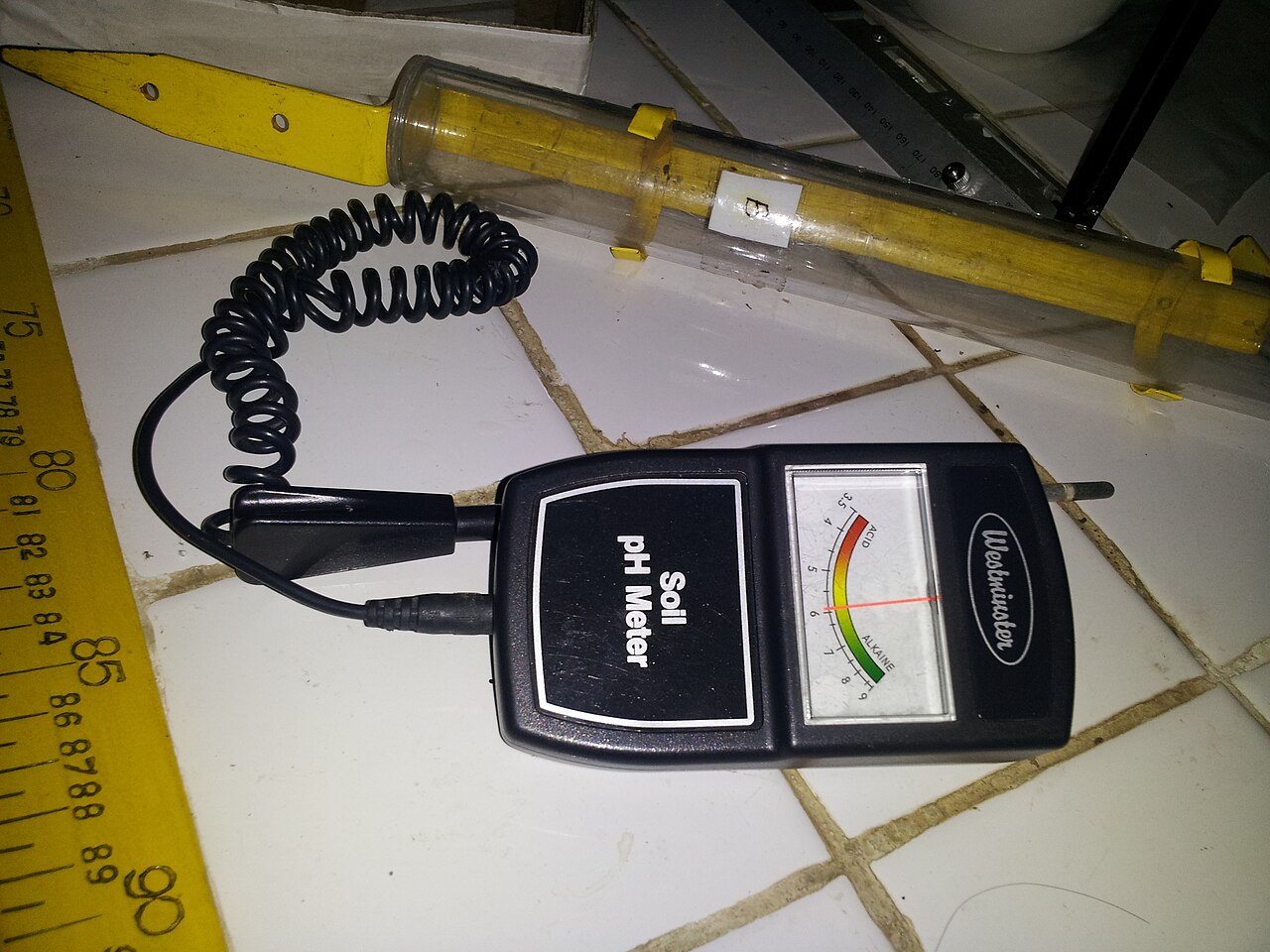
Inexpensive pH test kits, strips, or electronic meters can give a quick reading, though lab tests through a local agricultural extension service are more accurate and often include nutrient analysis as well. Test soil away from foundations or concrete, which can leach lime and skew readings, and take samples from a few inches below the surface where most roots are active.
Disclosure
This article may contain affiliate links. If you purchase a product through one of these links, Plantgecko may earn a commission at no extra cost to you. This never influences our editorial independence or which products we recommend.
| Product | Best For | Price | |
|---|---|---|---|
| pH test kits | Top Pick | Check price | View |
| garden lime | Budget Alternative | Check price | View |
Recommendation Framework
Adjusting Soil pH
To lower pH (make more acidic): Incorporate elemental sulfur, peat moss, or pine bark. Changes happen gradually over weeks to months as soil microbes convert sulfur to sulfuric acid.
To raise pH (make more alkaline): Apply garden lime (calcium carbonate) or wood ash in moderation. Over-liming can cause nutrient problems just as easily as excess acidity.
Conclusion
Because pH changes slowly and overcorrection is easy, amend soil gradually and retest every few months rather than making large adjustments all at once. Matching a plant to soil it’s naturally suited for, or amending soil patiently over a season, will do more for plant health than any amount of extra fertilizer.