Growing Tomatoes: The Ultimate Guide for Juicy Harvests from Your Own Garden
Introduction
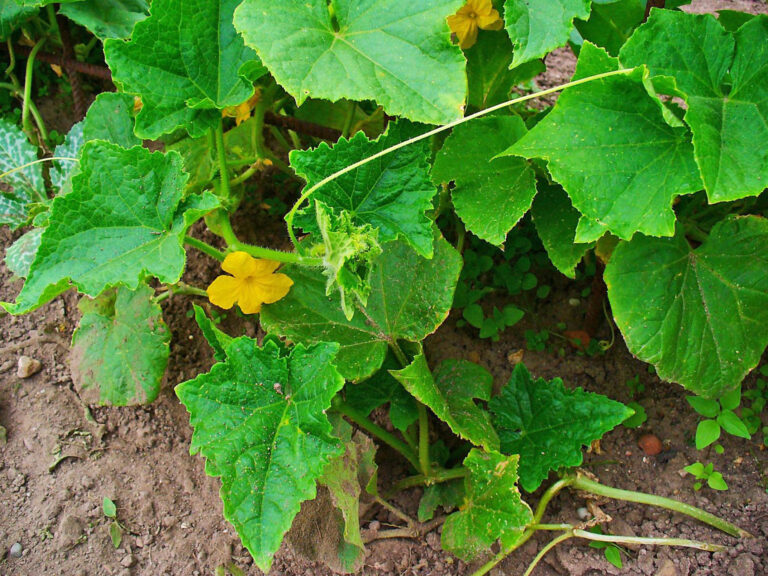
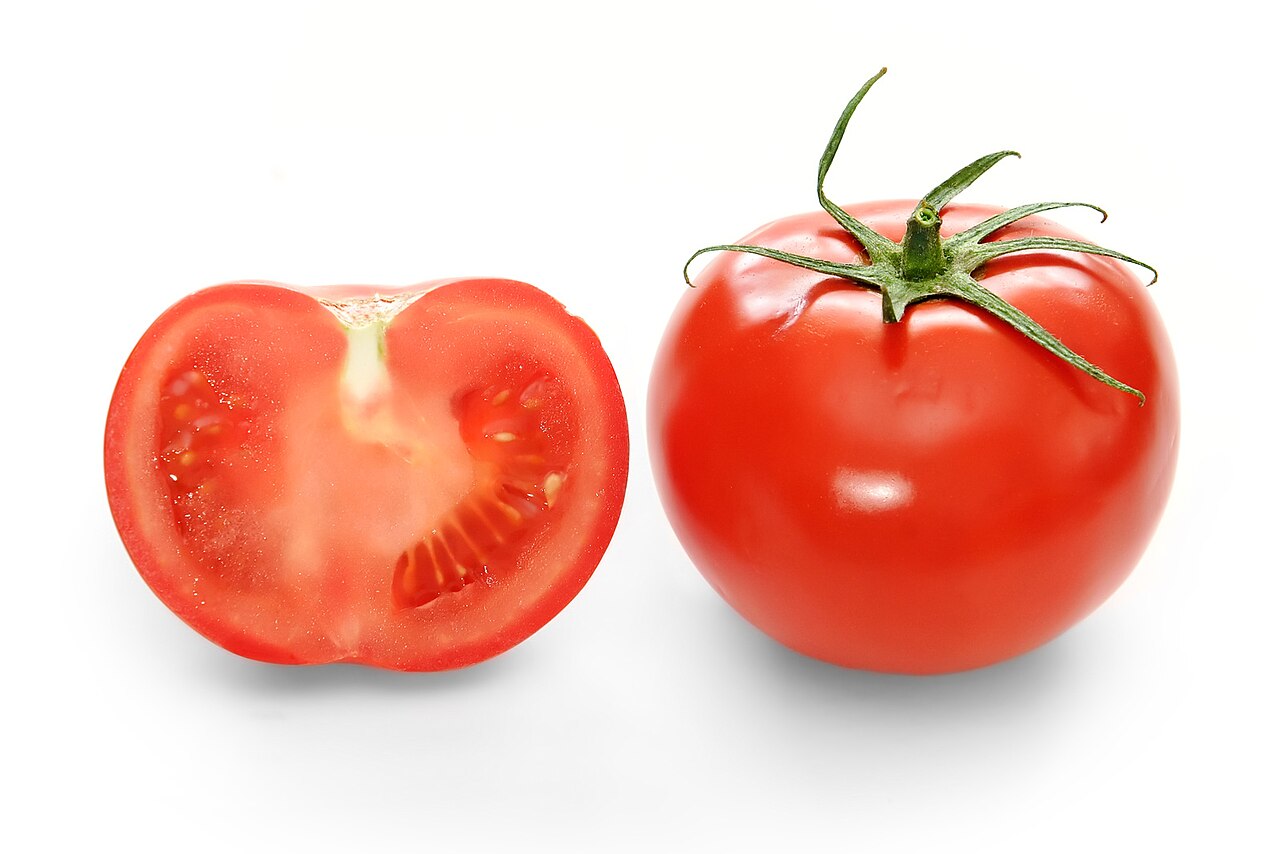
Photo: fir0002 flagstaffotos [at] gmail.com
Canon 20D + Sigma 150mm f/2.8 (GFDL 1.2, Wikimedia Commons)
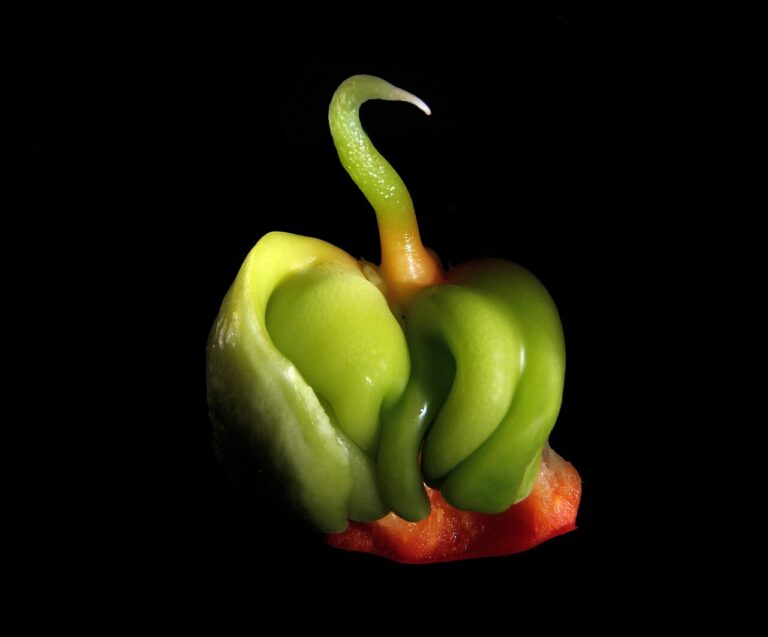
Photo: Softeis (CC BY-SA 3.0, Wikimedia Commons)
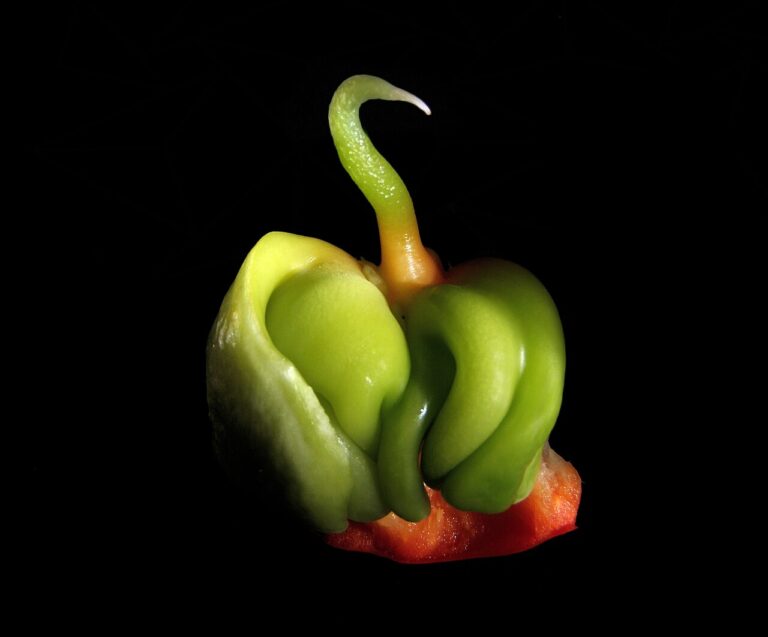
Photo: Len Worthington (CC BY-SA 2.0, Wikimedia Commons)
Tomatoes (Solanum lycopersicum) are the most popular vegetable in home gardens — and for good reason. Nothing tastes more intense than a sun-ripened, homegrown tomato picked straight off the vine. Whether it’s cherry tomatoes for snacking, beefsteak tomatoes for cooking, or heirloom varieties bursting with flavor, the variety is overwhelming. Growing tomatoes isn’t difficult, but it does have its pitfalls: blight, too little sun, improper watering. This comprehensive guide walks you through everything from sowing to care to harvest.
Choosing Your Tomato Variety
Before you get started, the most important decision is which type of tomato to grow. Here’s an overview of the basic types:
Cocktail and cherry tomatoes: Small, sweet, and flavorful. Perfect for snacking and salads. Varieties like ‘Black Cherry’, ‘Sungold‘, or ‘Sweet Million’. Their compact growth makes them ideal for balconies and patios.
Who This Is For
Beefsteak tomatoes: Large, juicy, and meaty. Excellent for sauces, soups, and grilling. Classics include ‘Ochsenherz’ (Oxheart), ‘Marmande’, and ‘Andenhorn’.
Vining (cordon) tomatoes: The all-rounder. Medium size, well-balanced flavor. Need staking and regular removal of side shoots. Varieties: ‘Moneymaker’, ‘Harzfeuer’, ‘Matina’.
Bush tomatoes: Compact, need little to no side-shoot removal. Ideal for pots on a balcony. Varieties: ‘Balkonstar’, ‘Vilma’, ‘Tiny Tim’.
Heirloom varieties: Colorful, with incomparable flavor, though often lower-yielding and more prone to disease. Varieties: ‘Green Zebra’, ‘Brandywine’, ‘Noire de Crimée’.
Sowing and Raising Seedlings: The Perfect Start
Tomatoes are heat-loving plants from subtropical regions, so in temperate climates, starting them indoors on a windowsill is essential:
Timing: Mid-February to mid-March. Sowing earlier doesn’t help — the seedlings will grow leggy from lack of light.
Buying Criteria
Sowing trays: Use small pots or seed trays filled with seed-starting mix. Sow 2–3 seeds per pot, about 0.5 cm (¼ in) deep.
Temperature: 22–26 °C (72–79 °F) for germination. A heating mat is ideal. Once seedlings emerge, lower the temperature to 18–20 °C (64–68 °F).
Light: 14–16 hours a day! Without a grow light, tomatoes started in February or March will almost certainly grow leggy. An affordable LED grow light costs very little.
Pricking out: Once the first true set of leaves appears (after 3–4 weeks), transplant the strongest seedlings into 9-cm (3.5-in) pots filled with fertilized potting soil.
Planting Out and Location
After the last spring frost, tomatoes can go outdoors — but only after a hardening-off period. For about a week, move the young plants outside during the day (in a sheltered, partly shaded spot) and bring them back in at night.
Product/Option Categories
Location: Full sun! At least 6–8 hours of direct sunlight daily. A wind-sheltered spot against a south-facing wall is ideal. Tomatoes need warmth — ideally 20–25 °C (68–77 °F) during the day and no lower than 15 °C (59 °F) at night.
Soil: Nutrient-rich, humus-rich, deep, and well-draining. Work in plenty of compost and a slow-release organic fertilizer before planting. Aim for a pH of 6.0–7.0. In containers, use high-quality tomato potting mix rather than ordinary garden soil.
Spacing: 50–70 cm (20–28 in) between plants, with 80–100 cm (32–40 in) between rows. Tomatoes need good air circulation, or they risk fungal disease.
Care: Watering, Feeding, and Removing Side Shoots
Watering (the most important factor!): Tomatoes are divas when it comes to watering. Never wet the leaves — this encourages the dreaded blight. Always water at the base, ideally in the morning. Keep the soil evenly moist; letting it dry out completely and then soaking it again causes split fruit and blossom end rot. In peak summer, container-grown tomatoes need 2–5 liters (about half a gallon to a gallon and a quarter) of water daily. A layer of mulch around the plants reduces evaporation.
Trade-offs
Feeding: Tomatoes are heavy feeders. In addition to your base fertilizer, water with a liquid tomato fertilizer every 1–2 weeks. Watch your potassium levels — a potassium deficiency causes the dreaded blossom end rot (brown, sunken patches on the bottom of the fruit).
Removing side shoots: For vining tomatoes (not bush tomatoes!), pinch out the small side shoots that form in the leaf axils on a weekly basis. Otherwise, the plant puts its energy into leaves instead of fruit. Tip: remove side shoots on a dry day so the wounds can heal quickly.
Disclosure
This article may contain affiliate links. If you purchase a product through one of these links, Plantgecko may earn a commission at no extra cost to you. This never influences our editorial independence or which products we recommend.
| Product | Best For | Price | |
|---|---|---|---|
| Sungold | Top Pick | Check price | View |
| heating mat | Also Consider | Check price | View |
| LED grow light | Budget Alternative | Check price | View |
Recommendation Framework
Preventing Disease: A Rain Cover Is Worth Its Weight in Gold
Blight (Phytophthora infestans) is every tomato grower’s nightmare. This fungal disease strikes in warm, humid weather and can destroy an entire harvest within a week. The best prevention is a rain cover over your tomatoes! A simple plastic or Plexiglas roof (don’t fully enclose the plants — air circulation is essential) keeps rain off the leaves and stops fungal spores from spreading. This single measure does more for tomato health than almost anything else.
Other tips: choose disease-resistant varieties (such as ‘Philovita’ or ‘Primabella’), space plants well apart, never water the leaves, and remove any diseased plant material immediately rather than adding it to the compost pile.
Conclusion
Harvest: Reaping the Rewards
Harvest tomatoes once they have reached their variety’s typical color and are slightly soft to the touch. Don’t pick too early — tomatoes that ripen off the vine never develop their full flavor. The main harvest season outdoors runs from August to September, and from July to October in a greenhouse. Pick green, unripe tomatoes before the first frost and let them ripen wrapped in newspaper at 15–20 °C (59–68 °F) — placing a ripe apple nearby speeds up ripening thanks to the ethylene gas it releases.
With these tips, nothing stands between you and a bountiful tomato harvest. It’s worth the effort — homegrown tomatoes are in a completely different league of flavor compared to anything from the supermarket.