Spider Mites: How to Spot Them and Fight Back — Saving Your Plants from These Tiny Web-Spinning Pests
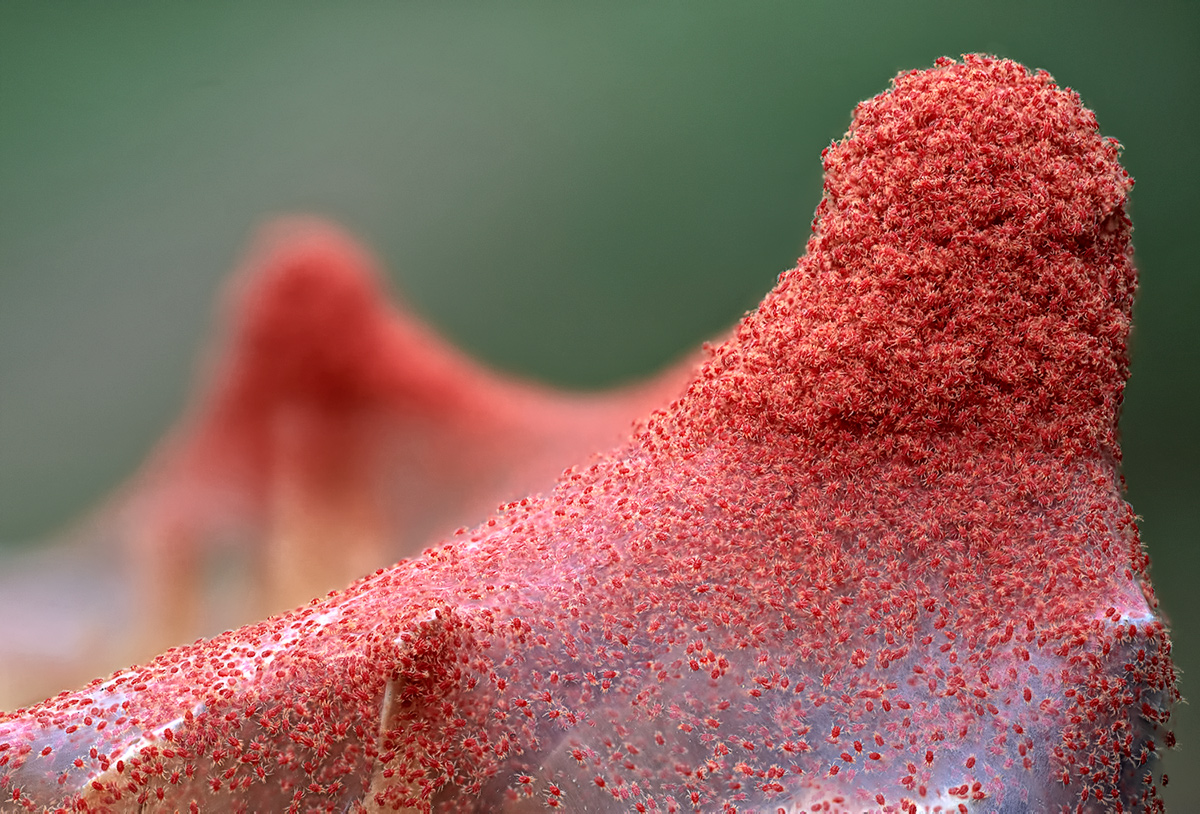
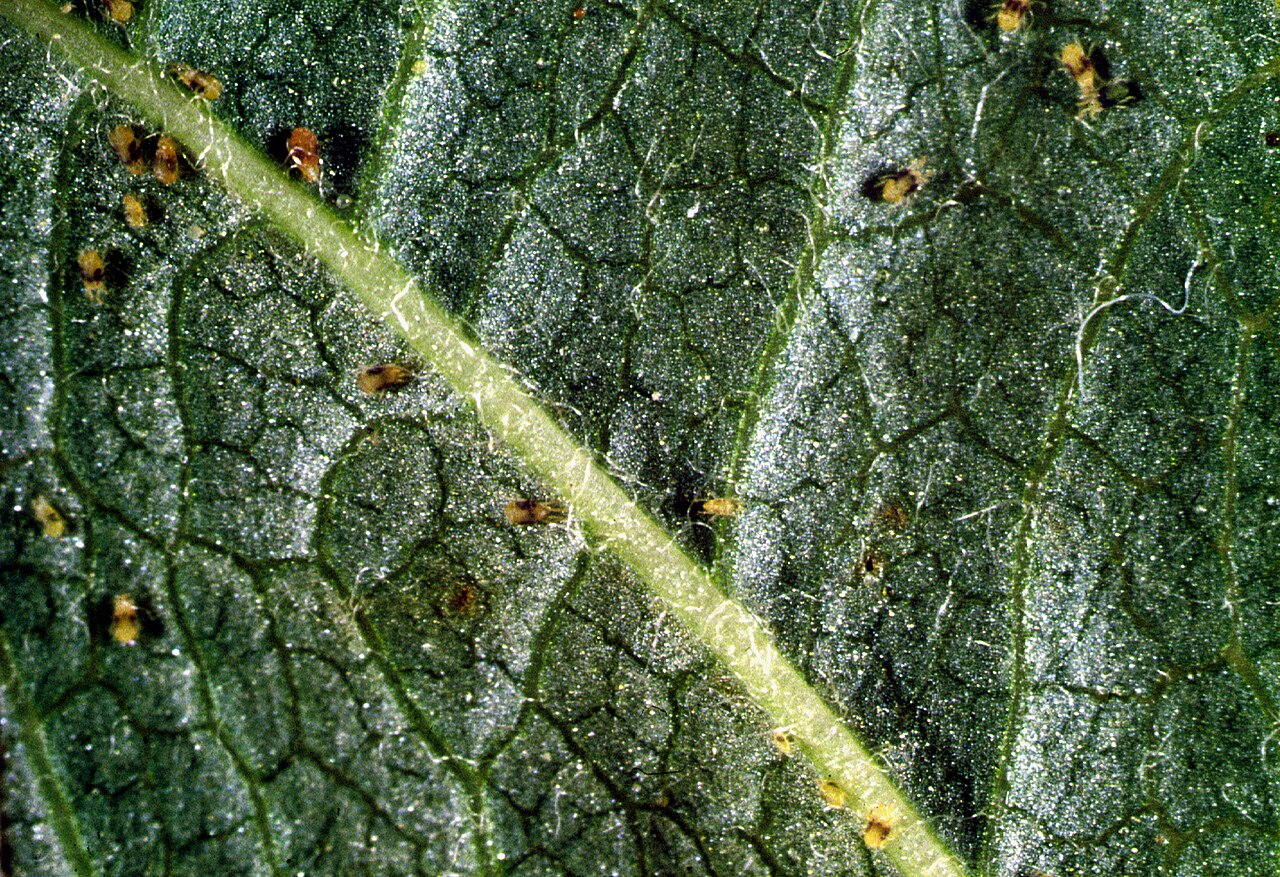
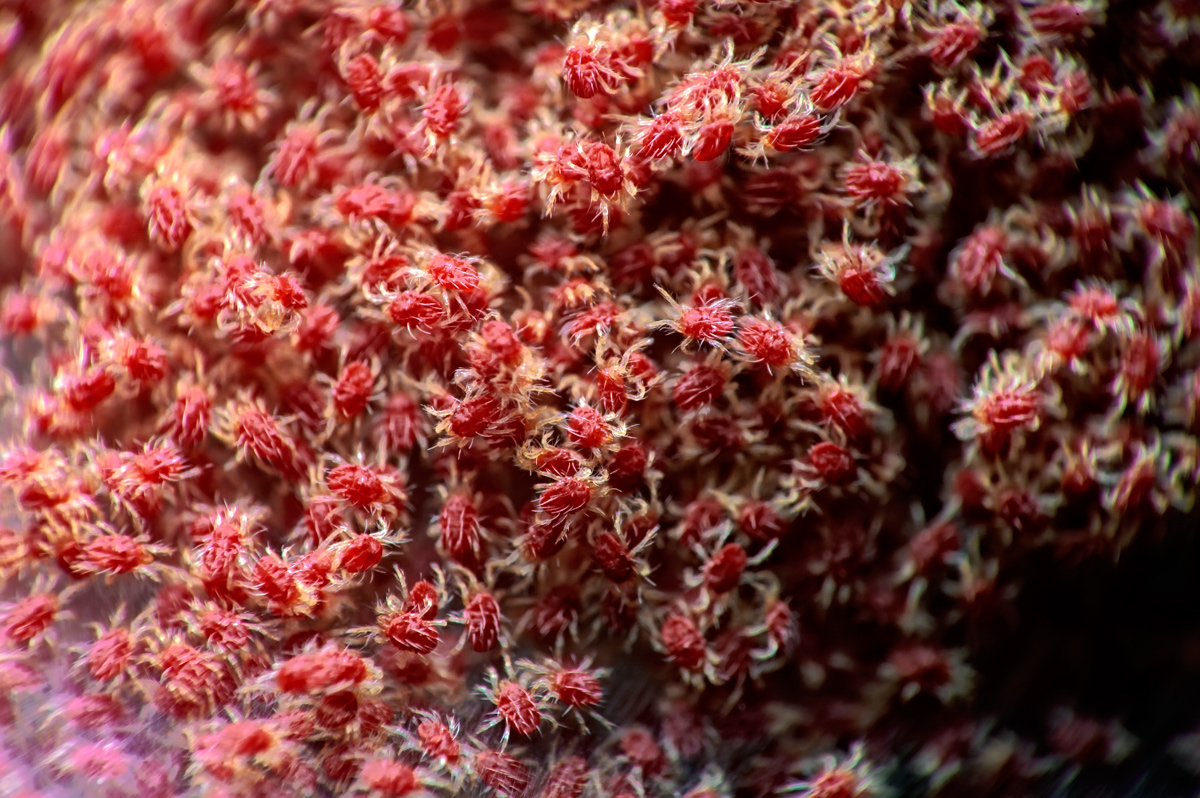
Spider mites are almost impossible to see with the naked eye — but the damage they cause is impossible to miss. They multiply explosively, especially in winter when dry heating air takes over. If you catch the fine webbing and typical leaf damage early, you can save your plants.
Reading the Symptoms Correctly
Early warning signs are fine, light speckles on the upper leaf surface — they look like tiny puncture marks and appear because spider mites suck out individual cells. In more advanced stages, fine webbing shows up between the leaf stalk and blade, on the undersides of leaves, or at shoot tips. Leaves turn yellow, dry out, and eventually drop. Hold a sheet of white paper under a suspect leaf and tap it gently — if tiny red or yellowish dots fall onto the paper, you have your answer.
Why Spider Mites Attack Your Plant
Spider mites love it warm and dry. Heated indoor air in winter is their paradise. Weakened plants in low humidity are especially vulnerable. Typical victims: pothos, calathea, rubber plants, palms, and above all — every plant owner’s nightmare — alocasia.
Immediate Measures
The first step: isolate the plant immediately from others. Then give it a thorough lukewarm shower, paying special attention to the undersides of the leaves. Afterward, wipe down every leaf with a damp cloth. This alone can cut the population by an estimated 80%.
Chemical and Biological Control
Miticides (specialized mite treatments) or rapeseed-oil-based products from garden centers are effective against spider mites. Important: repeat the treatment after 5–7 days, since many products don’t kill the eggs, and a second wave hatches afterward. For heavy infestations, treat three times at weekly intervals.
A biological alternative is predatory mites (Phytoseiulus persimilis). They eat spider mites at every life stage and reproduce faster than their prey. Once the infestation is under control, they simply die off once there’s nothing left to eat. Perfect for greenhouses and collectors with many pots.
Prevention: The Best Protection
Raise humidity by misting leaves regularly or using a humidifier. Spider mites hate moist air. Always quarantine new plants for 2 weeks before adding them to your collection. And check the undersides of leaves regularly — the earlier you catch an infestation, the easier it is to treat.