Privet (Ligustrum vulgare) – The Perfect All-Rounder for Hedges and Privacy Screens
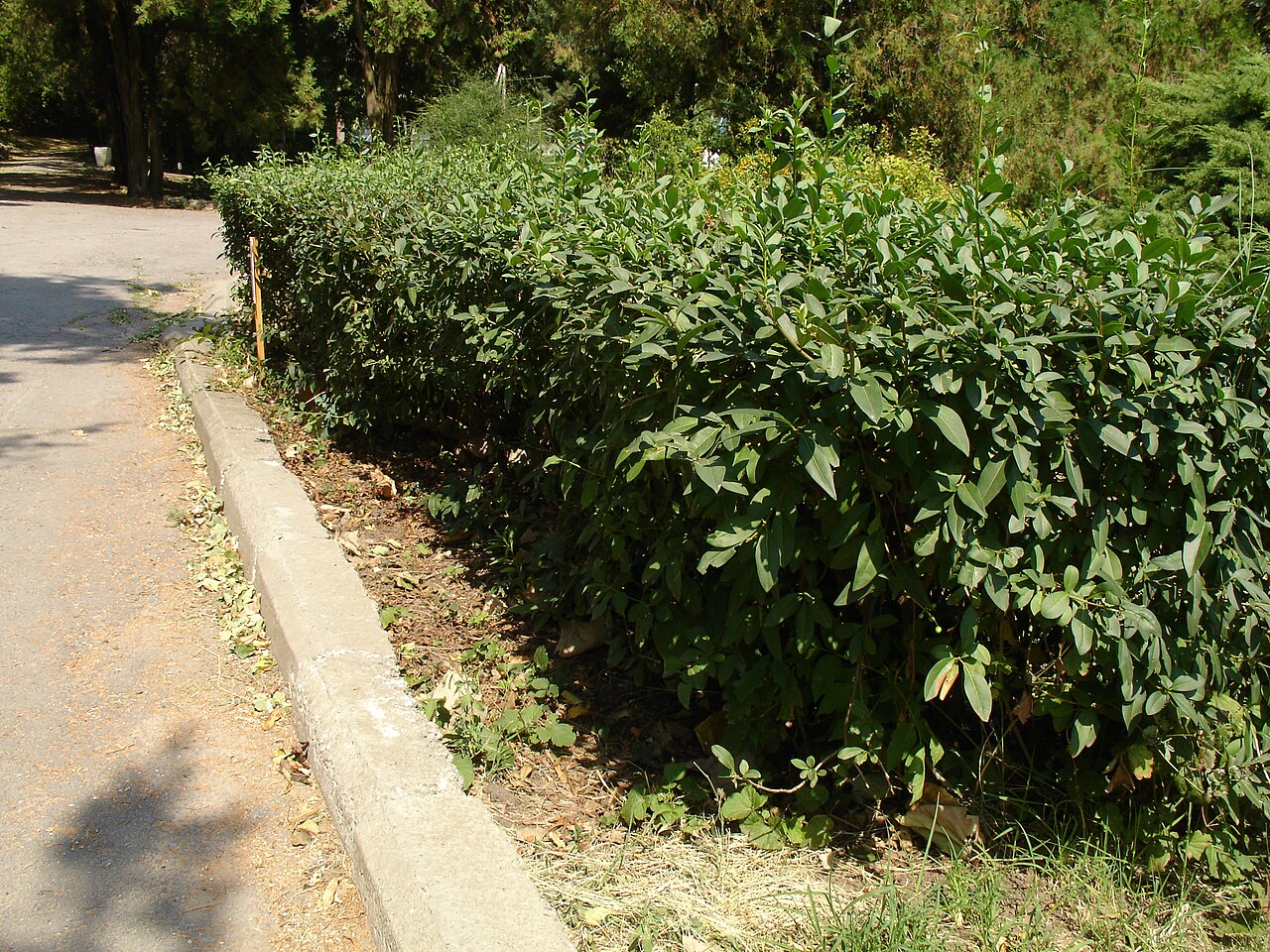
Privet (Ligustrum vulgare) – The Perfect All-Rounder for Hedges and Privacy Screens
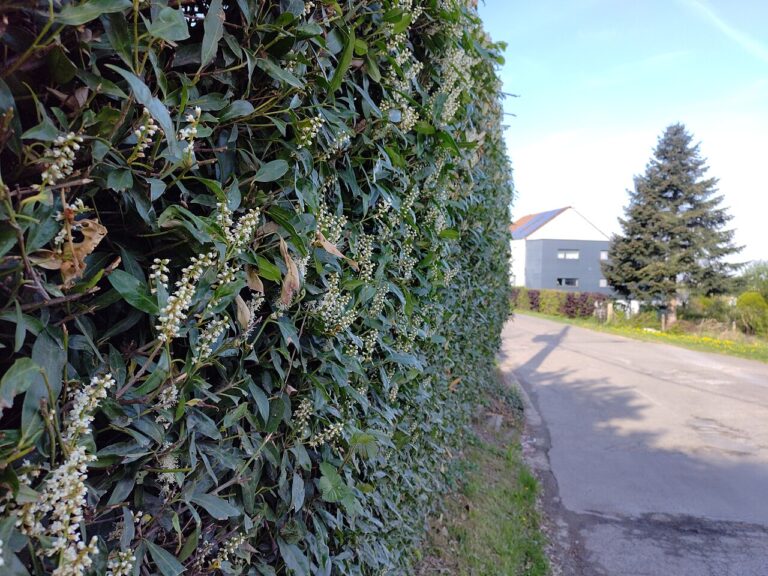
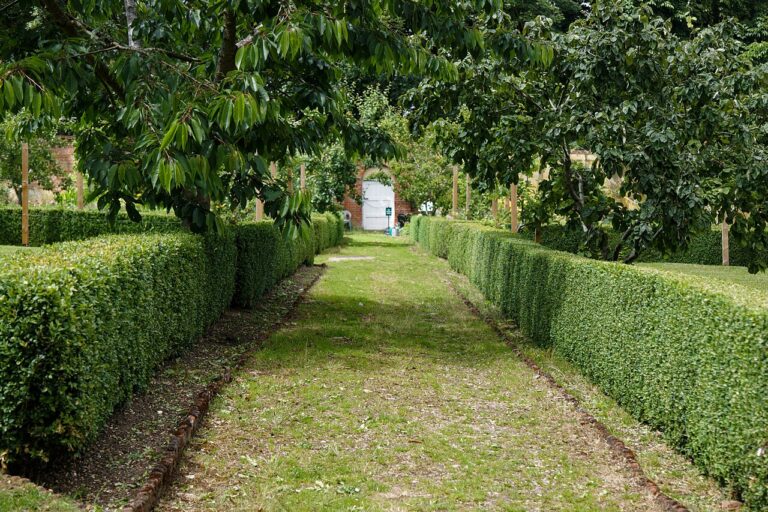
Common privet (Ligustrum vulgare) is one of the most popular hedge plants in German gardens – and for good reason. Few other plants are as versatile, robust, and easy to care for as privet. It grows quickly, can be trimmed into shape beautifully, tolerates pruning extremely well, and provides privacy screening all year round. Whether as a formal hedge, a natural property boundary, or a freely growing shrub – privet always makes a good impression.
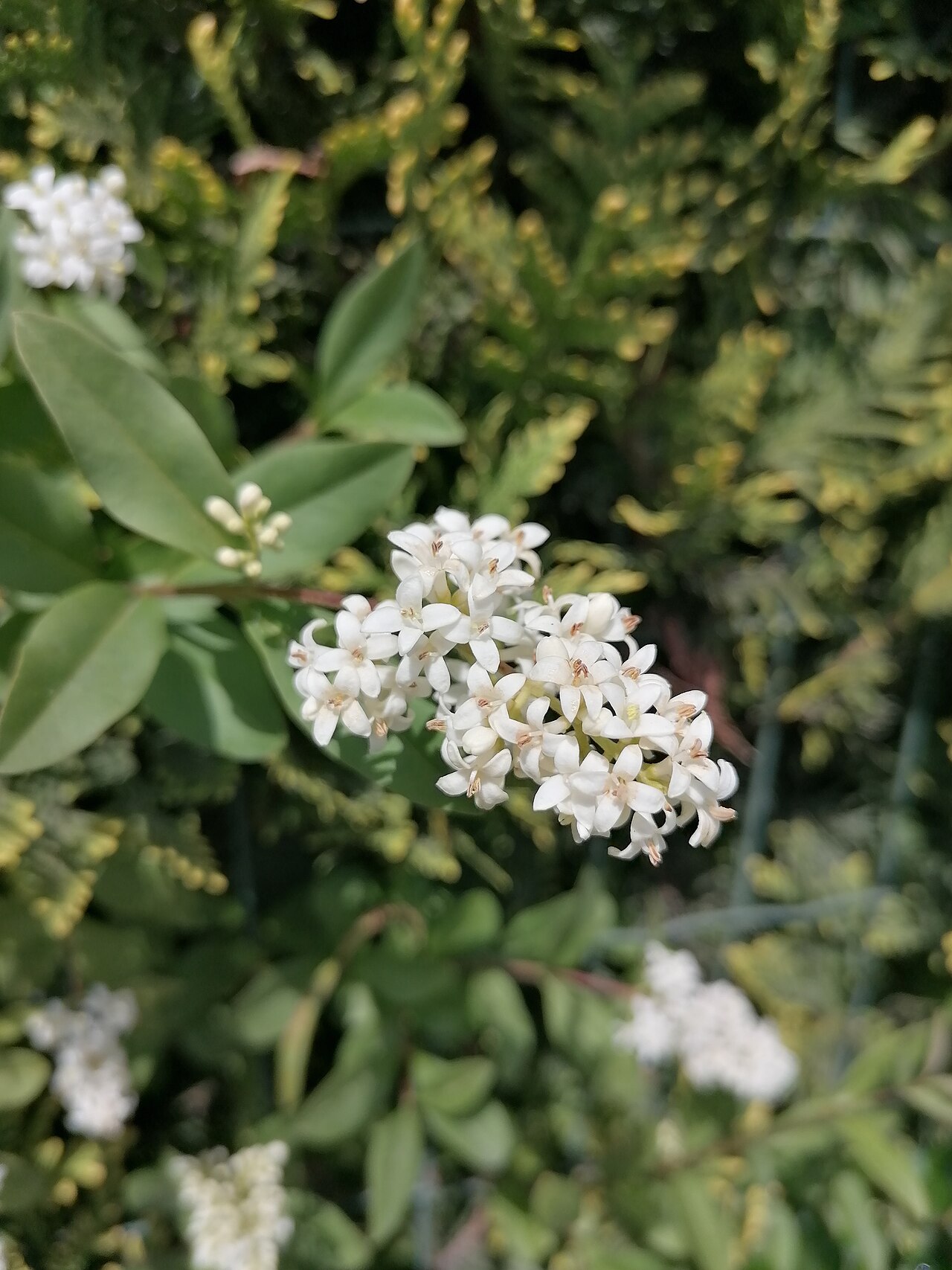
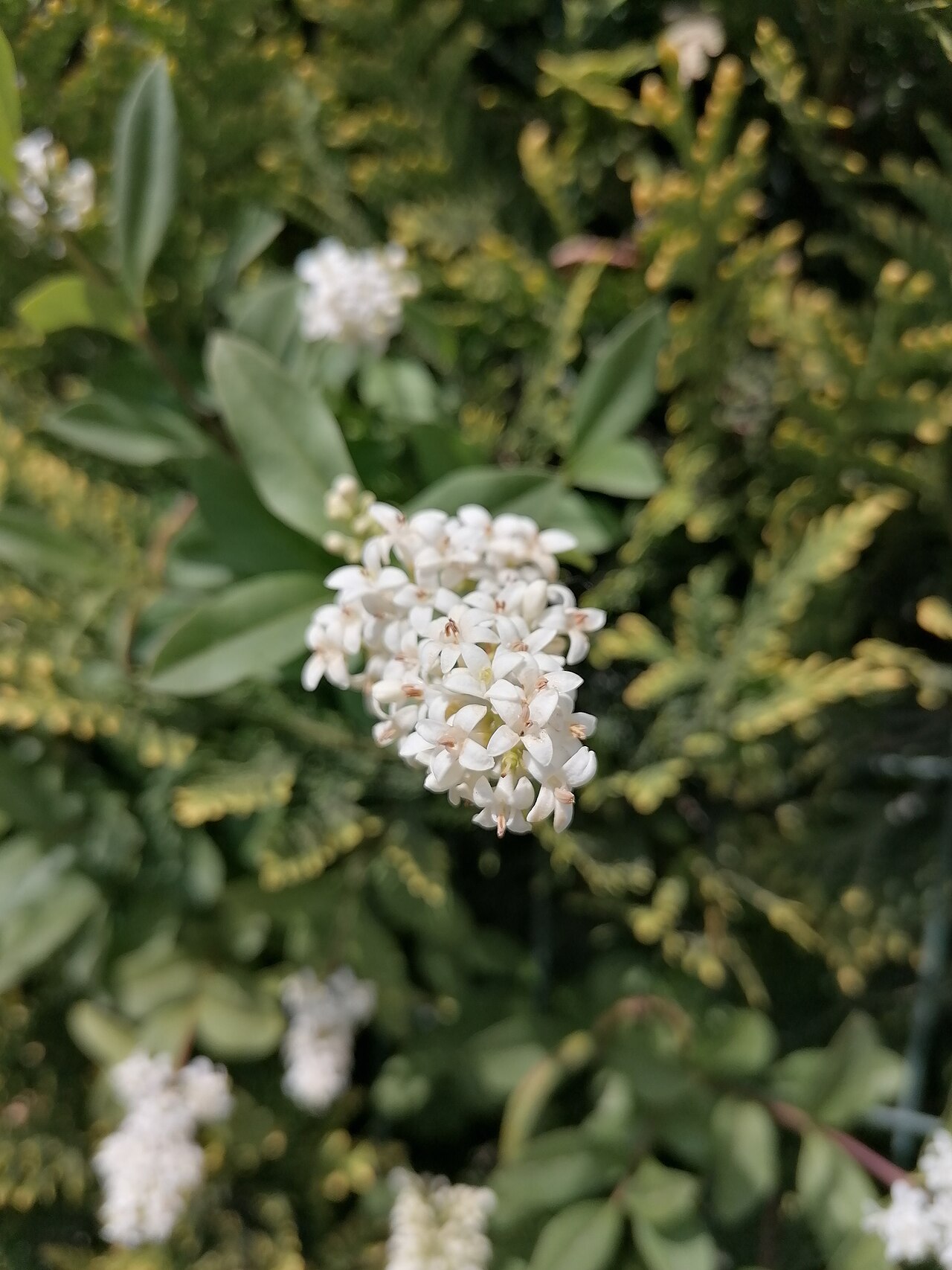
As a native wild plant, Ligustrum vulgare is also ecologically valuable. Its creamy white flower panicles in June are an important food source for bees, bumblebees, and butterflies, and birds enjoy eating its black berries in autumn. For humans, however, the berries are poisonous – something families with small children should keep in mind.
Advantages of Privet as a Hedge Plant
- Fast growth: With an annual growth of 30 to 60 centimeters, privet is one of the faster-growing hedge plants.
- Excellent tolerance to pruning: Even radical cutting back is handled without any problem – including cutting back into old wood.
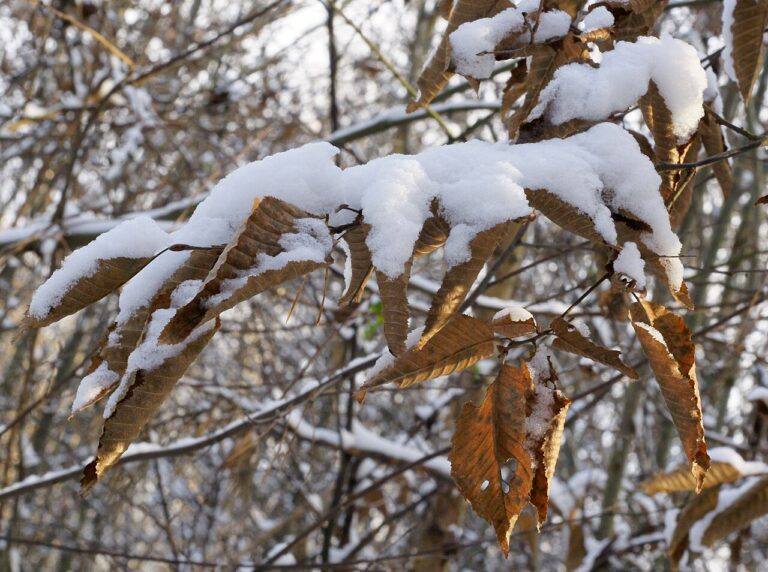
- Dense all year round: In mild winters, the foliage stays on the plant (semi-evergreen); in harsh winters it loses some leaves but still stays dense enough to screen views.
- Undemanding: Privet thrives in almost any soil, from sandy to loamy, and copes well even with difficult locations.
- Ecologically valuable: As a native plant, it provides habitat and food for numerous native insects and birds.
- Inexpensive: Privet is one of the most affordable hedge plants on the market.
Location and Soil Requirements
Privet is remarkably adaptable and thrives in locations ranging from sunny to shady. For especially dense growth, however, a sunny to partially shaded spot is recommended. In fully shaded locations, it grows somewhat sparser and more slowly.
When it comes to soil, privet is tolerant:
- It tolerates loamy, sandy, and humus-rich soils equally well
- The pH value can range from slightly acidic to alkaline
- It even tolerates compacted soils and mild drought
- It only shows weakness on waterlogged, heavy clay soils
Planting Privet – Step by Step
The best planting time is autumn (October/November) or early spring (March/April). For a dense hedge, plan on three to five plants per linear meter, depending on the size of the plants.
- Dig a planting trench: About 40 centimeters deep and wide
- Improve the soil: Loosen heavy soils with sand; enrich sandy soils with compost
- Set the plants in: At the same depth they were in the pot, not deeper
- Water in: Soak thoroughly with 10–15 liters of water per linear meter
- Mulch: A layer of bark compost mulch suppresses weeds and retains moisture
- Formative pruning: After planting, cut back by about a third to encourage strong branching
Pruning a Privet Hedge Correctly
Pruning is the be-all and end-all of a beautiful privet hedge. Without regular trimming, privet can grow up to four meters tall and wide, which is too much for most gardens.
- First cut (May/June): After the first vigorous flush of growth, around St. John’s Day (June 24)
- Second cut (August/September): A shaping cut for a neat appearance through winter
- Trapezoid shape: The hedge should be wider at the bottom than at the top – this way, the lower parts also get enough light and the hedge stays dense all the way to the ground
- Radical cutback: Necessary for overgrown or overly large hedges, best done in early spring before new growth starts
Care and Fertilizing
Caring for privet is pleasantly simple. An annual application of compost or organic slow-release fertilizer in spring is enough. If the leaves turn yellowish, you can also fertilize with horn shavings. Privet only needs extra watering during extremely dry summers – once established, it is very drought-tolerant.
Privet Varieties at a Glance
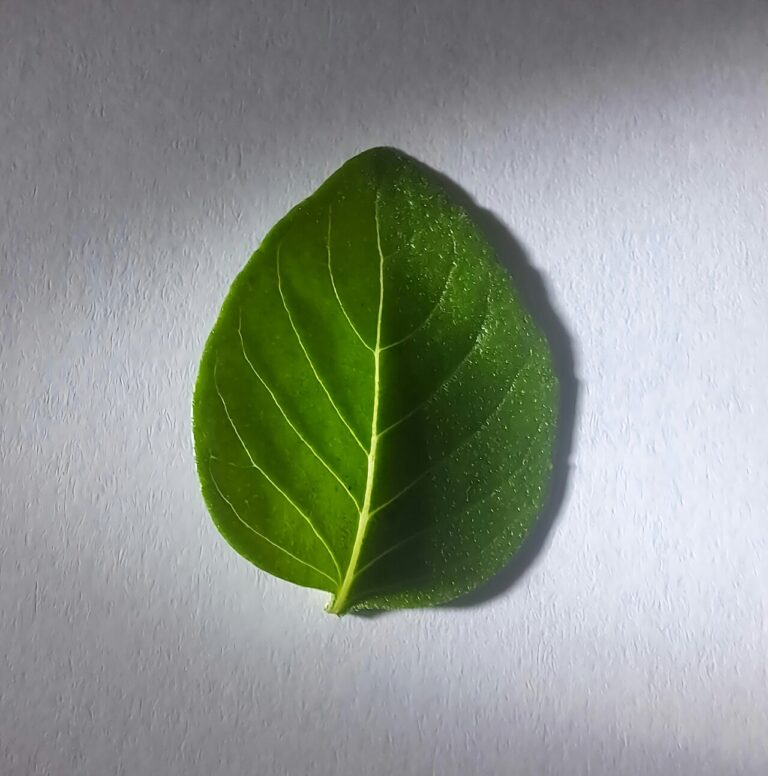
- Ligustrum vulgare ‘Atrovirens’: The standard variety for hedges. Particularly winter-green, since the foliage reliably stays on until spring. Dark green leaves, very tolerant of pruning.
- Ligustrum ovalifolium (oval-leaved privet): Larger leaves than common privet, even more reliably winter-green. Good for mild climates.
- Ligustrum vulgare ‘Lodense’: A compact, slow-growing dwarf variety, only 80–100 cm tall. Ideal for low border hedges.
- Ligustrum ovalifolium ‘Aureum’: Golden variegated privet with yellow-green mottled leaves. An attractive eye-catcher, somewhat more frost-sensitive.
Diseases and Problems
Privet is very robust and is rarely affected by serious diseases. Occasionally, the following can occur:
- Leaf spot fungi: Brown spots on the leaves after wet summers. Usually harmless and clears up on its own.
- Privet aphids: Cause young leaves to curl up. In case of heavy infestation, treat with a soft-soap solution.
- Powdery mildew: A white coating appears during dry, warm weather. Remove affected shoots and ensure good air circulation.
Conclusion: The Perfect Hedge for Every Garden
Privet is rightly one of Germany’s most popular hedge plants. It combines fast growth, extreme tolerance to pruning, ecological value, and minimal requirements when it comes to location and care. Whether as a tall privacy hedge, a low border, or a freely growing flowering shrub that shelters birds – privet reliably fulfills every role and remains an attractive garden resident even in winter.
This article may contain affiliate links. If you purchase a product through one of these links, Plantgecko may earn a commission at no extra cost to you. This never influences our editorial independence or which products we recommend.