Boxwood Care and Pruning – The Ultimate Guide to Healthy Boxwood
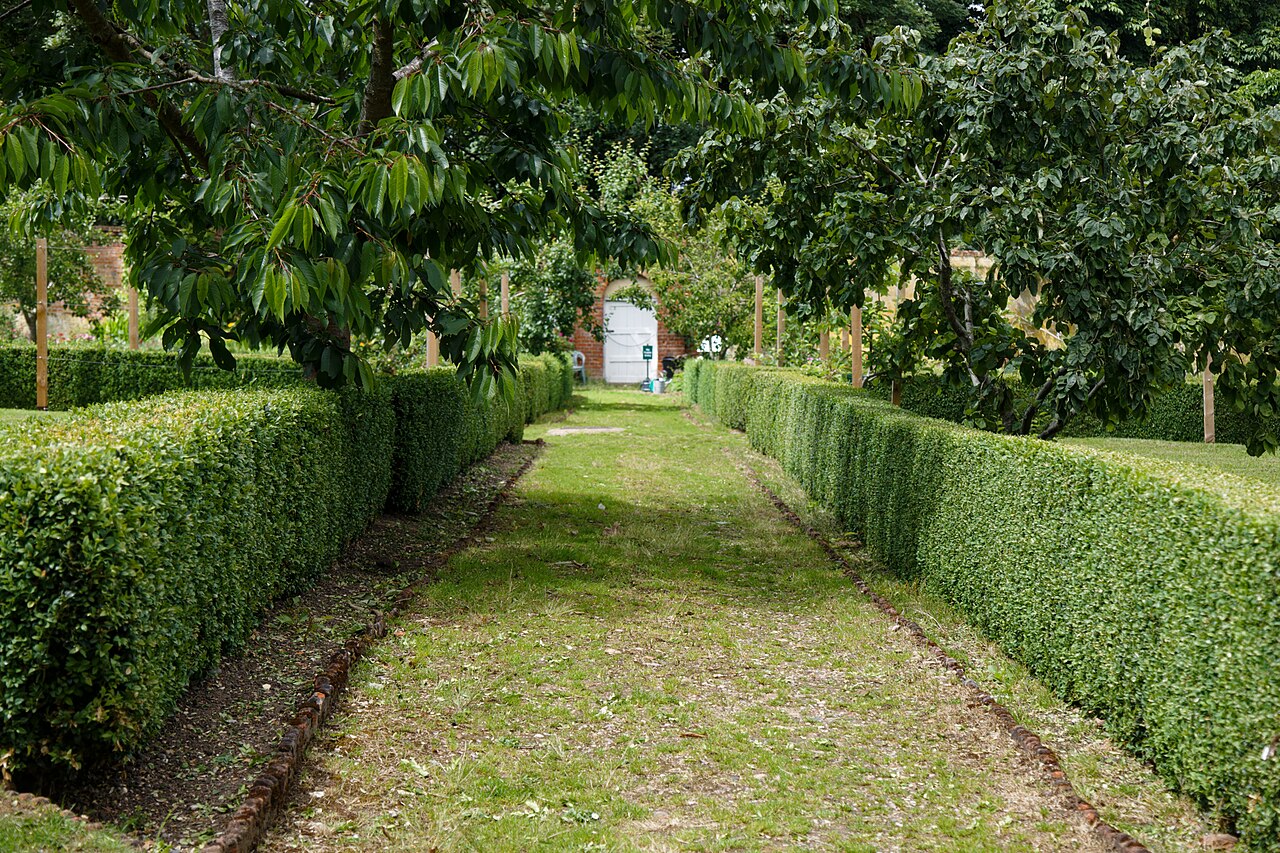
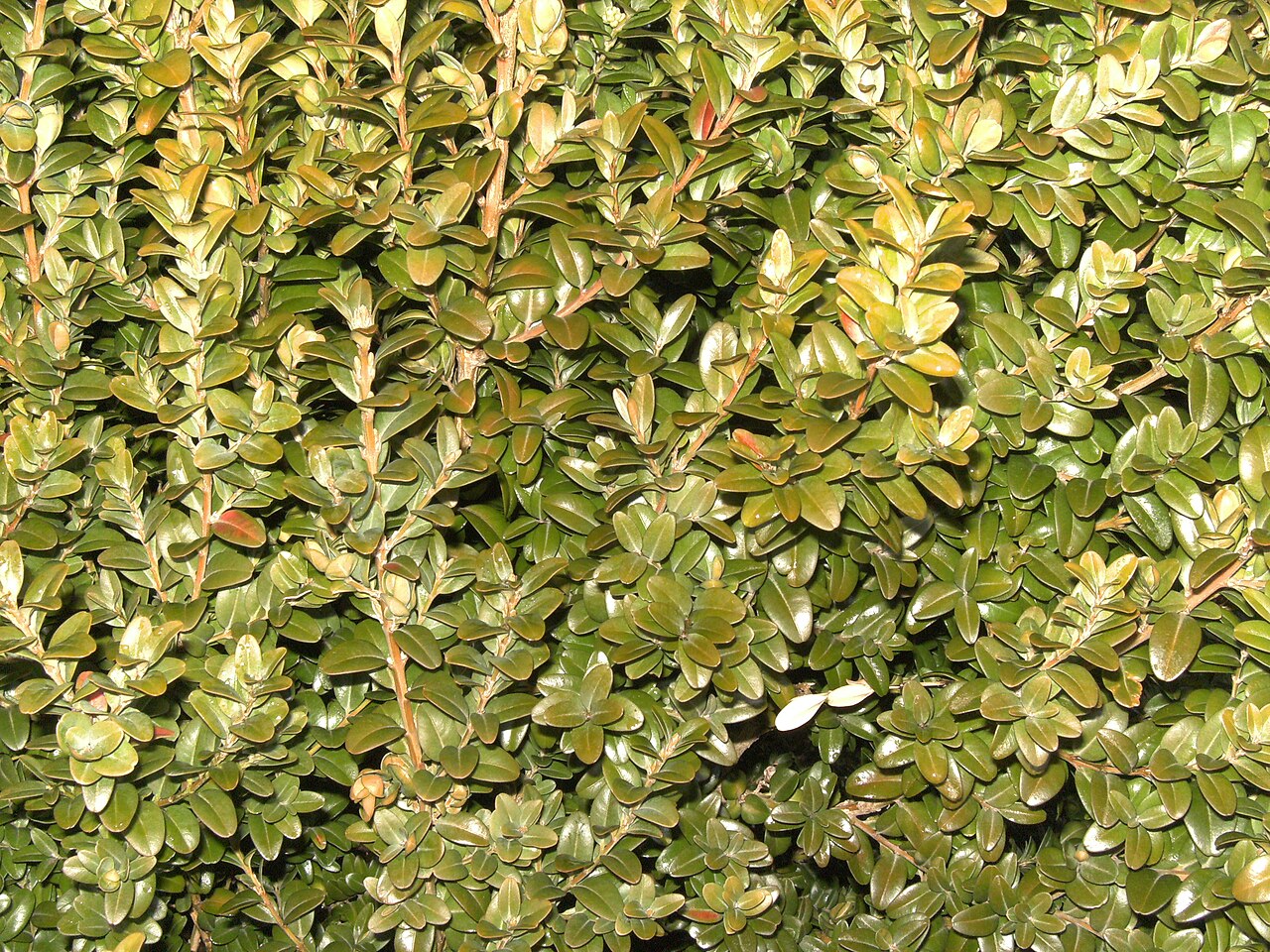
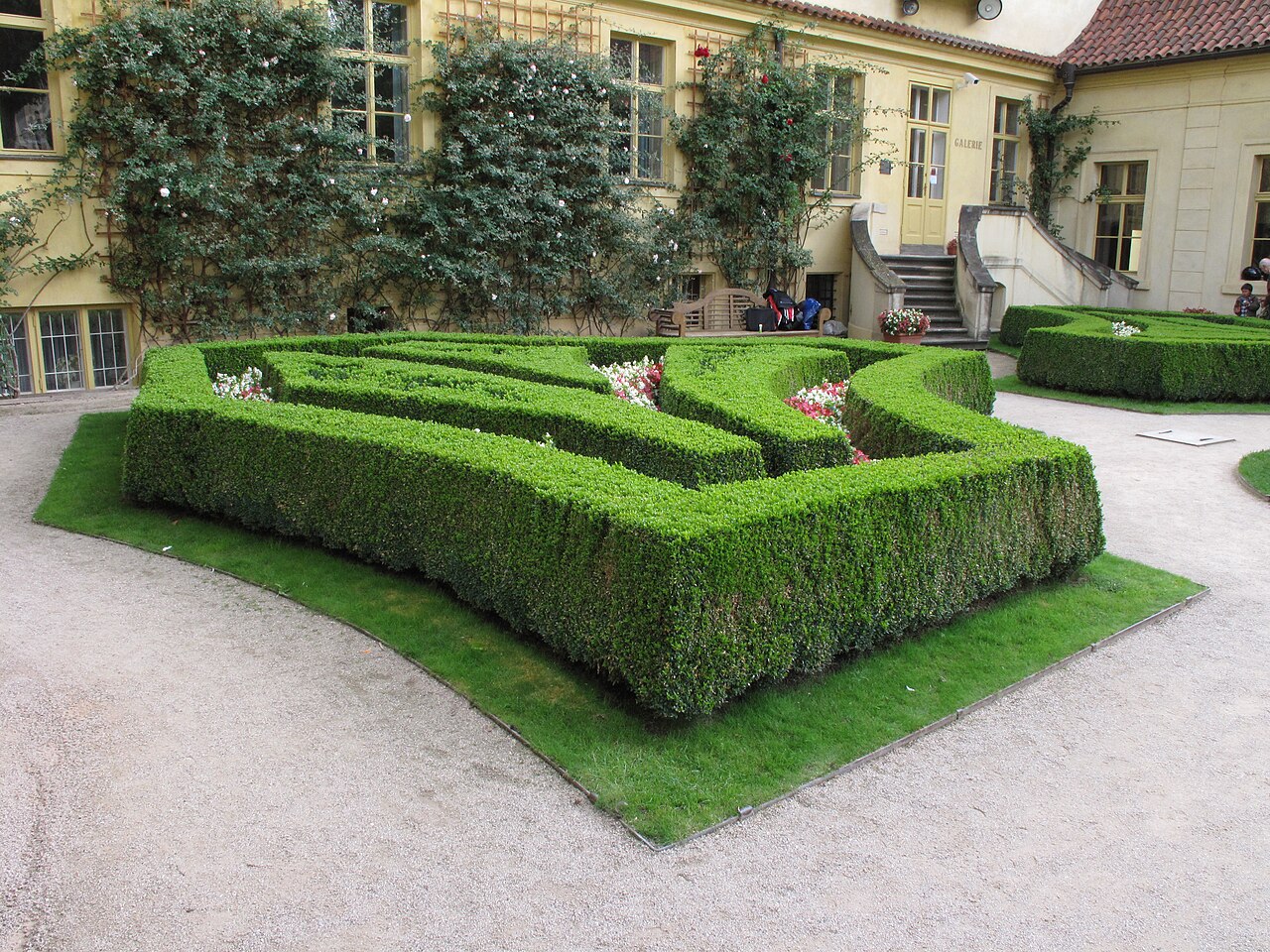
Boxwood (Buxus sempervirens) has been a staple of European garden design for centuries. Whether shaped into a neat sphere, clipped into a precise hedge, or sculpted into an ornamental topiary, this evergreen shrub lends structure and elegance to any garden. Proper care and skillful pruning are essential to keep your boxwood healthy and dense.
The Ideal Location for Boxwood
Boxwood thrives best in a partially shaded to shaded location. It only tolerates full sun if the soil stays sufficiently moist. The ideal soil is humus-rich, contains lime, and drains well. Loosen heavy, compacted soils thoroughly and improve them with compost before planting. A soil pH between 7.0 and 8.0 is optimal. Waterlogging must be avoided at all costs.
Planting Boxwood
The best planting times are spring (March to May) or early autumn (September to October). For a dense boxwood hedge, plant 4 to 8 plants per running meter, depending on their size. Dig a planting hole twice as wide and deep as the root ball. Mix the excavated soil with compost and a little horn shavings. Water thoroughly after planting and keep the soil evenly moist for the first few weeks.
Pruning Boxwood Correctly
Shaping is the true art of boxwood care. As a rule, boxwood is pruned twice a year: the first cut in May after the first flush of new growth, and the second in August or September. Only prune on overcast days — in bright sunshine, freshly cut leaves can scorch.
Always use sharp, clean cutting tools. Specialized boxwood shears or cordless hedge trimmers are recommended for precise shapes. Cut from the bottom upward, working step by step. Wire or wooden templates can help when shaping spheres and figures.
The Biggest Threats to Boxwood
The box tree moth (Cydalima perspectalis) is the most feared pest. Its green caterpillars with black spots can strip a boxwood bare within days. Check your plants regularly from April onward for webbing and caterpillars. If infested, biological treatments containing Bacillus thuringiensis help, as does consistently picking off caterpillars by hand.
Fungal diseases such as boxwood blight (Cylindrocladium buxicola) can also affect the plant. Ensure good air circulation, water only at the roots, and remove any affected plant parts immediately.



This article may contain affiliate links. If you purchase a product through one of these links, Plantgecko may earn a commission at no extra cost to you. This never influences our editorial independence or which products we recommend.