Privet Hedge: A Low-Maintenance Privacy Screen for Every Garden
Why Privet Remains a Hedging Favourite
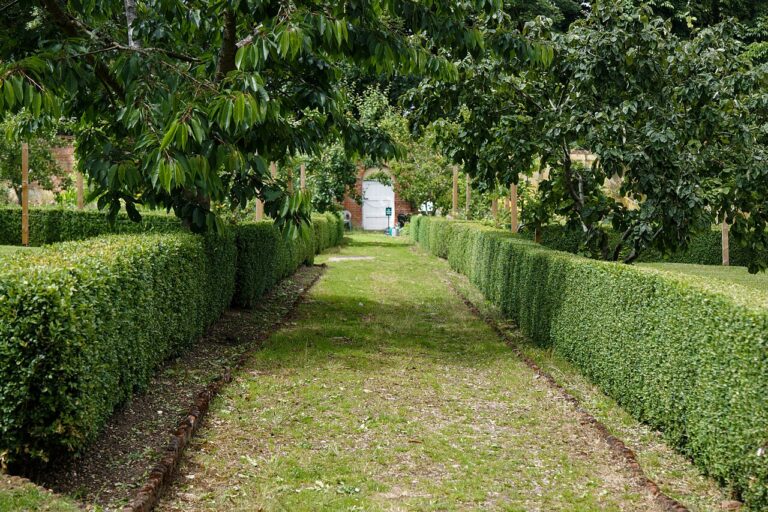
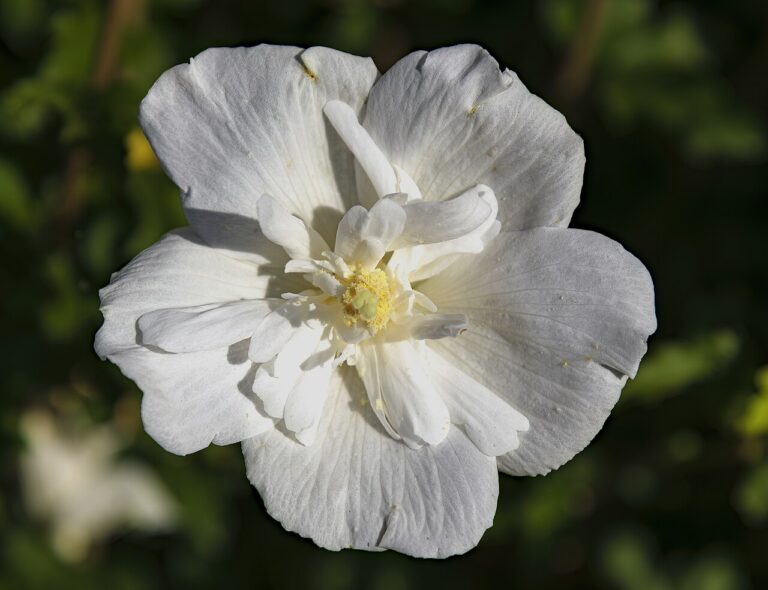
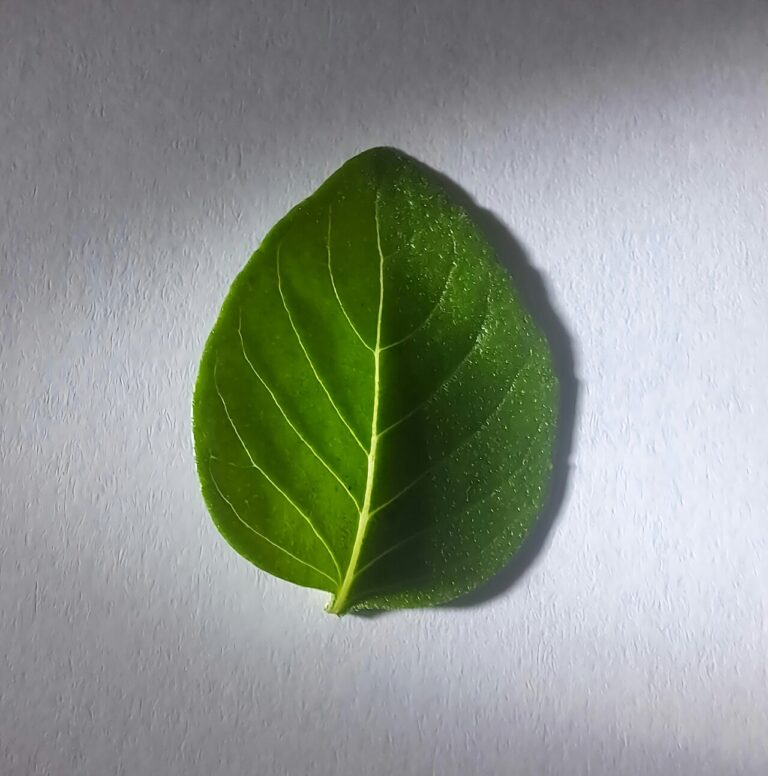
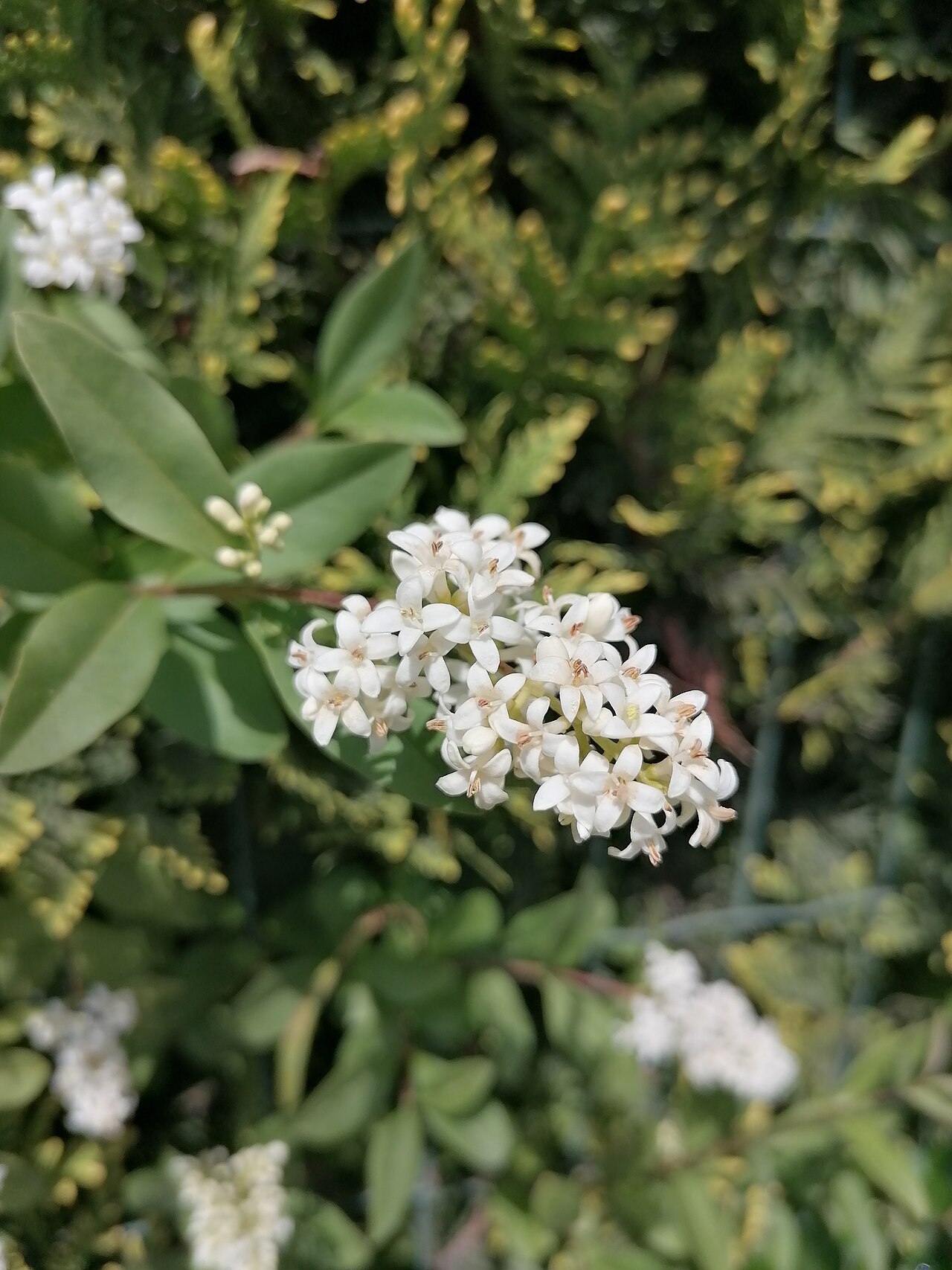
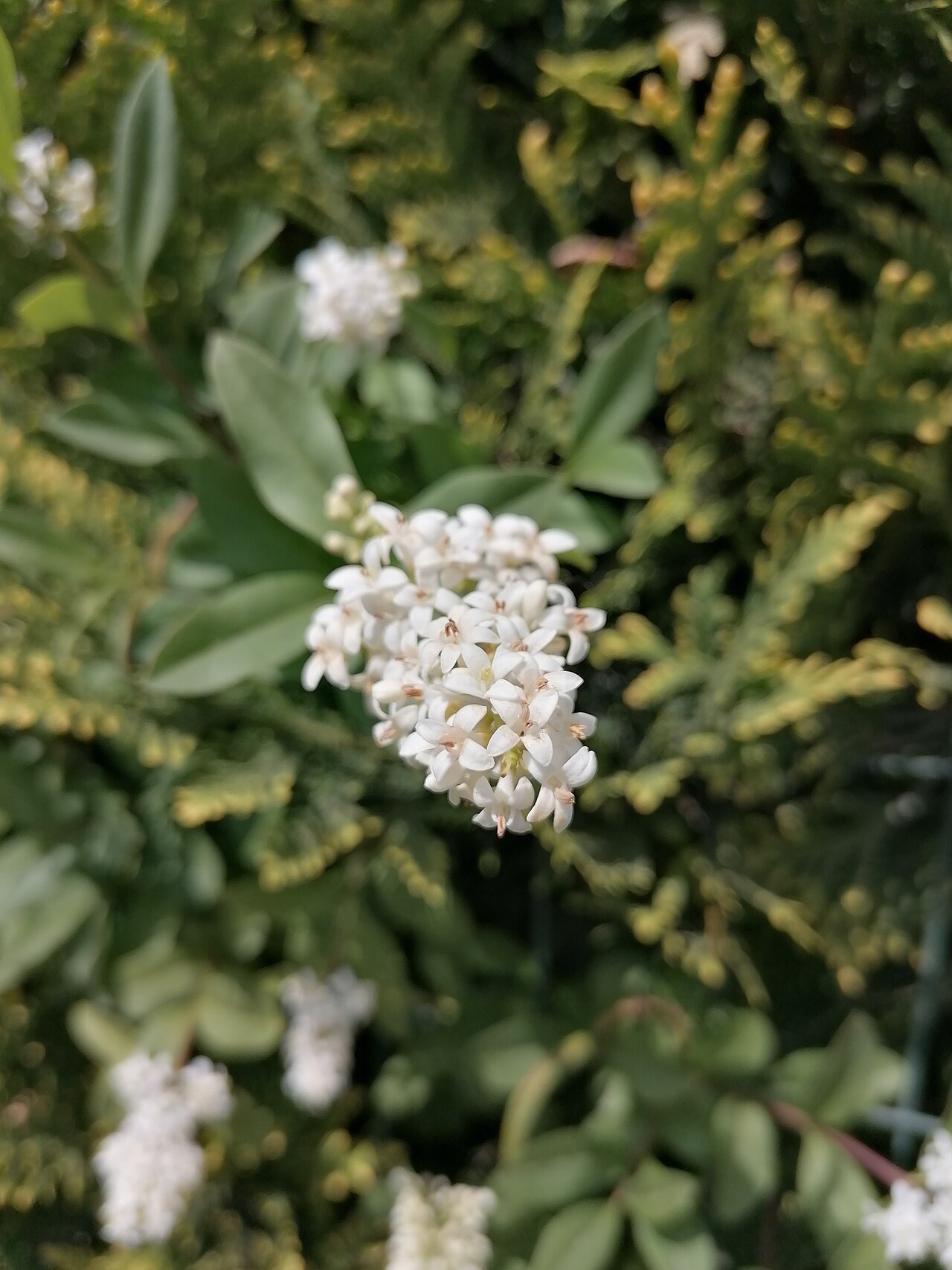
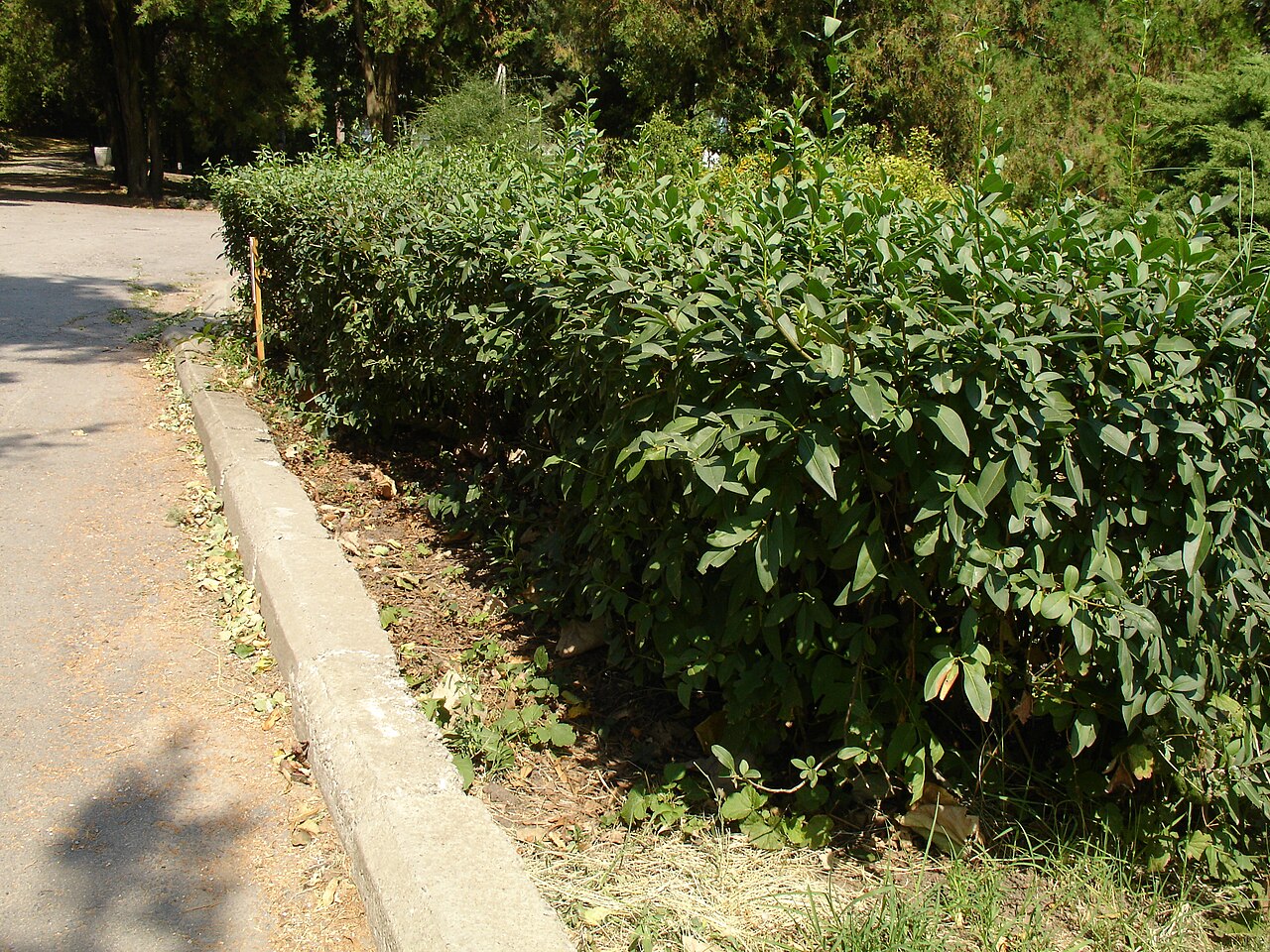
Privet (Ligustrum species) has been a go-to hedging plant for well over a century, and for good reason: it grows quickly, tolerates hard clipping, and forms a dense, uniform screen that blocks both view and wind. Common privet and its evergreen relatives such as Ligustrum ovalifolium and Ligustrum japonicum produce small, glossy oval leaves on closely branching stems, and small clusters of white flowers in early summer if the hedge is allowed to bloom before its first trim of the season.
Planting for a Solid Screen
Privet is unfussy about soil, tolerating anything from chalky to clay ground as long as drainage is adequate, and it copes well with urban pollution and coastal exposure. For a dense hedge, plant bare-root or pot-grown privet 30–45 cm apart in a single staggered row, or two offset rows 40 cm apart for an extra-thick screen. Bare-root plants are best installed during the dormant season from autumn to early spring; container-grown plants can go in at almost any time if watered well afterward.
Water new plantings regularly through their first one to two growing seasons until the root system is established. A yearly spring feed with a balanced, nitrogen-leaning fertilizer supports the vigorous new growth privet needs to fill in as a hedge.
Trimming for Density
The key to a thick, leafy privet hedge is trimming hard and early. After planting, cut young plants back by around one-third to encourage branching from low down, rather than letting them grow tall and bare at the base first. Once established, privet needs frequent trimming through the growing season, typically two to three times between late spring and late summer, to maintain a crisp shape, since it puts out vigorous new growth quickly. Shape the hedge slightly narrower at the top than the base so that light reaches the lower branches and prevents them from thinning out and going bare.
Avoid trimming while birds may be nesting in the hedge, generally March through August in temperate climates, or check carefully beforehand.
Common Problems
- Bare, leggy bases: usually the result of trimming only the top and sides without hard early shaping; hard-prune the lower portion in spring to force new growth from the base.
- Leaf spot and thrips: occasional cosmetic issues in humid, crowded conditions; improve airflow by not over-planting and by keeping the hedge from becoming too wide.
- Honey fungus and privet rust: less common but can affect stressed or waterlogged hedges; ensure good drainage and remove and dispose of badly affected material.
Propagation
Privet is easy and inexpensive to propagate from hardwood cuttings, which is how most hedging plants are grown commercially. Take 20–25 cm cuttings of the current year’s growth in autumn after leaf fall (for deciduous types) or in late autumn for evergreen types, strip the lower leaves, and insert them two-thirds deep into a sheltered nursery bed or pots of free-draining compost. Left undisturbed over winter, a good proportion will have rooted by the following spring and can be grown on or planted directly into their hedge line.
This article may contain affiliate links. If you purchase a product through one of these links, Plantgecko may earn a commission at no extra cost to you. This never influences our editorial independence or which products we recommend.