Clematis Planting and Care: The Queen of Climbing Plants
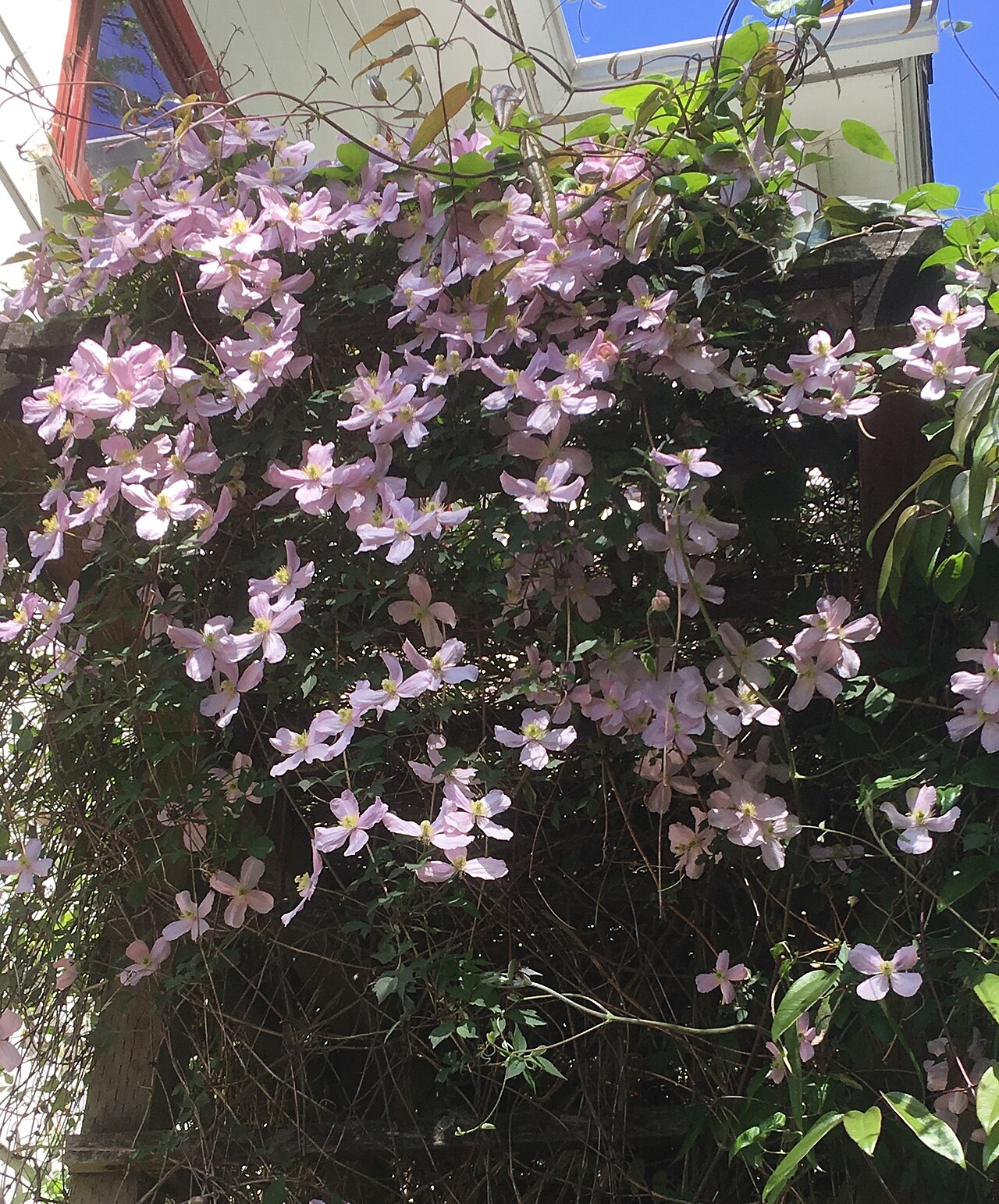
A Climber for Every Season
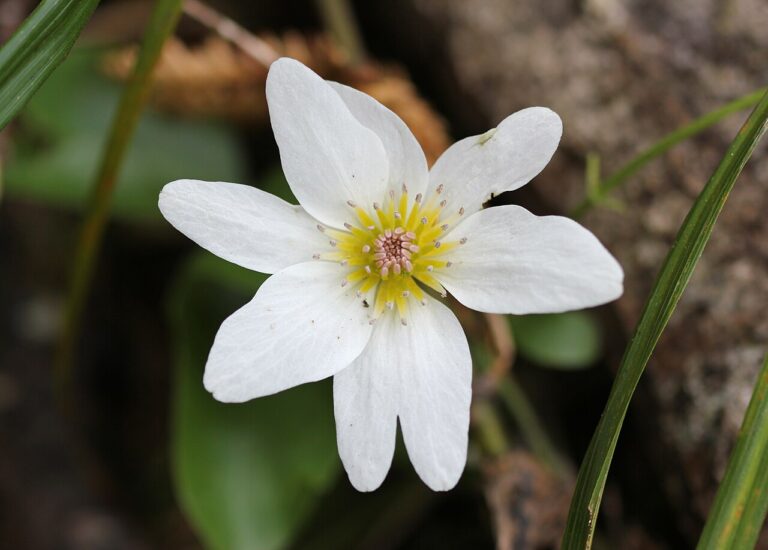
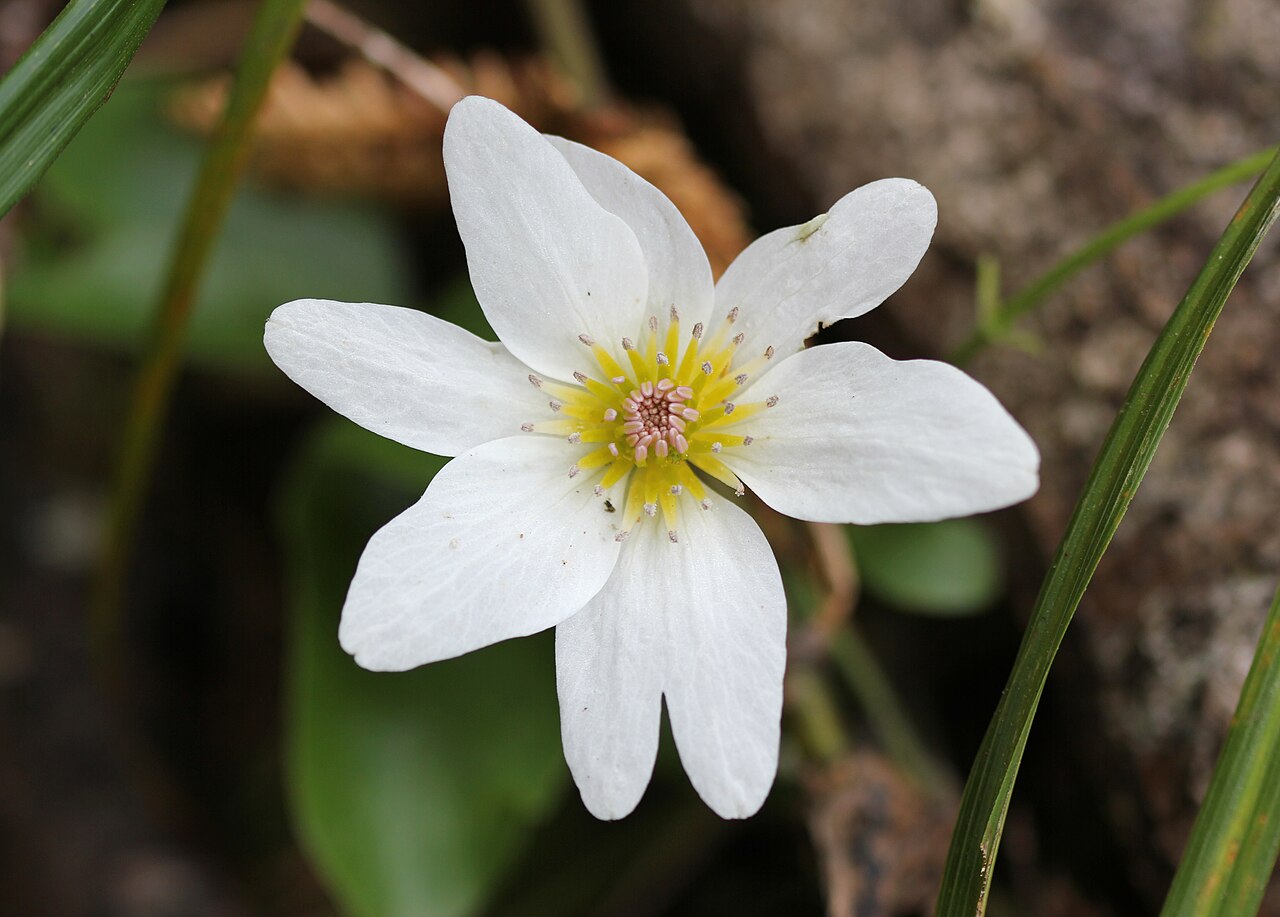
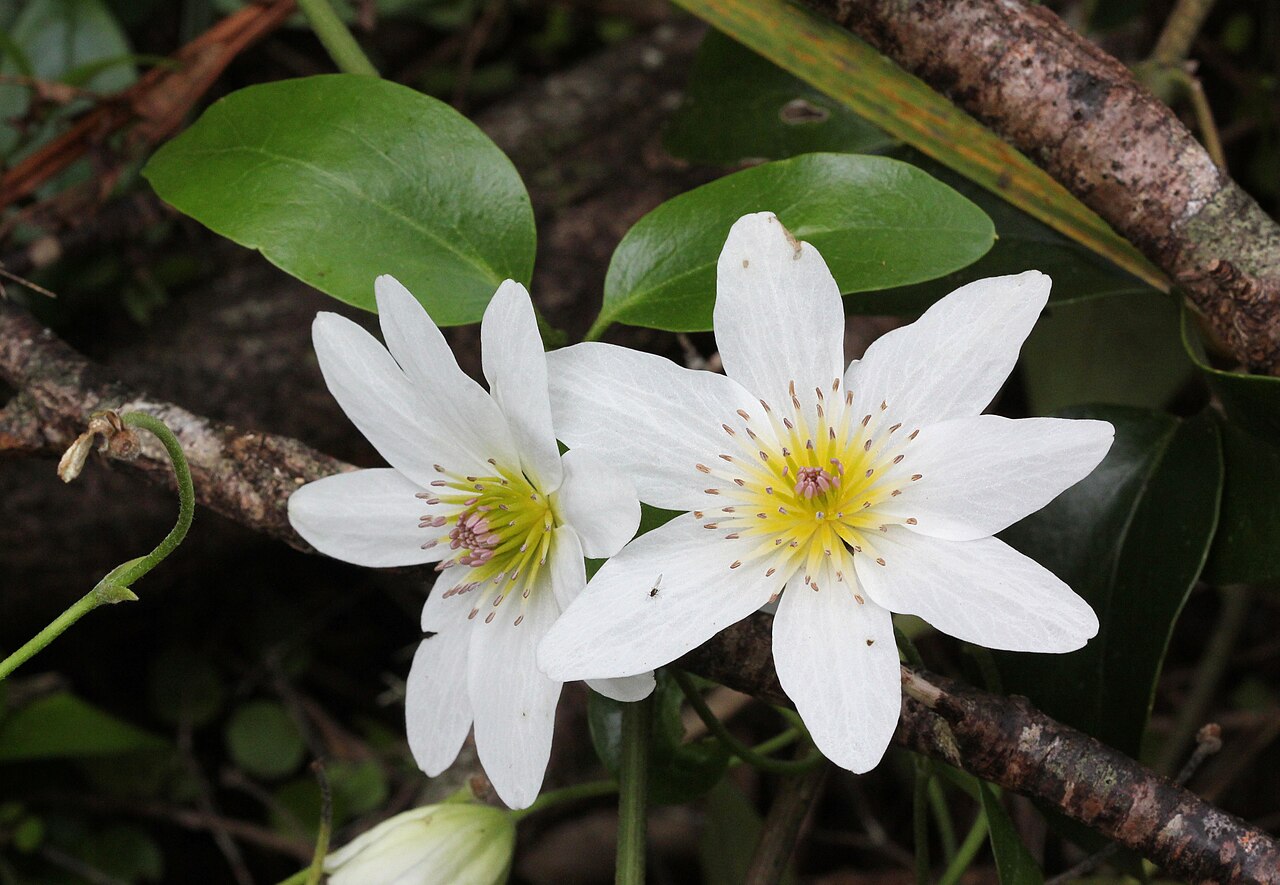
Clematis has earned its nickname “queen of climbers” thanks to the sheer range of flower shapes, sizes, and colours available across its hundreds of species and cultivars, from the huge, saucer-like blooms of large-flowered hybrids to the small, bell-shaped flowers of species types like Clematis alpina and Clematis viticella. With careful selection, it is possible to have a clematis in flower somewhere in the garden from early spring through autumn. They climb by twisting their leaf stalks (petioles) around supports rather than by tendrils or suckers, so they need something narrow to grip, such as wire, trellis, or twiggy growth.
Planting: Cool Roots, Sunny Top
The classic advice for clematis is “head in the sun, feet in the shade.” The plant generally flowers best with its foliage in good light, but its roots prefer cool, moist, undisturbed soil. Plant clematis 5–8 cm deeper than it sat in its nursery pot; unlike most plants, this deeper planting helps new shoots grow from below ground if the top growth is ever damaged by clematis wilt or frost. Shade the root zone with a flat stone, low shrub, or mulch, and enrich the planting hole with well-rotted compost, since clematis is a hungry plant that benefits from rich, free-draining soil.
Water deeply and regularly, especially in the first two years and during dry spells once established, and apply a balanced fertilizer or top-dress with compost each spring as growth begins.
Pruning by Group
Correct pruning depends entirely on which of the three clematis pruning groups a variety belongs to, and getting this wrong is the most common reason gardeners lose a season’s flowers.
- Group 1 (early, spring-flowering species like C. alpina and C. montana): flower on old wood; prune lightly, only to tidy or control size, right after flowering.
- Group 2 (large-flowered hybrids blooming in early summer, often with a second flush later): flower on old wood first, then new; prune lightly in late winter, removing dead or weak stems back to a strong pair of buds.
- Group 3 (late, summer-to-autumn flowering types like C. viticella and most Jackmanii-type hybrids): flower entirely on new growth; cut the whole plant back hard to 20–30 cm above ground in late winter.
Common Problems
Clematis wilt is the most feared issue: stems suddenly collapse and blacken, usually caused by a fungal infection entering through wounds. Cut affected stems back to healthy tissue or ground level; deep planting means the plant will usually regrow from below. Slugs and snails can shred emerging spring shoots, so protect new growth early in the season. Powdery mildew and aphids are occasional but usually minor problems, addressed by improving air circulation and washing off pests with water.
Propagation
Clematis is propagated from semi-ripe internodal cuttings taken in early summer, using a single leaf node with a short length of stem on either side, rooted in a free-draining cutting mix under humidity. Layering is another reliable method: bury a low stem section in soil, leaving the tip exposed, and it will typically root within a year, ready to be separated from the parent plant.
This article may contain affiliate links. If you purchase a product through one of these links, Plantgecko may earn a commission at no extra cost to you. This never influences our editorial independence or which products we recommend.