Clematis Pruning and Care: The Complete Guide
Know Your Pruning Group
Clematis is one of the most rewarding climbers you can grow, but its pruning needs confuse many gardeners because different varieties are pruned in completely different ways. Clematis are divided into three pruning groups, and identifying which group your plant belongs to is the key to getting it right.
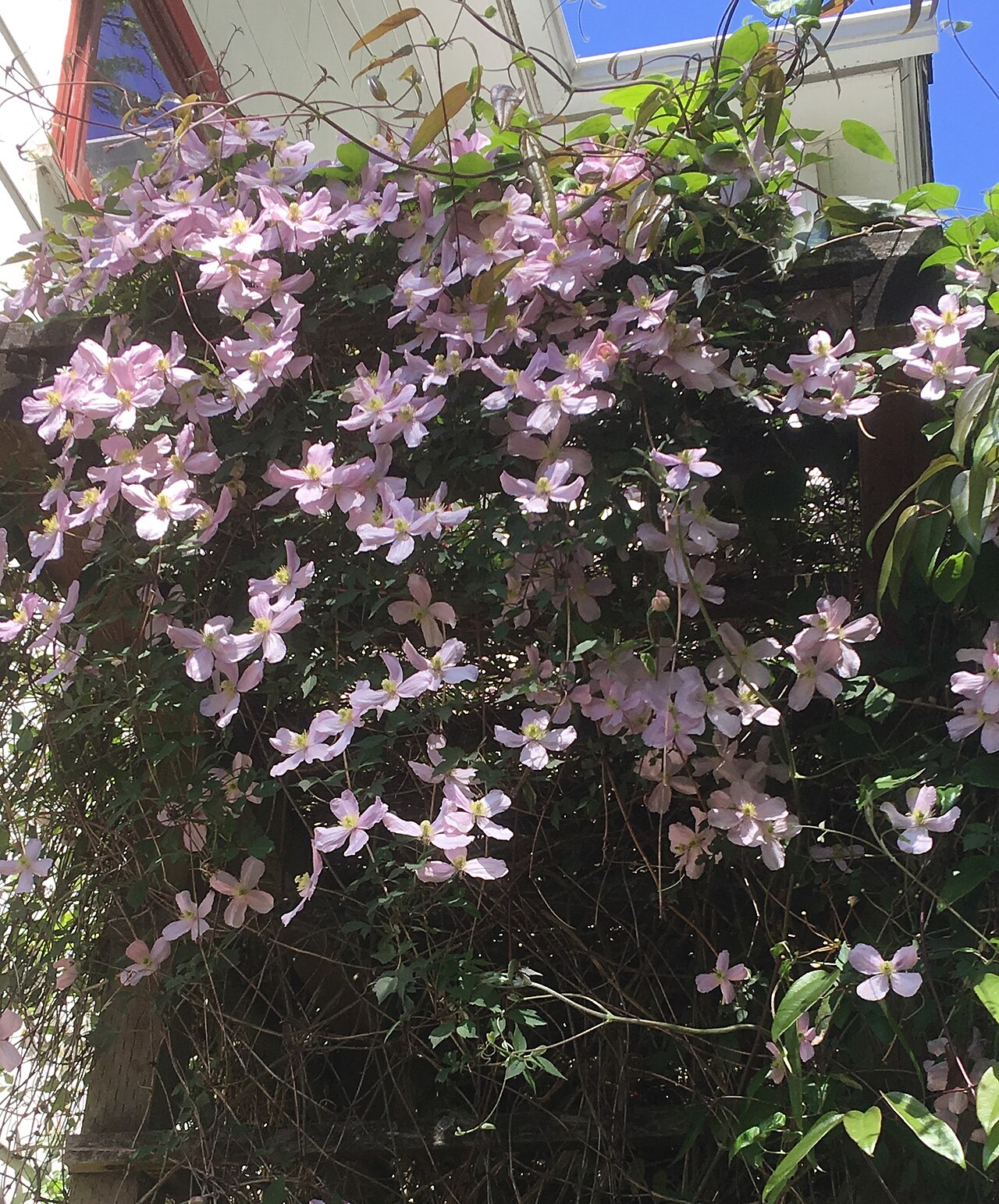
- Group 1 — early, spring-flowering species such as Clematis montana and Clematis alpina. These bloom on old wood from the previous year and need little to no pruning; just tidy them up after flowering to control size.
- Group 2 — large-flowered hybrids that bloom in late spring and again in late summer on both old and new growth. Prune lightly in late winter, removing dead or weak stems and cutting the rest back to a strong pair of buds.
- Group 3 — late, summer-to-autumn flowering varieties such as Clematis viticella and the Jackmanii types, which flower entirely on new growth. These are cut back hard, to about 20–30 cm above the ground, in late winter or early spring.
If you inherit a clematis and don’t know its group, watch it through one full flowering season before pruning. When in doubt, a light prune is safer than a hard one, since over-pruning a Group 1 variety will remove the flower buds for that year.
Planting and Site Requirements
Clematis famously like their “head in the sun and feet in the shade.” Choose a spot where the top of the vine can climb into good light, but shade the root zone with mulch, low shrubs, or flat stones to keep the soil cool and moist. Plant slightly deeper than the pot was growing — about 5–8 cm below the original soil line — which encourages new shoots to form below ground and helps the plant recover if it is ever affected by clematis wilt.
The soil should be fertile, well-drained, and neutral to slightly alkaline. Work in compost or well-rotted manure at planting time, and provide a sturdy trellis, wires, or netting for the tendrils to grip, since clematis climbs by wrapping its leaf stalks around supports rather than clinging on its own.
Watering, Feeding, and Common Problems
Clematis are thirsty plants, especially when grown against walls or fences where rain rarely reaches the roots. Water deeply and regularly during the growing season. Feed in spring with a balanced or potassium-rich fertilizer to encourage flowering, and top-dress with compost annually.
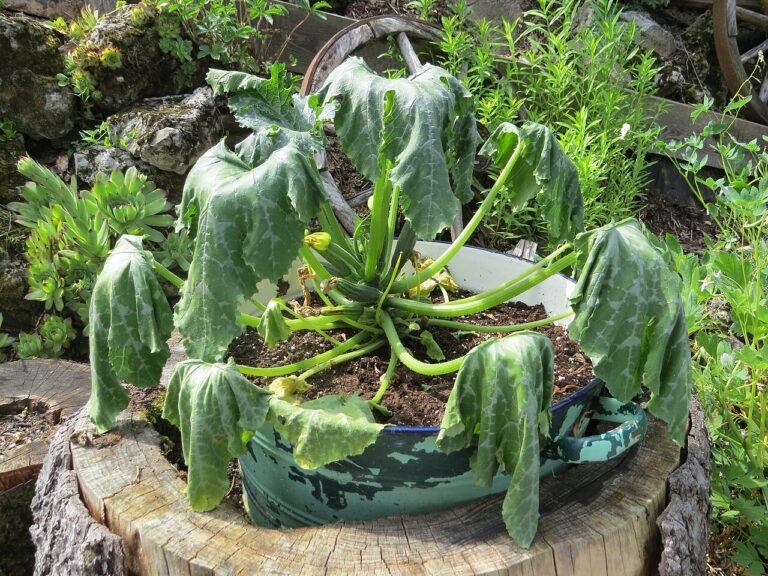
The most serious problem is clematis wilt, a fungal disease that causes stems to blacken and collapse suddenly, usually in late spring. Cut affected stems back to healthy tissue at or below soil level; deeply planted vines often resprout from below ground. Powdery mildew and slug damage on young shoots are other common issues, both manageable with good airflow and by protecting new growth in early spring.
This article may contain affiliate links. If you purchase a product through one of these links, Plantgecko may earn a commission at no extra cost to you. This never influences our editorial independence or which products we recommend.