Cherry Laurel Pruning: The Complete Guide
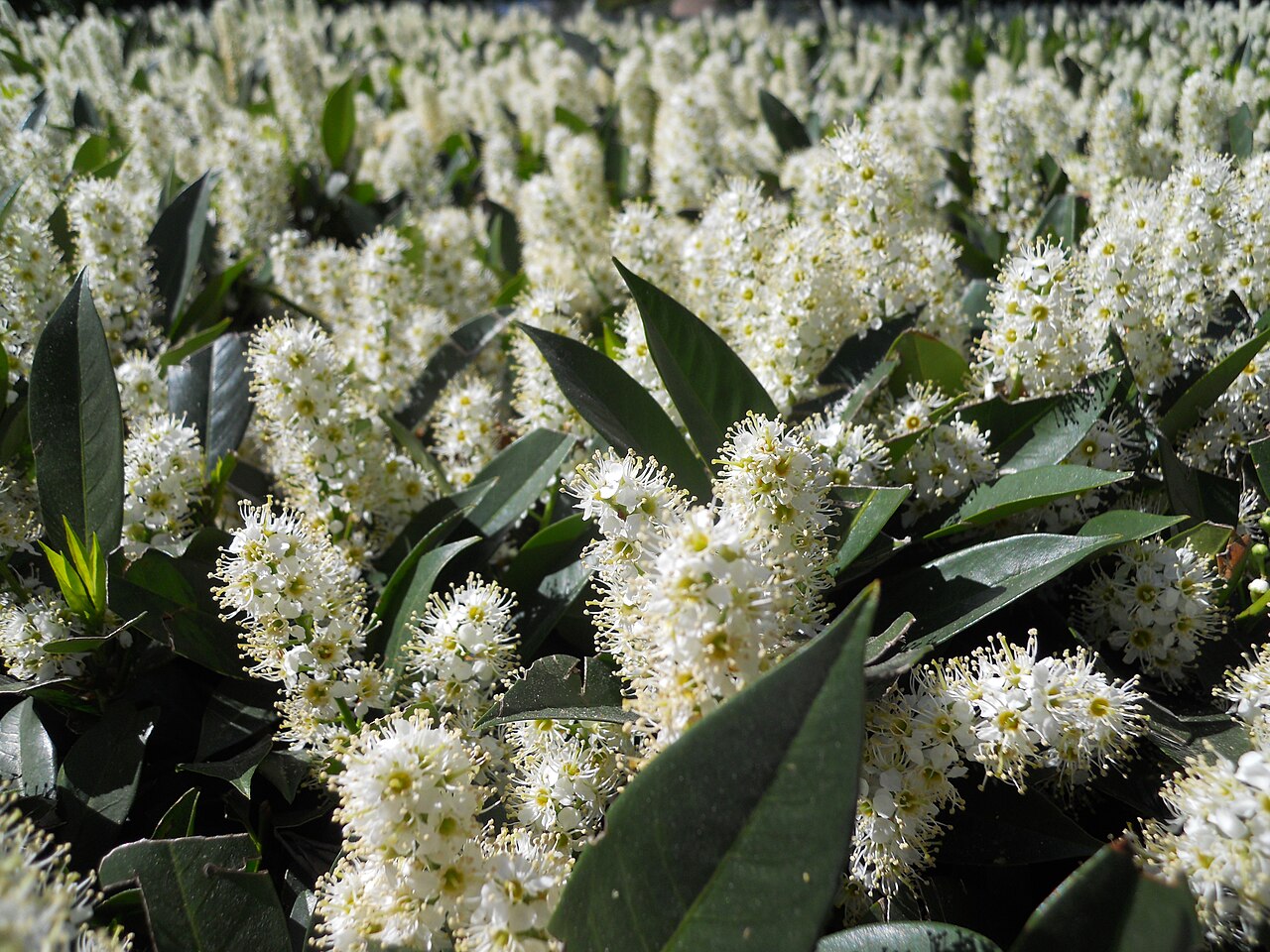
When to Prune Cherry Laurel
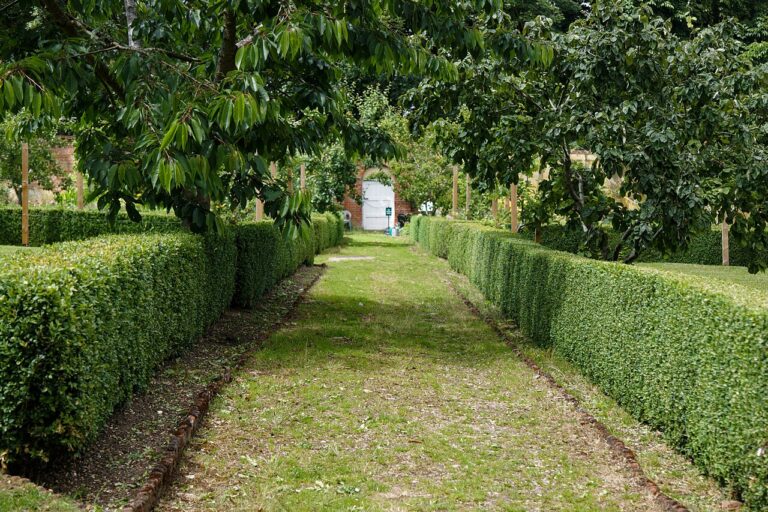
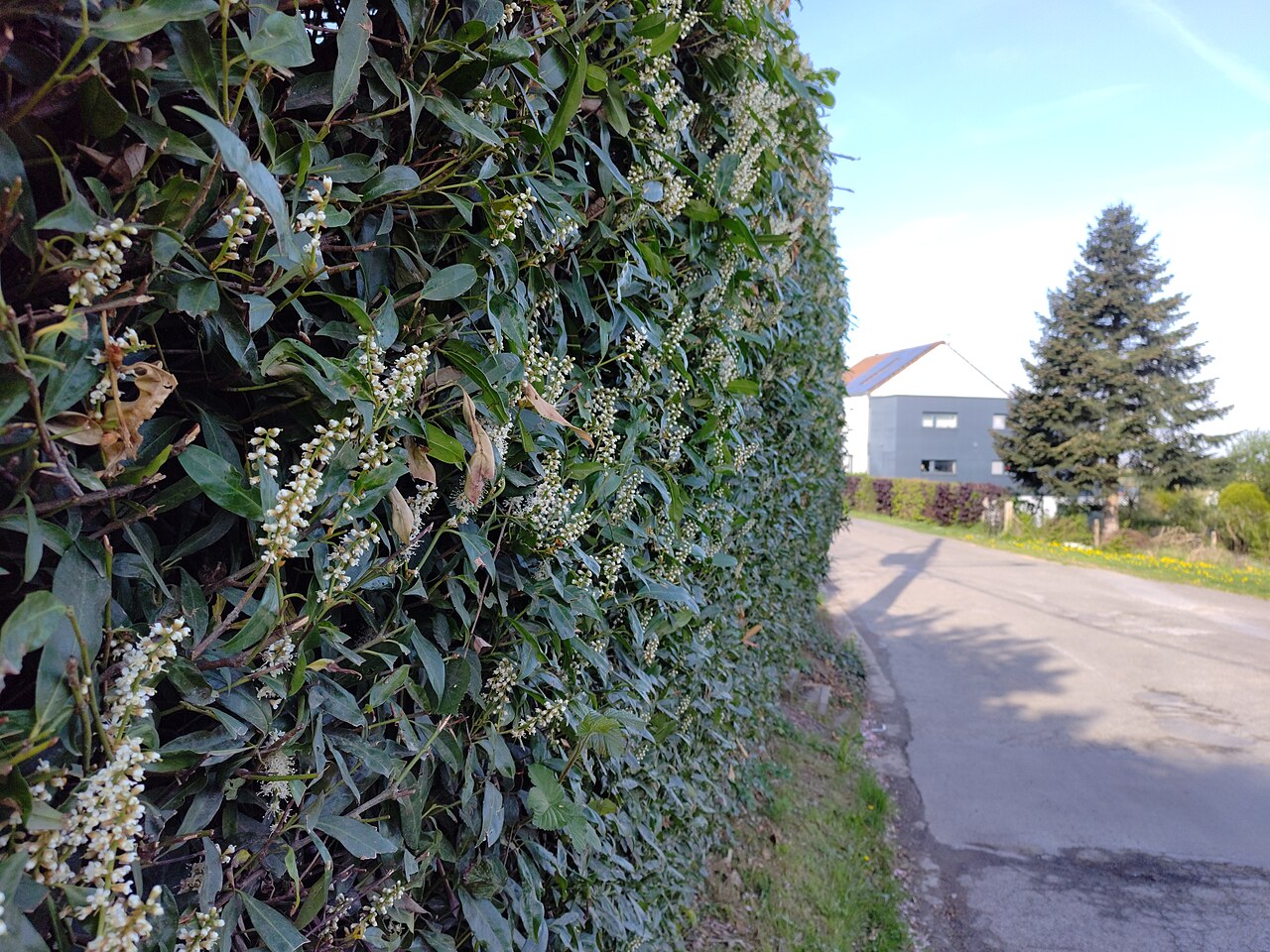
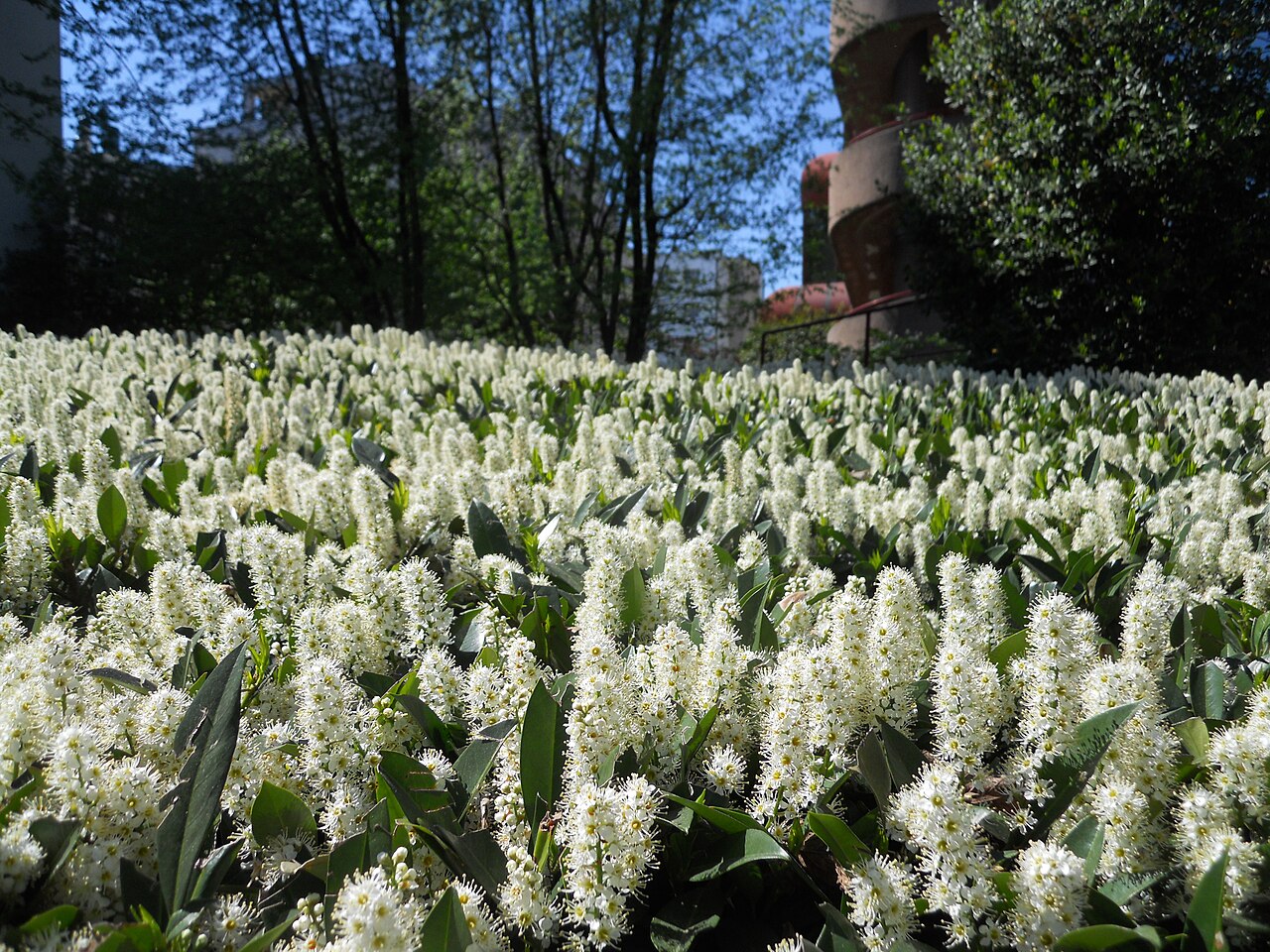
Cherry laurel (Prunus laurocerasus) is a fast-growing evergreen shrub prized for its dense, glossy foliage and reliability as a privacy hedge. The best time to prune is late spring to early summer, after the main flush of new growth has hardened off but before the plant sets next year’s flower buds. A light tidy-up in late summer is also fine. Avoid pruning in hard frost, since fresh cuts can be damaged by cold, and avoid major cuts during the hottest part of summer, which can stress the plant.
In many regions, cherry laurel hedges benefit from two prunings a year: one shaping cut in late spring and a lighter maintenance trim in early autumn. Established hedges that have gotten out of hand can be renovated in early spring, just before growth resumes, since the shrub tolerates hard cutting back remarkably well.
Tools and Technique
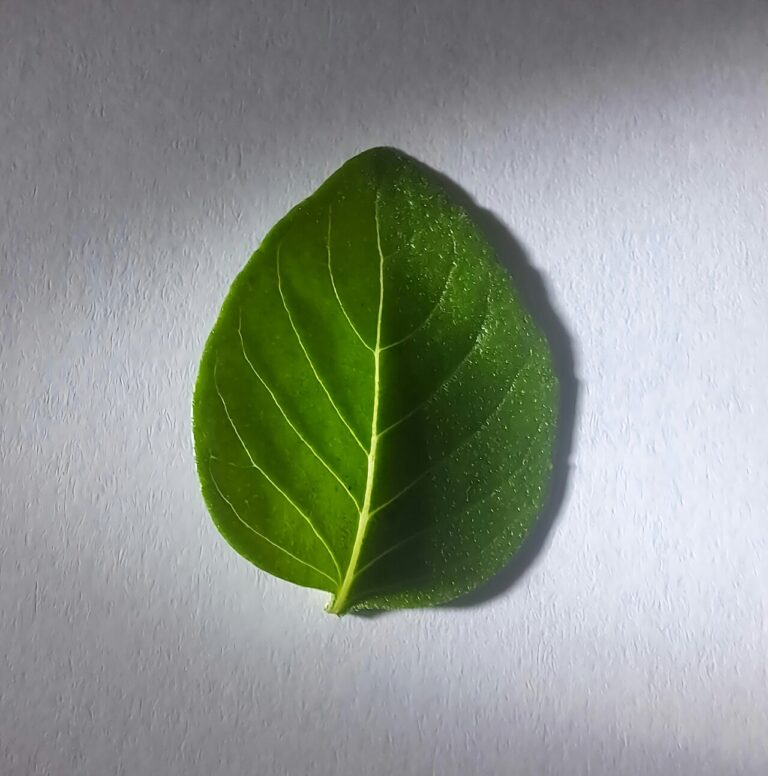
Because cherry laurel has large, broad leaves, using electric or petrol hedge trimmers often shreds the leaf blades, leaving unsightly brown edges that can persist for weeks. For the best appearance, prune individual stems with sharp bypass secateurs or loppers, cutting just above a leaf node. This takes longer but keeps the foliage looking clean and reduces the risk of disease entering through torn tissue. If you do use power trimmers on a large hedge, make sure the blades are sharp and clean them with rubbing alcohol between hedges to avoid spreading disease.
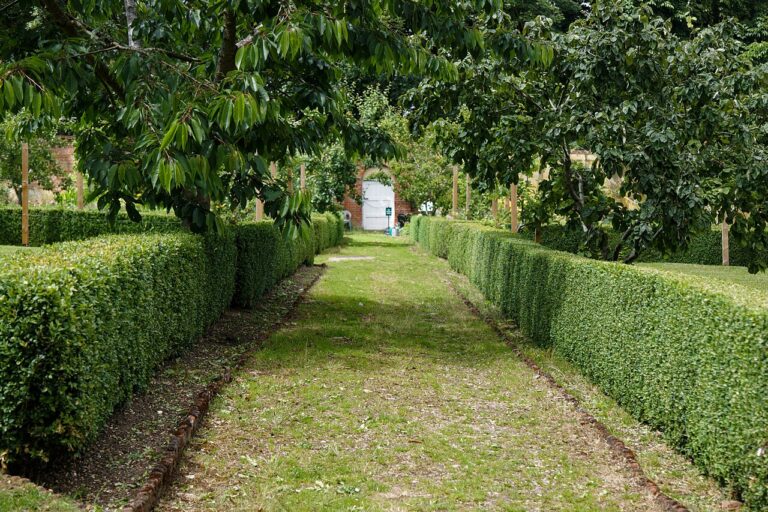
- Cut hedges with a slight taper — narrower at the top, wider at the base — so sunlight reaches the lower branches and prevents bare legs.
- Remove any dead, damaged, or crossing branches first before shaping.
- Step back frequently to check the line of the hedge as you work.
- Rake up and dispose of fallen leaves and clippings, as cherry laurel is susceptible to a leaf spot fungus that can overwinter in debris.
Renovating an Overgrown Hedge
If a cherry laurel hedge has become too tall, too wide, or bare at the base, it can be cut back hard into old wood. Because the entire plant is toxic if ingested (the leaves and seeds contain cyanogenic compounds), always wear gloves and keep pets and children away from clippings. Cut the hedge back to 30–60 cm below the desired final height in early spring; new shoots will emerge from dormant buds along the old stems within a few weeks. It is best to renovate one side of a very large hedge one year and the other side the following year, so the plant is never left completely without leaves.
Aftercare
After a hard prune, feed the hedge with a balanced, slow-release fertilizer and water well during dry spells to support recovery. A layer of mulch around the base helps retain moisture and suppress weeds. With good aftercare, cherry laurel typically regenerates vigorously and will fill back in within one to two growing seasons.
This article may contain affiliate links. If you purchase a product through one of these links, Plantgecko may earn a commission at no extra cost to you. This never influences our editorial independence or which products we recommend.