Hibiscus (Rose of Sharon) – Planting, Care, and Overwintering
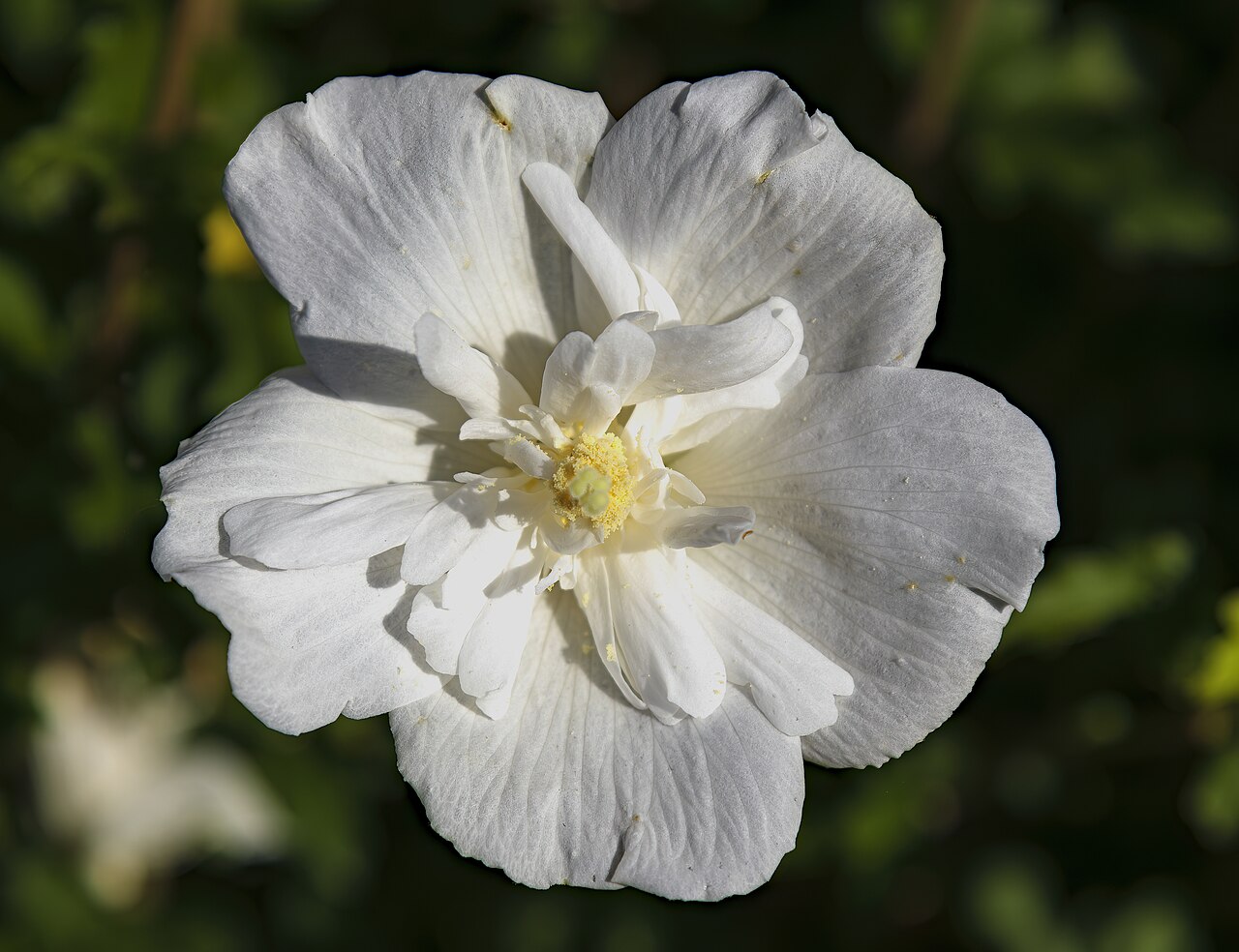
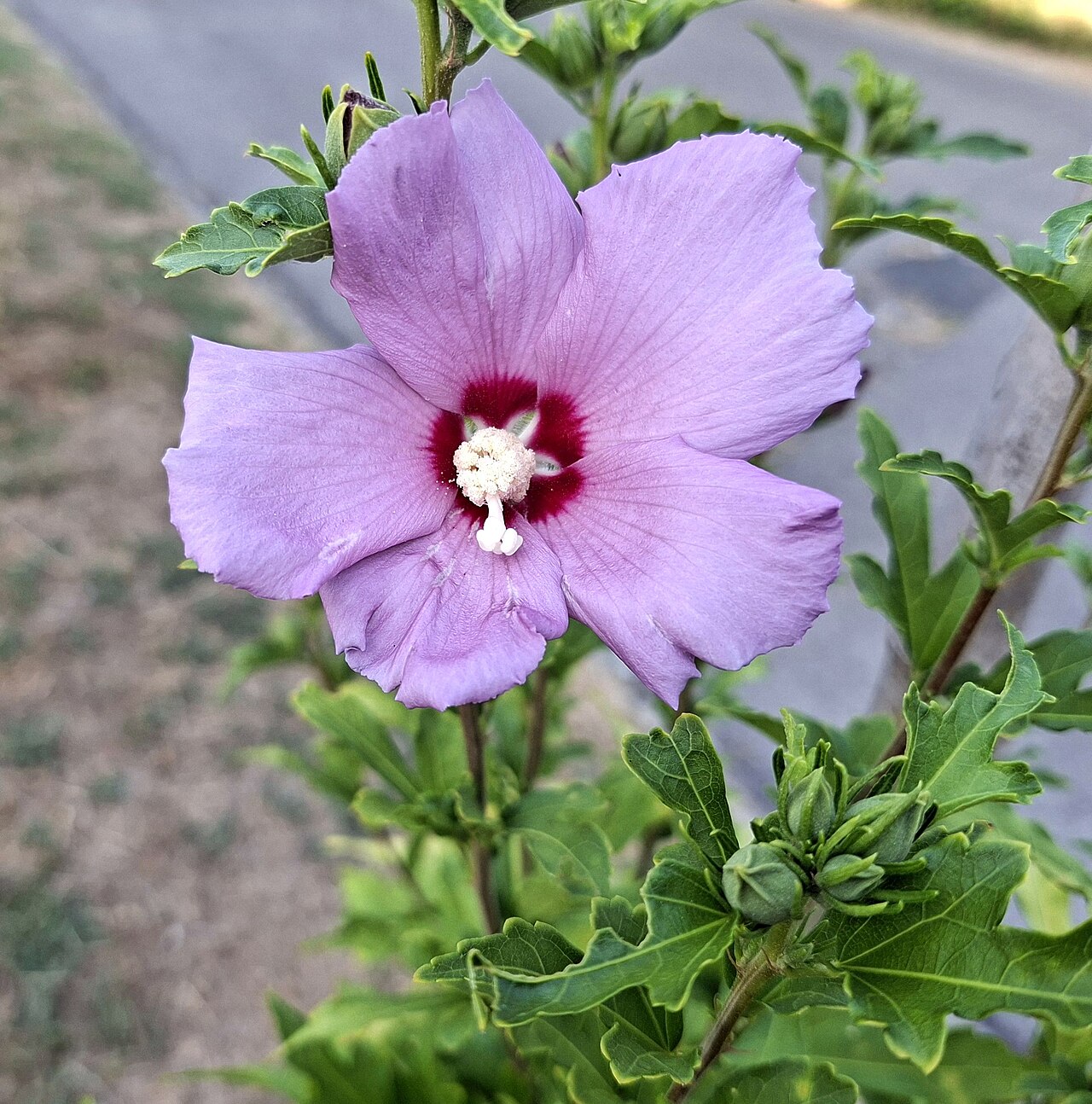
Rose of Sharon (Hibiscus syriacus), also known as shrub hibiscus, brings a touch of tropical flair to the garden with its large, exotic-looking flowers. From July to October, new blooms open every day in white, pink, blue, or violet, often with a striking dark red eye at the center. This winter-hardy shrub is both low-maintenance and long-lived.
Location and Planting
Hibiscus loves the sun. A spot in full sun, sheltered from wind, guarantees the most abundant flowering. The soil should be nutrient-rich, humus-rich, and well-drained. Plant Rose of Sharon in spring, spacing plants at least 1.5 meters (about 5 feet) apart. The planting hole should be twice as wide as the root ball. Work in plenty of compost and water thoroughly after planting.
Care During the Growing Season
Water your hibiscus regularly, especially during flowering and dry spells; the root ball should never dry out completely. From April onward, feed every four weeks with a fertilizer high in phosphorus and potassium, formulated for flowering plants. A mulch layer of compost or bark humus helps retain soil moisture and supplies the plant with nutrients.
Pruning
Rose of Sharon blooms on new wood, so an annual pruning is recommended. Prune the shrub in early spring (March), before new growth begins. Shorten all shoots by about a third and remove weak or crossing branches. This pruning encourages compact growth and generous flowering. On older shrubs, you can also cut a few of the oldest stems right back to the ground.
Overwintering
Rose of Sharon is reliably winter-hardy in Central Europe and can withstand temperatures down to -20°C (-4°F). In the first few years after planting, it helps to mound leaves around the base or cover the root zone with brushwood for extra protection. Potted specimens should be moved to a sheltered spot against a house wall, with the pot wrapped in fleece or burlap.