Clematis Care and Pruning: The Complete Clematis Guide
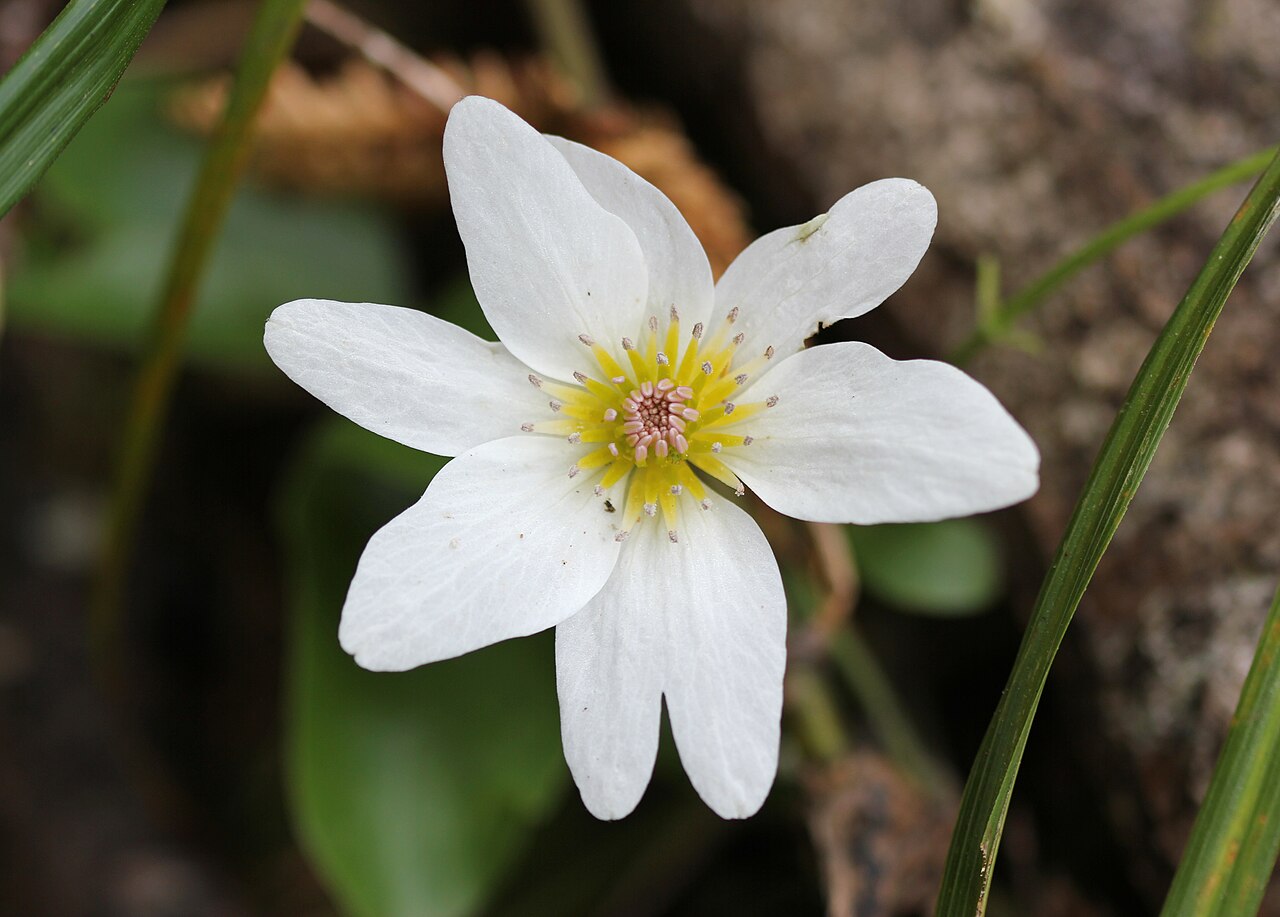
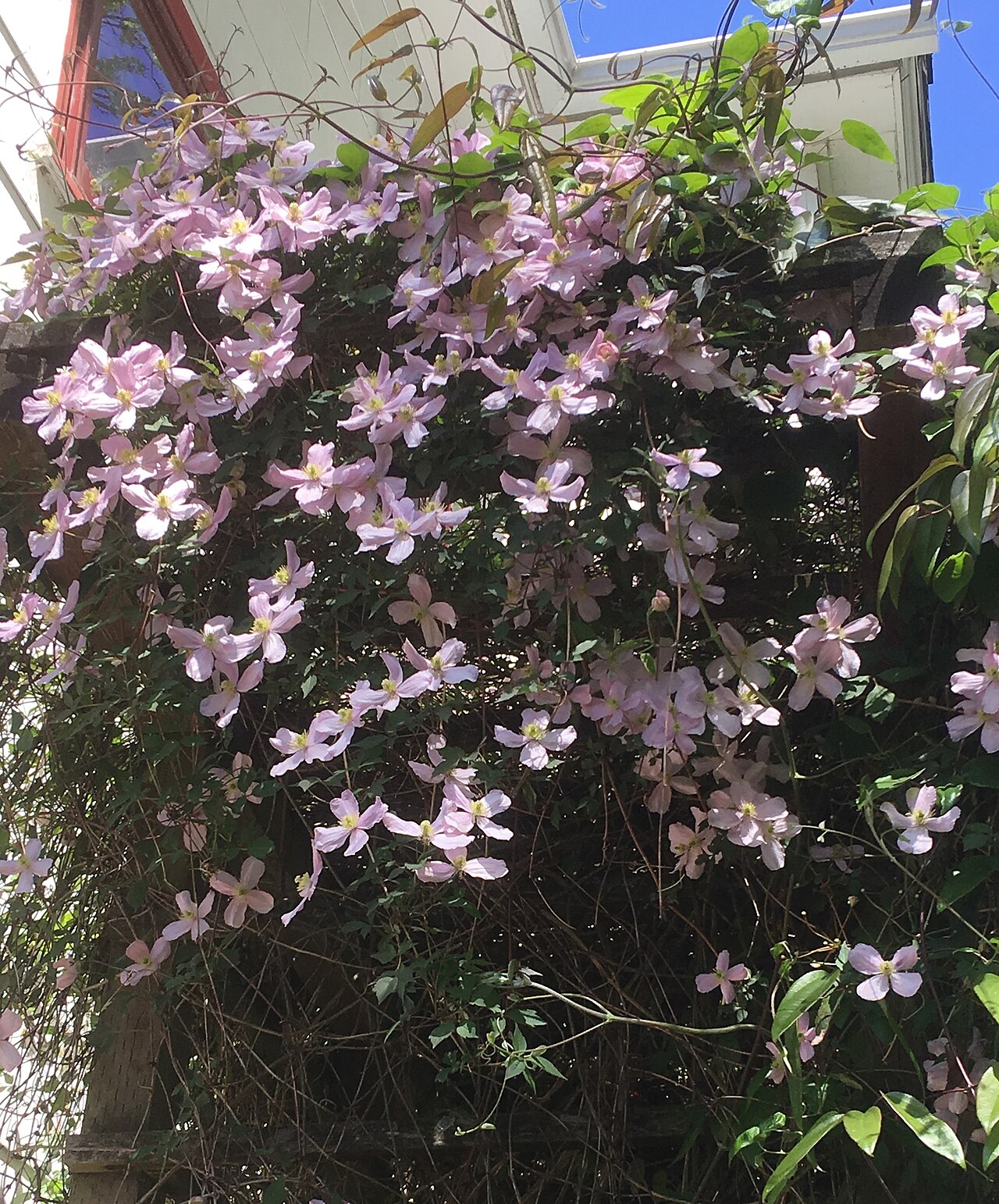
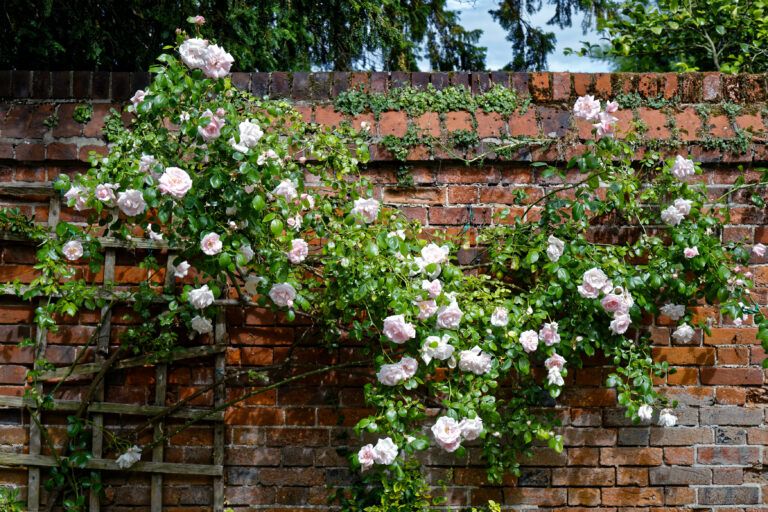
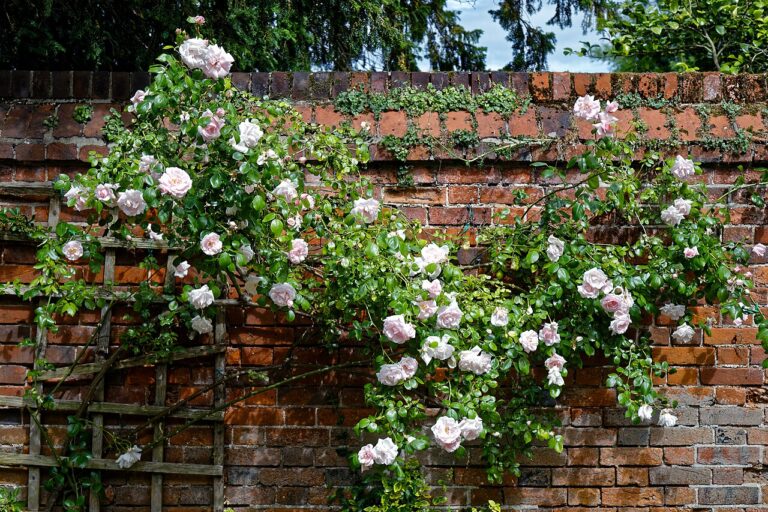
Clematis, often called the queen of climbing plants, is beloved for its plate-sized, star-shaped flowers that bloom in nearly every color of the rainbow. It transforms fences, pergolas, and house walls into flowering works of art. The key to abundant blooms is proper care — and, above all, correct pruning.
The Three Clematis Pruning Groups
Clematis pruning is a mystery to many gardeners, but it is actually simple once you know which pruning group your variety belongs to:
| Pruning Group | Flowering Time | When to Prune | Examples |
|---|---|---|---|
| Group 1 (no pruning) | April–May | After flowering, thin out only | C. montana, C. alpina |
| Group 2 (light pruning) | May–June & Aug–Sep | February/March, cut back by a third | C. ‘Nelly Moser’, C. ‘The President’ |
| Group 3 (hard pruning) | July–October | February/March, cut to 30 cm (12 in) | C. viticella, C. ‘Jackmanii’ |
Location and Planting
Clematis loves to have its “head in the sun, feet in the shade.” The ideal spot is sunny to partly shaded, while the root zone should stay shaded. Plant low perennials or add a layer of mulch in front of the root area. A wind-sheltered spot is a bonus.
The best time to plant clematis is in late summer or spring. The planting hole should be about 50 cm (20 in) deep and wide. Set the plant 5–10 cm (2–4 in) deeper than it sat in its pot — this protects the sensitive underground buds. Work a generous amount of compost and a bit of horn shavings into the planting hole, then water thoroughly after planting.
Care and Feeding
Clematis are heavy feeders. Fertilize in spring with compost and horn shavings, and add a potassium-rich liquid fertilizer during the flowering period. Water regularly, especially while the plant is in bloom. The soil should stay evenly moist but never waterlogged. An annual layer of leaf-compost mulch supplies nutrients and keeps the root zone cool.
Preventing Clematis Wilt
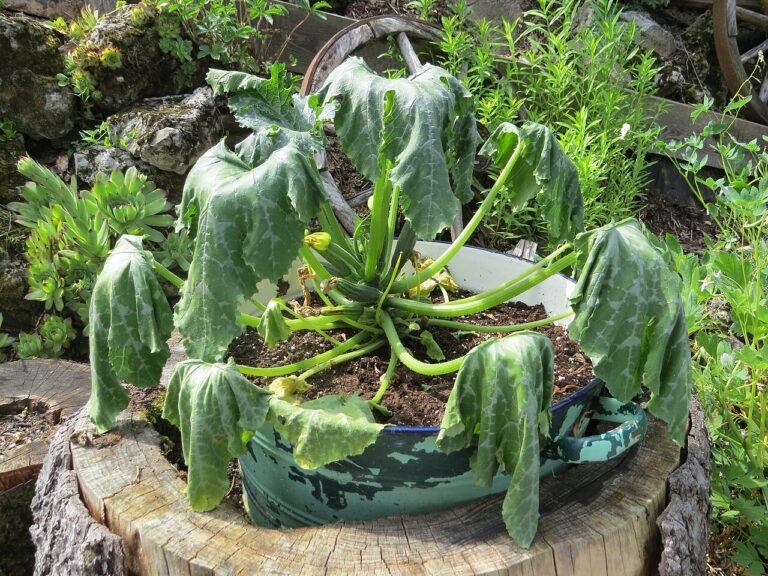
Clematis wilt is a dreaded fungal disease that can kill an entire plant within days. Good prevention includes an open, airy location, well-aerated soil, and planting deep. If a plant is affected, cut it back to ground level — thanks to its deep-set buds, it will usually sprout again.
This article may contain affiliate links. If you purchase a product through one of these links, Plantgecko may earn a commission at no extra cost to you. This never influences our editorial independence or which products we recommend.