Climbing Roses: Romantic Blooms on Walls and Pergolas
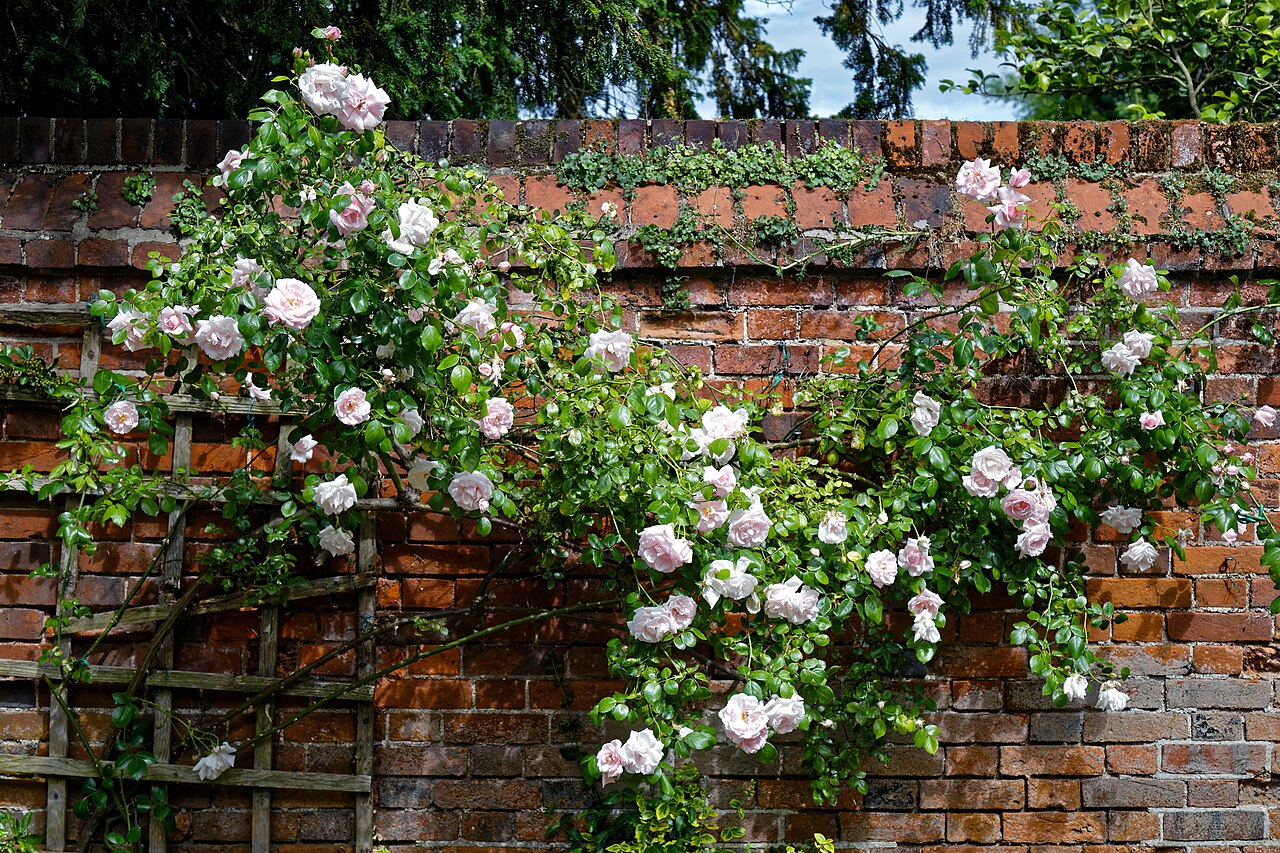
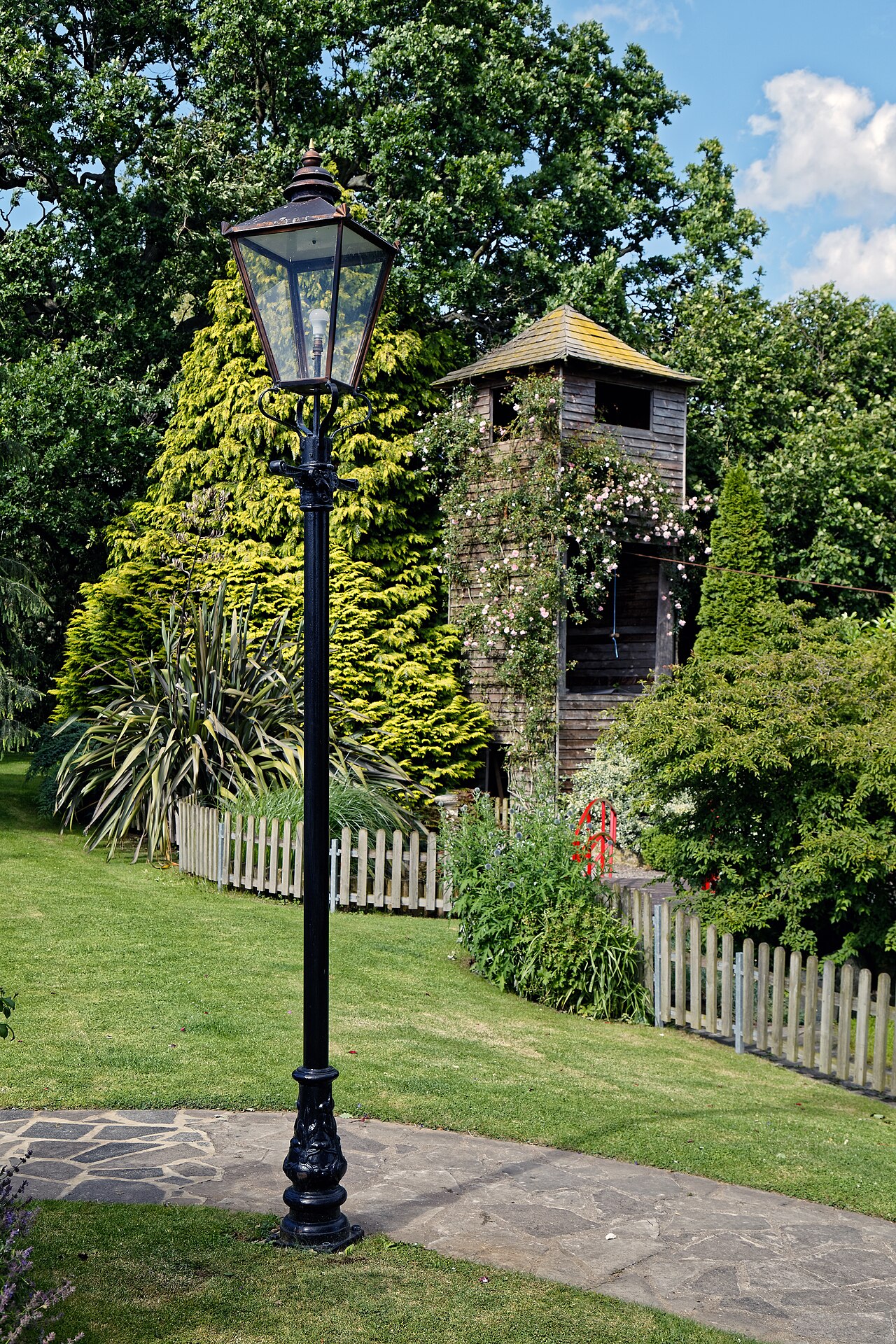
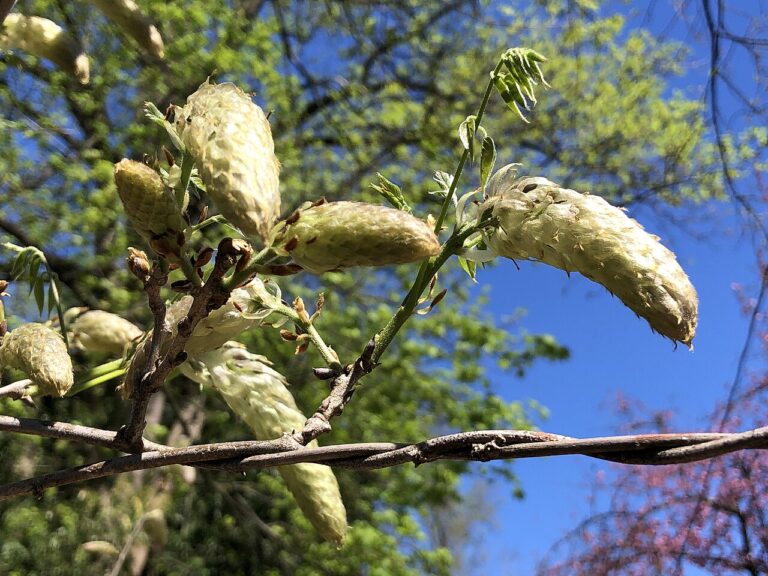
Climbing roses turn any vertical surface into a romantic floral paradise. Whether on house walls, rose arches, pergolas, or fences, their lush blooms in white, pink, red, and yellow bring height and drama to any garden. Unlike true climbing plants such as ivy or wisteria, roses have no clinging organs and must be tied to a support.
Climbers vs. Ramblers
Roses with a climbing habit fall into two groups: climbers and ramblers. Climbers reach heights of two to four meters, usually bloom repeatedly, and produce stiff, sturdy canes. They are ideal for house walls, rose arches, and trellises. Ramblers are their more vigorous relatives: they grow five to ten meters tall, produce long, flexible canes, and typically bloom just once, but with tremendous abundance. They are excellent for covering old trees, large pergolas, or sprawling trellis structures.
Planting and Location
The ideal spot for climbing roses is sunny to partially shaded with good air circulation, which helps prevent fungal diseases such as powdery mildew and black spot. The soil should be deep, nutrient-rich, and well-draining. A planting distance of at least 50 centimeters from the house wall is important, since the air near a wall is often too dry and rain doesn’t reach the root ball adequately. The graft union should sit about five centimeters below the soil surface. A generous starter feeding with compost or rose fertilizer helps the plant establish.
Tying, Training, and Pruning
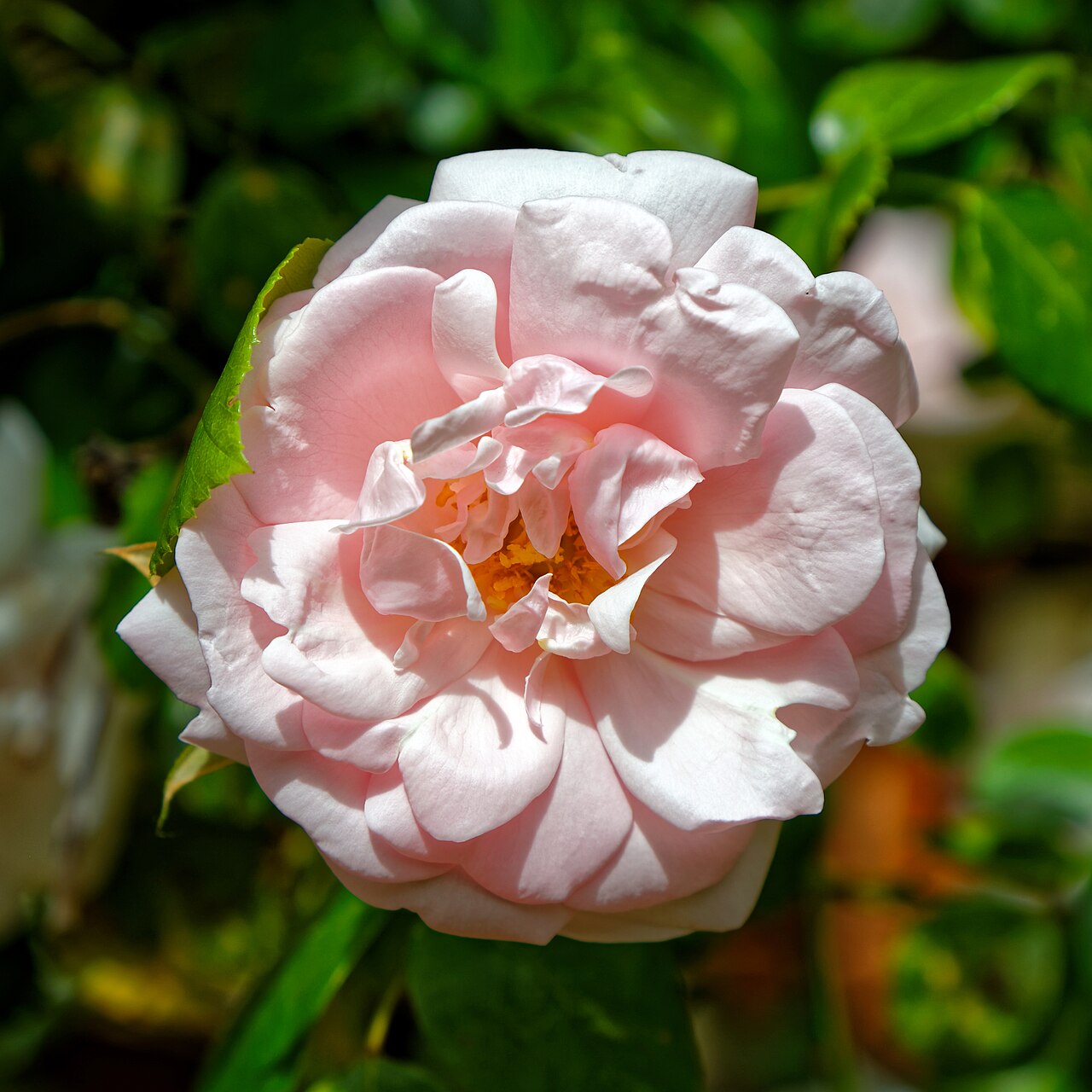
Tying the canes horizontally is key to abundant flowering — branches trained horizontally produce blooms along their entire length. Tying material should be soft and flexible so it doesn’t cut into the bark. The main pruning takes place in spring before new growth starts, removing dead, diseased, or overcrowded canes. For repeat-flowering varieties, deadheading spent blooms encourages a second flush. Popular varieties include the fragrant, soft pink ‘New Dawn’, the vivid red ‘Sympathie’, and the historic white ‘Madame Alfred Carrière’.