Wisteria: Growing the Blooming Dream in Blue and Purple
A Spectacular but Demanding Climber
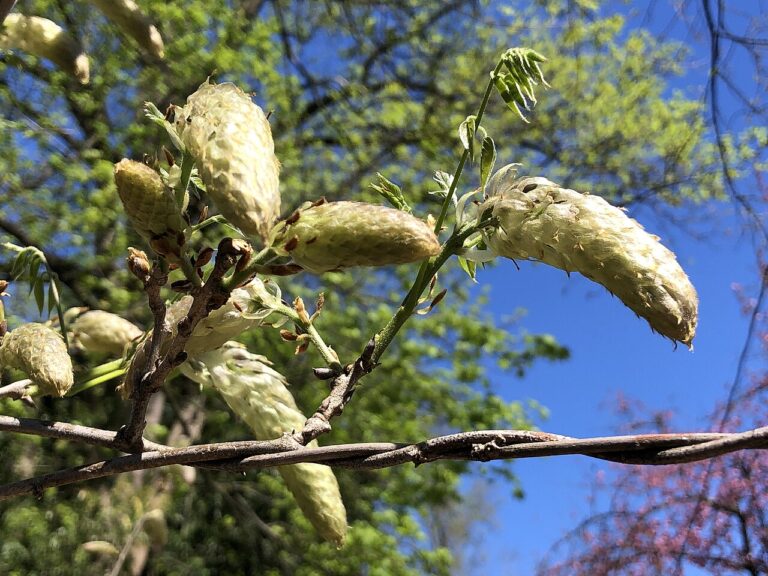
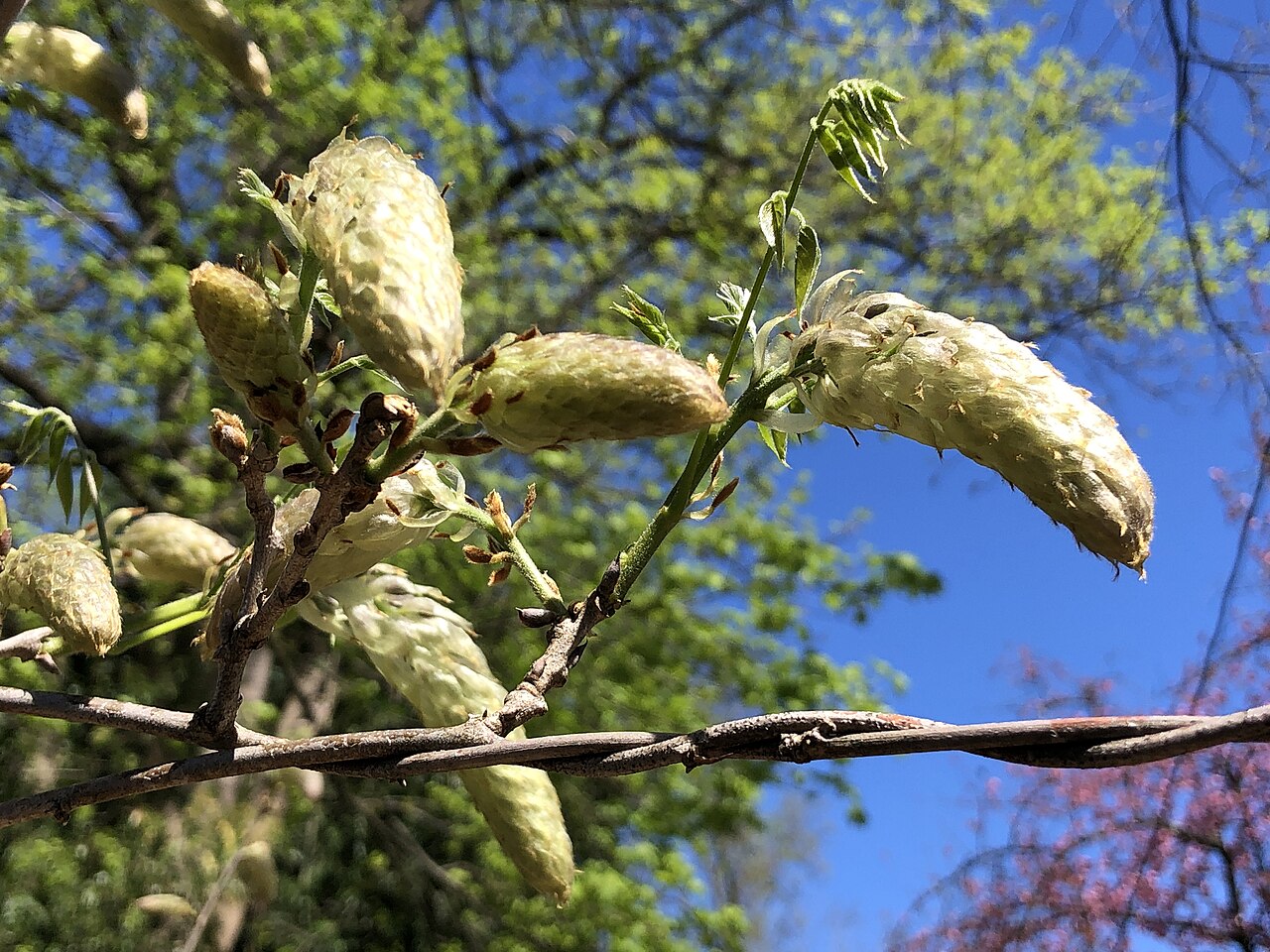
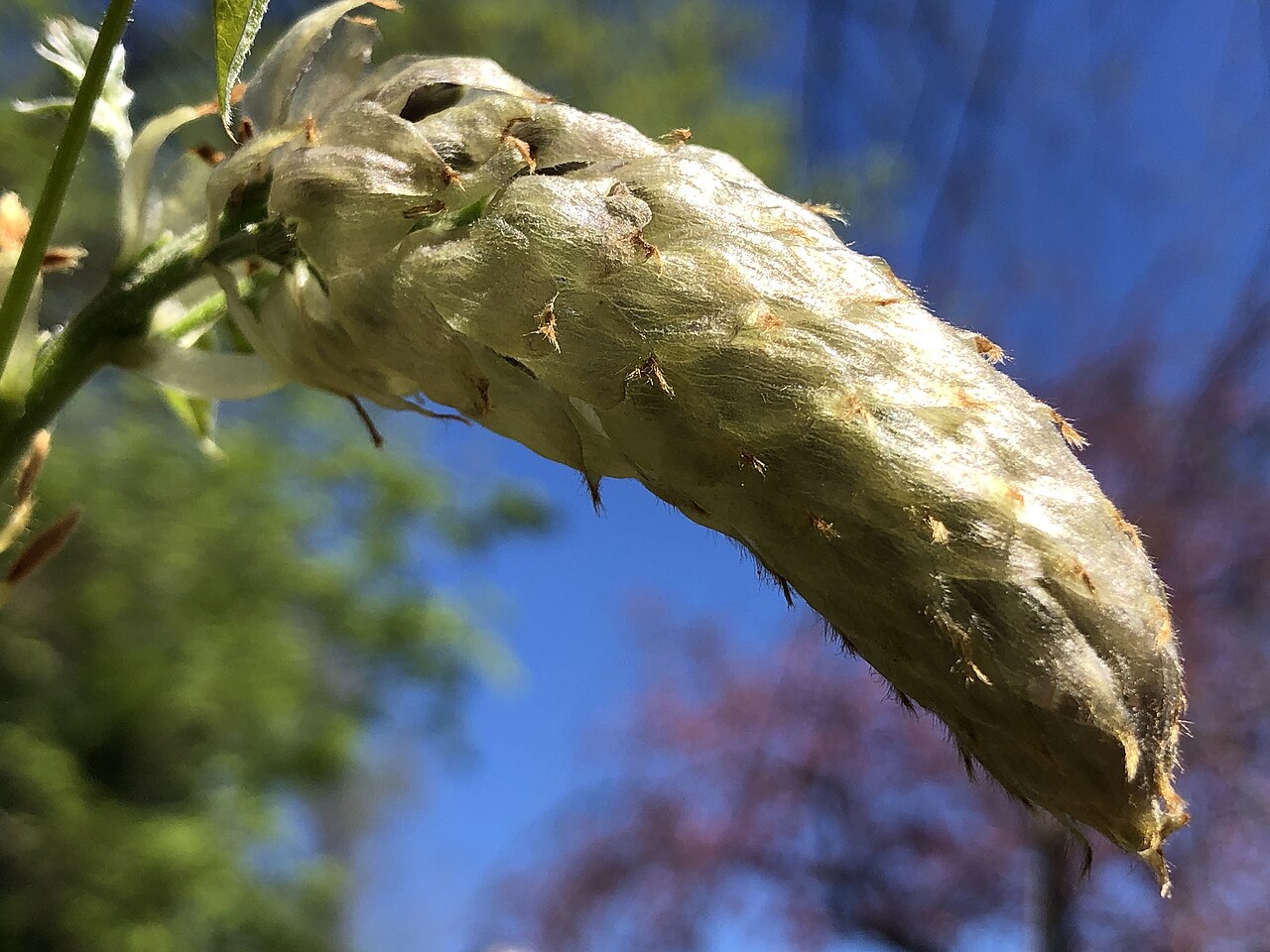
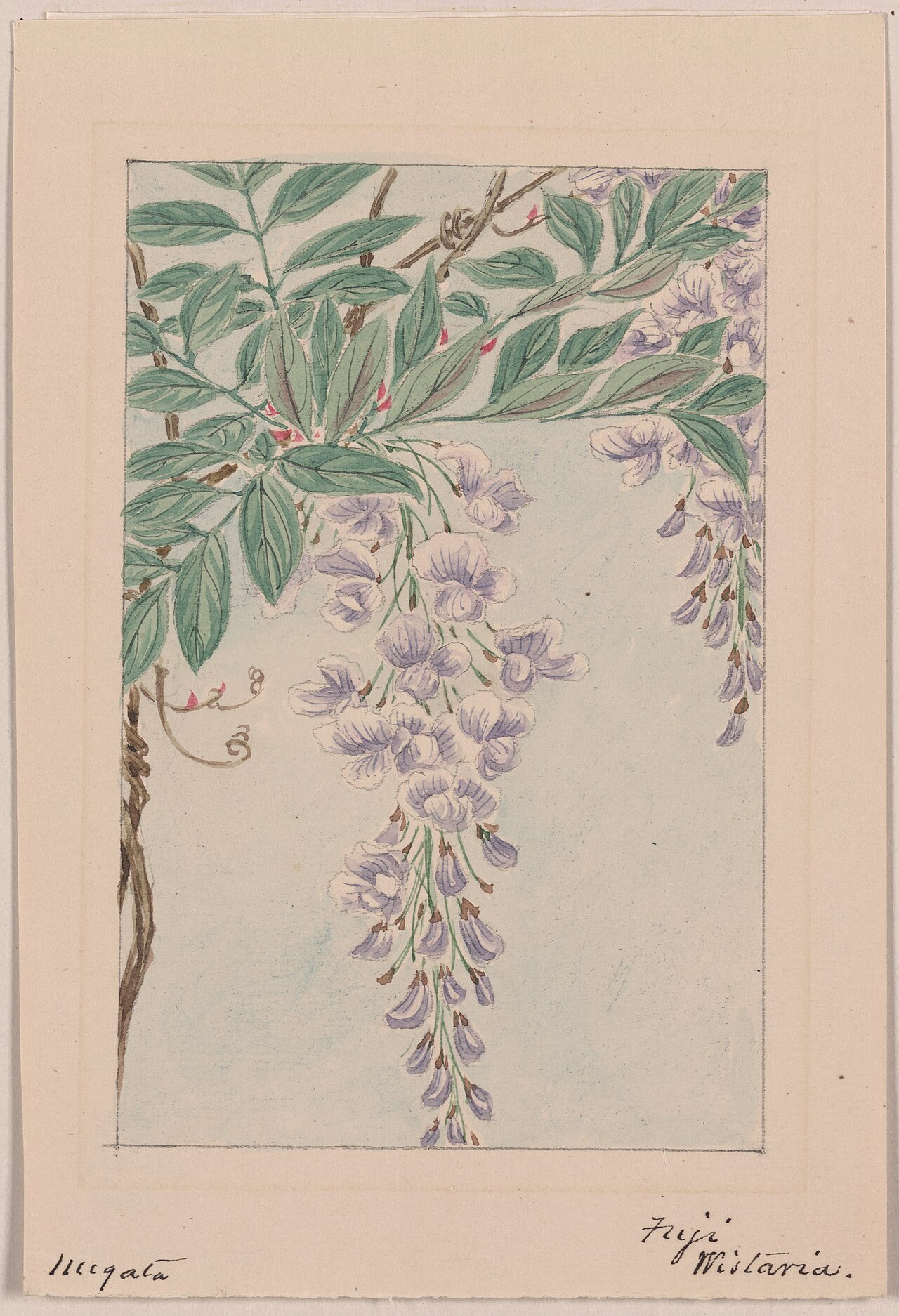
Few climbing plants create as dramatic a spring display as wisteria, with its long, pendulous clusters of fragrant purple, blue, pink, or white flowers cascading from a pergola or wall. The two most widely grown species, Chinese wisteria (Wisteria sinensis) and Japanese wisteria (Wisteria floribunda), are deciduous, twining vines capable of growing many metres, with a woody trunk that thickens dramatically over decades. Wisteria is a long-term commitment: plants grown from seed can take up to twenty years to flower, which is why nursery stock is almost always grafted or grown from cuttings of proven flowering plants.
Site, Soil, and Support
Wisteria needs full sun, at least six hours a day, to flower well; in shade it will grow lush foliage but produce few or no blooms. It tolerates most well-drained soils and is not particular about pH, but very rich soil encourages leafy growth at the expense of flowers, so avoid heavy feeding with high-nitrogen fertilizer. A phosphorus-leaning feed in spring can help support bud formation instead.
Because mature wisteria becomes extremely heavy and vigorous, it needs a genuinely sturdy support structure from the start, such as a robust pergola, strong wall-mounted wires, or thick metal trellis; a flimsy arch will eventually be crushed. Newly planted wisteria should be tied in to its support and trained along the desired framework while stems are still flexible.
Pruning: The Key to Flowering
Wisteria is pruned twice a year, and this is the single most important task for reliable flowering. In midsummer, around two months after flowering, cut back the long, whippy green side shoots to about five or six leaves from the main framework; this controls the plant’s exuberant growth and encourages flower buds to form rather than more foliage. In late winter, before growth resumes, prune those same side shoots back further, to two or three buds from the main stem. This two-step approach converts a tangle of vegetative growth into short, flower-bud-laden spurs along the framework.
Common Problems
- Failure to flower: the most common complaint, usually due to insufficient sun, over-feeding with nitrogen, an ungrafted seed-grown plant that is simply too young, or lack of the twice-yearly summer and winter pruning.
- Frost damage to buds: late frosts can kill developing flower buds after a mild spell; there is little to do beyond choosing a sheltered site.
- Aphids: can cluster on new shoots in spring; usually minor and controlled by washing off with water or encouraging natural predators.
- Structural damage: mature vines are heavy and can crush weak supports or lift roof tiles and gutters if grown against a house; regular pruning keeps growth in check.
Propagation
Because seed-grown wisteria is unreliable and slow to flower, propagation is almost always vegetative. Softwood cuttings taken in early summer can root with rooting hormone and bottom heat, though success rates vary. Layering is the most dependable home method: bend a low, flexible stem to the ground, wound it slightly where it touches the soil, peg it down, and leave it for a full growing season to root before separating it from the parent plant.
This article may contain affiliate links. If you purchase a product through one of these links, Plantgecko may earn a commission at no extra cost to you. This never influences our editorial independence or which products we recommend.