Honeysuckle (Lonicera): The Fragrant Climber for Romantic Garden Corners
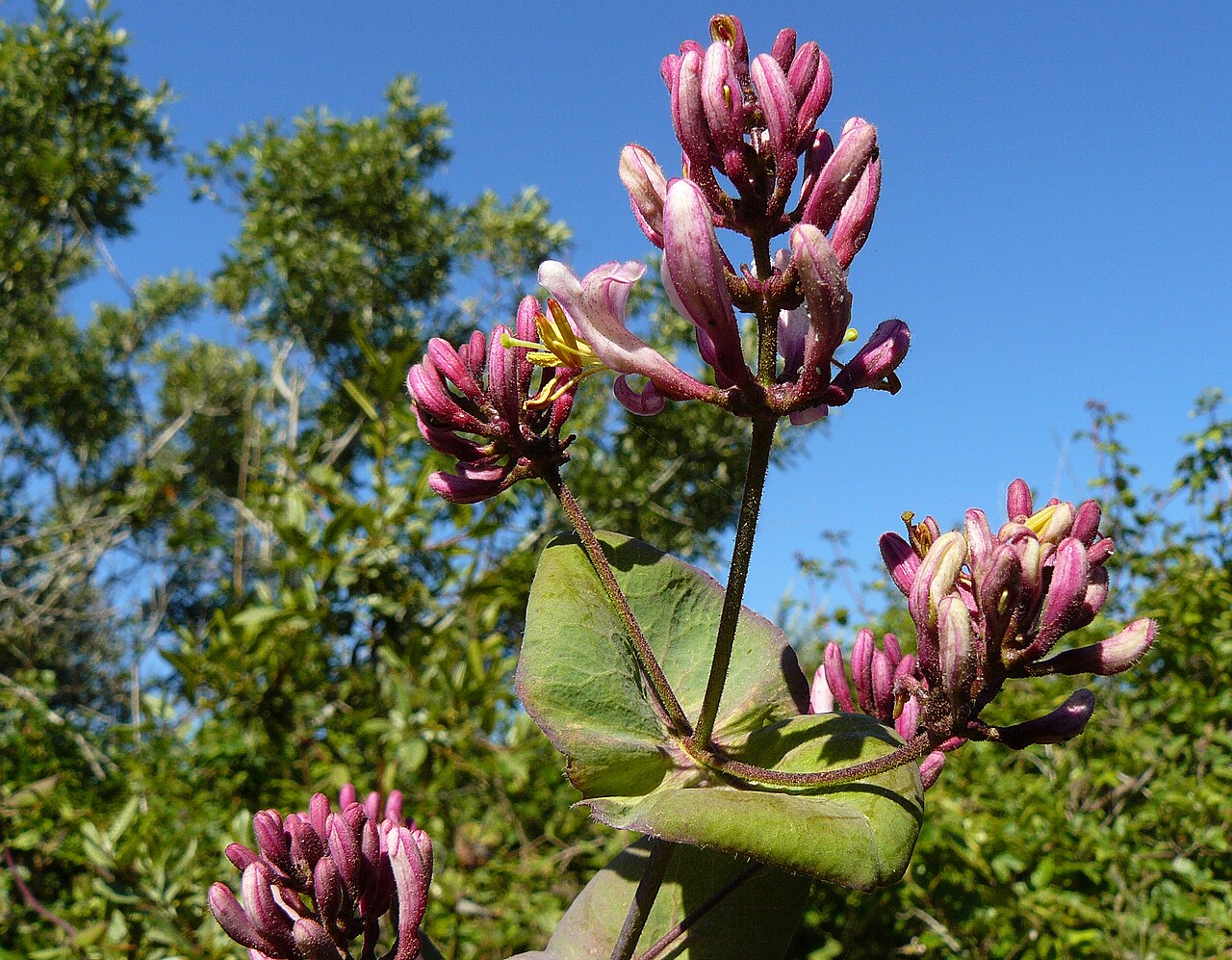
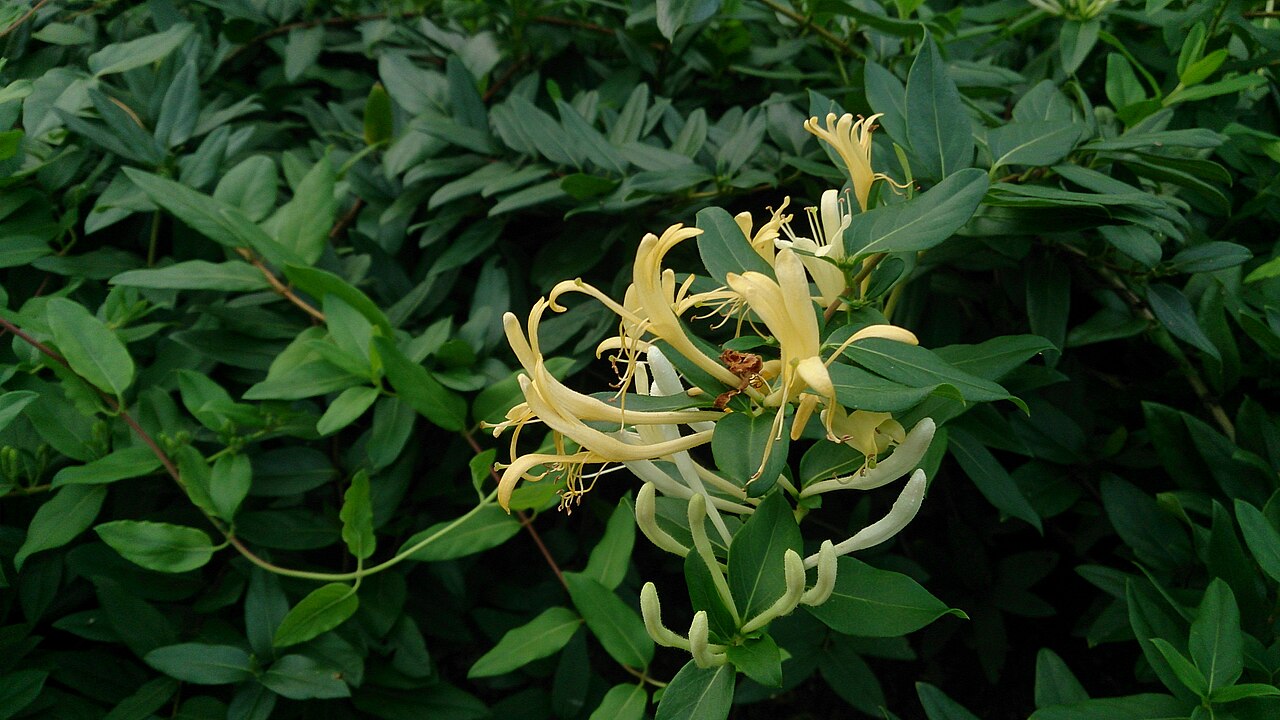
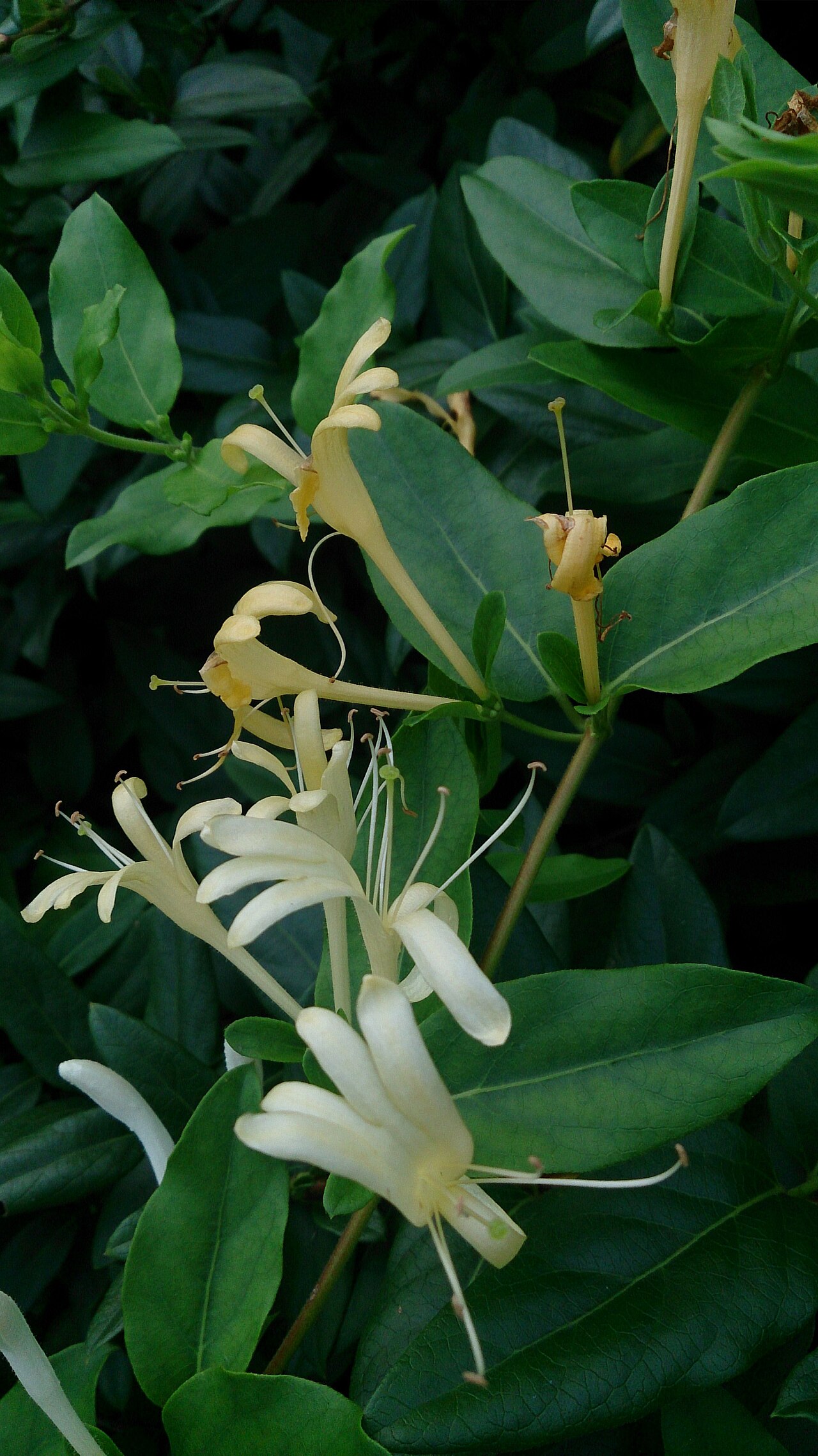
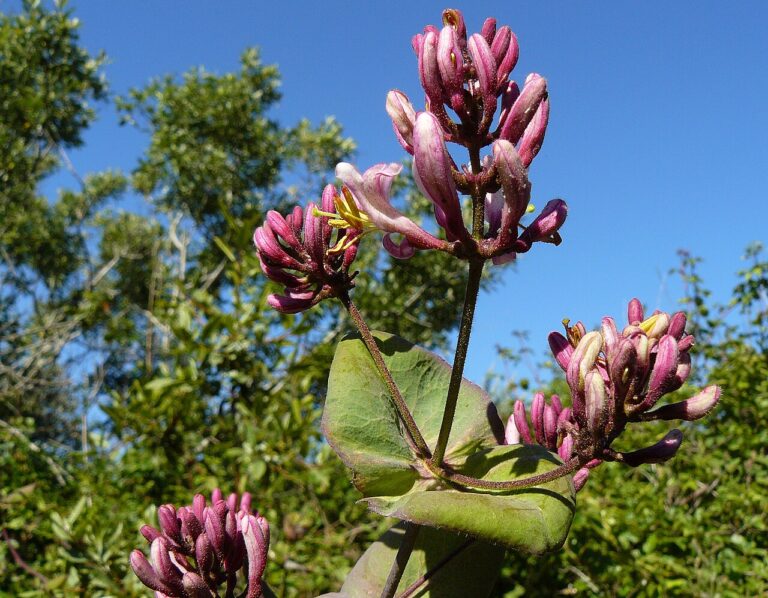
Honeysuckle (Lonicera), sometimes nicknamed “longer-and-dearer” for the way it lingers and climbs, is one of the most romantic climbing plants for the garden. Its trumpet-shaped, intensely fragrant flowers open in the evening and attract night-flying moths and hawkmoths, casting a spell over warm summer evenings. The plant is tough, easy to care for, and grows remarkably fast.
Popular Honeysuckle Varieties
- Perfoliate honeysuckle (Lonicera caprifolium): Creamy white with a pink blush, strongly scented, up to 5 m (16 ft)
- Evergreen honeysuckle (Lonicera henryi): Yellow-red flowers, foliage year-round, up to 8 m (26 ft)
- Goldflame honeysuckle (Lonicera tellmanniana): Bright orange-yellow, unscented, up to 6 m (20 ft)
- European honeysuckle / woodbine (Lonicera periclymenum): Native species, cream-pink, intoxicating scent
Location and Planting
Honeysuckle prefers a partly shaded spot with a cool, moist root zone — following the classic rule of “head in the sun, feet in the shade.” The soil should be humus-rich, well-draining, and not too dry. Plant honeysuckle in spring or fall. Loosen the soil deeply and work in compost. Leave at least 30 cm (12 in) between the plant and its support.
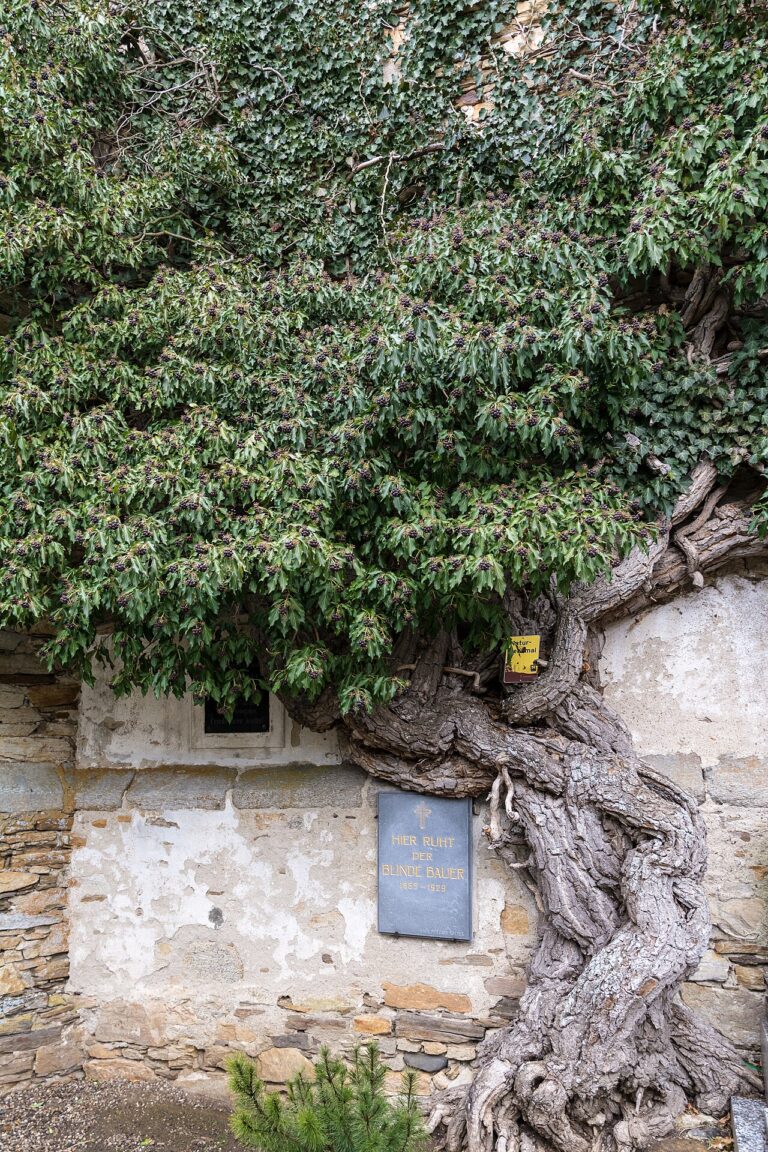
Underplanting with low perennials or a layer of mulch keeps the root zone cool and moist. Honeysuckle is a twining vine and needs a sturdy support such as wire rope, a wooden trellis, or wire mesh.
Care and Pruning
Water honeysuckle regularly, especially during its first few years and in dry spells. The root ball should never dry out completely. Fertilize in spring with compost and horn shavings; a second, lighter feeding can follow after flowering. Watch out for aphids, which love to attack honeysuckle. Pruning isn’t strictly necessary — if needed, thin the plant out after flowering or shorten shoots that have grown too long.
Beware the Berries
In autumn, honeysuckle produces bright red berries that are toxic to humans. In gardens with small children, make sure the berries stay out of reach. Birds, on the other hand, welcome them as a valuable food source.
This article may contain affiliate links. If you purchase a product through one of these links, Plantgecko may earn a commission at no extra cost to you. This never influences our editorial independence or which products we recommend.