Climbing Roses: Planting and Care for Romantic Blooms on Walls and Pergolas
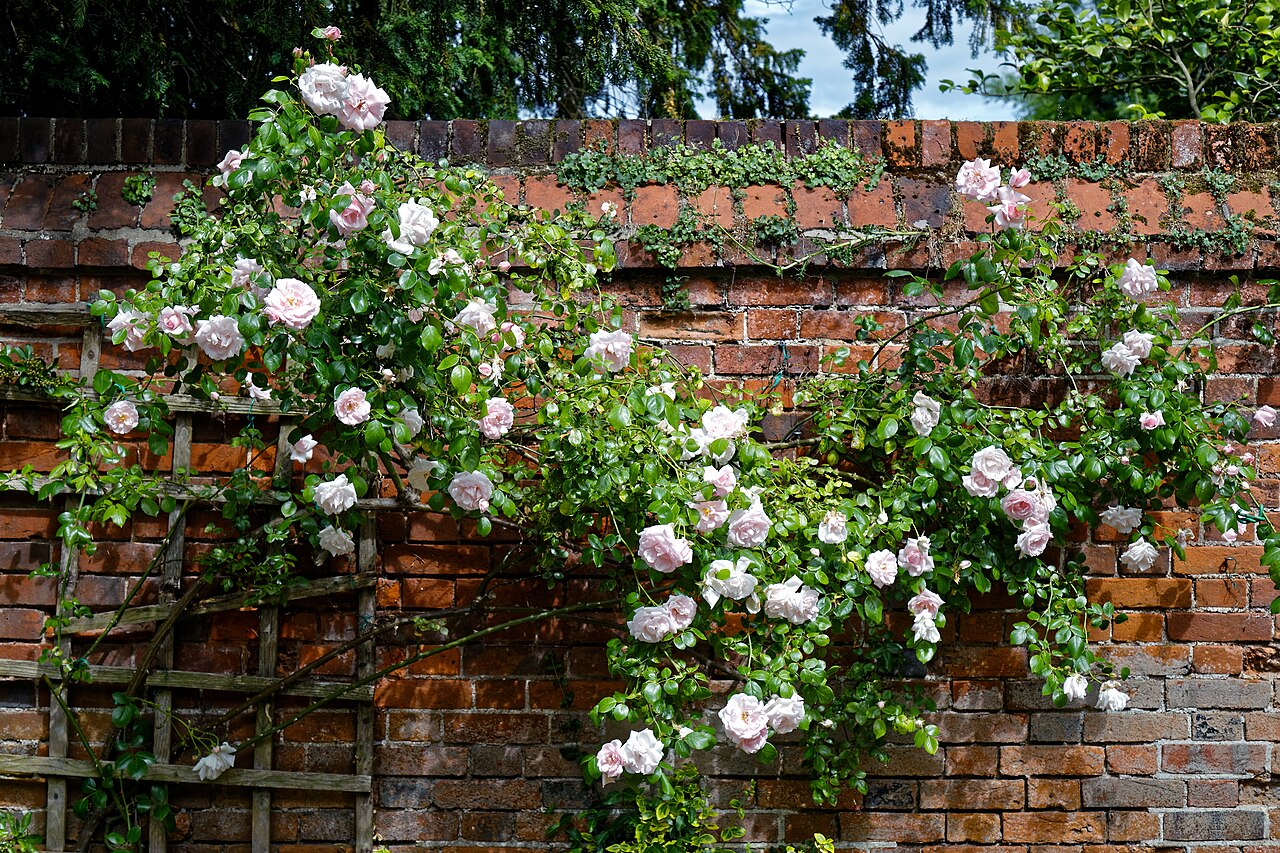
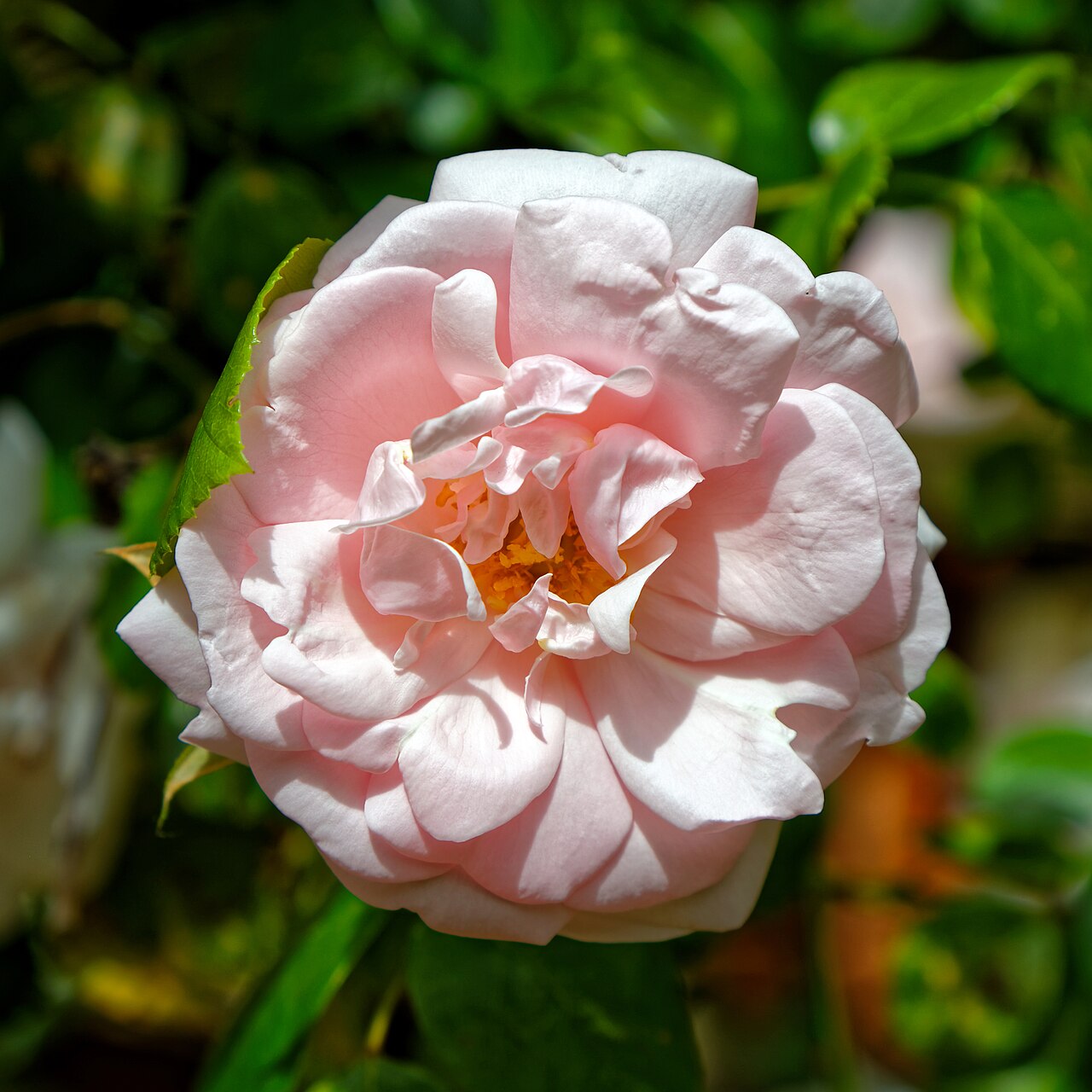
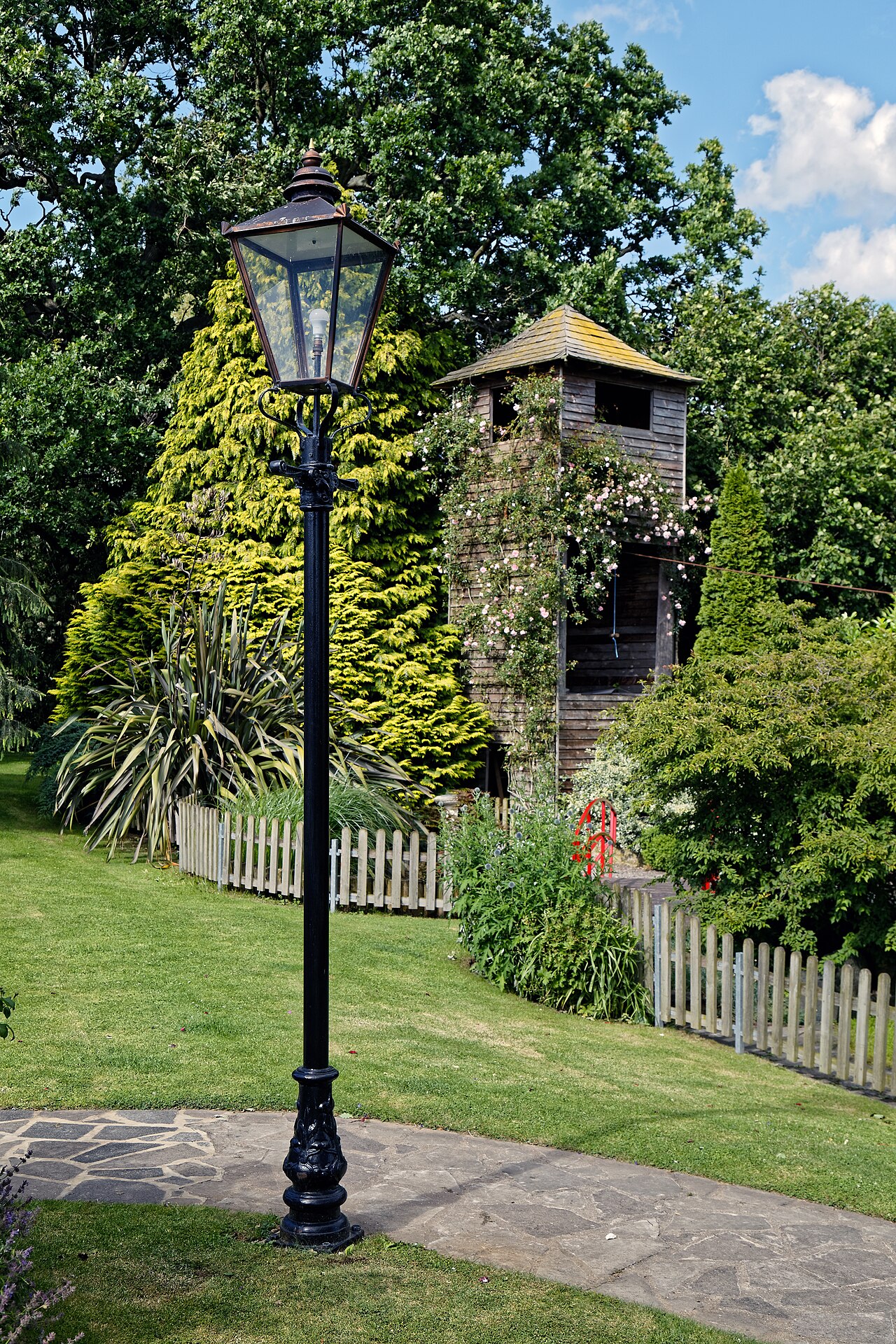
Climbing roses transform plain walls, pergolas, and rose arches into a romantic sea of blooms. Unlike true climbing plants, roses don’t form clinging structures of their own; they need a support to lean against, gripping on with their thorns. Once established, they reward you with an overwhelming abundance of fragrant flowers.
The Best Climbing Rose Varieties
| Variety | Color | Height | Fragrance | Flowering |
|---|---|---|---|---|
| Rosa ‘New Dawn’ | Soft pink | 3-5 m | Strong | Repeat-flowering |
| Rosa ‘Santana’ | Bright red | 2-3 m | Light | Repeat-flowering |
| Rosa ‘Iceberg’ | Pure white | 3-4 m | Medium | Repeat-flowering |
| Rosa ‘Ghislaine de Féligonde’ | Apricot-yellow | 2-3 m | Strong | Repeat-flowering |
Location and Planting
Climbing roses love the sun. A spot in full sun with good airflow and at least five hours of direct sunlight a day is ideal. Good air circulation helps prevent fungal diseases like black spot and powdery mildew. The soil should be deep, humus-rich, and fertile. Improve heavy soils with compost and sand.
Plant climbing roses in fall or spring. Dig a planting hole at least 50 cm (20 inches) deep and wide, and mix the excavated soil with rose compost and bonemeal. The graft union should sit about 5 cm (2 inches) below the soil surface. Soak the rose thoroughly before planting and water it in well afterward.
Support and Training
Install the support structure before planting. Sturdy wire systems, wooden trellises, or metal frames all work well. Train the main canes horizontally or in a fan shape, which encourages side shoots and therefore more flowers. Canes trained vertically tend to flower only at the tips.
Proper Pruning
Prune climbing roses in early spring (March), once hard frosts are no longer expected. Remove dead, diseased, and weak wood. Shorten side shoots to 3-5 buds. On older plants, cut one of the oldest main canes back to the ground each year to encourage fresh growth.